When you live in a storm-prone area, the choice of roofing material can markedly impact your home’s safety and longevity. Durable roofing options, especially metal roofs, provide superior protection against high winds, hail, and heavy rainfall. Their resilience prevents damage and offers long-term cost savings. Understanding the key features and benefits of these materials is essential. What factors should you consider to ensure your investment pays off in the long run?
Key Takeaways
- Durable roofing materials provide essential protection against severe weather, minimizing damage from storms like hurricanes and heavy rainfall.
- High impact and wind resistance ratings ensure roofs withstand harsh conditions, reducing repair costs and enhancing safety.
- Metal roofing, known for its durability, reflects heat and maintains stable indoor temperatures, improving energy efficiency.
- Regular maintenance of durable roofing extends its lifespan and effectiveness, ensuring homes remain safe during storm seasons.
- Investing in quality roofing materials enhances home value and provides peace of mind during extreme weather events.
Understanding Storm-Prone Areas
When you live in a storm-prone area, understanding the unique challenges posed by severe weather conditions is essential. You’ll encounter various storm patterns, including hurricanes, tornadoes, and heavy rainfall, each presenting distinct risks to your property.
Familiarizing yourself with local weather forecasts can greatly enhance your preparedness. These forecasts provide vital insights into impending storms, allowing you to plan accordingly and mitigate potential damage.
Additionally, recognizing seasonal trends in storm activity can help you anticipate the frequency and intensity of severe weather. For instance, knowing when hurricane season peaks can prompt proactive measures, such as securing your roof and windows.
Key Features of Durable Roofing Materials
Understanding the challenges of living in storm-prone areas highlights the importance of selecting roofing materials that can withstand severe weather. Durable materials play an essential role in ensuring your roof remains intact during storms. Here are key features to take into account:
| Feature | Description |
|---|---|
| Impact Resistance | Can withstand hail and debris without damage. |
| Wind Resistance | Designed to endure high wind speeds. |
| Longevity | Offers a long lifespan with minimal maintenance. |
| Water Resistance | Prevents leaks and water damage effectively. |
| Energy Efficiency | Reflects heat, reducing cooling costs. |
Benefits of Metal Roofing in Harsh Weather
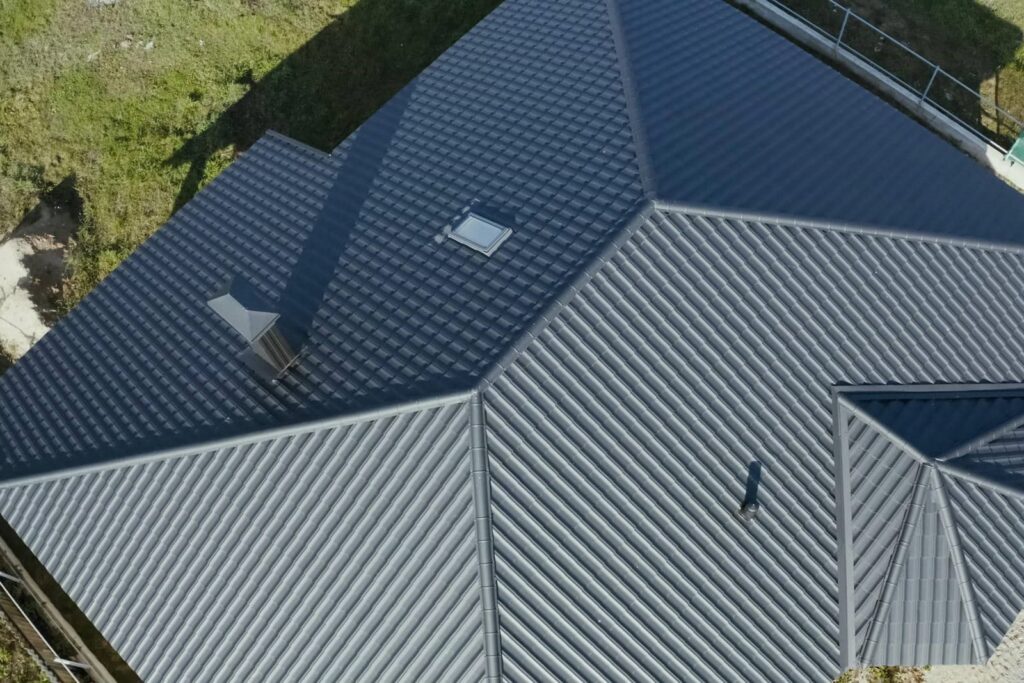
Given the unpredictable nature of severe weather, metal roofing stands out as an exceptional choice for homeowners in storm-prone areas. One of the primary metal advantages is its remarkable weather resilience.
Unlike traditional roofing materials, metal roofs can withstand high winds, heavy rain, and even hail. This durability considerably reduces the risk of damage during extreme weather events, ensuring your home remains protected.
Additionally, metal roofing reflects heat, which can help maintain a stable indoor temperature during harsh conditions, reducing energy costs. Its lightweight nature allows for easier installation and less strain on your home’s structure.
Moreover, metal roofs are typically fire-resistant, adding an extra layer of safety.
Impact Resistance Ratings for Roofing Options
When selecting roofing for storm-prone areas, understanding impact resistance ratings is essential.
These ratings indicate how well various materials can withstand hail, debris, and severe weather conditions.
You’ll want to focus on options that offer high ratings for maximum protection and durability.
Understanding Impact Resistance Levels
Impact resistance ratings are essential for selecting roofing materials in storm-prone areas, as they indicate how well a roof can withstand severe weather conditions.
These ratings are determined by standardized tests that measure a roof’s ability to endure impacts from hail, debris, and other elements. Knowing these impact resistance levels helps you choose materials that meet or exceed roofing standards, ensuring your home remains protected during storms.
Roofs are typically rated on a scale from Class 1 to Class 4, with Class 4 offering the highest level of impact resistance.
Materials With High Ratings
Selecting roofing materials with high impact resistance ratings is essential for protecting your home from severe weather.
When you choose materials like metal, slate, or modified bitumen, you’re investing in roofing innovations that are engineered to withstand heavy impacts and extreme conditions.
These options provide superior protection and contribute to material longevity, ensuring your roof lasts longer against harsh elements.
Look for products certified by organizations such as Underwriters Laboratories (UL) or the American Society for Testing and Materials (ASTM) to ensure quality.
By opting for high-rated materials, you’re embracing a proactive approach to home safety, fostering a sense of belonging in your community.
Strong roofs lead to secure homes, and that’s what you deserve.
Maintenance Tips for Storm-Resistant Roofing
Although storm-resistant roofing is designed to endure harsh weather, regular maintenance is essential to secure its longevity and effectiveness. To keep your roof in prime condition, schedule routine roof inspections and perform necessary repairs promptly. This proactive approach aids in weather preparation, ensuring your roof can withstand storms effectively.
| Maintenance Task | Frequency | Purpose |
|---|---|---|
| Roof Inspection | Biannually | Identify damage early |
| Gutter Cleaning | Seasonally | Prevent water damage |
| Flashing Check | Annually | Ensure watertight seals |
Cost Considerations for Durable Roofing
How much should you budget for durable roofing in storm-prone areas? When considering the cost, it’s essential to weigh both initial expenses and long-term savings.
Durable roofing materials, such as metal or slate, may have higher upfront costs, but they offer significant cost benefits over time. These materials typically have a longer roofing lifespan, often exceeding 50 years, compared to traditional asphalt shingles that last about 20 years.
Investing in durable roofing means fewer replacements and repairs, reducing financial stress in the long run. Additionally, some insurance companies may offer discounts for homes with impact-resistant roofs, further enhancing your savings.
Selecting the Right Roofing Contractor for Durability
When selecting a roofing contractor, assess their experience specifically with storm damage repairs.
You’ll want to ensure they’re knowledgeable about the best materials suited to your area’s climate and the warranties they offer.
A contractor with a solid track record in these areas can greatly enhance your roof’s durability.
Experience With Storm Damage
Selecting the right roofing contractor is crucial, especially if you live in an area prone to storms. You’ll want someone with proven experience in storm damage assessment and recovery.
Look for contractors who can demonstrate a thorough understanding of the unique challenges posed by severe weather. They should have a track record of successfully managing claims and repairs, which is essential for effective storm recovery.
Ask for references and previous project examples to gauge their expertise. A knowledgeable contractor will provide a detailed damage assessment and recommend durable materials suited for your specific needs.
This ensures your roof remains resilient against future storms, providing you with peace of mind and a sense of security in your home.
Materials and Warranty Options
Choosing the right materials for your roofing system is essential to ensuring long-term durability against storms. Opt for materials like metal, slate, or impact-resistant shingles that offer superior strength and material longevity.
These options withstand harsh weather conditions better than traditional materials, providing peace of mind for you and your family.
Additionally, don’t overlook warranty coverage while selecting a roofing contractor. A robust warranty reflects the quality of the materials used and protects your investment against future damage.
Look for contractors who offer extended warranties and transparent terms, ensuring you’re covered for the long haul. By prioritizing both materials and warranty options, you create a resilient roofing system that fosters a sense of security in your home.
Frequently Asked Questions
What Is the Lifespan of Durable Roofing Materials?
Durable roofing materials typically last 20 to 50 years, depending on the type. When considering roofing material comparisons, you’ll appreciate durable roofing benefits like longevity and resistance to harsh weather, ensuring your home’s protection.
Can I Install Durable Roofing Myself?
You can tackle a DIY installation of durable roofing, but make certain you prioritize roofing safety. Familiarize yourself with local codes, proper techniques, and necessary tools to achieve a safe, effective, and long-lasting result.
How Do Weather Conditions Affect Roofing Installation?
Weather conditions greatly impact roofing installation. You’ll need to adapt installation techniques based on temperature and moisture levels, ensuring proper weather resistance. Poor conditions can lead to compromised materials and ultimately affect your roof’s durability and performance.
Are There Eco-Friendly Durable Roofing Options?
Yes, you can find eco-friendly, durable roofing options that utilize recyclable materials and promote sustainable practices. These choices protect your home and align with your values, contributing positively to the environment and community.
Summary
By choosing durable roofing, you’re not just investing in your home; you’re fundamentally building a fortress against nature’s fury! Imagine your roof standing tall against hurricanes, hail, and torrential downpours like a superhero defending your castle. With materials like metal roofs, you’ll enjoy peace of mind, reduced maintenance, and enhanced energy efficiency. Don’t wait for the next storm to strike—act now and ensure your home remains a safe haven, boosting both value and security for years to come!