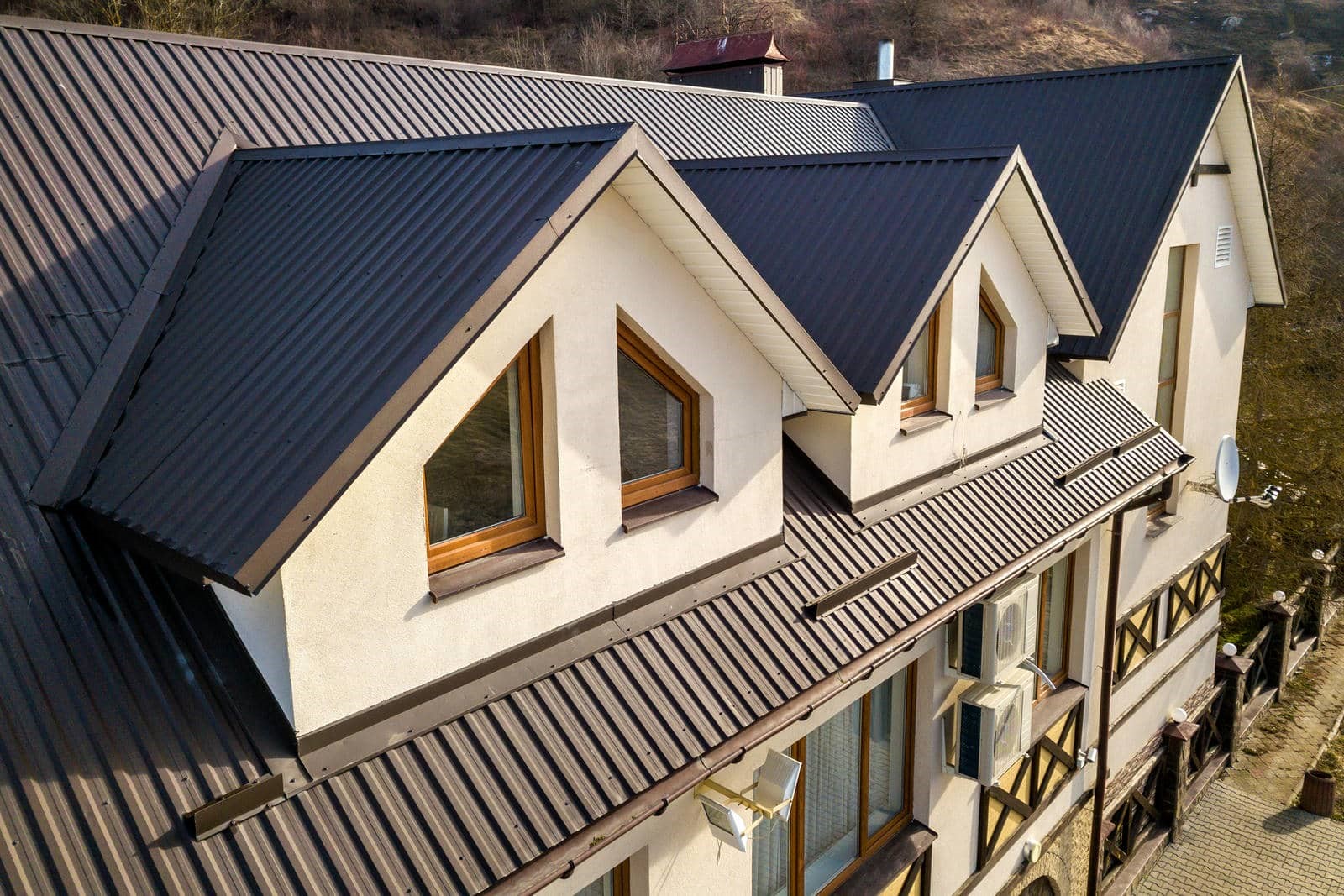
When selecting an energy-efficient metal roofing option, it is crucial to evaluate various materials and their unique advantages. Each type, from aluminum to stone-coated steel, presents distinct benefits regarding thermal performance, durability, and sustainability. Understanding how these materials interact with environmental factors can greatly influence your energy costs. Let’s explore which roofing choice might best suit your needs and offer long-term savings.
Key Takeaways
- Aluminum roofing reflects sunlight, significantly reducing heat absorption and lowering cooling costs, making it an energy-efficient choice.
- Steel roofing enhances thermal performance through insulation, effectively minimizing energy consumption over time.
- Copper roofing offers excellent solar heat reflection, reducing cooling costs during hot months while ensuring durability.
- Zinc roofing features a reflective surface that lowers heat absorption, contributing to energy savings and reducing utility bills.
- Stone-coated steel roofing provides superior thermal performance by reflecting solar radiation, further lowering cooling costs for homeowners.
Aluminum Roofing
Aluminum roofing stands out as a premier choice for energy efficiency and durability. You’ll find that aluminum’s advantages include a remarkable ability to reflect sunlight, greatly reducing heat absorption. This reflective property can lead to lower energy costs, making your home more comfortable and budget-friendly.
Additionally, aluminum’s lightweight nature eases installation, which can save you time and labor costs.
When it comes to aluminum maintenance, you’ll appreciate its resistance to corrosion and rust, ensuring longevity without frequent repairs. A simple wash with soap and water usually suffices to keep it looking new.
Unlike other materials, aluminum doesn’t warp or crack, which minimizes your worries about structural integrity over time.
Steel Roofing
When considering energy-efficient roofing options, steel roofing emerges as a robust alternative that shares many benefits with aluminum. Its durability and longevity make it an attractive choice for homeowners looking to invest wisely.
Steel insulation is essential here, as it enhances thermal performance, reducing energy consumption for heating and cooling. Proper installation of steel insulation materials can greatly lower your utility bills.
Additionally, the variety of steel coatings available greatly influences energy efficiency. Reflective coatings can minimize heat absorption, helping keep your home cooler in the summer months. This not only contributes to comfort but also extends the life of your roofing system by reducing thermal stress.
Choosing steel roofing aligns with a commitment to sustainability and energy efficiency. By opting for steel, you’re making a choice that supports a sense of belonging to a community focused on responsible living and environmental stewardship.
Copper Roofing
Although often overlooked, copper roofing offers remarkable energy efficiency and aesthetic appeal, making it a compelling choice for environmentally conscious homeowners. One of the key copper advantages is its ability to reflect solar heat, markedly reducing cooling costs during hot months. This characteristic not only enhances energy efficiency but also contributes to a comfortable indoor environment.
Additionally, copper roofs are incredibly durable, often lasting over 50 years with minimal maintenance. When it comes to copper maintenance, routine inspections and occasional cleaning are usually sufficient to keep your roof in prime condition.
As copper develops a protective patina over time, it not only enhances the roof’s visual charm but also adds a layer of corrosion resistance.
Choosing copper roofing means investing in a sustainable, low-maintenance option that harmonizes with your eco-friendly values while providing an elegant aesthetic for your home.
Zinc Roofing
Zinc roofing stands out as an innovative and sustainable option for homeowners seeking energy efficiency and long-term durability. Known for its unique zinc properties, this material offers natural resistance to corrosion and weathering, making it ideal for diverse climates.
Its longevity—often exceeding 50 years—ensures you won’t need frequent replacements, which is a significant cost-saving benefit.
Zinc applications extend beyond conventional roofing. You can integrate it into various architectural designs, providing aesthetic versatility while maintaining energy efficiency.
Its reflective surface helps reduce heat absorption, contributing to lower energy bills through improved cooling efficiency. Plus, zinc’s ability to self-heal from minor scratches enhances its lifespan and reduces maintenance needs.
Galvalume Roofing
Galvalume roofing offers a compelling blend of durability and energy efficiency for homeowners looking to enhance their property’s performance. This type of roofing features a patented coating of aluminum and zinc, which provides excellent corrosion resistance while reflecting solar energy, greatly reducing cooling costs.
One of the primary galvalume benefits is its longevity; it can last over 40 years with proper maintenance.
When considering galvalume installation, it’s crucial to engage professionals who understand the nuances of this material. Proper installation ensures the roofing system performs at its best, preventing issues such as leaks and condensation.
Additionally, Galvalume’s lightweight nature simplifies the installation process, minimizing structural stress on your home.
Standing Seam Metal Roofing
When you choose standing seam metal roofing, you’re investing in a system that combines impressive durability with exceptional energy efficiency. This roofing style features raised seams that interlock, creating a watertight barrier that reduces the risk of leaks and enhances insulation.
When considering installation techniques, proper alignment is vital for peak performance; misalignment can lead to water intrusion and inefficiencies.
To maximize your investment, follow essential maintenance tips, such as regularly inspecting seams and cleaning debris from the roof surface. A proactive approach not only prolongs the lifespan of your roof but also maintains its energy-efficient properties.
Lastly, consider the color of your standing seam roofing; lighter shades reflect sunlight, further enhancing energy efficiency.
Stone-Coated Steel Roofing
When considering stone-coated steel roofing, you’ll find a compelling blend of aesthetic appeal and robust functionality.
This roofing type not only offers a variety of design options that can enhance your home’s visual appeal but also boasts impressive durability and energy efficiency benefits.
Understanding these attributes will help you make an informed decision for your roofing needs.
Aesthetic Appeal Options
Have you considered how stone-coated steel roofing can enhance your home’s aesthetic appeal? This roofing option offers a diverse range of color choices, allowing you to select hues that harmonize with your home’s exterior and neighborhood vibe.
You can also opt for various roof patterns, such as tiles or shakes, which mimic traditional materials while providing modern durability. The texture and finish of stone-coated steel create a striking visual impact, setting your home apart.
Plus, the reflective properties contribute to a cohesive, polished appearance while enhancing energy efficiency. By choosing stone-coated steel, you’re not just investing in functionality; you’re elevating your home’s overall design and charm, fostering a sense of belonging within your community.
Durability and Longevity
One of the standout features of stone-coated steel roofing is its remarkable durability and longevity. These roofs leverage advanced material properties, such as resistance to rust, impact, and extreme weather conditions, ensuring they withstand the test of time.
You’ll appreciate how the stone coating adds an extra layer of protection, minimizing wear and tear. Unlike traditional roofing materials, stone-coated steel requires minimal maintenance—just periodic inspections and cleaning to remove debris.
This low upkeep aligns with your desire for a reliable and long-lasting roofing option, reducing the stress of frequent repairs or replacements. Investing in stone-coated steel not only enhances your home’s resilience but also solidifies your commitment to choosing a premium, energy-efficient roofing solution.
Energy Efficiency Benefits
While many roofing materials struggle with energy efficiency, stone-coated steel roofing stands out due to its superior thermal performance. By reflecting solar radiation, this material minimizes heat absorption, considerably lowering cooling costs during hot months.
You’ll appreciate how its insulation techniques can further enhance energy retention, keeping your home warm in winter and cool in summer. Additionally, stone-coated steel aligns with sustainability practices, offering a long-lasting solution that reduces waste and energy consumption over time.
Its lightweight nature also allows for easier installation, which can reduce labor costs. Choosing stone-coated steel isn’t just a smart financial decision; it’s a commitment to a more energy-efficient and sustainable future for your home and community.
Frequently Asked Questions
How Does Metal Roofing Compare to Traditional Roofing in Energy Efficiency?
Metal roofing excels in energy efficiency due to its superior heat reflection and insulation properties. You’ll notice reduced cooling costs as it keeps your home cooler, making it a smart choice for long-term energy savings.
What Is the Lifespan of Energy-Efficient Metal Roofing?
Energy-efficient metal roofing can last 40 to 70 years, showcasing impressive durability. This longevity reduces environmental impact by minimizing waste and ensures you enjoy long-term benefits and reliability in your roofing choice.
Can Metal Roofing Be Installed Over Existing Shingles?
Absolutely, you can install metal roofing over existing shingles. This method offers installation benefits like reduced labor costs and quicker setup. However, consider potential weight and ventilation requirements before proceeding to ensure peak performance.
How Do I Maintain Energy-Efficient Metal Roofing?
To maintain energy-efficient metal roofing, regularly inspect for debris and damage, clean surfaces, and ensure proper insulation. This proactive roof maintenance can enhance energy savings, prolonging your roof’s lifespan while optimizing its efficiency.
Are There Tax Credits for Installing Energy-Efficient Metal Roofing?
Yes, you can often find tax incentives for installing energy-efficient metal roofing. These credits can enhance your energy savings, making your investment more appealing. Always check local regulations to maximize your benefits and support sustainable practices.
Recap
In a world obsessed with energy efficiency, it’s ironic that the very roofs we choose can dramatically impact our energy bills. Opting for aluminum, steel, or even copper might seem like a mundane decision, yet these materials can transform your home into a sanctuary of sustainability. By investing in metal roofing, you’re not just keeping the heat at bay; you’re also embracing a forward-thinking approach to energy conservation. Who knew a roof could do so much more than just keep the rain out?