When it comes to replacing a flat roof, understanding the nuances of the process is essential. You’ll need to assess the current condition of your roof, choose the right materials, and prepare the deck properly. Each step plays a pivotal role in the overall integrity of your new roof. As you navigate through the installation techniques, consider how they impact long-term performance and maintenance requirements. What specific materials and methods will ensure your roof stands the test of time?
Key Takeaways
- Conduct a thorough damage assessment of the existing roof to identify issues before replacement.
- Choose durable and cost-effective materials like EPDM, TPO, or PVC based on local climate conditions.
- Ensure proper drainage systems are installed to prevent water accumulation and potential leaks.
- Use high-quality adhesives and sealants during installation to secure seams and joints effectively.
- Schedule regular maintenance checks to extend the lifespan and performance of the new flat roof.
Assessing the Current Condition of Your Flat Roof
Before you plunge into flat roof replacement, it’s crucial to assess the current condition of your roof to identify any underlying issues.
Start by conducting a thorough damage assessment, as this will help you gauge the roof’s lifespan and determine if a full replacement is necessary.
Look for signs of wear, such as cracks, blisters, or pooling water, which can lead to further deterioration.
Inspect seams and flashings for any signs of separation or leaks that could compromise the structure.
Don’t forget to check the insulation underneath; moisture buildup can drastically shorten your roof’s lifespan.
Document your findings meticulously, as they’ll inform your next steps and choices.
Choosing the Right Replacement Material
Having assessed the current condition of your flat roof, the next step is selecting the right replacement material. When considering options, prioritize material durability and cost effectiveness.
Common choices include EPDM, TPO, and PVC. EPDM (ethylene propylene diene monomer) is highly durable and offers excellent weather resistance, making it a popular choice for longevity. TPO (thermoplastic polyolefin) combines energy efficiency with cost-effectiveness, making it appealing for budget-conscious homeowners. PVC (polyvinyl chloride) is known for its strength and resistance to chemical damage, providing longevity in harsh environments.
Evaluate local climate conditions, as they can greatly impact material performance. Additionally, consider warranties offered by manufacturers; these can indicate the expected lifespan and reliability of the material.
Preparing the Roof Deck
Before you start the replacement process, you need to inspect the existing roof structure for any signs of damage or weakness.
Once you’ve assessed the integrity, clean the deck thoroughly and address any repairs to ensure a stable foundation for your new roofing material.
Taking these steps will help prevent future issues and contribute to the longevity of your flat roof.
Inspecting Existing Roof Structure
As you prepare to replace your flat roof, inspecting the existing roof structure is vital for ensuring a solid foundation for your new installation.
Begin by evaluating the roof material—look for signs of wear, such as cracks or blisters.
Appraise the structural integrity by checking for sagging or uneven surfaces that may indicate underlying issues.
Pay close attention to the joints and seams, as these areas can compromise stability.
If you find any damage, it’s important to address it before proceeding.
This thorough inspection helps you identify necessary repairs and assures your new roof will perform effectively and last longer.
Taking these steps fosters a secure environment for you and your community.
Cleaning and Repairing a Deck
Start by thoroughly cleaning the roof deck to ensure a smooth surface for your new flat roof installation. Use a pressure washer or a stiff broom to remove dirt, debris, and any old roofing materials.
Pay close attention to corners and seams where grime tends to accumulate. After deck cleaning, inspect for damage. Look for cracks, holes, or rot that may require immediate attention.
For any identified issues, perform necessary deck repairs by using a suitable patching material or replacing damaged sections. Make certain all repairs are adequately sealed to prevent future leaks.
Taking these steps enhances the durability of your new roof and fosters a sense of community pride in maintaining your home’s integrity and appearance.
Properly Removing the Old Roof
Before you start removing the old roof, inspect its condition to identify any underlying issues that may need addressing.
You’ll need the right tools, such as a pry bar and roofing knife, to ensure a safe and efficient removal process.
Additionally, plan for safe debris disposal to maintain a clean worksite and adhere to local regulations.
Inspect Existing Roof Condition
Inspecting the existing roof condition is essential for a successful flat roof replacement. Start by conducting a thorough roof inspection checklist, identifying any signs of damage like cracks, blisters, or leaks.
This step informs your replacement strategy and enhances your flat roof maintenance efforts. Look for areas where water pools, as these can indicate underlying issues that need addressing.
Examine the flashing and drainage systems, ensuring they’re intact and functional. Document your findings meticulously; this information will guide your decisions during the replacement process.
Safe Debris Disposal Methods
When replacing a flat roof, ensuring safe debris disposal methods is essential to maintaining a clean and compliant worksite.
Start by utilizing debris containment systems, such as tarps or bins, to prevent materials from scattering. This will keep your workspace organized and minimize safety hazards.
For eco-friendly disposal, research local recycling facilities that accept roofing materials like asphalt and EPDM. Many regions offer programs that promote the recycling of roofing debris, reducing landfill waste.
Always follow regulations regarding hazardous materials, like old insulation or chemicals, and dispose of them through certified waste management services.
Tools Required for Removal
Properly removing an old flat roof requires specific tools to ensure efficiency and safety throughout the process.
You’ll need a sturdy pry bar for lifting shingles and membrane materials, along with a utility knife for precise cuts. A roofing shovel is essential for scraping off adhered layers efficiently.
Don’t forget a hammer and nails for any temporary reinforcements during removal. Safety gear, including gloves and goggles, safeguards your well-being while working.
Additionally, a ladder or scaffolding is crucial for accessing elevated areas safely.
Installing New Insulation for Energy Efficiency
To enhance energy efficiency during your flat roof replacement, installing new insulation is crucial. Start by selecting energy efficient materials, such as rigid foam boards or fiberglass batts, which provide superior thermal resistance.
Verify that you measure the existing space accurately to determine the correct thickness and type of insulation needed.
During the insulation installation, pay attention to any gaps or voids, as these can lead to heat loss. Use appropriate adhesive or mechanical fasteners to secure the insulation properly, ensuring a snug fit against the roof deck.
If your roof has existing insulation, consider removing it if it’s damaged or outdated, as this can compromise the overall effectiveness.
Finally, seal all seams and joints with proper tape or spray foam to create a continuous barrier.
Techniques for Seamless Membrane Installation
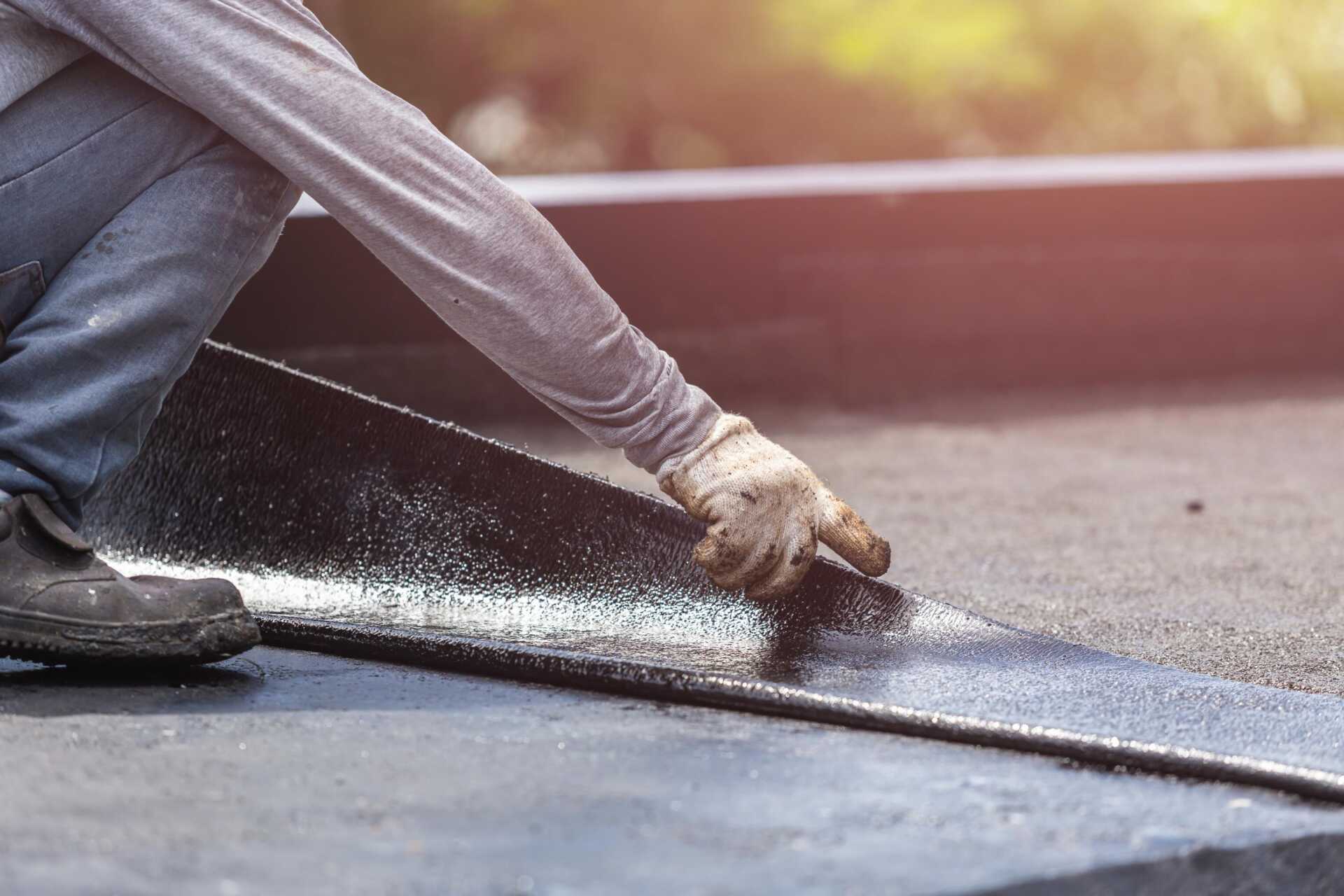
Seamless membrane installation is essential for ensuring a watertight flat roof that can withstand various weather conditions. To achieve this, you’ll first need to select the right membrane types, such as TPO, EPDM, or PVC, each offering unique benefits.
Begin with proper surface preparation, ensuring the substrate is clean, dry, and free of debris.
When applying the membrane, use installation techniques like heat welding or adhesive bonding, depending on the membrane type. Heat welding involves fusing seams together to create a continuous layer, while adhesive bonding secures the membrane to the substrate.
Pay close attention to detail around vents and penetrations, as these areas are prone to leaks.
Finally, conduct a thorough inspection to confirm that the installation is seamless and free from defects. By following these techniques, you’ll enhance your roof’s durability and ensure long-lasting protection for your property.
Ensuring Proper Drainage Systems
A watertight flat roof relies on seamless membrane installation and an effective drainage system to prevent water accumulation.
Proper drainage solutions are essential to guarantee that water flows away from the roof surface, minimizing the risk of leaks and structural damage.
Consider these key elements in your water management strategy:
Regular maintenance: Schedule inspections to clear debris from drains and gutters.
Strategic slope: Confirm your roof has a slight incline to facilitate proper water flow.
Quality materials: Invest in durable drainage components to enhance longevity and reliability.
Implementing Effective Waterproofing Measures
While you may have taken steps to guarantee proper drainage, implementing effective waterproofing measures is equally essential for a flat roof’s longevity.
Start by selecting high-quality waterproofing membranes, which act as a barrier against moisture infiltration. These membranes come in various materials, such as EPDM, TPO, and PVC, each offering unique benefits depending on your specific needs.
Next, confirm that your drainage solutions are optimized to work in tandem with these membranes. Properly installed drains, scuppers, and overflow systems prevent water accumulation and potential damage.
During installation, pay close attention to seams and shifts; these are critical areas where leaks often occur. Use adhesives and sealants recommended by the membrane manufacturer to secure these joints effectively.
Final Inspection and Maintenance Tips
When conducting a final inspection of your flat roof, it’s crucial to systematically assess both the installation work and the waterproofing features. This step guarantees that everything meets industry standards and your expectations.
Use a thorough maintenance checklist to guide your evaluation, focusing on critical elements like seams, flashings, and drainage systems.
- Confirm there are no visible leaks or water pooling.
- Check the integrity of all joints and seams for possible weak spots.
- Verify that all drainage systems are unobstructed and functioning properly.
Recap
Successfully replacing your flat roof is much like crafting a fine piece of art—each step requires precision and attention to detail. By evaluating your roof’s condition, selecting the right materials, and ensuring proper installation techniques, you can create a durable, efficient shelter that stands the test of time. Remember, regular maintenance is key to preserving your masterpiece, so keep an eye on it to prevent minor issues from evolving into major headaches.