When it comes to flat roofs, choosing the right material is essential for performance and longevity. Each option, like EPDM or TPO, has unique benefits that can affect durability, energy efficiency, and maintenance costs. Opting for high-quality materials safeguards your investment and enhances the overall functionality of your building. Understanding these factors can help you make informed decisions that impact your property’s future. What should you consider next?
Key Takeaways
- Selecting the right material ensures optimal durability, with EPDM lasting up to 30 years and PVC up to 40 years.
- Energy-efficient options like TPO help reduce utility costs through reflective properties and insulation benefits.
- Regular maintenance requirements vary by material, impacting long-term repair costs and investment.
- Climate compatibility is crucial; choose materials that withstand local temperature extremes and moisture levels.
- Aesthetic choices, such as color and texture, can enhance property appeal while offering practical benefits like energy efficiency.
Types of Materials for Flat Roofs
When it comes to flat roofs, selecting the right material is critical for durability and performance. You’ll find several options, each with distinct material properties. For instance, EPDM rubber is known for its flexibility and resistance to extreme weather. TPO, on the other hand, offers excellent energy efficiency and is lightweight, making installation easier.
Understanding the installation techniques is important, as they can influence the overall effectiveness of the roofing system. For example, mechanically attached systems allow for quicker installation but require precise alignment. Adhered systems, while more labor-intensive, provide a tighter seal against leaks.
It’s fundamental to weigh the pros and cons of each material based on your specific needs and local climate. By choosing wisely, you’ll enhance your roof’s performance and foster a sense of community and belonging within your neighborhood, knowing you’re part of a collective commitment to quality roofing solutions.
Durability and Longevity of Flat Roof Materials
When selecting flat roof materials, you’ll want to evaluate their durability and longevity under various weather conditions.
Different materials have distinct lifespans and maintenance requirements that can greatly impact your long-term investment.
Understanding these factors will help you make an informed choice for your roofing project.
Weather Resistance Factors
Although flat roofs offer unique architectural benefits, their performance heavily relies on the durability and longevity of the materials used. When selecting roofing materials, you must consider weather resistance techniques that can withstand extreme weather conditions.
Materials like modified bitumen, TPO, and EPDM are engineered specifically for resilience, providing protection against harsh UV rays, heavy rain, and snow accumulation. These materials often feature advanced sealing methods to prevent leaks, which are critical in maintaining structural integrity.
Additionally, consider the thermal properties of your chosen material; a well-insulated roof can reduce thermal expansion and contraction, extending its lifespan. By prioritizing weather resistance, you ensure that your flat roof looks great and stands the test of time against nature’s challenges.
Material Lifespan Comparison
Choosing the right material for your flat roof involves understanding the lifespan of each option, as the longevity of your investment can greatly affect maintenance costs and overall performance.
Different materials have varying durability, influenced by factors like climate, installation quality, and overall material performance. For instance, EPDM can last 25-30 years, while TPO typically offers around 15-20 years. Modified bitumen can also provide a lifespan of 15-20 years, depending on installation and environmental exposure.
When selecting a roofing material, consider these lifespan factors to ensure you choose one that aligns with your long-term goals. A well-informed decision today can lead to reduced future expenses and enhanced protection for your property, fostering a sense of security and belonging in your investment.
Maintenance Requirements Overview
Flat roof maintenance is essential for ensuring the durability and longevity of your chosen roofing material. By implementing a strategic approach to preventive maintenance, you can prevent costly repairs down the line. Here’s a quick overview of maintenance requirements for popular flat roof materials:
| Material Type | Maintenance Tips |
|---|---|
| EPDM | Inspect seams regularly; clean debris. |
| TPO | Check for punctures; guarantee proper drainage. |
| Modified Bitumen | Inspect for blisters; reseal seams. |
| PVC | Clean surface; check flashing integrity. |
Regular inspections and timely repair tips will help you maintain the integrity of your flat roof. By staying proactive, you can be part of a community that values quality and longevity in roofing solutions.
Cost Considerations for Flat Roofing Options
When choosing a flat roofing option, you need to contemplate both initial installation expenses and long-term maintenance costs.
Each material varies considerably in upfront pricing and expected lifespan, which can impact your overall investment.
Evaluating these factors will help you make a financially sound decision for your roofing project.
Initial Installation Expenses
While various factors influence the overall cost of a flat roofing system, initial installation expenses play a crucial role in the decision-making process.
When you’re conducting an initial cost analysis, you must consider materials, labor, and any necessary permits. Different roofing options—such as TPO, EPDM, or PVC—vary considerably in price, impacting your budget planning.
For example, opting for a more durable material may require a higher upfront investment but can lead to fewer issues down the line.
By prioritizing your requirements and aligning them with your financial capabilities, you can make an informed choice.
Long-Term Maintenance Costs
Understanding long-term maintenance costs is essential, especially since they can greatly impact the total investment in your flat roofing system.
By considering these factors, you can achieve significant cost savings over time.
Maintenance Frequency: Regular inspections can prevent costly repairs down the line.
Repair Costs: Choose materials that are easier to repair, reducing overall expenses.
Weather Resistance: Invest in roofs that withstand harsh conditions to minimize wear and tear.
Energy Efficiency: Opt for materials that enhance insulation, lowering energy bills.
Material Lifespan Considerations
Long-term maintenance costs are closely tied to the lifespan of the materials you choose for your flat roofing system. When selecting materials, consider their performance over time.
High-quality options, like TPO or EPDM, often provide significant lifespan benefits, reducing the frequency of repairs and replacements. Investing in durable materials means fewer disruptions and lower overall costs in the long run.
You’ll also benefit from enhanced energy efficiency, as good material performance can lead to lower utility bills. Remember, though, that initial costs can vary widely; balancing upfront investment with anticipated longevity is essential.
Energy Efficiency of Different Flat Roof Materials
As you evaluate flat roof materials, energy efficiency becomes an essential factor in your decision-making process. Choosing the right material can lead to significant energy savings and improved thermal performance.
Here are four options to examine:
TPO (Thermoplastic Olefin): Known for its reflective properties, TPO helps keep your building cooler, reducing air conditioning costs.
EPDM (Ethylene Propylene Diene Monomer): This rubber material offers excellent insulation, minimizing heat transfer and enhancing thermal performance.
Modified Bitumen: With its multilayered composition, it provides durability and can reflect sunlight, contributing to better energy efficiency.
Built-Up Roofing (BUR): This traditional option, when combined with reflective coatings, can effectively manage heat, promoting energy savings.
Maintenance Requirements for Flat Roofs
While flat roofs can offer a range of benefits, they also require regular maintenance to ensure longevity and performance. Implementing a preventive maintenance plan is vital for detecting issues early and prolonging the roof’s life. Regular inspections help identify potential problems before they escalate, allowing you to utilize efficient repair techniques when necessary.
Here’s a quick overview of essential maintenance tasks:
| Maintenance Task | Frequency |
|---|---|
| Inspect for debris | Monthly |
| Check for leaks | Quarterly |
| Clean gutters and drains | Biannually |
| Reseal seams | Annually |
Climate Considerations in Material Selection
When selecting materials for your flat roof, consider how temperature extremes can affect durability and performance.
Additionally, evaluate moisture and rainfall levels in your area, as these factors influence water resistance and drainage needs.
Finally, don’t overlook UV radiation exposure, which can degrade certain materials over time.
Temperature Extremes Impact
Temperature extremes greatly affect the longevity and performance of flat roofing materials, making climate evaluations essential in your selection process.
Understanding temperature fluctuations is crucial for maintaining effective insulation performance. Here are four key factors to take into account:
Material Durability: Choose materials designed to withstand high and low temperatures without warping or cracking.
Thermal Expansion: Opt for materials that accommodate expansion and contraction caused by temperature changes.
Insulation Quality: Prioritize insulation with high R-values to maintain stable indoor temperatures, regardless of external conditions.
Reflectivity: Select roofing surfaces with reflective coatings to minimize heat absorption and reduce energy costs.
Moisture and Rainfall Levels
Moisture and rainfall levels are critical factors to take into account when selecting materials for flat roofs, as they directly influence the roof’s durability and performance.
Effective moisture management is essential in areas with high rainfall, as accumulated water can lead to leaks and structural damage. When evaluating materials, consider their ability to withstand rainfall impact and prevent moisture infiltration.
For instance, membrane options like EPDM and TPO offer excellent waterproofing capabilities. Additionally, using proper drainage systems can enhance your roof’s resilience against water buildup.
UV Radiation Exposure
High levels of UV radiation can greatly impact the longevity and performance of flat roofing materials.
To ensure your roof withstands this exposure, consider implementing effective UV protection strategies, including:
Solar Reflective Coatings: These coatings can considerably reduce heat absorption, prolonging material life.
Quality Membranes: Selecting durable membranes designed for UV resistance will minimize degradation.
Regular Maintenance: Routine inspections can catch early signs of UV damage, allowing for timely repairs.
Appropriate Material Choice: Some materials naturally resist UV damage better than others; choose wisely based on your local climate.
Environmental Impact of Flat Roofing Materials
As you consider the environmental impact of flat roofing materials, it’s crucial to evaluate how these choices affect energy efficiency and resource consumption.
Opting for materials with strong sustainability factors can greatly reduce your carbon footprint. For instance, reflective materials help lower cooling costs, promoting energy efficiency and minimizing greenhouse gas emissions.
Additionally, consider the recycling options available for the materials you’re selecting. Many modern flat roofing systems are designed with recyclability in mind, allowing you to minimize waste at the end of their lifespan.
Materials such as TPO and EPDM are durable and offer recycling pathways that align with sustainable practices.
Aesthetic Options for Flat Roof Finishes
Selecting the right flat roofing material impacts sustainability and influences the overall aesthetic of your property.
You want your roof to complement your home’s design, and here are some options to evaluate:
Color Choices: Whether you prefer classic neutrals or vibrant hues, the right color can enhance your property’s curb appeal.
Texture Variations: From smooth finishes to textured surfaces, different materials offer unique tactile experiences that can elevate your home’s design.
Reflective Coatings: These serve functional purposes like energy efficiency and also add a sleek, modern look to your roof.
Green Roofs: Incorporating vegetation can provide a stunning visual while promoting environmental benefits.
Installation Process for Various Flat Roof Materials
When it comes to installing flat roofing materials, understanding the specific requirements for each type is vital for achieving a durable and effective roof. Different materials, such as EPDM, TPO, and PVC, require unique installation techniques.
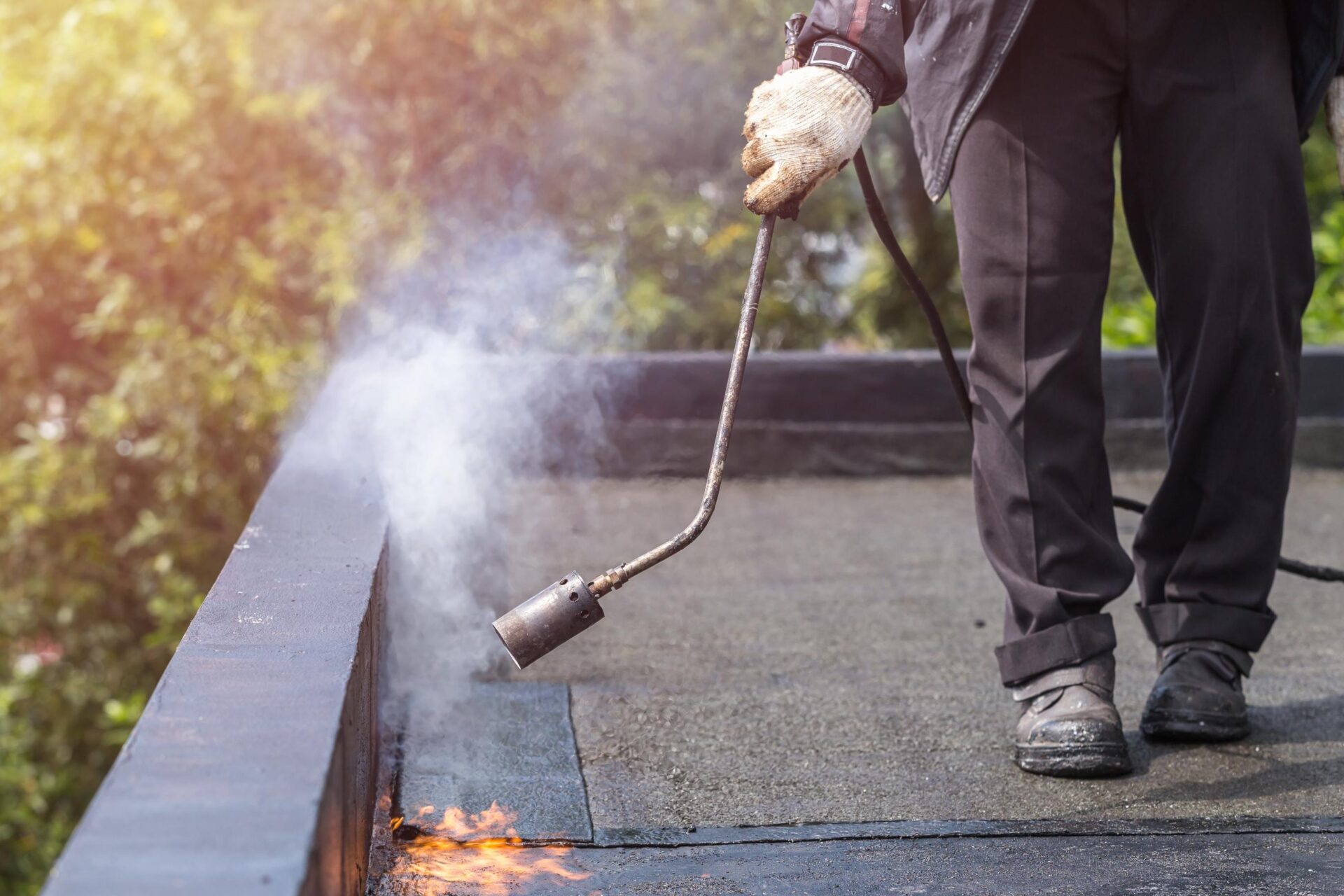
For instance, EPDM often involves bonding adhesive or mechanical fasteners, while TPO may utilize heat-welded seams for a secure fit.
Prioritizing roofing safety is essential throughout the process. Always wear appropriate safety gear, secure ladders, and ensure the work area is clear of hazards.
Each installation step, from preparing the substrate to applying the material, should be executed with precision to prevent future issues.
Warranty and Lifespan Expectations for Flat Roofs
Understanding the warranty and lifespan expectations for flat roofs is key to making an informed decision about your roofing investment. Different materials come with varying warranty coverage and expected lifespan, which can greatly impact your choice.
Here are some important points to take into account:
TPO Membrane: Typically offers 15-20 years of warranty coverage, with an expected lifespan of 20-30 years if properly maintained.
EPDM Rubber: Generally provides 10-25 years of warranty coverage, and can last up to 30 years with regular upkeep.
PVC Membrane: Often includes 20-30 years of warranty coverage, with an expected lifespan reaching 30-40 years.
Built-Up Roofing (BUR): Usually offers around 10-20 years of warranty coverage, with a lifespan of 20-30 years, depending on installation quality.
Choosing the right material ensures you align with your budget and long-term needs while securing your investment.
Summary
Choosing the best material for your flat roof isn’t just about immediate costs—it’s an investment in your building’s future. As the saying goes, “A stitch in time saves nine.” By selecting high-quality, durable materials, you’re safeguarding against costly repairs and ensuring energy efficiency. Remember, a well-chosen roof enhances your property’s value and contributes to sustainability. Make an informed decision today for a resilient and aesthetically pleasing flat roof that stands the test of time.