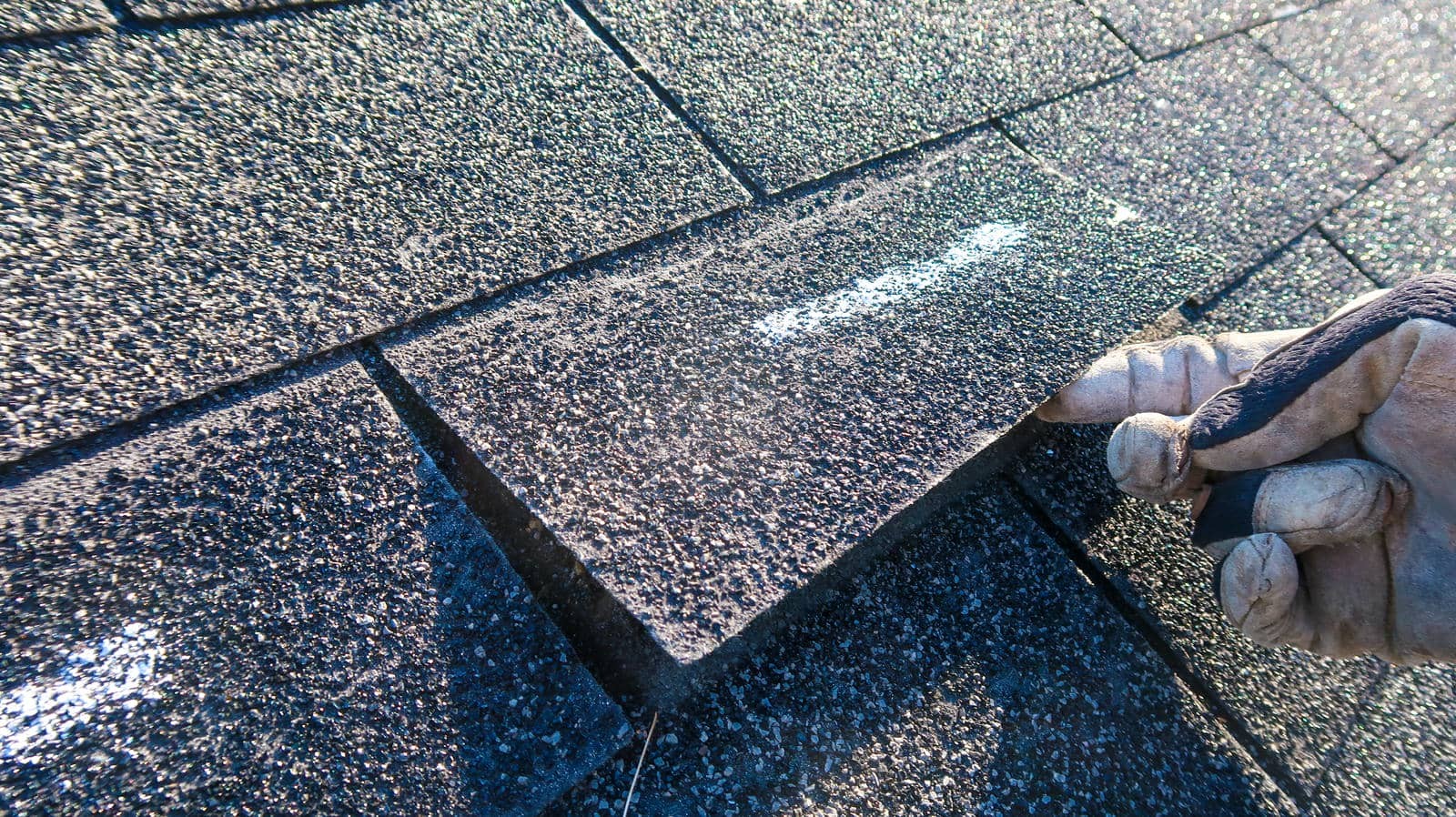
When choosing roofing materials for storm-prone regions, you need to prioritize durability and resilience. Each option, from asphalt shingles to metal roofing, has its pros and cons based on factors like cost and lifespan. Understanding how these materials perform under severe weather conditions can make all the difference for your home. Let’s break down the leading materials to see which ones stand up best against the elements.
Key Takeaways
- Asphalt shingles are cost-effective and reliable, offering a lifespan of 20 to 30 years with straightforward maintenance.
- Metal roofing provides exceptional durability, lasting over 50 years and offering protection against harsh weather conditions.
- Slate roofing is impact-resistant and waterproof, with a lifespan exceeding a century, making it ideal for severe weather resilience.
- Clay and concrete tiles withstand extreme conditions and have excellent thermal performance, enhancing overall home resilience.
- Synthetic roofing materials are lightweight and weather-resistant, offering low maintenance and protection against wind and moisture.
Asphalt Shingles
Asphalt shingles are one of the most popular roofing materials, especially in storm-prone regions. You’ll find they offer a compelling balance of asphalt longevity and cost effectiveness, making them an attractive choice for homeowners.
Typically, asphalt shingles last about 20 to 30 years, depending on the quality and installation. This durability is essential when facing harsh weather conditions, as it can withstand strong winds and heavy rain.
Moreover, the cost-effectiveness of asphalt shingles is notable. They generally have lower upfront costs compared to other roofing materials, allowing you to invest in quality without breaking the bank.
Maintenance is also straightforward, which adds to their appeal. In conclusion, if you’re looking for a reliable roofing solution that combines longevity with affordability, asphalt shingles are worth considering. You’ll feel confident knowing you’ve chosen a material designed to endure the elements while providing value.
Metal Roofing
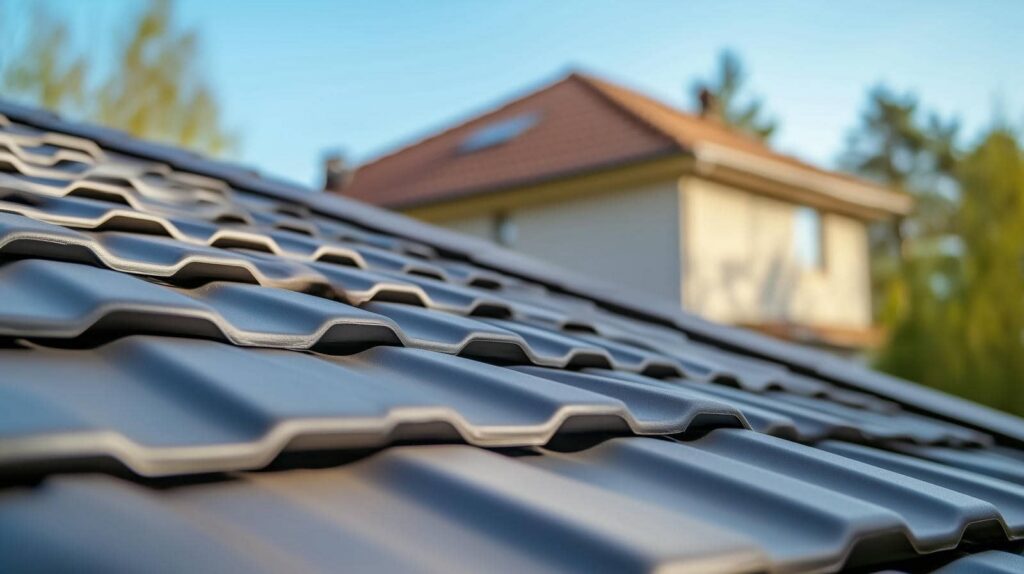
Metal roofing stands out as a durable and resilient option for homeowners in storm-prone regions. Its robust construction provides significant protection against harsh winds, hail, and heavy rainfall.
The metal roofing benefits include longevity, as these roofs can last over 50 years with minimal maintenance, making them a wise investment for your home. Additionally, they’re fire-resistant and eco-friendly, often made from recycled materials.
When considering metal roofing styles, you’ll find a variety of options, from standing seam panels to metal shingles that mimic traditional roofing aesthetics. These styles enhance your home’s curb appeal and offer practical advantages, such as energy efficiency from reflective coatings that reduce cooling costs.
Slate Roofing
Slate roofing offers exceptional durability against severe weather, making it a reliable choice for storm-prone regions.
Its aesthetic appeal and variety allow you to customize your home’s appearance while ensuring longevity.
However, understanding the installation and maintenance requirements is essential to maximize its benefits.
Durability Against Severe Weather
When it comes to withstanding severe weather, few roofing materials compare to the resilience of slate. Its superior durability ensures your home remains protected during storms, enhancing your peace of mind.
Here’s why slate roofing stands out for weather resilience and storm readiness:
Impact Resistance: Slate can endure hail and high winds without cracking or compromising structural integrity.
Waterproofing: Its natural impermeability prevents leaks, safeguarding your home from water damage.
Longevity: Slate roofs can last over a century, requiring minimal maintenance and offering long-term protection.
Aesthetic Appeal and Variety
Beyond its remarkable durability, slate roofing also offers an impressive aesthetic appeal that can enhance the overall look of your home. With various color options available, you can easily complement your home’s architectural styles, creating a cohesive and attractive exterior. Slate’s natural texture and rich hues add sophistication, making it a popular choice among homeowners seeking elegance.
| Color Options | Architectural Styles |
|---|---|
| Gray | Traditional |
| Green | Contemporary |
| Red | Colonial |
Choosing slate roofing elevates your home’s appearance and connects you to a community that values timeless beauty and craftsmanship. By selecting the right slate, you’ll ensure your home stands out while maintaining structural integrity through storms.
Installation and Maintenance Considerations
While considering slate roofing, you must pay close attention to the installation and maintenance processes to ensure peak performance and longevity. Proper installation techniques are vital, as they make sure the shingles are aligned and secured correctly, preventing water infiltration and damage.
Here are three essential considerations:
Professional Installation: Hire experienced contractors who understand slate-specific techniques to avoid common pitfalls.
Regular Inspections: Schedule maintenance checks at least twice a year to identify any potential issues early on.
Cleaning Routines: Keep the roof free from debris to prevent moisture retention, which can lead to moss growth and other complications.
Clay and Concrete Tiles
Clay and concrete tiles are among the most durable roofing materials available, especially suited for storm-prone regions. Their robust composition allows them to withstand extreme weather conditions, including high winds and heavy rain.
When considering these materials, you’ll want to evaluate cost considerations, as they can be more expensive upfront compared to other roofing options. However, their longevity and low maintenance needs often offset these initial costs over time.
In terms of thermal performance, clay and concrete tiles excel by providing excellent insulation. This characteristic helps regulate indoor temperatures, potentially reducing energy costs throughout the year.
Additionally, their natural resistance to water absorption minimizes the risk of mold and damage, making them a wise investment for homeowners in storm-prone areas. Ultimately, selecting clay or concrete tiles can enhance your home’s resilience while fostering a sense of community safety and security among your neighbors.
Synthetic Roofing Materials
When choosing roofing materials for storm-prone regions, synthetic roofing options offer innovative solutions that combine durability with versatility. These materials can withstand harsh weather while providing homeowners with aesthetic choices.
Here are three key benefits to reflect on:
Lightweight Design: Synthetic materials are often lighter than traditional options, making installation easier and reducing structural stress.
Weather Resistance: Many synthetic roofs resist impacts, wind, and moisture, offering superior protection during severe storms.
Low Maintenance: With less susceptibility to mold and rot, synthetic roofing typically requires fewer repairs and maintenance.
However, there are some synthetic disadvantages to keep in mind, such as potential UV degradation over time and a higher initial cost compared to traditional materials.
Weighing these synthetic advantages against the drawbacks ensures you make an informed choice that aligns with your home’s needs and your community’s standards.
Built-Up Roofing (BUR)
Built-Up Roofing (BUR) is a reliable option for homeowners in storm-prone regions, offering a robust, multilayered design that enhances protection against severe weather. This system consists of multiple layers of roofing felts, asphalt, and aggregate, creating a durable barrier that withstands high winds and heavy rainfall.
One of the key BUR advantages is its ability to provide excellent waterproofing, reducing the risk of leaks during storms.
With built-up applications, you can customize the number of layers according to your specific needs and local climate conditions, ensuring peak performance. Additionally, the layered structure offers increased insulation, helping to regulate indoor temperatures and reduce energy costs.
When you choose BUR, you’re investing in a long-lasting roofing solution that protects your home and fosters a sense of security and belonging in your community.
Consider BUR for its proven reliability in storm-prone areas.
Green Roofing Solutions
As homeowners seek sustainable options, green roofing solutions emerge as a compelling choice for storm-prone regions.
These eco-friendly options provide protection against extreme weather while enhancing urban environments. By incorporating green roofs, you contribute to better air quality and biodiversity while utilizing your space efficiently.
Consider the following benefits of green roofing:
Stormwater Management: Green roofs absorb and filter rainwater, reducing runoff and minimizing flooding risks.
Energy Efficiency: They offer natural insulation, lowering heating and cooling costs, and improving your home’s overall energy performance.
Urban Gardening: Transform your roof into a garden, allowing you to grow plants, herbs, or vegetables, fostering community and personal well-being.
Frequently Asked Questions
How Do I Choose the Best Roofing Material for My Specific Location?
To choose the best roofing material for your location, consider your local climate and building codes. Analyze durability, insulation, and maintenance needs to ensure it withstands weather conditions and complies with regulations.
What Roofing Materials Require the Least Maintenance During Storms?
Metal roofs and high-quality asphalt shingles require the least maintenance during storms. Their durability in harsh weather ensures minimal repairs, giving you peace of mind and belonging to a community that values resilience in roofing.
Can I Mix Different Roofing Materials for Better Storm Resistance?
You can mix different roofing materials for better storm resistance, but ensure material compatibility. Combining materials strategically enhances storm resilience, though it’s essential to take into account weight, durability, and potential for leaks during extreme weather conditions.
How Do Roofing Warranties Vary for Storm-Prone Regions?
Think of warranties as shields against storm damage. In storm-prone regions, warranty coverage often varies based on storm ratings; stronger materials typically offer longer, more thorough protection, ensuring you’re safeguarded when nature releases its fury.
Are There Eco-Friendly Options That Withstand Severe Weather?
Yes, you can choose sustainable materials like metal or bamboo, which offer excellent weather resistance. These eco-friendly options endure severe conditions and reduce your environmental impact, making your roofing choice both smart and responsible.
Recap
In storm-prone regions, choosing the right roofing material is essential for safeguarding your home. While asphalt shingles offer affordability, metal roofing’s resilience can withstand even the fiercest storms—think of it as the superhero of roofing! Slate and clay tiles provide unmatched durability, while synthetic options blend innovation with practicality. Ultimately, weigh your priorities: protection, maintenance, and aesthetics, to ensure your roof stands the test of time and nature’s fury.