When a Warehouse Commercial Roof fails, it rarely does so quietly. You need to inspect for leaks, ponding water, seam separation, and membrane wear before you choose a repair path. The right fix might be patching, coating, or partial replacement, depending on damage severity and roof condition. The real question is whether you can stop small failures from becoming operational downtime—and that’s where the next step matters.
Key Takeaways
- Inspect the entire warehouse roof to identify leaks, damaged seams, flashing failures, and hidden deck damage before repairs begin.
- Match repair methods to roof material and condition, using patching, seam reinforcement, coatings, or partial replacement as needed.
- Fix ponding water by clearing drains, correcting low spots, and consulting structural professionals for deck deflection issues.
- Use compatible materials and qualified contractors to ensure watertight repairs and protect low-slope commercial roof systems.
- Prevent future damage with scheduled maintenance, post-storm inspections, prompt fastener and sealant repairs, and limited rooftop traffic.
What Causes Warehouse Roof Damage?
Warehouse roof damage often starts with a mix of environmental stress, age, and drainage issues. You see UV exposure, thermal cycling, hail, wind uplift, and ponding water weaken seams, membranes, and flashings over time.
Heavy equipment vibration and rooftop traffic can also strain your system, especially on large-span structures. Poor design details, clogged drains, and previous patchwork repairs often accelerate leaks and surface deterioration.
If you manage an industrial facility, you need warehouse commercial roof repair solutions that address the root cause, not just visible damage. You can protect your team and operations by responding early, before minor wear turns into structural risk.
With the right maintenance mindset, you stay part of a prepared, resilient facility group and keep your roof performing longer.
Inspect the Roof First
Before you choose a repair method, start with a full roof inspection so you can identify the actual failure points, not just the visible symptoms.
Walk the membrane, seams, flashings, drains, parapets, and penetrations with a systematic checklist. You’ll catch ponding, punctures, open laps, corrosion, fastener back-out, and insulation saturation before they spread.
Document every defect with photos, measurements, and locations tied to the roof plan, so your team can work from the same facts.
Check the deck from below when possible, because staining and deflection often reveal hidden damage.
Use this inspection to separate isolated issues from broader system stress.
When you inspect first, you protect your facility, align with your maintenance crew, and build confidence in the repair path ahead.
How to Choose a Warehouse Roof Repair Method
How do you choose the right repair method? Start by matching the solution to your roof’s material, age, slope, and damage pattern. You’ll get the best results when you compare compatibility, service life, and disruption to operations.
For localized wear, you might use patching or seam reinforcement. For broader aging, consider coatings or membrane restoration. If the system has recurring failures, a partial replacement can make more sense.
Review load limits, weather exposure, and warranty terms before you decide. Then, work with a contractor who knows warehouse systems and speaks your language. That partnership helps you protect assets, keep crews safe, and stay confident in the repair plan you choose together for your facility and your team.
How to Fix Warehouse Roof Leaks
You’ll start by locating the leak source, checking for ponding water, punctures, loose fasteners, and other failure points across the roof system.
Then you’ll repair seams and flashing with compatible materials and proper surface preparation to restore watertight continuity.
For damaged membrane areas, you’ll apply approved patching methods that match the existing roofing assembly and meet industrial roof performance requirements.
Leak Source Inspection
A thorough leak source inspection identifies the exact entry point before any warehouse roof repair begins.
You should start inside the building, then move to the roof and map each stain, drip path, and wet insulation zone. Use moisture meters, infrared imaging, and a detailed grid so you can trace hidden travel paths across the deck.
Check penetrations, drains, curbs, skylights, and connections for active water movement. Document wind direction, rain timing, and ponding areas, because these clues help your crew confirm the source.
Mark suspect zones with tape and photos so your team stays aligned on the repair plan. When you isolate the leak correctly, you reduce wasted labor, protect inventory, and keep your facility running with confidence.
Seam And Flashing Repair
Seam and flashing repair stops many warehouse roof leaks by sealing the joints, terminations, and shifts where movement and weather exposure create failure points.
You should clean each seam, remove loose sealant, and dry the substrate before you apply compatible repair materials.
Inspect metal edges, skylight bases, curbs, parapet junctions, and penetrations for splits, lifted laps, rust, or fastener back-out.
Then reseal openings with manufacturer-approved mastics, tapes, or termination treatments, and reinforce stressed corners where thermal cycling works the detail.
You’ll protect your team’s shared workspace when you restore continuity at these weak points.
Finish by checking adhesion, confirming full coverage, and testing suspect areas after the repair.
Consistent seam and flashing work reduces repeat leaks and helps your roof stay dependable.
Membrane Patching Methods
Once you’ve sealed seams and flashing, inspect the membrane itself for punctures, splits, blisters, and wear that can let water reach the insulation or deck.
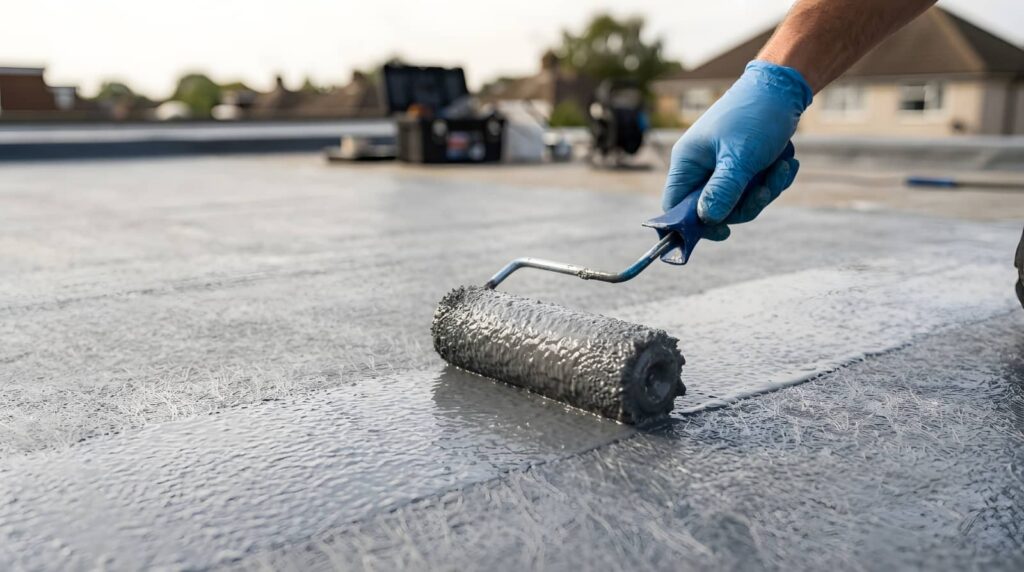
You’ll usually patch single-ply roofs with manufacturer-approved materials that match the existing system. Clean the area, dry it fully, and trim damaged edges to sound membrane.
Then apply primer if required, position a patch with proper overlap, and roll it tight to remove air.
For heat-welded systems, you’ll weld the patch perimeter and check for continuous bonding. For adhesive systems, press the patch under uniform pressure and seal all edges.
Afterward, test the repair, document it, and monitor nearby areas so your crew stays ahead of repeat leaks.
How to Address Ponding Water
Ponding water on a warehouse roof can accelerate membrane wear, increase structural load, and expose seams, fasteners, and insulation to leaks.
You should trace each low spot, measure water depth after 48 hours, and identify why drainage isn’t moving. Clear blocked drains, repair crushed insulation, and replace failed tapered sections that keep water from flowing.
If deck deflection creates the depression, coordinate with structural support professionals before you patch over it.
You’ll also want to inspect scuppers, internal drains, and gutters for debris or damage, then verify downspouts discharge freely.
After repairs, document slope corrections and monitor the area after storms.
When you work this way, your team protects the roof system, reduces repeat calls, and keeps the building performing the way your crew expects.
When Roof Coatings Make Sense
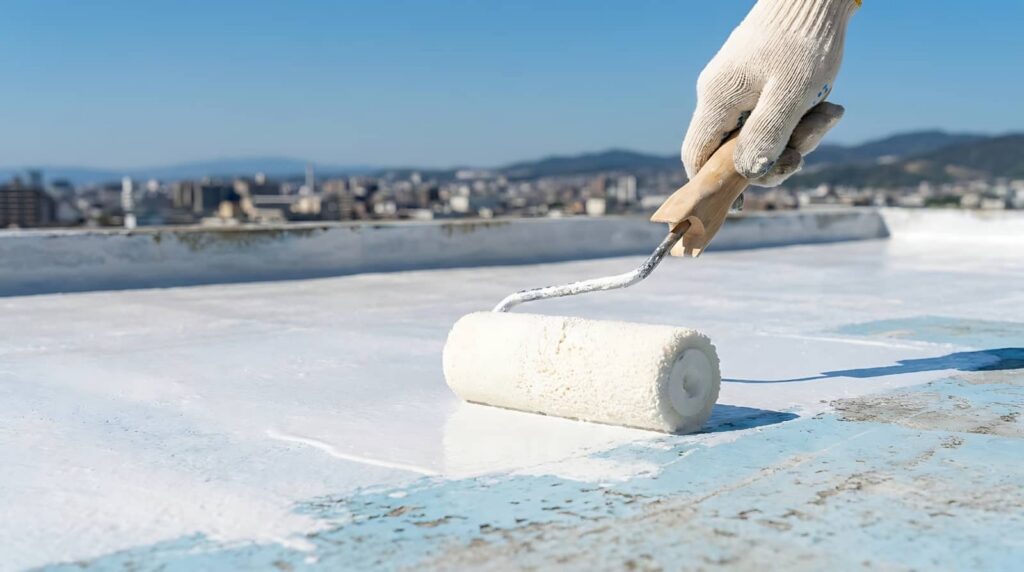
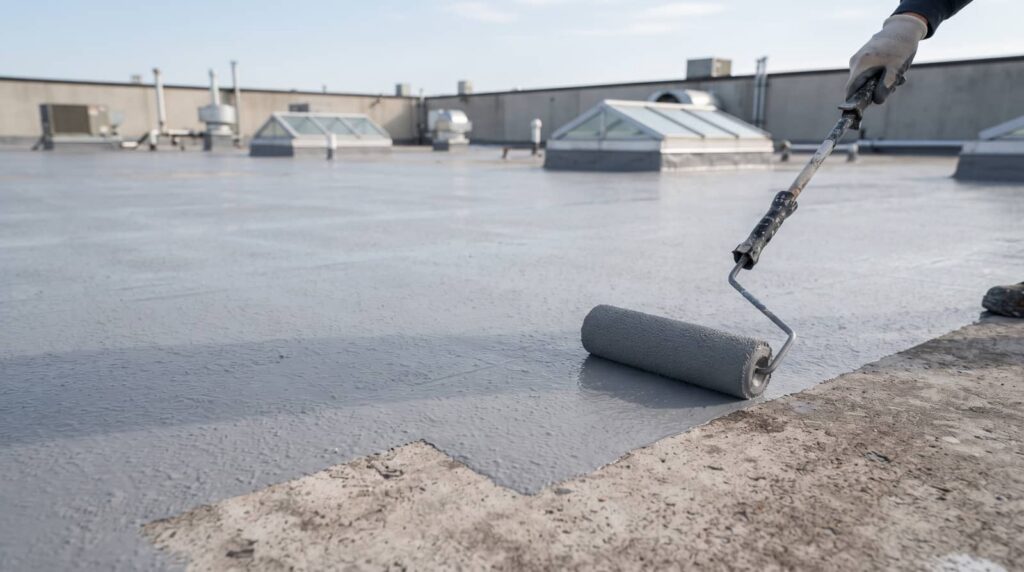
Roof coatings make sense when your existing roof is structurally sound, dry, and free of widespread deck or insulation damage, so the surface can support proper adhesion.
You can reduce replacement costs and extend service life when the system is stable enough for a coating to add protection rather than mask deeper failures.
This approach works best for targeted repairs, including weathering, minor leaks, and UV or ponding-related wear on compatible warehouse roofing systems.
Coating-Ready Roof Conditions
When your warehouse roof is structurally sound and the membrane is still largely intact, a coating system can be a cost-effective repair option. You should confirm the deck, insulation, and supports aren’t compromised, because coatings won’t correct movement, rot, or wet substrate.
Look for stable seams, limited flashing distress, and only minor surface cracking, blistering, or oxidation. You’ll also need a roof that can be cleaned, dried, and properly prepared so the coating bonds uniformly.
If you manage a facility with a maintenance-minded team, this approach can fit your planning goals when you want to extend service without disruptive tear-off work.
In practice, coating-ready roofs are those that need surface restoration, not structural rescue. That distinction helps your team make a confident, technically sound decision.
Cost Savings And Longevity
A well-timed roof coating can deliver two major advantages: lower upfront cost and extended service life. You avoid full tear-off labor, reduce disposal fees, and keep operations moving with less interruption.
When you choose a compatible coating system, you reinforce weather resistance and slow UV-driven aging, which helps your roof stay in service longer. That means you’re protecting capital while keeping your facility aligned with performance goals.
- Lower project cost than replacement
- Less downtime for crews and tenants
- Better resistance to sun and standing water
- Longer maintenance intervals for your team
Ideal Repair Applications
If your warehouse roof still has a structurally sound substrate, roof coatings can be a practical repair option for restoring performance without a full replacement. You should consider them when leaks are isolated, seams are aging, or weathered membranes need added protection.
Coatings work well on low-slope systems that remain dry, stable, and properly adhered. They’re also a strong fit when you want to extend service life, improve reflectivity, and reduce disruption to operations.
Before you proceed, you need to confirm that trapped moisture, saturated insulation, or major deck damage isn’t present. A qualified roof assessment helps you align the repair with your building’s needs.
When the conditions are right, coatings let your team preserve asset value and stay in control together.
When You Need Partial Roof Replacement
Partial roof replacement becomes the right solution when damage stays localized but the surrounding roof system still performs adequately. You choose it when one section shows repeated leaks, membrane failure, or structural deterioration that doesn’t extend across the full deck.
This approach lets you isolate the compromised area, match compatible materials, and restore continuity without replacing sound assemblies. It’s especially useful when you want a practical fix that keeps your facility aligned with operational demands and your maintenance team confident in the result.
- Limits disruption to active warehouse operations
- Targets damaged zones with precision
- Preserves serviceable roofing components
- Reduces waste compared with full replacement
How to Prevent Future Warehouse Roof Damage
Preventing future warehouse roof damage starts with a maintenance plan that catches minor issues before they spread across large-span roofing systems.
You should inspect seams, flashing, drains, and membrane penetrations on a scheduled cycle, then document every defect before it worsens. Keep gutters clear, restore ponding areas, and replace damaged fasteners or sealants right away.
You’ll also protect your roof by limiting unauthorized traffic and training your team to report leaks, punctures, and loose components fast.
After storms, walk the roof with a qualified contractor who understands industrial systems like yours. Use coating, insulation, and edge-metal upgrades where exposure is high.
When you stay proactive, you reduce downtime, extend roof life, and keep your facility aligned with other well-run operations.
Frequently Asked Questions
How Long Do Warehouse Roof Repairs Usually Take?
You’ll usually see warehouse roof repairs take one day to one week, depending on damage, weather, materials, and access. You can expect larger structural fixes to need more time, coordination, and inspections.
What Permits Are Needed for Commercial Roof Repairs?
Check your local building, zoning, and fire permits, plus any reroof or structural approvals. You’ll usually need drawings, contractor licensing, and inspections. Measure twice, cut once—you’ll avoid delays and keep your project compliant.
Can Repairs Be Done Without Interrupting Warehouse Operations?
Yes, you can keep operations running by scheduling phased repairs, isolating work zones, and coordinating access routes. You’ll minimize downtime with off-hours crews, temporary weatherproofing, and clear communication with your team.
How Much Does Warehouse Roof Repair Typically Cost?
How much does it cost? You’ll usually pay $3–$12 per square foot, depending on membrane type, damage, labor, and access. You can reduce costs with timely repairs, preventive inspections, and trusted contractors.
What Warranties Come With Industrial Roof Repair Work?
You’ll usually get workmanship warranties from the contractor and material warranties from manufacturers. Coverage often ranges from 1–20 years, depending on system type, repairs, and maintenance. You should verify exclusions, transferability, and inspection requirements.
Summary
By staying ahead of roof issues, you can keep your warehouse operating smoothly and avoid bigger headaches down the road. A careful inspection helps you spot leaks, ponding water, and wear before they become major concerns. With the right repair approach, you can make smart, targeted fixes that protect your investment. And when you keep up with routine maintenance, you’ll give your roof a longer, more dependable service life with fewer unwelcome surprises.