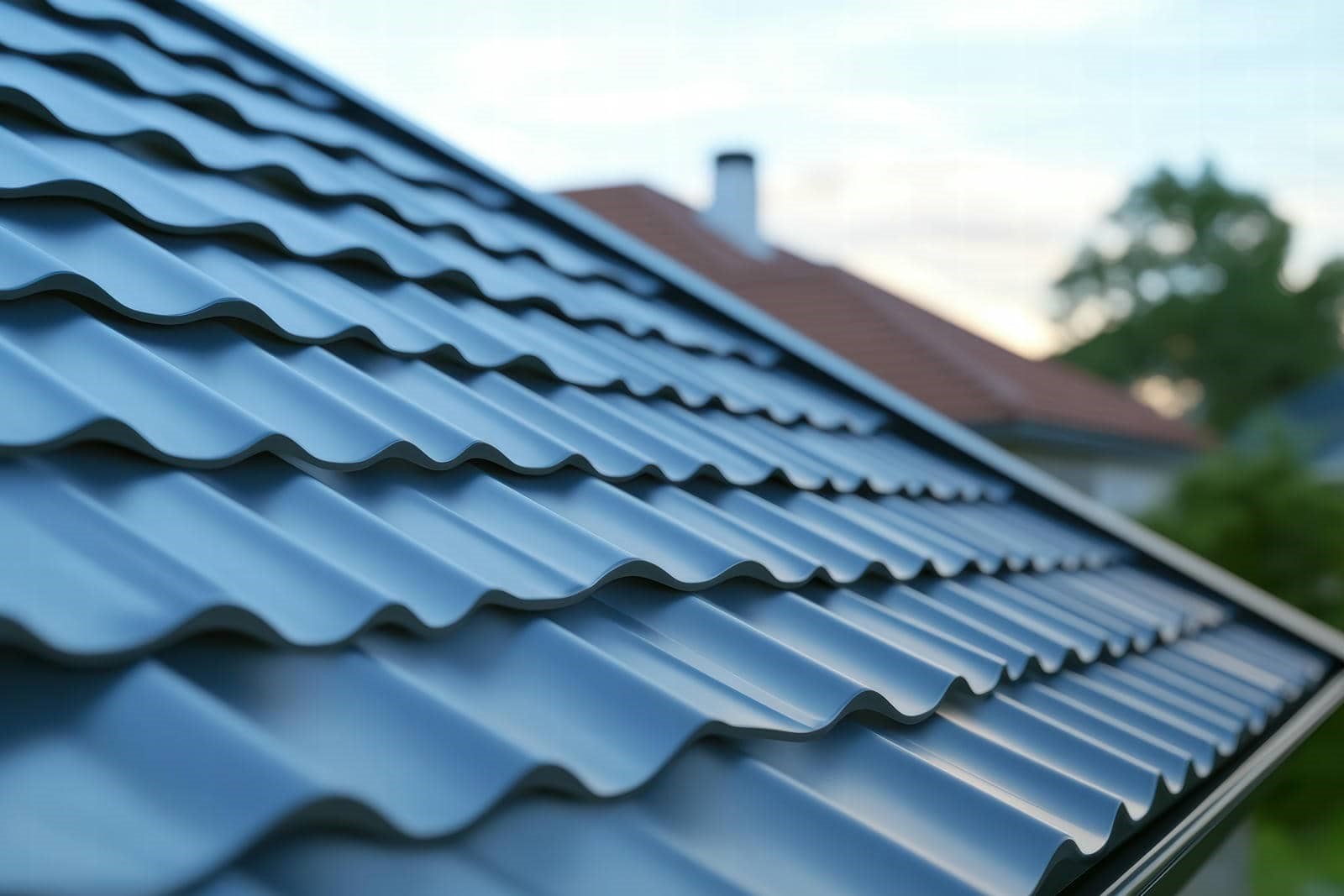
When it comes to replacing your roof, choosing a weather-resistant solution is vital. You need a system that can withstand heavy rain, high winds, and other environmental challenges. Metal roofing offers exceptional durability, while heavy-duty asphalt shingles provide a reliable option with a long lifespan. Understanding your specific climate needs and the advantages of various materials is essential for making an informed decision. Let’s explore the top choices available for your next roofing project.
Key Takeaways
- Metal roofing provides exceptional durability against harsh weather, with resistance to heavy rain, snow, and high winds, while requiring minimal maintenance.
- Heavy-duty asphalt shingles offer reliable protection, with a lifespan of over 30 years, combining strength and aesthetic appeal for community belonging.
- Impact-resistant materials enhance durability and feature superior waterproofing systems, crucial for protecting homes from water damage in extreme conditions.
- Energy-efficient options like solar shingles minimize heat loss and generate clean energy, aligning with sustainability goals and reducing utility bills.
- Durable membrane roofing systems, such as TPO and EPDM, provide resilience in harsh climates, offering various installation techniques for optimal performance.
Benefits of Metal Roofing for Weather Resistance
When considering roofing options, you’ll find that metal roofing stands out for its exceptional weather resistance. One of the primary metal roofing benefits is its ability to withstand harsh conditions, including heavy rain, snow, and high winds. The materials used, often galvanized steel or aluminum, feature protective coatings that enhance durability and longevity.
Additionally, metal roofing’s weather resistance features include its non-porous surface, which prevents water infiltration and reduces the risk of mold and mildew growth. This type of roofing reflects sunlight, helping to reduce heat absorption and maintain a comfortable indoor climate during hot months.
You’ll also appreciate the minimal maintenance requirements, as metal roofs are less likely to warp or crack compared to traditional materials.
Heavy-Duty Asphalt Shingles: A Reliable Choice
Heavy-duty asphalt shingles offer a robust alternative for homeowners seeking reliable roofing solutions. With their heavy-duty durability, these shingles stand strong against harsh weather conditions, ensuring your home remains protected year-round. Designed to withstand high winds, heavy rain, and snow, they provide exceptional performance and peace of mind.
One of the key advantages of heavy-duty asphalt shingles is their impressive asphalt longevity. These shingles typically last longer than standard options, with lifespans reaching up to 30 years or more with proper maintenance. This longevity saves you money on replacements and enhances your home’s value.
When you choose heavy-duty asphalt shingles, you’re investing in a roofing solution that combines strength, reliability, and aesthetic appeal.
Whether you’re upgrading your existing roof or building a new home, these shingles can meet your needs while fostering a sense of belonging in your community. Your roof is your first line of defense—choose wisely.
Energy-Efficient Roofing Solutions
As homeowners increasingly prioritize sustainability, energy-efficient roofing solutions have gained popularity for their ability to reduce energy consumption and lower utility bills.
One standout option is solar shingles, which seamlessly integrate into your roof while generating clean energy. These shingles serve as a roofing material and act as a power source, helping you offset energy costs considerably.
Additionally, selecting the right insulation types can further enhance your roof’s energy efficiency. High-quality insulation minimizes heat loss in winter and keeps your home cooler in summer, making your HVAC system work less.
When considering energy-efficient roofing, it’s essential to explore various materials and technologies that align with your sustainability goals. By investing in these solutions, you’re contributing to a greener planet while enjoying the comfort and savings that come from reduced energy demands.
Your roof can be both functional and eco-friendly, reflecting your values as a responsible homeowner.
Key Features of Weather-Resistant Roofs
While energy-efficient roofing solutions focus on minimizing energy consumption, weather-resistant roofs play an essential role in protecting your home from the elements.
These roofs feature key design elements that enhance durability, such as impact-resistant materials and superior waterproofing systems. When selecting your roofing, consider options like metal, slate, or synthetic materials, each offering unique benefits against harsh weather.
Proper installation techniques are critical to ensure maximum performance. This includes using high-quality underlayment, strategically placed flashing, and secure fasteners that withstand wind uplift.
Seamless integration with existing structures and attention to ventilation will further enhance your roof’s longevity.
Commercial Roofing Options for Harsh Climates
When selecting roofing for commercial buildings in harsh climates, durability and energy efficiency are paramount.
Durable membrane roofing systems offer exceptional resistance to extreme weather conditions, while energy-efficient metal roofing can greatly reduce cooling costs.
Understanding these options will help you make informed decisions that protect your investment and ensure long-term performance.
Durable Membrane Roofing Systems
Durable membrane roofing systems offer a reliable solution for commercial buildings situated in harsh climates, providing both resilience and longevity.
You can choose from various membrane types, including TPO, PVC, and EPDM, each designed to withstand extreme weather conditions. These materials are lightweight yet strong, making them ideal for your roofing needs.
When considering installation techniques, you’ll find options like mechanically attached, fully adhered, or ballasted systems. Each method has its advantages, catering to specific structural requirements and climate challenges.
By selecting the right membrane type and installation technique, you’ll ensure that your commercial property is protected against harsh elements, ultimately enhancing its durability and extending its lifespan.
Your investment in quality roofing is an essential step towards long-term building integrity.
Energy-Efficient Metal Roofing
Considering the demanding conditions often faced in harsh climates, energy-efficient metal roofing emerges as a superior choice for commercial buildings.
With a variety of metal roofing types available, you can select options such as standing seam or corrugated panels to best suit your needs. These roofs are designed to reflect solar heat, reducing energy costs and enhancing comfort within your facility.
Additionally, the wide range of metal roofing colors allows for aesthetic versatility, ensuring your building remains visually appealing while benefiting from energy efficiency.
Advantages of Flat Roof Restoration
Flat roof restoration offers a cost-effective maintenance solution that can extend the lifespan of your roofing system.
By opting for restoration, you save on replacement costs and enhance your building’s energy efficiency.
This dual benefit makes restoration an appealing choice for many property owners.
Cost-Effective Maintenance Approach
While many property owners overlook roof maintenance, opting for flat roof restoration can be a smart, cost-effective choice that extends the life of your roofing system.
By implementing a structured maintenance schedule, you can considerably reduce long-term repair costs and avoid unexpected expenses. Conducting a thorough cost analysis before and after restoration helps you identify savings and allocate resources efficiently.
Regular inspections and timely repairs prevent minor issues from escalating into major problems, ensuring your flat roof remains durable and weather-resistant. This proactive approach safeguards your investment and enhances your property’s value.
Ultimately, prioritizing flat roof restoration through effective maintenance practices fosters a strong sense of community among property owners committed to preserving their buildings.
Enhanced Energy Efficiency Benefits
When you invest in flat roof restoration, you’re not just enhancing the roof’s durability; you’re also reaping significant energy efficiency benefits.
A well-restored flat roof can greatly improve energy conservation by reducing heat absorption and minimizing energy costs. This means your HVAC system won’t work as hard, leading to lower energy bills and a smaller carbon footprint.
By choosing reflective materials or insulating layers, you actively contribute to reducing the climate impact of your property. This supports your financial goals and aligns with a growing community focused on sustainability.
You’re making a choice that benefits both your wallet and the environment, fostering a sense of belonging to a collective effort toward energy-efficient living.
Maintenance Tips for Weather-Resistant Roofs
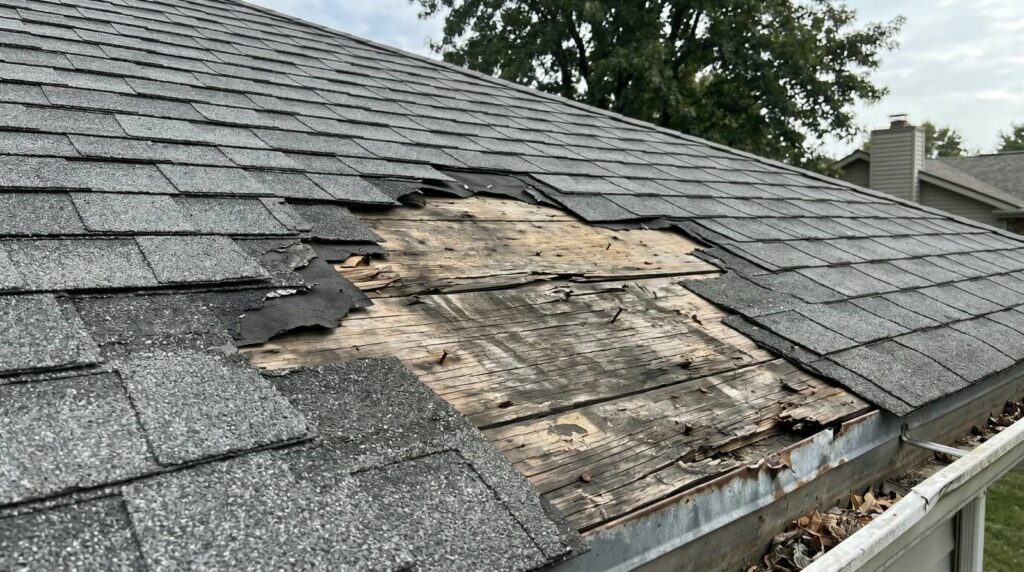
Regular maintenance is essential for ensuring the longevity and effectiveness of weather-resistant roofs. Start by scheduling regular roof inspections at least twice a year, ideally in spring and fall. These inspections help identify any damage or wear that could compromise your roof’s integrity. Look for loose shingles, cracks, or signs of water infiltration.
Seasonal maintenance is equally important. After heavy storms, clear debris such as leaves and branches to prevent water pooling. Verify gutters are clean and functioning properly to direct water away from the roof. If you have a flat roof, check for standing water and address drainage issues promptly.
Additionally, consider applying a protective sealant as needed, which can enhance your roof’s durability against harsh elements.
Comparing Different Roofing Materials
As you explore the various roofing materials available, understanding their unique characteristics and benefits can greatly impact your decision.
When making roofing comparisons, consider options like asphalt shingles, metal roofing, and slate. Asphalt shingles are affordable and offer decent durability, but may not withstand extreme weather as well as metal or slate.
Metal roofing, known for its longevity and resistance to harsh conditions, can be a great choice for those prioritizing durability. Slate, while more expensive, provides exceptional resilience and aesthetic appeal, making it a favored option for upscale homes.
Each of these materials has different lifespans and maintenance requirements, so you’ll want to weigh their performance against your specific needs.
By focusing on material durability, you’ll ensure your new roof protects your home and enhances its value.
Ultimately, choosing the right roofing material fosters a sense of belonging and pride in your property.
Long-Term Cost Benefits of Weather-Resistant Roofing
Investing in weather-resistant roofing can considerably reduce long-term costs, especially when considering maintenance and repair expenses.
By opting for these durable materials, you’re not just enhancing your home’s integrity; you’re also ensuring substantial long-term savings.
Here’s how weather-resistant roofing benefits your wallet over time:
Extended roofing lifespan: High-quality materials can last decades, reducing the frequency of replacements.
Lower maintenance costs: These roofs withstand extreme weather, minimizing the need for repairs.
Energy efficiency: Many weather-resistant options offer better insulation, leading to reduced energy bills.
Increased property value: A durable roof enhances your home’s market appeal, making it a wise investment.
Frequently Asked Questions
How Do Weather-Resistant Roofs Perform in Extreme Temperatures?
Weather-resistant roofs excel in extreme temperatures by providing excellent thermal insulation. They minimize temperature fluctuations, ensuring your home’s interior remains comfortable. This performance protects your investment and enhances the overall quality of your living environment.
What Is the Lifespan of Weather-Resistant Roofing Materials?
Weather-resistant roofing materials can last anywhere from 20 to 50 years, depending on lifespan factors like installation quality and material comparisons. Choosing wisely ensures your roof stands strong against the elements and enhances your home’s value.
Are There Eco-Friendly Options for Weather-Resistant Roofing?
Yes, you can find eco-friendly options for weather-resistant roofing, like roofing made from recycled materials or green materials such as metal and slate. These solutions promote sustainable practices while ensuring durability and efficiency for your home.
How Do I Choose the Right Roofing Contractor for Installation?
Choosing the right roofing contractor is like finding a skilled artisan. Check their qualifications, review past projects, and understand the installation process. This ensures your roof’s resilience and longevity, giving you peace of mind for years.
What Warranties Are Available for Weather-Resistant Roofing Products?
You’ll find various warranties available, including limited lifetime warranties and specific product ensures. Warranty coverage often varies by manufacturer, so it’s crucial to review terms carefully to ensure adequate protection for your investment.
Review
In the quest for a roof that can weather any storm, choosing the right materials is key. Whether you opt for the rugged resilience of metal roofing or the time-tested reliability of heavy-duty asphalt shingles, each solution offers unique benefits. By investing in weather-resistant options, you’re not just protecting your home; you’re fortifying it against nature’s fury. With the right care and maintenance, your roof can stand strong, like a steadfast guardian, over your home for years to come.