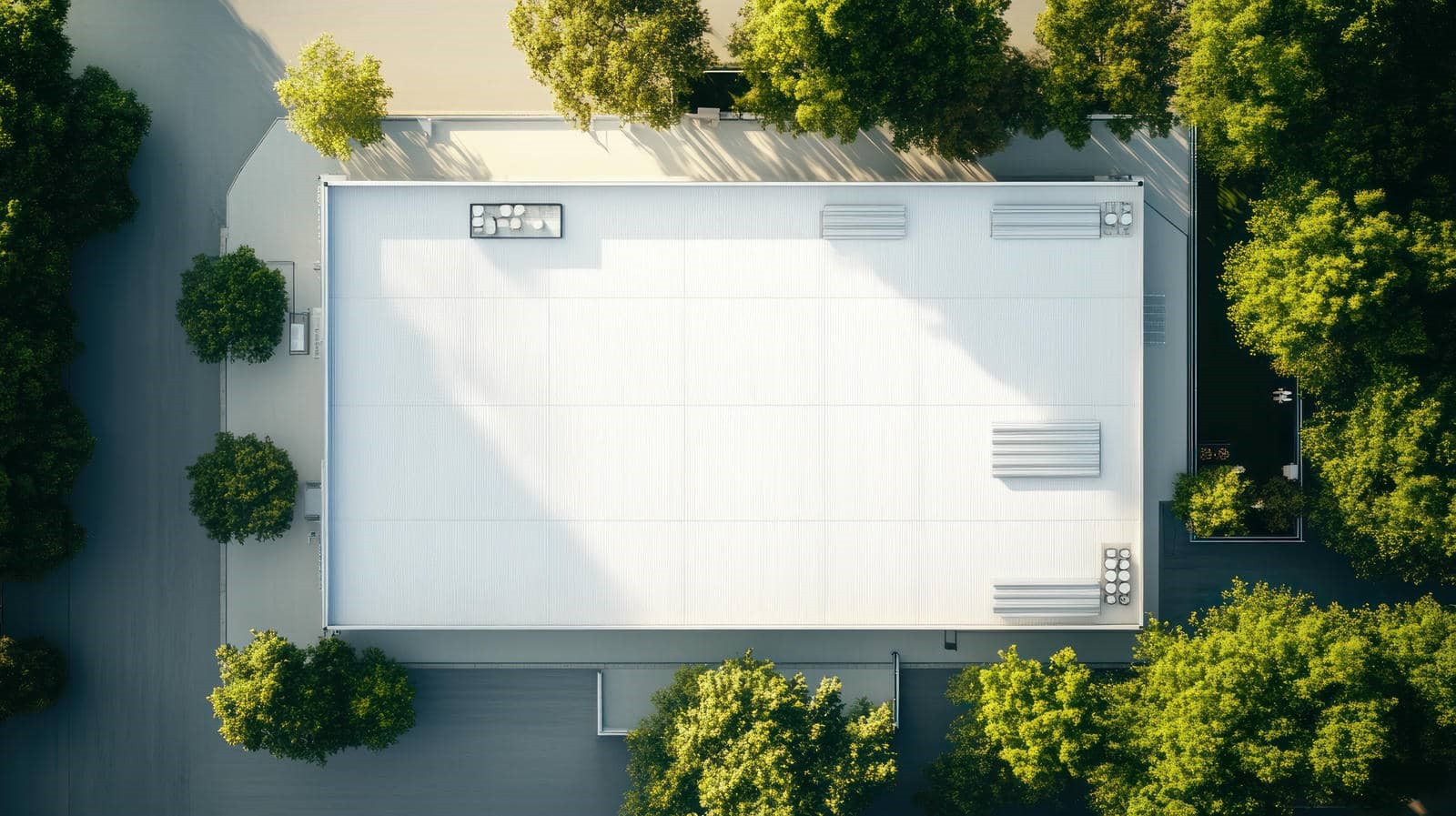
If your roof is starting to show its age, you’ve likely got a few options to evaluate. Flat roof installation methods aren’t one-size-fits-all; you can use built-up systems, modified bitumen, or EPDM and TPO membranes, depending on deck type, climate, and budget. The way you install it also affects drainage and pooling, which can make or break the roof’s service life.
Key Takeaways
- Adhered, mechanically fastened, and fully bonded systems are the main flat roof installation methods.
- Built-up roofing uses layered asphalt and gravel for durable, UV-resistant protection.
- Modified bitumen roofs can be torch-applied, cold-adhered, or self-adhered for flexible installation.
- EPDM offers flexible waterproofing, while TPO provides reflective, heat-weldable seams.
- Proper slope, seam placement, and fastener control are essential for drainage and roof longevity.
Main Flat Roof Installation Methods
There are several main flat roof installation methods you can choose from, and each one affects how the roof performs, drains, and lasts over time.
When you review flat roof installation methods explained, you’ll usually compare adhered, mechanically fastened, and fully bonded systems. You’ll want to match the method to your deck, climate, and budget, because each option handles wind and water differently.
Adhered systems give you a smooth surface and strong sealing.
Mechanically fastened systems help you work efficiently and support repairs.
Fully bonded systems create a tight, consistent attachment that can improve stability.
You’re not just picking materials; you’re choosing how your roof will fit with your building and your team’s long-term goals.
Built-Up Roofing Systems
You’ll also get a gravel surfacing layer that protects the membrane from UV exposure and reduces fire risk. This assembly can boost durability and drainage when you install and maintain it correctly.
Layered Asphalt Protection
When you need a flat roof that can handle heavy use and repeated weather exposure, layered asphalt protection offers a proven built-up roofing system.
You install alternating plies of roofing felt and hot or cold-applied asphalt to create a sealed, redundant membrane. Each layer bonds to the next, so if one section gets stressed, the system still protects your building.
You can also reinforce weak points around parapets, drains, and penetrations with extra ply sheets. This method suits teams that value dependable performance and straightforward maintenance.
You should inspect seams, blisters, and splits on a regular schedule, then address them before moisture spreads.
When you choose this system, you’re joining a long-standing group of owners who rely on durable, time-tested roof protection.
Gravel Surface Benefits
A gravel surface adds durable ballast and UV protection to a built-up roofing system, helping you extend membrane life and resist weathering.
You also gain a tougher top layer that supports your crew’s confidence during service checks and minor repairs. The stone cover helps:
- limit wind uplift on exposed roofs
- shield asphalt from sun damage
- reduce surface erosion from rain
- improve fire resistance and impact resistance
When you choose the right aggregate size and depth, you keep drainage paths open while maintaining stable coverage.
This method fits teams that value dependable performance, shared standards, and fewer premature replacements.
With proper installation, you’ll protect the roof assembly and strengthen your building’s long-term reliability.
Modified Bitumen Roofs
You can install them with torch-applied, cold-adhered, or self-adhered methods, depending on your site conditions and safety plan. You’ll get strong puncture resistance, reliable seams, and good performance on low-slope roofs that see regular foot traffic or weather stress.
During installation, you need a clean, dry deck, proper insulation, and careful detailing at seams, drains, and penetrations. Skilled crews heat or bond each layer to form a continuous barrier.
If you’re aiming for a roof system your team can trust, modified bitumen gives you a proven, familiar option that balances durability, repairability, and installation control.
EPDM and TPO Membranes
When you choose EPDM, you get a durable, flexible membrane that handles UV exposure and thermal movement well.
TPO gives you a reflective, heat-weldable surface that can improve energy performance and simplify seam detailing.
Both options can support reliable drainage and long service life when you install them correctly.
EPDM Membrane Benefits
EPDM membranes give your flat roof a durable, flexible waterproof layer that handles temperature swings well and resists UV exposure, making them a strong choice for long-term performance.
You’ll join many owners who value a system that stays stable, even when weather shifts fast. Properly installed, it helps limit cracking, splits, and premature wear.
- It flexes with structural movement.
- It supports consistent watertight coverage.
- It needs minimal surface maintenance.
- It fits many roof shapes and details.
You can trust its proven service life when you want a practical, low-drama solution.
With sound flashing and clean seams, EPDM helps your roof perform efficiently and keeps your building protected season after season.
TPO Membrane Advantages
TPO membranes give you a reflective, heat-weldable roofing surface that can improve energy performance and create strong seam integrity on flat roofs.
You’ll often choose it when you want a clean, modern system that helps reduce cooling loads and supports consistent drainage performance. Because installers heat-weld the seams, you get fewer weak points than with some mechanically fastened details.
TPO also resists UV exposure, punctures, and chemical contaminants, so it fits well on commercial roofs with heavy service traffic.
If you’re comparing systems, you’ll notice TPO can balance cost, durability, and maintenance demands.
When your team follows proper installation practices, you join a system built for long-term efficiency, reliable weather resistance, and a professional finish that feels like it belongs.
How Installation Methods Affect Drainage
Installation methods directly shape how water moves across a flat roof, so the system you choose must support the designed slope and drainage points.
When you set panels, seams, or fasteners with precision, you help water reach drains instead of pooling at low spots. You also reduce stress on joints, which keeps the roof performing with your crew’s standards in mind.
Key drainage effects include:
- Proper slope alignment
- Seam placement control
- Fastener penetration limits
- Edge and drain detailing
If you skip these details, water can linger, add weight, and accelerate wear.
When you install consistently, you protect the membrane and keep the roof working as a team asset.
How to Choose the Right Flat Roof Method
How do you choose the right flat roof method? Start by matching the system to your building’s load, slope, climate, and budget.
You’ll want to compare membrane durability, insulation value, and seam reliability, then check whether your roof needs fast installation or long-term service life.
If your structure sees standing water, prioritize methods with strong drainage support and tight waterproofing.
For busy teams, choose systems with familiar repair procedures and accessible materials.
Ask for manufacturer specs, warranty terms, and local code approval.
You should also consider maintenance access, because a roof that’s easy to inspect usually lasts longer.
When you balance performance and cost, you’ll fit in with informed owners who plan ahead and protect the whole building.
Final Thoughts
You’ve seen the main flat roof installation methods, but one theory is worth testing: the “best” system isn’t always the strongest membrane, it’s the one that manages water most effectively. That holds true in practice. If you choose the wrong method for your deck, climate, or budget, you invite ponding, leaks, and premature failure. Match the system to your structure, and you’ll improve drainage, simplify maintenance, and extend roof life.