Most homeowners don’t realize a roof install can hinge on permit timing and material staging before a crew even arrives. Your timeline usually runs from a single day to several days, but roof size, pitch, weather, and tear-off complexity can shift it fast. Knowing what happens before, during, and after installation helps you plan with fewer surprises, and one overlooked detail can still push the schedule.
Key Takeaways
- Roof installation usually takes one to several days, depending on roof size, material, and design complexity.
- Asphalt shingle roofs are typically faster to install than complex roofs with valleys, dormers, or steep pitches.
- Weather, inspections, permit approval, and material backorders can all delay the project timeline.
- Pre-installation planning, including roof inspection, material delivery, and site preparation, helps avoid delays.
- Cleanup and final inspection often happen the same day, but larger jobs or weather issues may extend completion.
How Long Does Roof Installation Take?
The time it takes to install a roof depends on factors like roof size, pitch, material, weather, and crew availability.
For most homes, you can expect the roof installation timeline for homeowners to run from one day to several days. A straightforward asphalt job often finishes quickly, while larger or more complex roofs take longer.
Your contractor should give you a clear schedule before work starts, so you know when crews will arrive and when the job should wrap up. You’ll also get a better sense of progress if you stay in contact during the project.
In your local roofing community, clear planning helps you prepare, reduce disruption, and keep expectations realistic while your new roof is installed.
What Affects Your Roof Installation Timeline?
Your roof installation timeline depends first on roof size and pitch, since larger or steeper roofs take more labor and safety setup.
Material choice also affects speed because some systems install faster than others.
Weather conditions can slow crews or force delays, so your schedule isn’t fixed until site conditions stay stable.
Roof Size And Pitch
If your home has a simple, low-slope design, crews can move faster and work in cleaner, longer runs. Steeper pitches slow progress because installers need more safety setup, careful footing, and tighter movement across each section.
Complex roof layouts also add time when valleys, dormers, and multiple planes break up the work. You can expect your project to stay on schedule when the roof geometry is straightforward and access is easy.
When you understand your roof’s size and slope, you’re better prepared to plan with your crew and feel confident about the timeline.
Material And Weather Conditions
Material availability and weather can shift your roof installation timeline just as much as roof size or pitch. If your chosen shingles, underlayment, flashing, or fasteners are on backorder, you’ll wait while your crew schedules around deliveries. Specialty products can add days, while standard materials usually move faster.
Weather matters just as much. Rain, snow, high winds, extreme heat, or icy surfaces can force delays because installers need safe footing and dry decking. Even after a storm, your team may need extra time to inspect for hidden moisture damage before they start.
You’ll stay on track by approving materials early, keeping flexible dates, and working with a contractor who monitors forecasts closely. That way, you join the process prepared, not surprised.
What Happens Before Roof Installation Starts?
Before roof installation starts, you’ll need a roof inspection to confirm the deck, flashing, and underlayment conditions.
You’ll also handle permit approval and material prep so the crew has the right products, fasteners, and staging plan on site.
These steps help prevent delays and keep your timeline on track.
Roof Inspection
First, a roof inspection identifies the condition of the existing system so your contractor can plan the installation accurately.
You’ll usually see a technician check shingles, flashing, underlayment, vents, gutters, and deck stability. They look for leaks, soft spots, rot, and previous repair layers that can affect labor time.
You may also hear them measure slopes, verify roof size, and note access points for crews and equipment. This step helps your team catch hidden issues before work begins, so you’re not surprised later.
If the inspector finds damage, your contractor can explain what needs attention and how it may affect the schedule.
A thorough inspection keeps everyone aligned, reduces delays, and helps your household feel prepared for the project.
Permit And Material Prep
Once your inspection is complete, your contractor usually handles permits and orders materials so the crew can start on schedule.
You’ll want to confirm the permit status early, since local offices can delay work if documents are missing or incorrect.
Your contractor should match the roofing system, underlayment, flashing, vents, and fasteners to your roof design and code requirements.
Material prep also includes checking delivery dates, color lot consistency, and quantity so you’re not waiting mid-project.
If your home has access limits, tight parking, or HOA rules, share those now to avoid hold-ups.
This step keeps your timeline predictable and helps your crew arrive ready.
When everything’s approved and staged, you’re set for a smooth start with fewer surprises.
How Weather Delays Roof Installation
Weather can slow a roof installation fast because crews need safe, dry conditions to remove old materials, lay underlayment, and secure shingles or panels properly.
You may see delays from rain, snow, high winds, or extreme heat, since each can make surfaces unsafe or materials harder to handle. Moisture can trap underlayment problems, and wind can lift loose sections before crews finish fastening them.
If storms move in, your contractor may stop work, cover the deck, and return when conditions improve. That pause protects your home and the crew.
You’ll stay on track better when you plan for seasonal weather windows and stay in touch with your installer. A good team will update you quickly, reschedule efficiently, and keep your project moving with clear communication.
How Roof Size and Pitch Affect the Schedule
Even when the forecast cooperates, your roof’s size and pitch can still shape how long installation takes. A larger roof needs more shingles, underlayment, flashing, and fasteners, so your crew spends more time measuring, staging, and covering each section.
Complex hips, valleys, dormers, and multiple planes also slow progress because installers must cut materials precisely and maintain clean lines. Pitch matters too. A steep roof limits footing, so workers move more carefully, use extra safety gear, and often advance in smaller sections.
Low-slope roofs can install faster, but drainage details may require added attention. If your home has both a big footprint and a sharp pitch, expect the schedule to stretch. You’ll get the best estimate when your contractor reviews dimensions, slope, and roof complexity together.
What Happens on Roof Installation Day?
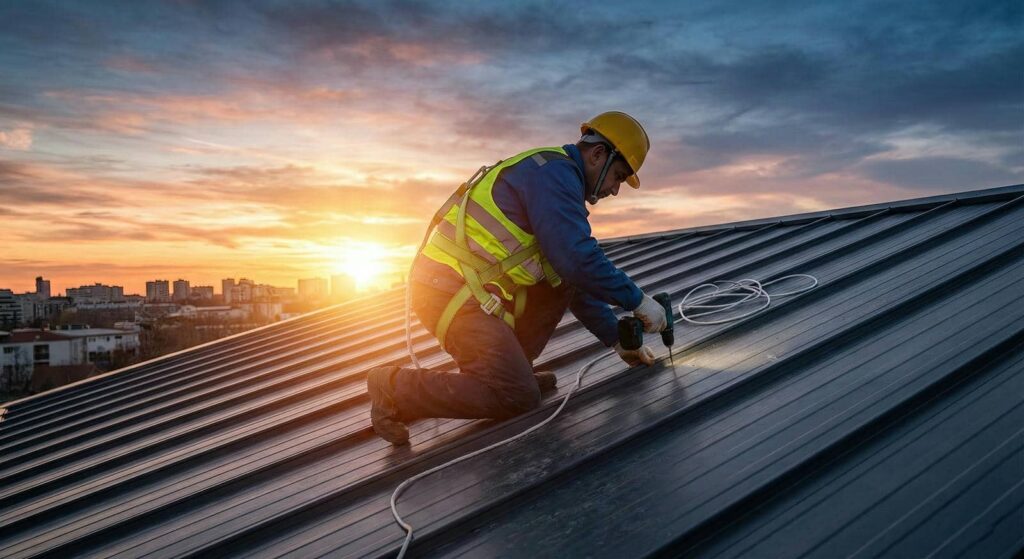
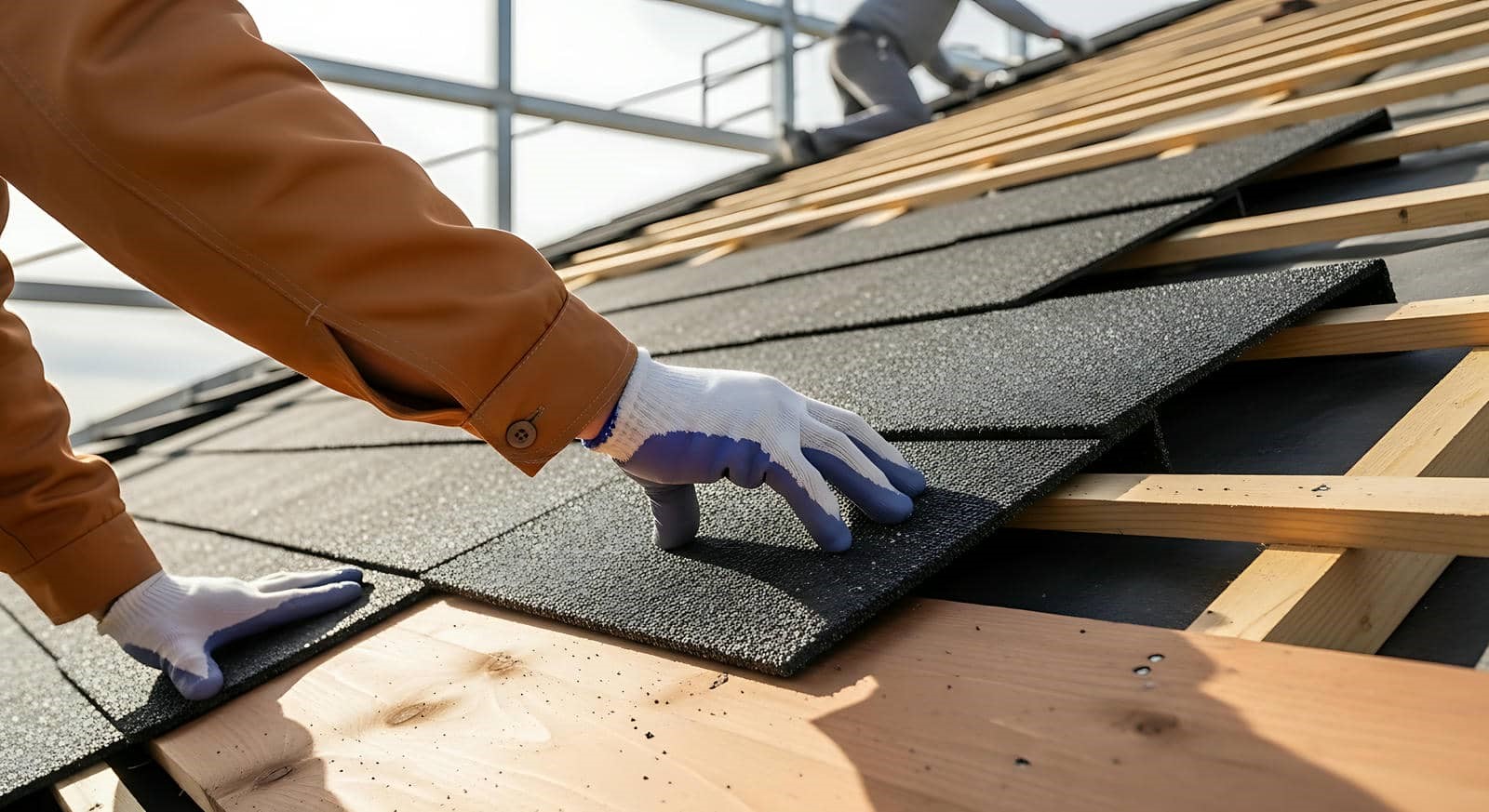
On installation day, your crew usually starts by protecting the site and removing the old roofing materials. Then they inspect the deck for damage before installing underlayment, flashing, and the new shingles or panels.
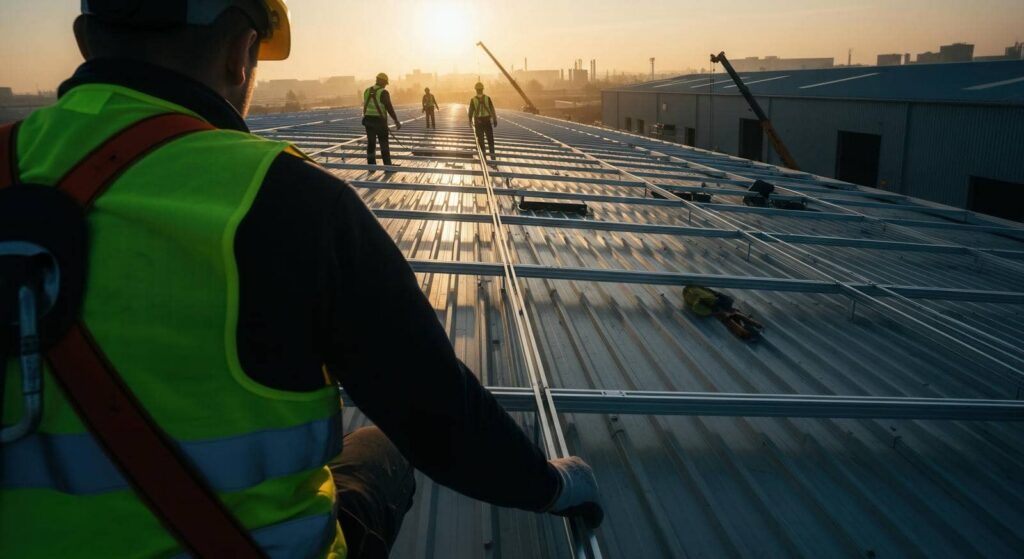
You’ll see materials staged neatly, tools organized, and safety lines set so the team can work efficiently. Crews then fasten the roofing system in sections, checking alignment, nail placement, and seal points as they go.
You may hear cutting and hammering, but the process should stay orderly. A foreman often keeps you updated on progress and any field adjustments.
How Long Does Tear-Off and Prep Take?
Tear-off and prep usually take a few hours to a full day, though larger roofs or roofs with multiple layers can take longer.
Your crew starts by stripping old shingles, flashing, and underlayment, then checks the deck for soft spots, rot, or loose fasteners. If they find damage, they’ll repair it before new materials go on.
They also lay down protective coverings, set up ventilation details, and stage materials so your roof stays organized and efficient.
Weather, roof steepness, and access points can slow the pace, but a well-prepped site keeps the job moving.
You’ll get the best results when you let your contractor handle the sequence, because each step supports the next and helps your home join the ranks of properly installed, long-lasting roofs.
How Long Does Cleanup and Inspection Take?
Once the new roofing materials are in place, your crew usually spends a few hours on cleanup and final inspection. During this phase, they remove nails, packaging, shingle scraps, and tarps, then sweep magnetically for stray fasteners.
They check flashing, vents, ridge caps, and sealant lines to confirm everything’s secure and weather-tight. You may see a supervisor walk the roof, inspect edges, and verify that penetrations match the work order.
If your project includes gutters, they’ll clear debris and test drainage. Most cleanups finish the same day, but larger roofs or weather delays can add time.
The inspection itself is typically quick unless the crew finds an issue. That final check helps you join the finished-roof crowd with confidence.
How to Plan for Roof Installation
To plan for roof installation, start by scheduling a site visit so the contractor can measure the roof, assess its condition, and confirm material and labor needs.
You should then review the scope, product options, warranty terms, and any code requirements before you sign. Ask about permit timing, delivery dates, and crew size, since these factors shape your start date and total timeline.
Clear driveways, attic access, and landscaping early so the team can work efficiently and safely. If you belong to an HOA, confirm approval now to avoid delays.
Keep weather, inspections, and material backorders in mind, and build a small buffer into your schedule.
When you prepare this way, you help your crew stay on track and finish with fewer surprises.
Summary
A roof installation usually takes one to several days, but your schedule depends on roof size, pitch, material, and weather. You can reduce delays by completing inspections, permits, and prep before crews arrive. On installation day, expect tear-off, staging, and safety checks to move quickly, while cleanup and final inspection finish the job. Build in a buffer, because roofing timelines can shift like clouds before a storm.