When you spot water stains, peeling paint, or a musty attic smell, your roof may already be failing. You need to act fast, because small leaks often point to flashing gaps, damaged shingles, or worn underlayment. This Roof Repair Guide will help you understand the most common causes of roof damage and what to look for before deciding on the best solution. Some repairs are straightforward, but others need a careful assessment before the damage spreads. The right fix depends on what’s failing, and the details matter more than you might think.
Key Takeaways
- Watch for early leak signs like ceiling stains, peeling paint, damp insulation, or musty attic odors.
- Repair localized roof damage quickly before small leaks spread and cause larger structural problems.
- Use durable fixes like full shingle replacement, proper flashing, and reinforced membrane patches.
- Keep gutters clear and remove debris to prevent trapped moisture and water intrusion.
- Hire a professional roofer to find root causes and ensure repairs meet local standards.
Early Signs of a Roof Leak
How do you spot a roof leak before it causes major damage? You’ll often see subtle clues first: water stains on ceilings, peeling paint, damp insulation, or a musty odor in attic spaces.
Check for discoloration around vents, chimneys, and skylights, and look for warped drywall or bubbling surfaces after heavy rain. You may also notice drips, mold spots, or daylight showing through roof boards.
Inspect your attic with a flashlight and note any wet framing or rusted fasteners. When you catch these signs early, roof repair can address the issue before it spreads.
Common Causes of Roof Damage
Roof damage often starts with a few predictable problems, and you can usually trace a leak or failure back to weather exposure, aging materials, or poor installation.
You’re most likely to see shingle wear from UV breakdown, lifted edges from wind, and cracked flashing around chimneys, vents, or skylights. Hail can bruise membranes and loosen granules, while standing water stresses low-slope sections and accelerates decay.
Debris buildup traps moisture, and clogged gutters push water under the edge system. You also need to watch for thermal expansion, which can open seams over time.
If your roof was installed without proper fastening, underlayment, or ventilation, small defects can spread fast. Knowing these patterns helps you stay ahead of trouble and protect your home with confidence.
When Roof Repair Makes Sense
When damage is limited to a specific area, roof repair is often the smartest and most cost-effective fix. You should choose it when a few shingles, flashing sections, or seal points fail, but the rest of the roof still performs well.
This approach makes sense after a storm, when isolated leaks appear, or when wear stays localized around vents, chimneys, or valleys. By acting early, you protect your home, avoid larger disruptions, and stay aligned with a practical maintenance plan.
You also keep your roofing system working with the rest of your house, which matters when you want dependable protection and a neighborhood-ready appearance. A targeted repair lets you address the issue efficiently without committing to a bigger project.
Roof Repair Methods That Last
Reliable roof repairs start with matching the fix to the failure.
You can seal small flashing gaps with high-quality roofing cement, but only after you clean and dry the area.
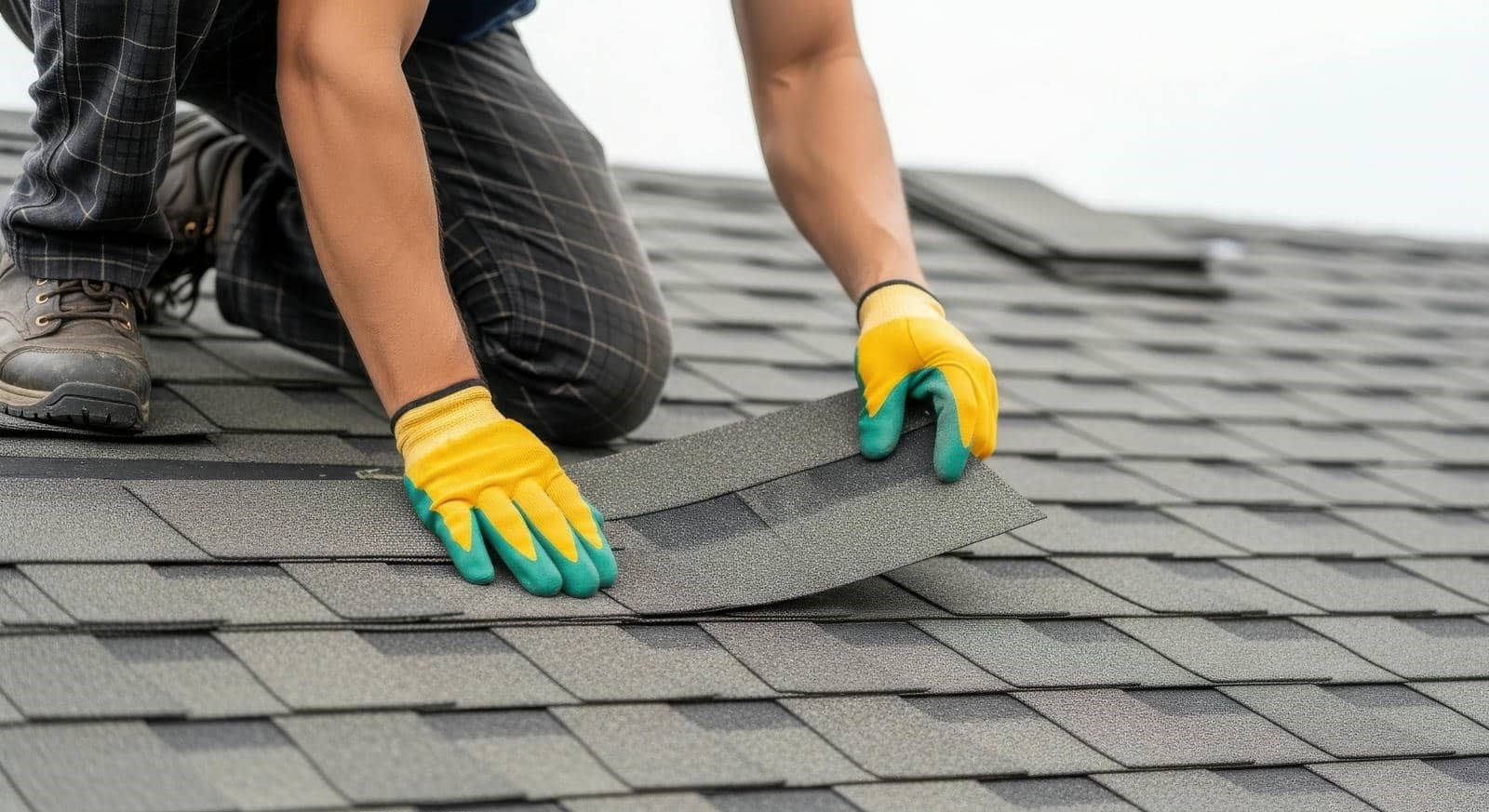
For damaged shingles, you should replace the full unit instead of patching the surface, since a tight overlap keeps water moving off the roof.
If a leak comes from a nail pop, back out the fastener, add sealant, and reset it with a corrosion-resistant replacement.
Around vents, chimneys, and skylights, you need new flashing and compatible sealant to restore a continuous barrier.
On flat roofs, use reinforced membrane patches with rolled seams.
Always inspect adjacent materials too, because hidden wear can undo a good repair and shorten your roof’s service life.
Why Professional Roof Repair Matters
A professional roof repair does more than stop a visible leak; it helps you find the root cause before water spreads into decking, insulation, and framing.
You get a trained assessment of flashing, shingles, underlayment, and ventilation, so you’re not guessing at the failure point. That matters because small defects often hide under surface wear, and a quick patch can miss them.
When you work with a qualified roofer, you protect your home’s structure, maintain energy performance, and reduce the chance of repeat damage.
You also get repairs that match your roof system and meet local standards.
In the end, you’re not just fixing a roof—you’re keeping your home secure, efficient, and part of a community that values dependable workmanship.
Frequently Asked Questions
How Often Should Roof Inspections Be Scheduled?
You should schedule roof inspections twice yearly, typically in spring and fall, and after severe storms. You’ll catch leaks early, protect your home, and stay confident with a trusted maintenance routine.
Can Roof Repair Affect Home Insurance Claims?
Yes—roof repair can affect your home insurance claim; you’ll want to document damage, use licensed contractors, and keep receipts. An ounce of prevention helps you show timely maintenance, strengthen your claim, and protect coverage.
What Roofing Materials Need the Least Maintenance?
Metal roofing and slate usually need the least maintenance. You’ll benefit from their durability, fire resistance, and low leak risk. Choose quality installation, and you’ll reduce repairs, inspections, and long-term upkeep costs considerably.
How Long Does a Typical Roof Repair Take?
Usually, you’ll spend a few hours to a day on a typical roof repair—unless your roof enjoys drama. You’ll move faster with small leaks; larger damage can take one to three days.
Are Temporary Roof Patches Ever Safe to Use?
Yes, you can use temporary roof patches safely for short-term leak control, but only if you apply them correctly. You should treat them as stopgaps, then schedule permanent repairs quickly to prevent hidden damage.
Conclusion
In the end, you protect your home by acting early and repairing your roof with care. You’ve got to watch for leak signs, address damage fast, and choose repair methods that hold up over time. A timely fix often prevents bigger structural problems later. As the saying goes, an ounce of prevention is worth a pound of cure. When you bring in a professional, you’ll improve safety, compliance, and long-term roof performance.