When you compare metal roof installation with shingle installation, you’re really weighing speed, skill, cost, and lifespan. Shingles go on faster and cost less upfront, but they usually need more upkeep and earlier replacement. Metal takes tighter measurements, cleaner sealing, and more labor, yet it can handle weather better and last much longer. The real question is which option saves you more once the first bill is paid.
Key Takeaways
- Shingle installation is usually cheaper upfront because materials, labor, and tools are simpler.
- Metal installation costs more due to precision panels, trims, underlayment, and skilled labor.
- Metal roofs last longer, often 40 to 70 years, while shingles typically last 15 to 30 years.
- Metal installation requires careful alignment, fastening, and sealing at seams and penetrations.
- Shingle installation is faster and more straightforward, but it may need more repairs over time.
Metal Roof vs. Shingle: Which Costs Less Up Front?
If upfront cost is your main concern, shingle roofing usually wins. You’ll typically pay less for materials, and crews can install shingles faster, which keeps labor bills lower.
In metal roof installation vs shingle installation, shingles also need simpler tools and fewer specialty flashings, so your quote often lands lower. You may save more if your roof has a straightforward layout, standard slopes, and easy access.
Metal roofing usually costs more at the start because panels, trims, underlayment, and skilled labor add up. If you’re budgeting for your home team, compare the full installed price, not just material cost.
Ask for line-item estimates so you can see where each option spends your money and choose with confidence.
Metal Roof vs. Shingle: Which Lasts Longer?
Upfront price matters, but lifespan often changes the long-term value of your roof.
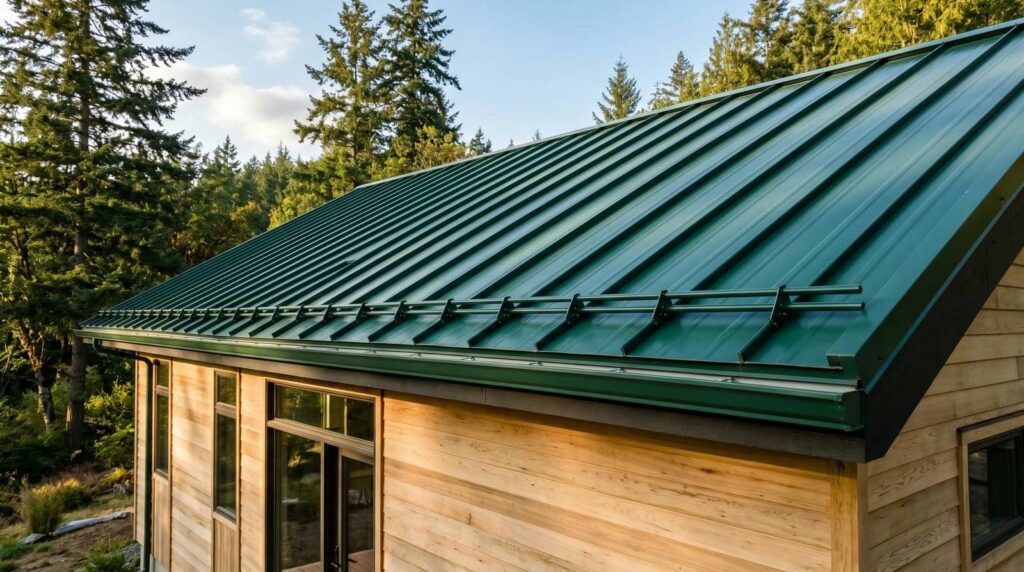
If you want a roof that stays in service for decades, metal usually outlasts shingles by a wide margin. Properly installed metal roofing can perform for 40 to 70 years, while asphalt shingles often need replacement after 15 to 30 years.
Your climate, ventilation, and maintenance habits still matter, but metal resists wind, fire, and sun damage better. Shingles can still be a smart choice if you need a lower-cost system now, yet they age faster from heat, algae, and repeated storm impact.
For homeowners planning to stay put, metal often offers stronger lifetime value and fewer replacements. If you want lasting protection, you’re joining a group that values durability.
How Does Metal Roof Installation Compare?
Installation methods differ sharply between metal and shingle roofs, and those differences affect labor, timeline, and cost.
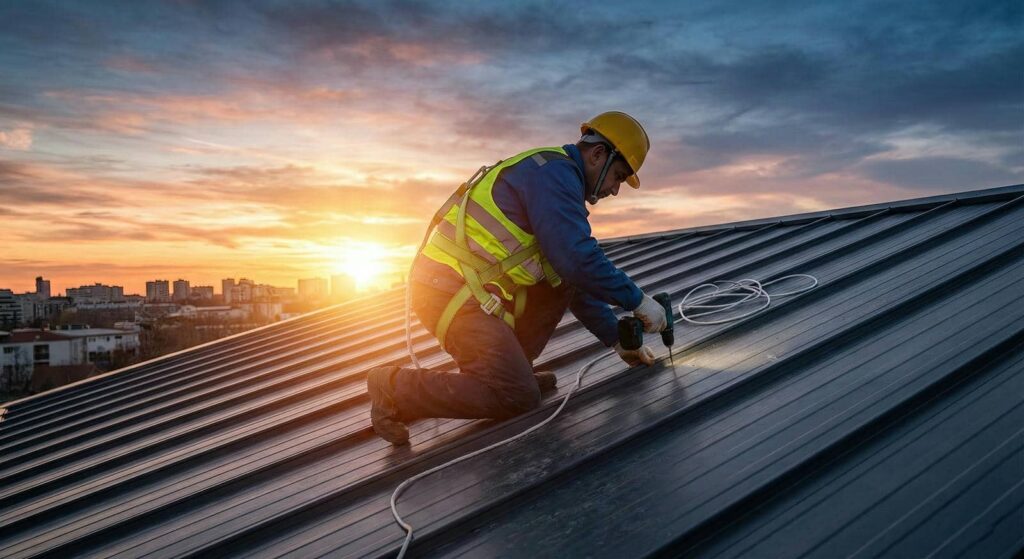
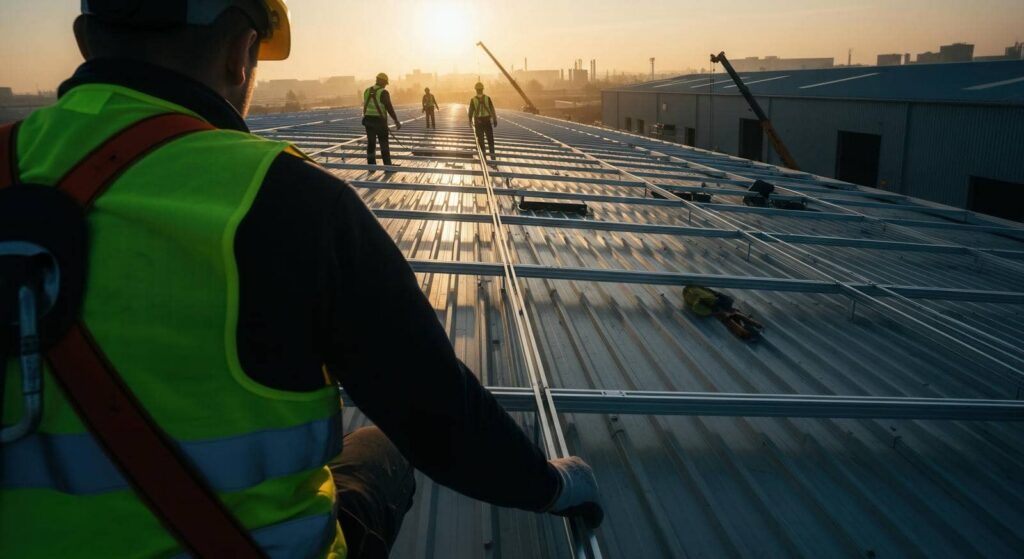
You’ll usually need a more precise crew for metal panels, because alignment, fastening, and flashing must stay exact. That means your team works methodically, not quickly, but you gain a cleaner system that feels built for the long haul.
- Panel layout demands accurate measurements.
- Fasteners and clips must match the profile.
- Seams need careful sealing at penetrations.
- Underlayment and trim details require tight coordination.
You and your contractor should expect fewer handling steps with large panels, yet more attention at edges and connections.
If you value a disciplined process and want to belong to the group that plans ahead, metal installation can fit you well.
How Does Shingle Installation Compare?
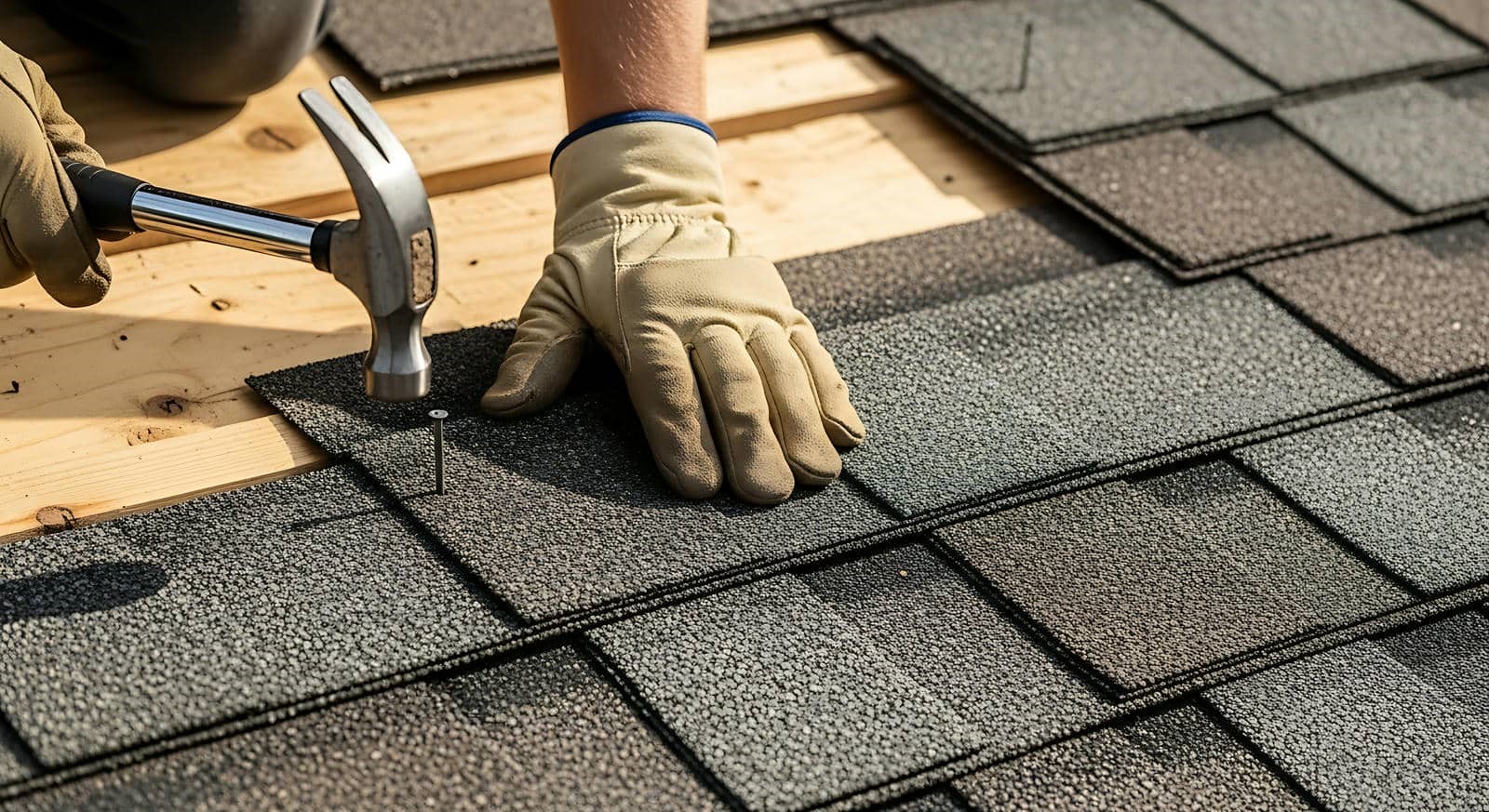
A crew installs shingles by laying underlayment, then nailing each course from the eave upward with tight overlap. That process needs standard tools, basic carpentry skills, and careful alignment to keep the roof watertight.
Shingles also fit most home styles, so you can join a common, well-understood roofing choice without major changes to your structure. Installation crews often finish sooner because individual units are small and easy to handle.
You still need accurate flashing, ventilation, and edge detailing, though, because sloppy placement can lead to leaks.
If you want a straightforward roof project, shingle installation gives you a practical path with clear steps and dependable results.
Metal Roof vs. Shingle: Which Offers Better Long-Term Value?
When you compare long-term value, metal roofing often wins on lifespan and maintenance, while shingles usually cost less to install at the start. You’re choosing between upfront savings and lower lifetime expense, and that tradeoff matters for your crew, your budget, and your peace of mind.
Metal roofs can last 40–70 years.
Shingles often need replacement after 15–30 years.
Metal resists wind, fire, and rot better.
Shingles offer lower initial cost, but more upkeep.
If you want fewer repairs and stronger resale appeal, metal usually delivers better value. If you need a tighter initial spend, shingles fit the bill.
Either way, you belong in a smart decision set when you weigh total cost, not just today’s invoice.
Review
When you weigh metal roof installation against shingle installation, you’re balancing a quick sprinter against a marathon runner. Shingles may save you money today, but they usually ask for more upkeep and earlier replacement. Metal roofing costs more upfront, yet it stands like armor against weather and can serve your home for decades. If you want the strongest long-term value, metal’s durability and low maintenance often make it the smarter roof over your head.