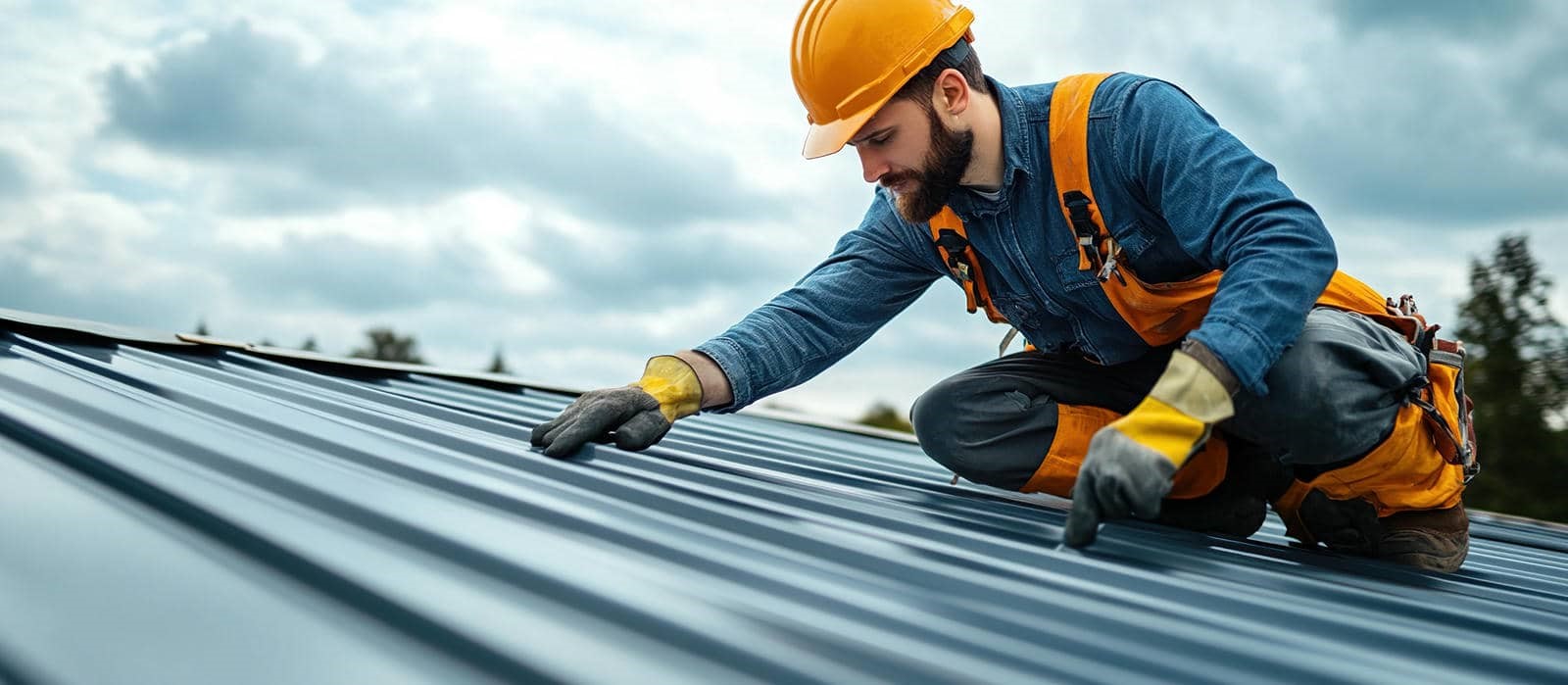
If your roof is acting a little under the weather, you’ll need to decide whether a repair can keep it in service or whether a full replacement is the smarter move. You can often fix isolated damage cheaply, but age, repeated leaks, and widespread wear can change the math fast. The real question isn’t just what costs less today—it’s what limits future trouble and protects your home most efficiently.
Key Takeaways
- Repair is usually best for isolated issues like missing shingles, small leaks, or minor punctures.
- Replacement makes more sense when damage is widespread, recurring, or the roof is nearing end of life.
- Repairs cost less upfront, but repeated fixes can become more expensive over time.
- Full replacement restores the entire roofing system and can reduce future maintenance and leak risk.
- Compare cost per year of remaining roof life to decide which option offers better long-term value.
Roof Replacement vs. Repair: Which Costs Less?
Which option costs less depends on the extent of the damage: roof repair is usually the cheaper choice for isolated issues like a few missing shingles, minor leaks, or localized flashing damage, while roof replacement becomes more cost-effective when the roof has widespread wear, recurring problems, or structural failure.
In residential roof replacement vs repair decisions, you should compare immediate labor and material costs against future service calls. Repair keeps your budget lower now, but repeated fixes can add up fast.
Replacement costs more upfront, yet it can reduce maintenance and restore a dependable system for your home community. You’ll usually save with repair when damage stays limited. You’ll often save with replacement when the roof’s age and condition make ongoing patchwork inefficient.
Signs Your Roof Only Needs Repair
If the damage is limited, a repair is usually the right call. You can often fix isolated issues when the shingles are intact overall, leaks show up in one spot, and the underlayment still performs.
Look for missing or cracked shingles, lifted flashing, minor punctures, or a small section of worn sealant around vents and chimneys. Inside, you may notice a single stain, not widespread moisture, and no sagging in the decking.
If your roof is young and the structure still feels solid, targeted work can restore protection fast. You stay in control, protect your home, and keep your crew focused on the problem area.
A qualified roofer should inspect the roof, confirm the damage is localized, and recommend a precise repair plan.
When Roof Replacement Makes More Sense
A full roof replacement makes more sense when damage is widespread, the roof is near the end of its service life, or repeated repairs no longer hold up.
You’ll also want to replace when shingles are curling, granules are thinning, or leaks keep returning in different areas.
If the decking shows rot, the underlayment has failed, or storm damage covers large sections, patching won’t restore reliable performance.
A replacement lets you reset the system as one integrated assembly, which helps your home stay protected and your household stay confident.
It also gives you a chance to correct ventilation or flashing issues that repairs can’t fully solve.
When your roof is failing as a whole, replacement is the cleaner, more durable path for your property.
Roof Repair Costs vs. Replacement Costs
When you compare repair costs, you’ll need to factor in the leak location, damage extent, roofing material, labor, and any hidden underlayment or decking issues.
A full replacement usually falls into a much wider price range because it covers tear-off, disposal, new materials, and installation across the entire roof system.
To choose the better value, you should weigh the upfront savings of repair against the longer-term durability, maintenance demands, and risk of repeated fixes.
Repair Cost Factors
Repair costs depend on the damage scope, roof age, material type, and labor needed to fix the problem.
You’ll usually pay less when the issue is isolated, such as a missing shingle, small leak, or flashing failure.
Steeper pitches, multi-story access, and brittle materials can raise labor time and safety requirements.
If your roof uses specialty components, matching them can also add cost.
You may see higher charges when the contractor must remove, inspect, and replace hidden layers around the damaged area.
Emergency calls, permit fees, and disposal of debris can affect pricing too.
To stay in control, ask for a line-item estimate, confirm what’s included, and compare repairs against the roof’s remaining service life with your trusted local pro.
Replacement Price Range
Replacement prices usually create the clearest cost comparison between fixing and replacing a roof. You’ll often see full replacement quoted by the square foot, the roof size, material grade, and tear-off scope.
For many homes, a basic asphalt shingle replacement lands in a moderate four-figure to low five-figure range, while premium systems cost more. Repairs usually stay far lower because you’re paying for limited labor, fewer materials, and less disposal.
Still, your final price depends on roof access, slope, flashing details, and permit needs. If you’re comparing quotes, make sure each contractor includes the same scope so you can read the numbers fairly.
That helps you stay confident, informed, and aligned with your crew.
Long-Term Value Comparison
Long-term value depends on how often you’ll need service, not just the upfront quote.
If you choose repair, you’ll spend less now, but you may keep paying for repeated patchwork, leak checks, and interior damage after storms. That can raise your total cost fast.
A full replacement costs more at first, yet it resets the roof system, improves weather resistance, and often lowers maintenance for years. You also get better warranty coverage and fewer surprise calls, which helps you stay in control with your neighbors and family relying on the same roof.
If your roof is near the end of its service life or has widespread wear, replacement usually wins on lifetime value.
If the issue is isolated, a targeted repair can still be the smarter budget move.
How Roof Age Changes the Decision
As your roof ages, you’ll need to weigh repair against replacement more carefully because material wear accelerates after common age thresholds.
If your roof is near or past its expected service life, repairs may only delay larger failures from brittle shingles, weakened flashing, or recurring leaks.
You should compare the remaining lifespan and the risk of repeated damage to decide which option is more cost-effective.
Roof Age Thresholds
A roof’s age often sets the tipping point between repair and replacement. You can usually repair younger roofs because the deck, flashing, and fasteners still have usable life.
As the roof gets older, you’ll make smarter decisions by comparing remaining service years with repair cost and downtime. Use these checkpoints:
- Under 10 years: targeted repair usually works.
- 10–15 years: inspect more often and fix localized issues.
- 15–20 years: weigh repair against full replacement.
- Beyond 20 years: replacement often delivers better value.
You’re not alone in this call; many homeowners use age as the first filter.
Match the age with your budget, warranty goals, and how long you plan to stay. That keeps your roofing choice practical and cost-effective.
Aging Material Risks
Older roofing materials don’t fail all at once; they lose strength gradually, which shifts the repair-versus-replace decision. You’ll see brittleness, curling, granule loss, cracked flashing, and sealant breakdown before leaks spread.
At that stage, a patch may stop water, but it won’t restore lost flexibility or wind resistance. If your roof is near the end of its service life, each repair only buys a little time and can mask deeper wear in the deck, underlayment, and fasteners.
That’s why you should compare short-term repair cost with the risk of recurring damage, higher labor, and interior claims. When you understand the age-related decline, you’re better equipped to choose the option that protects your home and keeps your roofing budget in the right place.
Damage Types That Usually Call for Replacement
When roof damage affects the structure or spans large sections, replacement usually makes more sense than repair. You’re likely dealing with damage that’s too broad for a patch to restore full performance, and your home deserves a stable system you can trust.
Common cases include:
- Structural sagging in rafters or decking
- Widespread storm or hail impact across multiple slopes
- Repeated leaks that’ve weakened underlayment and insulation
- Fire, rot, or mold that’s spread beyond one area
These conditions often compromise alignment, drainage, and fastening integrity.
If you keep repairing isolated spots, you may miss hidden failure points. A full replacement gives you a cleaner reset and helps your roof team rebuild the system as one working unit, so you can move forward with confidence.
How to Choose the Most Cost-Effective Fix
To choose the most cost-effective fix, compare the repair cost against the roof’s remaining service life, not just the price of the immediate work. If a repair restores watertight performance for several years, it’s usually the better value.
If the roof has repeated leaks, curled shingles, soft decking, or widespread wear, replacement often lowers long-term spending. You should also factor in labor, disposal, energy savings, and future maintenance.
Get a detailed inspection, then price both options on a per-year basis. That helps you and your household stay aligned with what’s truly affordable. When the numbers are close, choose the option that reduces risk and protects the structure longer.
In your roofing community, smart decisions come from clear data, not guesswork.
Final Thoughts
So, which should you choose—repair or replacement? If your roof has a small, isolated problem, you can often fix it fast and keep costs down. But if the damage keeps spreading, or the roof is aging out, a repair may only buy you time. Before you decide, compare current costs, future risks, and remaining lifespan. The smartest move isn’t always the cheapest today—it’s the one that prevents a bigger expense tomorrow.