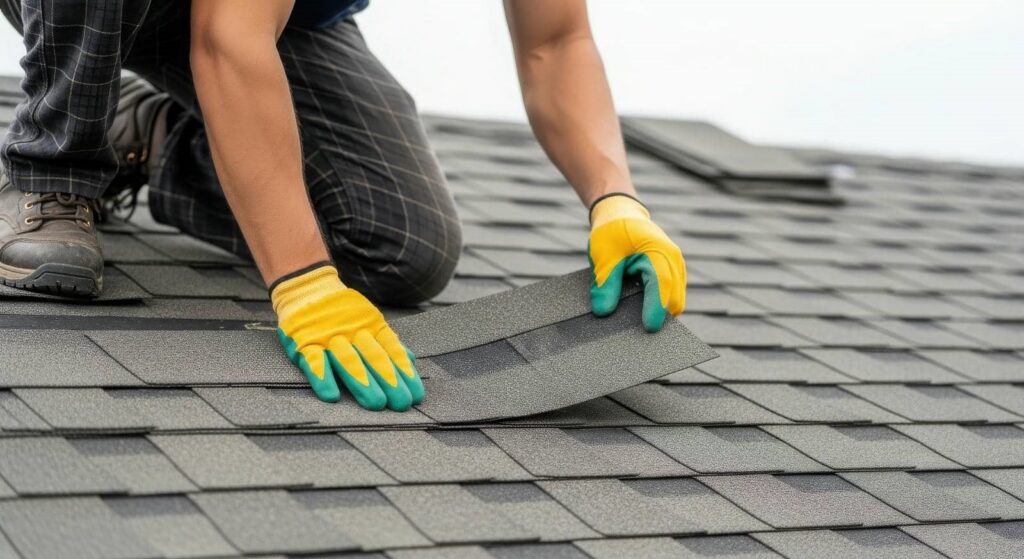
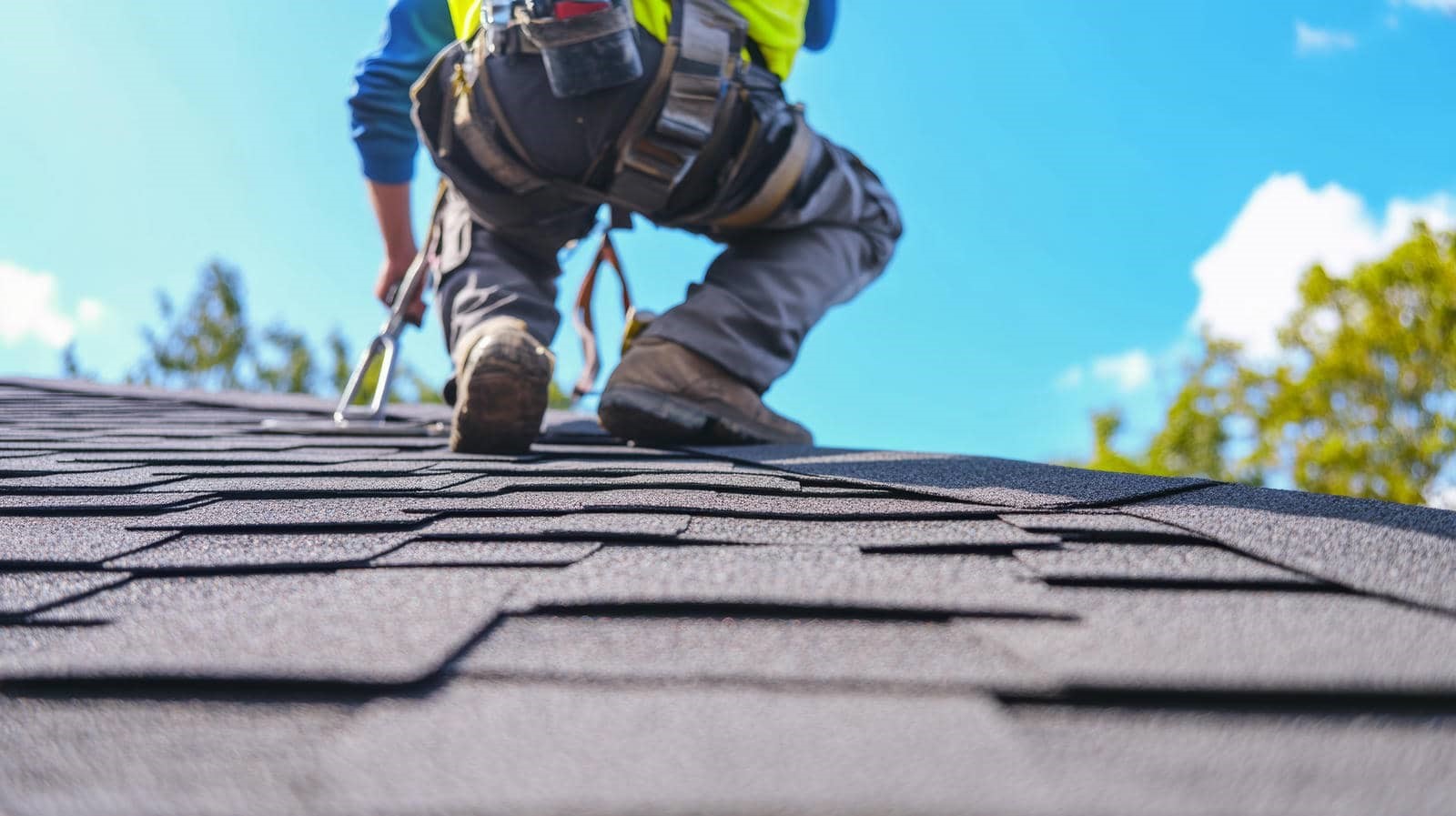
After a storm, you notice water dripping through your ceiling and staining the drywall; you need to act fast. In situations like these, Emergency Roof Repair Services can help prevent further damage while protecting your home from additional water intrusion. You should contain the leak with a tarp, move valuables out of the way, and set buckets under active drips. Take photos, check the roof from the ground, and shut off power if water’s near outlets. What you can’t see may matter more than the drip itself.
Key Takeaways
- Act quickly to limit water intrusion by placing a tarp over the damaged area and securing loose edges.
- Move valuables, electronics, and furniture away from the leak path, and set buckets or pans under drips.
- Avoid climbing on slick surfaces or cutting into roofing materials; focus on safety first.
- Document the damage with photos, note missing shingles or punctures, and mark the leak path if safe.
- Check for hidden damage in the attic or ceiling, and shut off power to affected rooms if water is nearby.
How to Stop a Roof Leak Fast
When a roof leak starts, you need to act fast to limit water intrusion and protect the structure below. You can place a tarp over the damaged area, secure loose edges, and keep runoff directed away from seams.
Inside, move valuables and set containers under drips to control spread. If you can safely access the attic, check for wet insulation and obvious entry points. Don’t cut into roofing materials or climb on slick surfaces; those choices can worsen damage and risk injury.
Emergency roof repair services give you a reliable response when you need fast containment and professional sealing. Their crews identify the source, stabilize the area, and help your home stay protected.
Acting quickly keeps you in control and supports your household.
Emergency Roof Repair Steps to Take
After you’ve slowed the leak, the next step is to assess the roof area, secure the site, and document the damage before repairs begin.
Stay clear of wet decking, sagging ceilings, and loose shingles. From the ground, note missing materials, punctures, flashing separation, and debris impact.
Take photos and short videos from multiple angles; this helps your roofer match the scope quickly. If it’s safe, mark the leak path inside the attic or top floor.
Shut off power to affected rooms if water’s near fixtures. Then contact a licensed emergency roofing crew and share your notes, images, and access details.
You’ll move faster with the right team when everyone works from the same clear information, and your home stays better protected while repairs are coordinated.
How to Protect Your Home Until Help Arrives
If water is still entering the home, move valuables, electronics, and furniture away from the leak path right away.
Then place buckets or pans under drips and line them with towels to reduce splash. If you can do so safely, lay plastic sheeting or heavy garbage bags over nearby items and tape the edges down.
Keep a fan running to improve airflow and slow moisture buildup. Shut off the affected room’s power at the breaker if water is near outlets, fixtures, or cords.
Avoid walking under sagging ceilings or stepping into wet insulation. You’re not dealing with this alone; these quick steps help protect your space and give your repair team a cleaner starting point when they arrive.
What Roofers Check First After a Leak
First, roofers trace the leak to its highest visible point, not just the spot where water shows inside, because water can travel along rafters, decking, and insulation before it drips.
Then they check the roof edge, valleys, flashing, and penetrations for the simplest point of entry. They also confirm the roof slope and note where water likely pooled or backed up.
You’ll usually see them:
- Measure the wet path and mark the likely source.
- Inspect seals around vents, chimneys, and skylights.
- Test nearby shingles or panels for looseness.
This first pass helps you and your crew act fast, avoid guesswork, and keep the repair focused.
When everyone knows the source area, you get a tighter fix and less disruption to your home.
How to Spot Hidden Roof Damage
Hidden roof damage often shows up in subtle ways before a visible leak appears. You can spot it by checking shingles for lifting edges, cracked tabs, or granule loss, especially after wind or hail.
Inside, look for ceiling stains, peeling paint, damp insulation, and musty odors in attic spaces. Feel for soft decking underfoot and inspect flashing around vents, chimneys, and skylights for gaps or rust.
If your gutters collect shingle grit, your roof may be aging fast. Use a flashlight to scan for daylight through the attic roof boards.
Don’t ignore small signs; they often mean water’s already moving behind the surface. When you catch these issues early, you protect your home and stay part of a community that looks out for each other.
Frequently Asked Questions
How Much Do Emergency Roof Repairs Usually Cost?
You’ll usually pay $300-$1,500 for emergency roof repairs, though severe storm damage can run higher. You should expect higher rates after-hours, plus material and labor charges. Get a written estimate fast.
Does Homeowners Insurance Cover Emergency Roof Repairs?
Yes, you may have coverage for sudden roof mishaps, not normal wear. You should review your policy, document damage, and call your insurer fast. Your deductible and exclusions will shape what’s reimbursed.
Can I Stay in My House During a Roof Leak?
Yes, you can stay if the leak’s small and you’ve isolated it, but you’ll need to protect belongings, shut off affected power, and monitor ceilings; leave immediately if sagging, electrical risk, or widespread water appears.
How Soon Can a Roofer Arrive in an Emergency?
You can usually get a roofer within a few hours; is your leak urgent? You should call now, and they’ll prioritize your job, dispatch fast, assess damage, tarp exposed areas, and protect your home.
What Should I Tell the Roofing Company When I Call?
Tell them your roof’s leaking, where the damage is, how severe it looks, when it started, and whether water’s entering indoors. Share your address, access details, roof type, and any safety hazards.
Summary
When you spot a roof leak, act fast and stay focused. You’ll tarp the damaged area, move valuables, and set buckets to catch dripping water before it spreads. Take photos, cut power nearby if needed, and wait for a roofer to inspect the structure for hidden damage. A small stain can mask a bigger problem, so treat every drip like a warning light. Quick, practical steps now can save your ceiling, walls, and peace of mind.