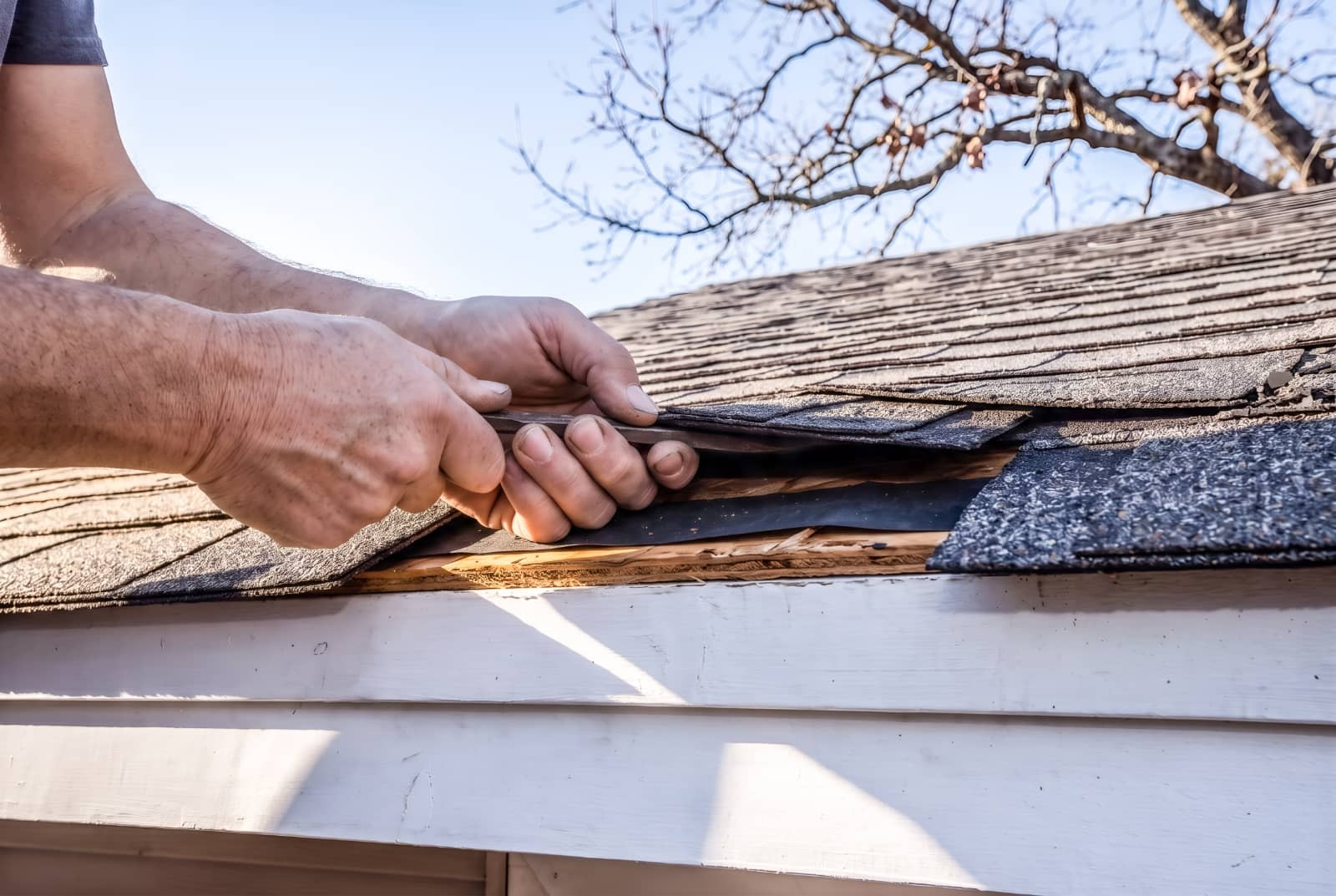
When you compare residential roofing services, the total price usually comes down to materials, labor, tear-off, underlayment, flashing, and disposal. Residential Roofing Services Cost Breakdown can help you understand how roof size, pitch, and the number of existing layers can change the quote fast, while asphalt, metal, and tile each carry different costs. If you want to know where your money goes and how to reduce waste, understanding each part of the cost breakdown can help you make a more informed decision.
Key Takeaways
- Residential roofing costs include materials, labor, tear-off, disposal, permits, and protection, usually priced per roofing square.
- Asphalt shingles cost less upfront, while metal and tile cost more but offer longer lifespan and durability.
- Labor varies by roof pitch, complexity, access, and local wage rates, with steep or intricate roofs costing more.
- Hidden damage, extra decking, flashing, skylights, and ventilation can raise the final price beyond the initial quote.
- Compare three written estimates, ask for itemized details, and schedule off-season work to improve cost control.
What’s Included in Roofing Costs?
When you review roofing costs, you’re usually looking at more than just shingles: the total typically includes labor, underlayment, flashing, fasteners, ventilation components, tear-off and disposal of old materials, and sometimes permits or site protection.
In a residential roofing services cost breakdown, you can track each line item to see where your money goes and why the quote isn’t just a material price. You’ll often notice that roof complexity, access, and safety requirements shape the final figure.
That matters because you deserve a clear estimate, not guesswork. When you compare bids, check whether each contractor includes the same scope, so you can judge value accurately.
A precise breakdown helps you feel informed, included, and ready to choose confidently.
Residential Roofing Cost Breakdown by Category
A practical residential roofing cost breakdown by category usually separates your quote into labor, materials, tear-off and disposal, roof components, and project-specific fees so you can see how each part affects the total.
You’ll often find labor covers installation, safety setup, and crew management. Materials include shingles, underlayment, flashing, nails, and sealants, each priced by grade and performance.
Tear-off and disposal reflect removing old roofing, hauling debris, and landfill charges. Roof components add value through vents, drip edge, ridge caps, and chimney details.
Project-specific fees may include permits, inspections, or steep-slope access. When you review each category, you can compare bids confidently, ask sharper questions, and join informed homeowners who know where their money’s going.
Roof Size and Total Price
Roof size is one of the biggest drivers of your total roofing price because contractors usually price work by square foot or by roofing “square” (100 square feet).
When your roof grows larger, your quote usually rises in a fairly linear way, since more area means more labor time, more underlayment, more fasteners, and more waste.
You’ll also pay more for steep slopes or complex layouts because crews need extra safety measures and slower installation.
If your roof has multiple sections, dormers, or valleys, the measured area can exceed your home’s footprint, so don’t estimate from the floor plan alone.
Ask for a precise measurement, then compare quotes line by line. That way, you and your contractor can stay aligned, informed, and confident.
Asphalt, Metal, and Tile Costs
Material choice is the next major cost driver, because asphalt shingles, metal panels, and tile all carry different price ranges, installation demands, and lifespans.
Asphalt usually gives you the lowest upfront cost, which makes it a practical fit if you want dependable protection without stretching your budget.
Metal costs more, but you gain stronger durability, better weather resistance, and longer service life, so the higher price can make sense over time.
Tile sits at the premium end, especially for clay or concrete products, and its weight and material value push costs up.
When you compare options, look beyond the sticker price and weigh replacement frequency, performance, and the look you want for your home.
Labor Costs for Roofing Services
Labor usually makes up a large share of roofing costs, and the total depends on roof size, pitch, complexity, and local wage rates.
You’ll typically see crews priced by the square, by the hour, or by a fixed project bid. Each model reflects how much time, skill, and coordination your roof needs.
Experienced installers often cost more, but they can help you feel confident that the work fits your home and your standards.
Labor also covers setup, safety practices, cleanup, and quality checks, so you’re paying for more than installation alone.
When you compare estimates, look for clear labor line items and confirm what’s included. That way, you can evaluate proposals accurately and choose the team that feels right for you.
How Pitch, Layers, and Tear-Off Affect Price?
Your roof’s pitch changes the price because steeper slopes increase labor time, safety requirements, and equipment needs.
If you have multiple layers, you’ll pay more for tear-off work since removal takes longer and creates more disposal costs.
You should also expect complexity to rise when a roof combines a steep pitch with layered materials, since both factors add measurable labor and cleanup expense.
Pitch Complexity Impact
When your roof has a steeper pitch, roofing crews work more slowly and need additional fall protection, which raises labor costs and can also limit the types of materials they can install.
You’ll usually see this reflected as a higher per-square-foot price because access takes longer and each movement requires more control.
Complex roof planes, valleys, and hips add setup time, so your quote climbs in a measurable way.
If your home has multiple layers, installers may need extra care to keep the work consistent, and that complexity often pushes pricing upward.
You’re not just paying for shingles; you’re paying for the skill, timing, and safety demands your roof requires.
When you compare bids, ask how pitch changes the crew’s production rate so you can judge value with confidence.
Tear-Off Layer Costs
Tear-off costs usually rise in direct proportion to roof complexity, especially when steep pitch, multiple layers, or difficult access slow the crew’s removal rate.
You’ll pay more when crews must strip old shingles by hand, protect decking, and haul heavier debris down safely. One layer is fastest; two or three layers add labor, disposal fees, and time on site.
If your roof has tight valleys, dormers, or fragile flashing, expect extra care and a higher invoice.
You can often reduce surprises by asking for a layer count, disposal estimate, and deck-inspection allowance upfront.
When you understand these variables, you’re better equipped to compare bids and join the homeowners who budget with confidence.
Repair, Decking, and Disposal Costs
When you assess repair costs, you’ll need to factor in the extent of damage, the roof’s age, and whether localized fixes or broader replacement work is required.
You’ll also need to account for decking issues, since rotted or warped sheathing can add labor and material costs once the old roofing comes off.
Disposal charges depend on debris volume, haul-off fees, and landfill rates, so they can shift your total price quickly.
Repair Cost Factors
Repair costs can shift quickly once a roofer uncovers hidden damage, because the final price may include shingle replacement and decking repairs and debris disposal.
You’ll usually see costs rise when damage spreads beyond the visible surface, since labor time, material quality, and access conditions all affect the estimate.
If your roof has soft spots, leaks, or rot, expect a detailed inspection to determine what you actually need.
You can keep control by asking for a line-item quote that separates repair work from replacement items. That helps you compare bids fairly and spot inflated charges.
When you understand these factors, you’ll feel more confident planning your project and choosing a contractor who fits your budget and standards.
Decking And Disposal
Decking damage can quietly become one of the biggest line items in a roofing repair, because once contractors remove shingles, they may find rotten or weakened sheathing that needs to be replaced before new materials go on.
You’ll usually pay by square foot for plywood or OSB replacement, plus labor to cut, fit, and fasten each panel. Costs rise when damage spreads near valleys, edges, or around vents, since those areas take more time to reinforce.
Disposal adds another measurable charge: crews must haul away old shingles, nails, underlayment, and damaged decking, then pay landfill or recycling fees.
You stay in control by asking for a written estimate that separates repair, decking, and disposal, so your project feels predictable, fair, and part of a well-informed homeowner community.
How Roofing Estimates Are Calculated
Roofing estimates usually start with a roof measurement, then add line items for materials, labor, tear-off, disposal, permits, and any needed repairs.
You’ll often see pricing based on roof squares, which lets you compare bids more accurately. Contractors then adjust the total for pitch, complexity, access, layers, flashing, vents, and skylights, because each factor changes time and risk.
You’re also paying for crew size, regional wage rates, and material grade, so two estimates can differ even when the roof looks similar.
A clear estimate should separate scope from allowances and note whether taxes and contingency items are included.
When you read each line carefully, you can judge whether the quote reflects your home’s real needs and helps you feel confident in the process.
How to Lower Roofing Costs
Once you understand how roofing estimates break down, you can spot the line items that give you the most room to save.
Start by comparing at least three written bids so you can isolate labor, tear-off, disposal, and material differences. Choose standard shingles instead of premium upgrades if your home’s conditions don’t justify them.
Schedule work during the contractor’s slower season, when crews may offer better pricing. If your roof only needs partial replacement, ask whether targeted repairs make sense.
You can also reduce costs by handling simple prep, like clearing driveways and protecting landscaping. Keep your design choices consistent, since custom flashing, skylights, and complex valleys raise expenses.
When you stay organized and ask direct questions, you join the group of homeowners who spend wisely without sacrificing quality.
Frequently Asked Questions
How Long Does a Typical Residential Roof Replacement Take?
A typical residential roof replacement takes one to three days, and you’ll usually see faster completion on simple roofs, while steep pitches, weather, permits, or repairs can extend your timeline.
What Roofing Warranty Options Are Usually Available?
You’ll usually get manufacturer material warranties, contractor workmanship warranties, and extended system coverage. You should compare coverage terms, transferability, exclusions, and claim steps carefully, so you’re protected and feel confident with your roofing investment.
How Often Should a Residential Roof Be Inspected?
Like clockwork, you should inspect your roof once a year, and after storms. You’ll catch leaks early, protect your home’s value, and stay confident you belong in a well-maintained neighborhood.
Which Roofing Material Lasts Longest in Harsh Weather?
Slate lasts longest in harsh weather. You’ll get exceptional durability, fire resistance, and low maintenance, though it’s heavy and costly. Metal also performs well, especially when you want resilience, longevity, and dependable protection.
Do Roofing Permits Add to the Overall Project Timeline?
Yes—permits can be a paperweight on your timeline. You’ll usually add a few days to a few weeks, depending on your city, plan review, and inspections. You can reduce delays by submitting complete documents early.
Summary
When you review residential roofing services, you can see how each cost driver shapes your final price. On average, labor can account for nearly 60% of a roof replacement, so comparing bids matters. You’ll get better control when you assess materials, roof size, pitch, tear-off needs, and disposal fees line by line. By requesting detailed estimates and timing your project wisely, you can protect your budget without sacrificing roofing quality.