When deciding between asphalt shingles and metal roofing for your home, it’s crucial to weigh the various factors that can influence your choice. Each option has its unique advantages and drawbacks, impacting your budget and the long-term performance and aesthetic appeal of your roof. Understanding these differences will guide you toward a decision that fits your needs, but which material truly stands out regarding durability and style?
Key Takeaways
- Asphalt shingles are cost-effective and offer a lifespan of 15 to 30 years, while metal roofing lasts over 50 years, providing long-term savings.
- Metal roofing has superior weather resistance and requires less maintenance, while asphalt shingles need annual inspections and upkeep.
- Aesthetic choices vary, with asphalt shingles providing a traditional look and metal roofing offering modern, vibrant options in various colors.
- Installation of asphalt shingles is quicker and less labor-intensive compared to metal roofing, which demands advanced skills and longer installation time.
- Environmentally, asphalt shingles contribute to landfill waste, whereas metal roofs are recyclable and have a longer lifespan, reducing replacement frequency.
Overview of Asphalt Shingle Roofing
Asphalt shingle roofing is one of the most popular choices for residential homes due to its balance of affordability and durability.
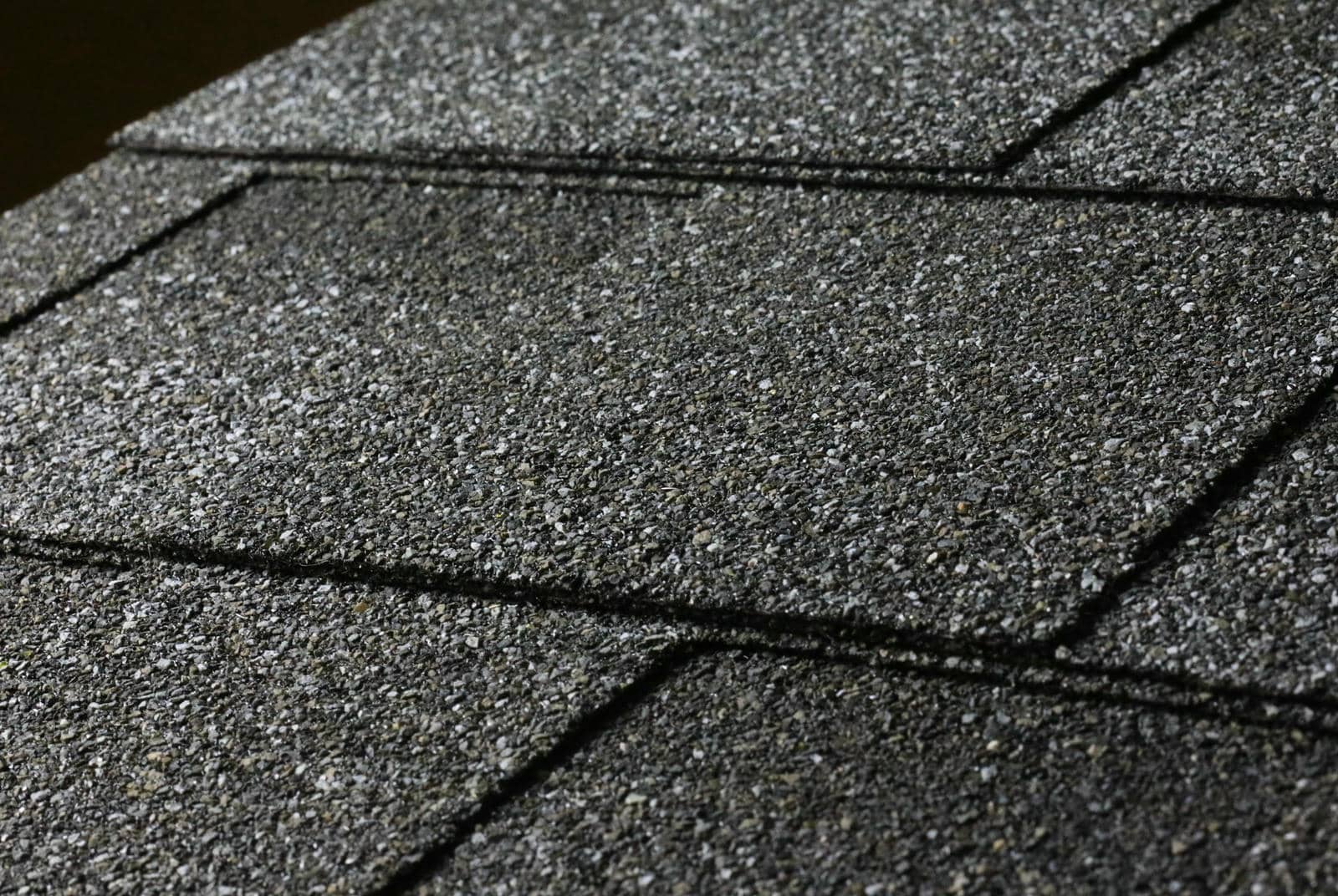
You’ll find various asphalt shingle types, including three-tab, architectural, and luxury shingles, each offering unique aesthetic and performance characteristics. Three-tab shingles are cost-effective and simple, while architectural shingles provide a more dimensional look and greater longevity. Luxury shingles often mimic the appearance of more expensive materials.
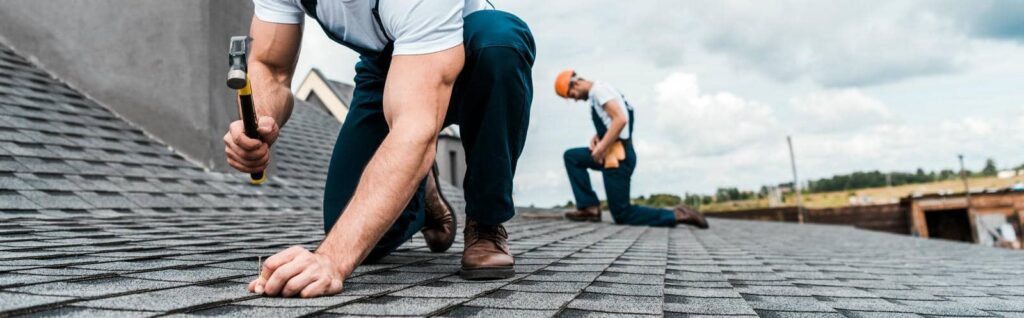
When considering installation techniques, proper application is essential for ensuring the roof’s effectiveness and lifespan. It’s important to follow manufacturer guidelines, including laying shingles in overlapping rows and securing them with appropriate fasteners.
Adequate ventilation and underlayment are also crucial to prevent moisture buildup and prolong the roof’s integrity. By understanding these elements, you can confidently select and maintain asphalt shingle roofing that suits your home and community needs.
Benefits of Asphalt Shingles
Choosing asphalt shingles for your roofing needs comes with a variety of benefits that make them a practical option for homeowners. One of the most appealing aspects is the affordability factor; asphalt shingles are often more budget-friendly than other roofing materials. This cost-effectiveness doesn’t compromise quality, making them a smart investment for your home.
Additionally, their ease of installation is a significant advantage. Most roofing contractors are familiar with asphalt shingles, allowing for a quicker installation process. This means you can have your roof completed efficiently, minimizing disruption to your daily life.
Asphalt shingles also offer a range of styles and colors, allowing you to customize your home’s appearance to fit your aesthetic preferences. Their durability and resistance to various weather conditions further enhance their appeal, ensuring you can enjoy a reliable roof for years to come.
Overview of Metal Roofing
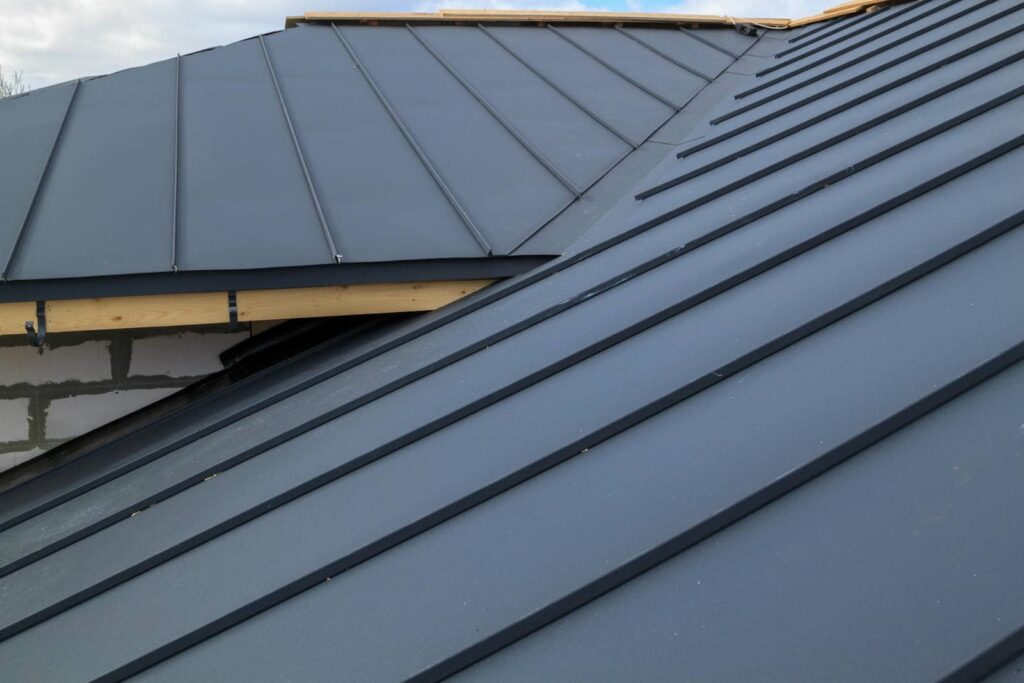
Metal roofing has gained popularity among homeowners seeking a durable and long-lasting roofing solution. This roofing option comes in various metal roofing types, including steel, aluminum, and copper, each offering unique benefits and aesthetics.
Steel, for instance, is known for its strength and affordability, while aluminum is lightweight and resistant to corrosion.
When considering metal roofing, it’s crucial to understand the installation techniques involved. Proper installation can greatly impact the longevity and performance of your roof. Techniques may include overlapping panels for better water resistance, securing with screws or clips, and ensuring adequate insulation to enhance energy efficiency.
As you explore metal roofing, consider factors like local climate, building codes, and your home’s architectural style.
Benefits of Metal Roofing
While considering roofing options, you’ll find that metal roofing offers several significant benefits that can enhance your home’s value and performance. One of the most notable advantages is energy efficiency. Metal roofs reflect solar radiant heat, which can help reduce cooling costs during hot months. This feature lowers your energy bills and contributes to a more sustainable living environment.
Additionally, metal roofing provides excellent noise reduction, especially when installed with proper insulation. This means you’ll experience less disturbance from rain, hail, or wind, allowing for a quieter home atmosphere.
Moreover, metal roofs are highly durable and can withstand extreme weather conditions, extending their lifespan and reducing the need for frequent replacements.
Cost Comparison: Asphalt Shingles vs. Metal
When evaluating roofing options, it’s essential to take into account the cost differences between asphalt shingles and metal roofing. Asphalt shingles generally have lower installation costs, making them an attractive choice for those on a tight budget.
However, contemplate the long-term savings that metal roofing can offer, as it usually lasts considerably longer than asphalt.
Here are some key points to contemplate:
- Initial Investment: Asphalt shingles are cheaper upfront, while metal can be pricier.
- Installation Costs: Shingle installation is typically simpler, reducing labor expenses.
- Maintenance: Metal roofs often require less maintenance over time.
- Energy Efficiency: Metal roofing can reflect heat, lowering cooling costs.
- Lifespan: Metal roofs can last 50 years or more, whereas shingles may need replacing every 20 years.
Ultimately, weigh the initial costs against potential long-term savings when making your decision.
Longevity and Durability
When considering longevity and durability, you’ll find significant differences between asphalt shingles and metal roofing.
Asphalt shingles typically last around 15 to 30 years, while metal roofs can often exceed 50 years with proper maintenance.
Additionally, weather resistance plays a vital role, as metal roofs are generally more resilient against severe conditions such as high winds and heavy snow.
Lifespan Comparison
Asphalt shingles typically last between 15 and 30 years, whereas metal roofing can endure for 40 to 70 years or more, depending on the material and installation quality.
When considering lifespan expectations, it’s essential to evaluate various lifespan factors that can influence durability.
Material Quality: Higher-quality materials generally last longer.
Installation Method: Proper installation is key to maximizing lifespan.
Maintenance: Regular upkeep can notably extend roof life.
Climate: Environmental conditions can affect longevity.
Warranty: A robust warranty often indicates a greater expected lifespan.
Weather Resistance Factors
Weather resistance plays a significant role in the longevity and durability of roofing materials. When considering asphalt shingles versus metal roofing, you’ll find that metal offers superior storm resistance. It can withstand high winds and heavy precipitation, reducing the risk of damage during severe weather.
In contrast, asphalt shingles may peel or lift under similar conditions, potentially leading to leaks.
Additionally, metal roofs excel in temperature regulation, reflecting sunlight and keeping your home cooler in the summer. This efficiency can reduce energy costs and prolong the life of your roofing system.
While asphalt shingles are more affordable upfront, their susceptibility to extreme weather may lead to higher long-term maintenance costs.
Ultimately, investing in metal roofing can provide greater peace of mind and long-lasting protection.
Aesthetic Appeal and Style Options
When considering aesthetic appeal and style options, you’ll find that both asphalt shingles and metal roofing offer unique advantages.
Asphalt shingles provide a broad range of design versatility and color choices, while metal roofing can achieve various textures and finishes.
Understanding these options can help you select a roof that complements your home’s overall appearance.
Design Versatility
While both asphalt shingles and metal roofing offer unique benefits, their design versatility sets them apart in terms of aesthetic appeal and style options.
You’ll find that asphalt shingles often emulate traditional architectural styles, aligning well with various design trends. On the other hand, metal roofing provides a modern edge, suitable for contemporary buildings.
Consider these design elements when choosing your roofing material:
- Wide range of colors and textures
- Ability to mimic other materials, like wood or slate
- Compatibility with various architectural styles
- Lightweight options that allow for unique designs
- Long-lasting durability that maintains aesthetic integrity
Ultimately, both materials can enhance your home’s visual appeal while reflecting your personal style.
Color Choices
Choosing the right color for your roofing material greatly impacts your home’s overall aesthetic and style. Color psychology plays a significant role in how your home is perceived, influencing feelings of warmth, energy, or tranquility. With metal and asphalt shingles, you’ll find a variety of color trends that can enhance your home’s appeal.
Here’s a quick comparison of popular color choices:
| Roofing Material | Color Options | Aesthetic Impact |
|---|---|---|
| Asphalt Shingle | Black, Gray, Brown | Timeless, traditional look |
| Metal Roofing | Blue, Green, Red | Modern, vibrant appearance |
| Both | White, Beige, Tan | Classic, neutral tones |
Selecting the right color defines your personal style and helps your home blend seamlessly into its environment.
Texture Options
Texture options greatly influence the overall aesthetic appeal and style of your roofing. When choosing between asphalt shingles and metal roofing, consider the various texture variations and surface finishes available.
Asphalt Shingles: Can mimic wood or slate with dimensional textures.
Metal Roofing: Offers sleek, smooth finishes or embossed patterns for added depth.
Color and Texture Combinations: Enhance visual interest and complement your home’s architecture.
Granular Finishes: Available in asphalt shingles for a more natural look.
Matte vs. Glossy: Metal roofing can be finished in matte or glossy textures to suit your style preference.
Selecting the right texture beautifies your home and contributes to its overall durability and performance.
Installation Process and Considerations
When considering the installation of asphalt shingles versus metal roofing, understanding the unique processes and requirements for each material is essential. Both roofing types have distinct installation techniques and labor considerations that can affect your choice.
| Aspect | Asphalt Shingles | Metal Roofing |
|---|---|---|
| Installation Time | 1-3 days | 2-5 days |
| Labor Cost | Generally lower | Typically higher |
| Skill Requirement | Moderate | Advanced |
| Weather Impact | Can be weather-sensitive | More weather-resistant |
| Long-term Durability | 15-30 years | 40-70 years |
Asphalt shingles are easier to handle, making them suitable for DIY projects, while metal roofing often requires skilled labor for proper installation. Evaluating these factors will help you make an informed decision based on your specific needs.
Environmental Impact
While both asphalt shingles and metal roofing serve the primary function of protecting structures, their environmental impact noticeably differs.
Asphalt shingles, often made from petroleum-based products, contribute considerably to landfill waste since they’re typically not recyclable.
On the other hand, metal roofs boast impressive sustainability practices and high recycling potential, making them a greener choice for eco-conscious homeowners.
Consider these key points:
- Recycling: Metal roofs can be 100% recycled at the end of their life.
- Longevity: They last longer than asphalt shingles, reducing the need for replacements.
- Energy Efficiency: Metal reflects solar heat, which can lower cooling costs.
- Waste Reduction: Fewer materials end up in landfills with metal roofs.
- Sustainable Materials: Many metal roofs are made from recycled content.
Ultimately, choosing metal roofing can considerably enhance your home’s environmental footprint, aligning with sustainable living goals.
Maintenance Requirements and Longevity
Though both asphalt shingles and metal roofing require some level of maintenance, their longevity and upkeep demands differ markedly.
Asphalt shingles typically last 15 to 30 years, necessitating more frequent inspections and maintenance techniques like cleaning debris and checking for wear. You’ll need to take into account an upkeep frequency of at least once a year, with additional checks after severe weather.
On the other hand, metal roofing can last 40 years or more with minimal maintenance. While occasional inspections for rust or loose fasteners are recommended, the upkeep frequency is considerably lower. You may only need to perform these checks every few years.
In essence, if you’re looking for lower long-term maintenance, metal roofing may align better with your goals. However, if you prefer the aesthetics of asphalt shingles, be prepared for more consistent upkeep to maintain their performance and longevity.
Recap
Choosing between asphalt shingles and metal roofing is like selecting a path in a dense forest. Asphalt shingles offer a well-trodden route, familiar and budget-friendly, while metal roofing presents a sturdy bridge, durable and long-lasting. Both paths lead to shelter, but your journey depends on your budget, style, and maintenance willingness. By understanding the unique characteristics of each option, you can confidently navigate your way to a roofing choice that best suits your home’s needs and future.