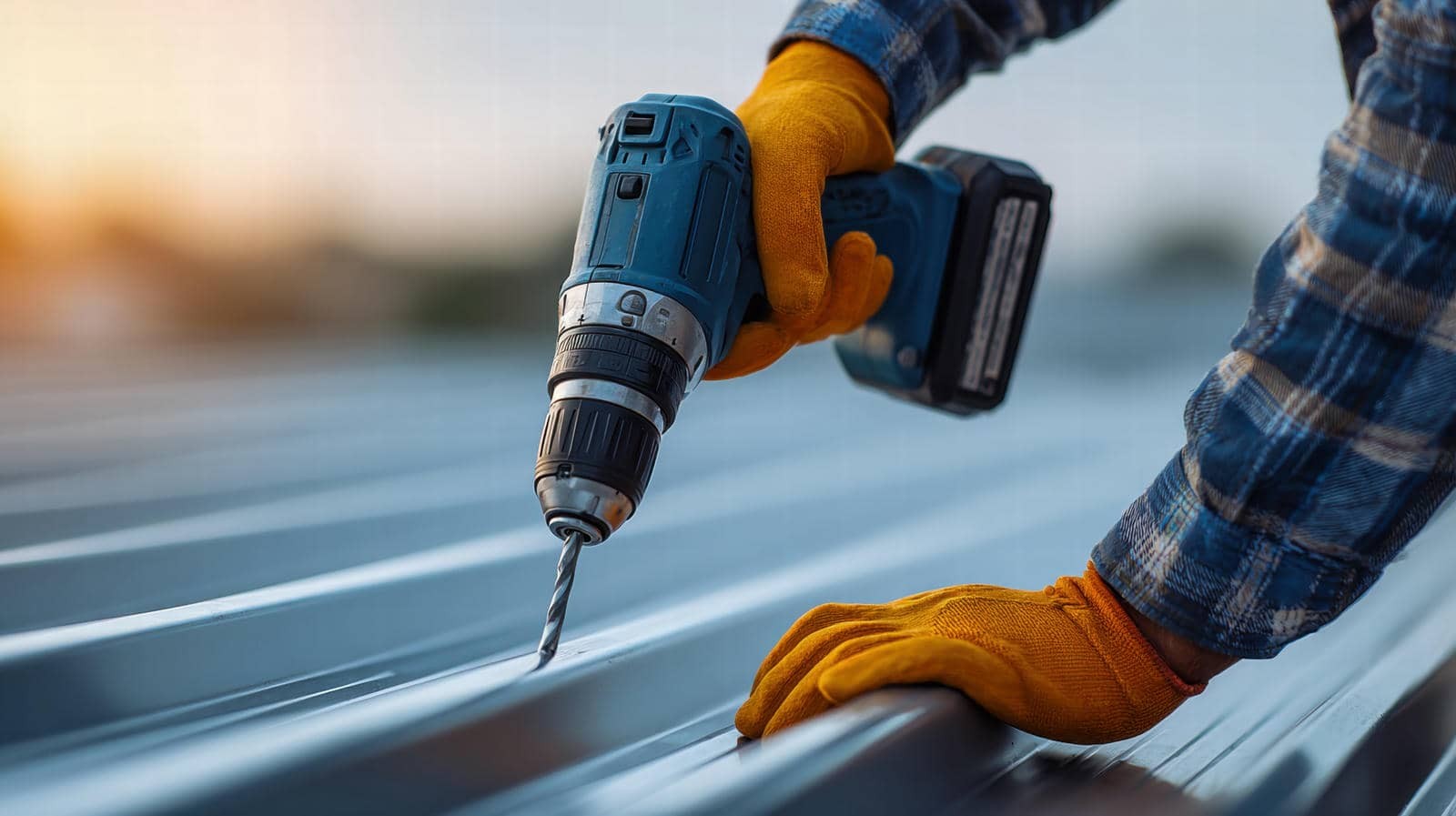
If you own a commercial building, you need Commercial Roof Repair Solutions that protect assets without interrupting operations. You’ll want to know how weather, drainage failures, and aging materials create damage, what early warning signs actually matter, and when repair still makes sense over replacement. The right fix depends on the roof system, the materials used, and how well you manage disruption during the work.
Key Takeaways
- Common causes include weather exposure, poor drainage, aging materials, foot traffic, and HVAC vibrations that damage commercial roofs.
- Early warning signs include surface cracks, ceiling stains, loose flashing, and damage around seams, drains, and penetrations.
- Decide repair versus replacement by comparing roof age, damage severity, maintenance history, and total cost.
- Effective repairs include patching, seam reinforcement, flashing repairs, coating touch-ups, section replacement, and drain cleaning.
- Plan repairs to minimize disruption by scheduling off-hours work, protecting access areas, and notifying employees and tenants early.
Common Causes of Commercial Roof Damage
Commercial roof damage often starts with everyday exposure to weather, poor drainage, or aging materials that can no longer perform as designed.
You also face damage from UV breakdown, thermal cycling, ponding water, and wind uplift, which stress membranes, seams, and flashings over time.
Foot traffic, HVAC vibration, and clogged drains can accelerate wear, especially when maintenance slips.
If your building sits near trees or industrial debris, impact and contamination may shorten roof life too.
You can reduce these risks with scheduled inspections and timely commercial roof repair, which helps you stay ahead of leaks and preserve system performance.
When you understand these common causes, you’ll make smarter decisions and protect your team, tenants, and operations with confidence.
How to Spot Roof Damage Early
You can spot early roof damage by checking for visible surface cracks, which often signal membrane wear or weathering.
You should also look indoors for water stains, since they usually indicate active leaks or trapped moisture.
Finally, inspect loose flashing edges, because they can let water enter at seams and accelerate damage.
Visible Surface Cracks
Small surface cracks often signal the first stage of roof deterioration, and catching them early can help protect your property before minor damage turns into a costly repair.
You should inspect membrane seams, flashings, and roof penetrations for hairline splits, alligatoring, or lifted edges. These cracks often appear after UV exposure, thermal movement, or repeated foot traffic, and they usually widen under stress.
If you manage a commercial building, you’re not alone in facing this issue; many owners spot it during routine maintenance. Mark crack locations, photograph them, and schedule prompt evaluation by a qualified roofing professional.
Early sealing or patching can preserve system integrity, reduce disruption, and help your team stay ahead of larger repairs.
Water Stains Indoors
Water stains on ceilings, walls, or around interior fixtures often reveal that moisture has already breached the roof assembly, even when the exterior damage isn’t obvious. You should treat them as early warning signs and inspect the affected area promptly.
In commercial spaces, these marks can spread quickly and disrupt operations.
- Check for discoloration after storms.
- Look for peeling paint or bubbling drywall.
- Note recurring spots after cleaning.
- Compare stains near HVAC, drains, or penetrations.
- Document changes with dated photos.
When you spot these patterns, schedule a professional roof evaluation right away. Acting early helps you protect your team, reduce downtime, and stay ahead of costly structural repairs.
With a trusted repair partner, you can keep your building performing as it should.
Loose Flashing Edges
Even a slight lift at the flashing can let wind-driven rain slip beneath the roof membrane and start damaging seams, insulation, and deck components.
You should inspect edges where metal meets curbs, parapets, vents, and skylights. Look for gaps, curling, cracked sealant, rust streaks, or fasteners that’ve backed out. If you see the flashing moving when you press it, the bond may already be failing.
Check after heavy wind, hail, or freeze-thaw cycles, since those conditions loosen joints fast. Catching this early helps you protect operations, limit downtime, and avoid larger structural repairs.
If your team spots any separation, schedule a commercial roof assessment right away. Acting quickly keeps your property secure and puts you in good company with other owners who maintain their roofs proactively.
Repair vs. Replace: How to Decide
When you compare repair and replacement, start by weighing repair cost thresholds against the roof’s age and current condition.
You should also evaluate structural damage indicators, since hidden decking, insulation, or support issues can make repair impractical.
If repeated fixes keep driving up costs or the system shows advanced wear, replacement may be the more reliable option.
Repair Cost Thresholds
A practical repair threshold helps you decide whether to fix a commercial roof or replace it outright, and the right call often depends on the repair’s share of total system value, the roof’s age, and the extent of recurring damage.
You can use a simple rule: if the repair cost stays modest relative to replacement, fixing the issue usually makes sense. When costs climb and failures repeat, replacement often protects your budget and operations better.
- Compare repair cost to replacement cost
- Flag repeated leak points
- Include labor, materials, and access fees
- Weigh downtime against savings
- Document each bid for your team
If your numbers feel uncertain, you’re not alone. A qualified roofing advisor can help you set a threshold that fits your facility, your risk tolerance, and your long-term planning.
Roof Age And Condition
Once you’ve weighed repair cost thresholds, the roof’s age and current condition should guide the final call.
If your commercial roof is nearing the end of its expected service life, repeated patches usually won’t restore reliable performance. You should compare the roof’s age with maintenance records, membrane wear, seam integrity, and the frequency of leaks.
A newer roof with isolated issues often justifies targeted repair, especially when the surface still looks uniform and responsive to maintenance.
An older system with widespread aging, brittle materials, or recurring failures may belong in your replacement plan.
You’re not choosing alone; you’re making the same practical decision many business owners make to protect operations, control risk, and stay ahead of avoidable disruption.
Structural Damage Indicators
Structural damage changes the repair-versus-replace calculation fast, because once a roof starts affecting the deck, insulation, framing, or supporting structure, simple patching usually won’t solve the problem.
You should inspect for:
- sagging lines or soft spots
- rusted, split, or warped decking
- wet insulation and recurring leaks
- cracked masonry, loose fasteners, or movement
- mold, rot, or corrosion at penetrations
If you spot any of these, you’re likely dealing with more than surface wear.
A targeted repair can still work when damage stays localized and the structure remains sound.
But if failures keep returning, replacement often protects your team, your operations, and your budget better.
You’re not alone in this decision; the right commercial roofing partner can help you weigh risk, code needs, and long-term value.
Proven Commercial Roof Repair Methods
When you address commercial roof issues early, you can use proven repair methods to protect your property, reduce downtime, and stop minor damage from turning into major structural problems.
You’ll often start with targeted patching for localized punctures, seam reinforcement to seal active leaks, and flashing repairs around penetrations, edges, and equipment curbs.
If you see water intrusion, professionals may apply coating touch-ups or membrane resealing to restore continuity and keep your building envelope working as a team.
For stressed areas, they can replace damaged sections before failure spreads. Drain cleaning and slope corrections also help control ponding water.
When you choose timely, methodical repairs, you strengthen your roof’s performance, protect operations, and keep your business community confident that your facility is cared for.
Best Materials for Commercial Roof Repairs
The best material for a commercial roof repair depends on your roof type, the damage location, and the exposure your building faces. You can match the repair to the system and keep your roof performing like the rest of your facility. Trusted options include:
- EPDM patches for single-ply membranes
- TPO or PVC heat-welded seams
- Modified bitumen repair rolls
- Silicone or acrylic coatings for aging surfaces
- Metal flashing and sealant for joints
Choose materials that bond well, resist UV, and handle ponding water or thermal movement. Your crew should verify compatibility before application, because the wrong product can fail fast.
When you use the right repair material, you protect your investment and stay aligned with other business owners who value durable, code-aware solutions.
How to Minimize Business Disruption During Repairs
To keep repairs from interrupting operations, you should plan the work around your busiest hours and isolate the affected area before crews arrive.
Coordinate with your contractor to map access routes, staging zones, and noise-sensitive spaces so your team can keep working safely. You’ll reduce confusion by notifying employees, tenants, and vendors early with clear schedules and contact points.
If the repair affects HVAC, drainage, or power, set temporary controls in place and verify they’re tested before work begins.
Keep walkways protected, signage visible, and debris removal frequent to maintain a clean, professional environment.
When you stay proactive, you protect uptime, support your crew’s confidence, and keep your business community moving together with minimal stress.
Frequently Asked Questions
How Often Should Commercial Roofs Be Professionally Inspected?
You should have your commercial roof professionally inspected at least twice yearly, ideally in spring and fall. You’ll also want inspections after severe storms, leaks, or any visible damage to catch problems early.
What Warranties Typically Come With Commercial Roof Repairs?
You’ll typically get labor warranties, material warranties, and sometimes workmanship warranties—your roof’s safety net. Ask for terms lasting 1–20 years, exclusions, transferability, and maintenance requirements so you’re protected and confident in your building’s long-term performance.
Are Emergency Roof Repairs Available After Business Hours?
Yes, you can usually get emergency roof repairs after business hours. You’ll minimize downtime, protect assets, and prevent structural damage by contacting a 24/7 commercial roofing team that responds quickly and secures your building.
How Long Do Commercial Roof Repairs Usually Take?
Most commercial roof repairs take a few hours to a few days, depending on damage, roof size, and weather. You’ll often avoid major downtime if you schedule promptly and let technicians assess conditions quickly.
What Permits Are Needed for Commercial Roof Repair Work?
You’ll typically need a building permit, and sometimes electrical, plumbing, or fire-system permits too. You should check local codes, because your city may require inspections and contractor licensing before you start repairs.
Recap
You can protect your facility by acting fast when roof damage appears. A common theory says small leaks are harmless until they spread, but in commercial roofing, that rarely holds true. Even minor moisture intrusion can undermine insulation, deck integrity, and operations. By choosing timely repairs, using durable materials, and planning work carefully, you’ll extend roof life, control costs, and reduce disruption. Stay proactive, and you’ll keep your business covered.