Like a chessboard with hidden costs, commercial roofing pricing shifts with every decision you make. Your roof size, slope, access, and material choice all change labor, equipment, and install time. Tear-off scope, repairs, and code upgrades can push the budget higher fast. If you want a realistic estimate, you need to weigh each variable against performance, lifespan, and maintenance before the numbers start to surprise you.
Key Takeaways
- Roof size directly affects material quantities, labor hours, and equipment needs.
- Material choice changes upfront cost, installation labor, durability, and long-term value.
- Roof slope and accessibility increase safety requirements and labor time.
- Tear-off, disposal, repairs, and code upgrades add significant project costs.
- Larger roofs often price in tiers, so accurate measurements are essential for budgeting.
What Affects Commercial Roofing Costs?
Commercial roofing costs vary based on roof size, material type, system complexity, and labor requirements.
You can expect commercial roofing services cost factors to shift with membrane selection, insulation needs, flashing details, deck repairs, and code compliance.
If your roof needs tear-off work, disposal, or restoration prep, your budget climbs.
Access constraints, safety measures, and equipment staging also affect pricing.
You’ll usually pay more for systems that demand specialized crews or multiple layers of installation.
Weather timing and project scheduling can change labor efficiency, too.
When you compare bids, focus on scope, warranty terms, and material performance, not just the lowest number.
That approach helps you plan capital spending with confidence and keeps your facility aligned with your team’s long-term goals.
How Roof Size and Slope Affect Pricing
Your roof’s size directly affects pricing because larger surfaces need more materials, labor, and equipment time.
Roof slope also changes cost since limited accessibility can slow crews and increase safety requirements.
Steeper roofs usually raise labor rates because they demand more setup, restraints, and installation time.
Roof Size Impact
A roof’s footprint sets the baseline for labor, materials, and equipment costs: as square footage increases, so do tear-off time, membrane quantities, fasteners, insulation, and installation hours.
You’ll usually see pricing scale in tiers, not linearly, because larger roofs can improve crew efficiency, but they still demand more product and longer production windows.
Slope also changes the math: steeper decks reduce usable working area and can slow installation, which pushes labor costs up.
When you review bids, compare cost per square and confirm whether measurements reflect net roof area or gross building dimensions.
That way, you and your team can budget with confidence, align scope early, and avoid surprises during procurement, scheduling, and closeout.
Slope Accessibility Costs
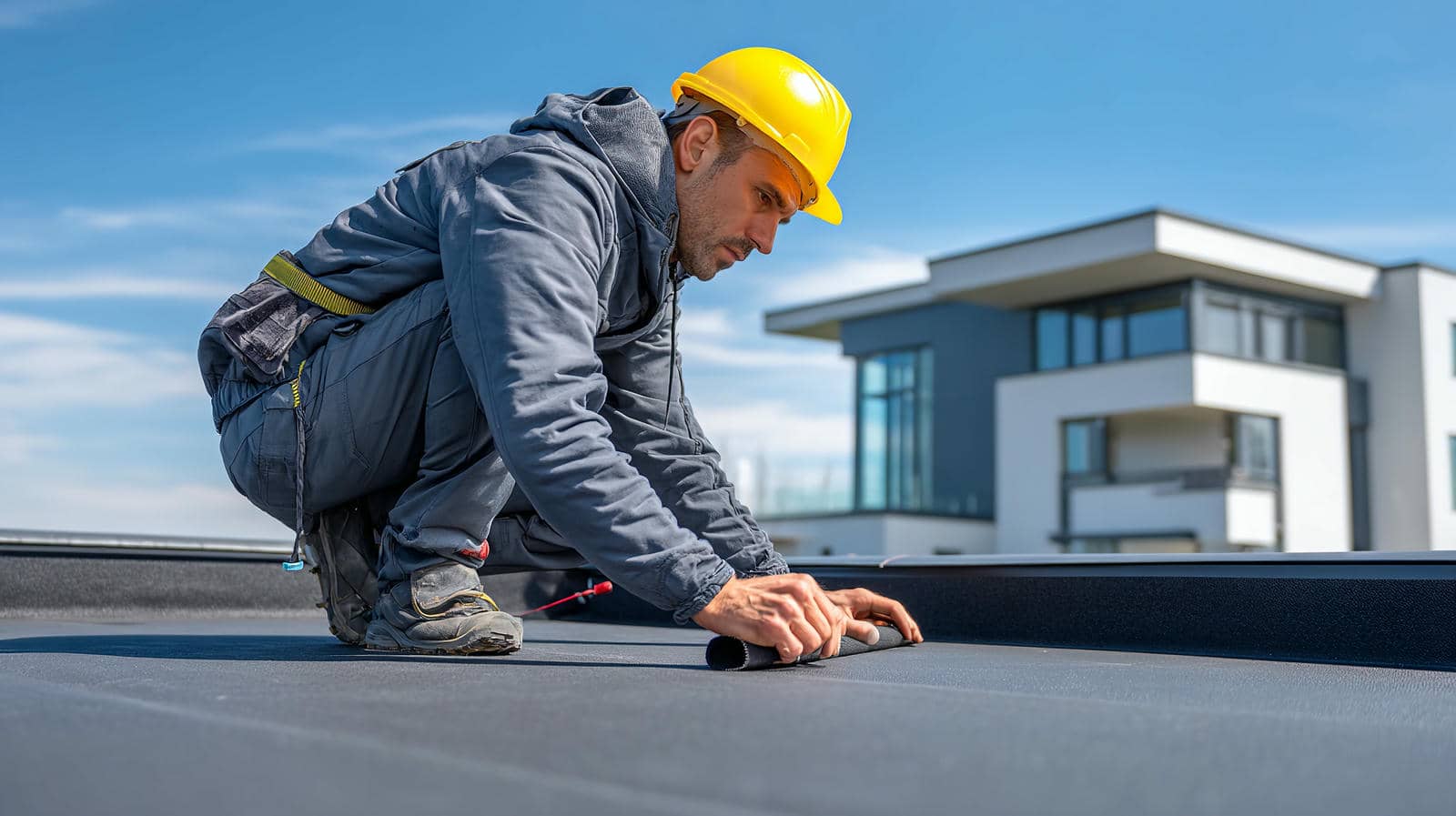
When roof access is limited, crews spend more time staging materials, moving equipment, and managing fall protection, which pushes labor costs higher.
You’ll usually see this on larger roofs with tight setbacks, fenced yards, limited crane access, or rooftop obstructions. Each extra trip increases handling time, coordination, and risk controls, so your price climbs with complexity, not just square footage.
If your roof has multiple elevations or awkward access points, expect more setup and slower material flow.
You can reduce surprises by sharing site plans, photos, and access details early. That helps your roofing team size the crew, plan deliveries, and quote accurately.
When you and your contractor work from the same site data, you get a cleaner budget and fewer change orders.
Steeper Roof Labor
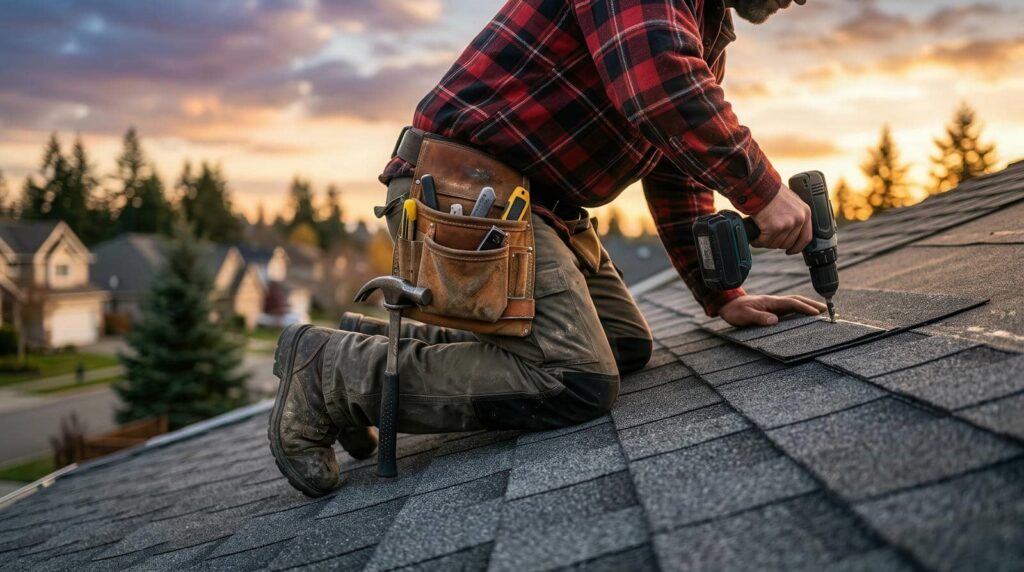
Steeper roofs cost more to install and repair because crews need slower movement, tighter safety controls, and more time to handle materials on the slope.
You’ll see labor pricing rise as pitch increases because workers must anchor more often, stage tools carefully, and limit movement to reduce fall risk.
Larger roof areas also add hours, but steep sections usually drive the bigger premium.
Your contractor may assign extra crew members, use specialized equipment, and schedule shorter work windows to keep the job safe and efficient.
If you’re comparing bids, ask how slope affects production rates, access setup, and safety compliance.
That breakdown helps you budget accurately and choose a team that fits your facility’s needs and keeps your project on track.
Why Material Choice Changes Your Budget
Material choice can shift your roofing budget more than almost any other factor because each system carries different costs for purchase, labor, and lifecycle value.
You’ll see wide price swings between single-ply membranes, modified bitumen, metal, and built-up systems. Lower upfront pricing can help if your site has tight capital limits, but you should weigh durability, reflectivity, and maintenance demands.
A material that resists UV, punctures, and ponding water often protects your team’s assets longer and lowers long-term replacement pressure.
In your peer group, the best fit depends on climate, roof use, and performance targets. When you compare options, ask for installed cost, expected service life, and warranty terms.
That way, you’ll choose a system that supports your budget and your business.
How Labor and Tear-Off Affect Costs
Labor and tear-off can add a major share to your commercial roofing bill because crews must access the roof, remove existing materials, haul debris, and prepare the deck before new work starts.
You’ll usually see higher labor pricing when the roof has limited access, steep slopes, or tight scheduling windows. Tear-off also slows production because workers must separate layers, protect the building, and keep the site clean.
Your team pays for skill, safety controls, and disposal logistics, not just hours on site.
- Roof access and staging
- Tear-off depth and debris volume
- Crew size and work speed
- Hauling, dump fees, and cleanup
When you plan with a trusted roofing partner, you’ll budget more accurately and avoid surprises during active work.
What Repairs or Upgrades Increase Price?
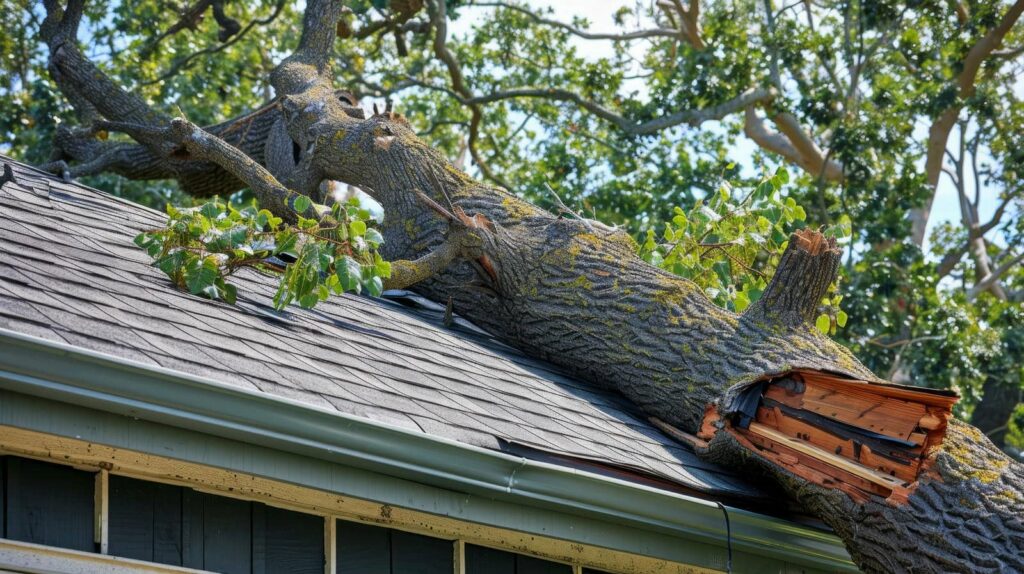
Repairs and upgrades can quickly raise your commercial roofing cost because they add scope beyond basic replacement. If you’re fixing saturated insulation, rotten decking, rusted fasteners, or split flashing, you’re paying for labor, materials, and time beyond the base install.
Code-driven upgrades, like added roof-edge metal, improved fire ratings, or new wind uplift fastening, also increase price. You may need tapered insulation to correct drainage, which adds design work and product volume.
Penetration repairs, curb rebuilds, and membrane tie-ins around HVAC units are especially costly because they demand precise detailing. If your team wants a durable, compliant roof, these improvements aren’t optional extras; they’re part of protecting the asset and keeping your facility operating safely.
How to Estimate Commercial Roofing Costs
To estimate commercial roofing costs, start with the roof’s square footage, slope, and system type, then layer in labor, tear-off, disposal, access, and code requirements.
You can build a reliable budget by measuring conditions, comparing bids, and adding contingency for surprises. Teams like yours get the best results when you separate materials, labor, and overhead.
- Measure the roof and confirm penetrations.
- Check deck condition, drainage, and insulation needs.
- Price replacement, repair, or coating options.
- Add permits, safety setup, and weather delays.
When you compare estimates, look for scope gaps, warranty terms, and change-order triggers.
That’s how you stay aligned with other owners who value smart capital planning and avoid costly surprises later.
Wrap-Up
When you price commercial roofing services, you’re really reading the building’s weathered map. A larger roof, steeper slope, tougher access, and heavier materials all steer the final number upward. Labor, tear-off, repairs, and upgrades can shift the budget like wind across a membrane. If you compare bids with lifecycle value in mind, you’ll make a smarter call and protect your investment, not just patch today’s leak.