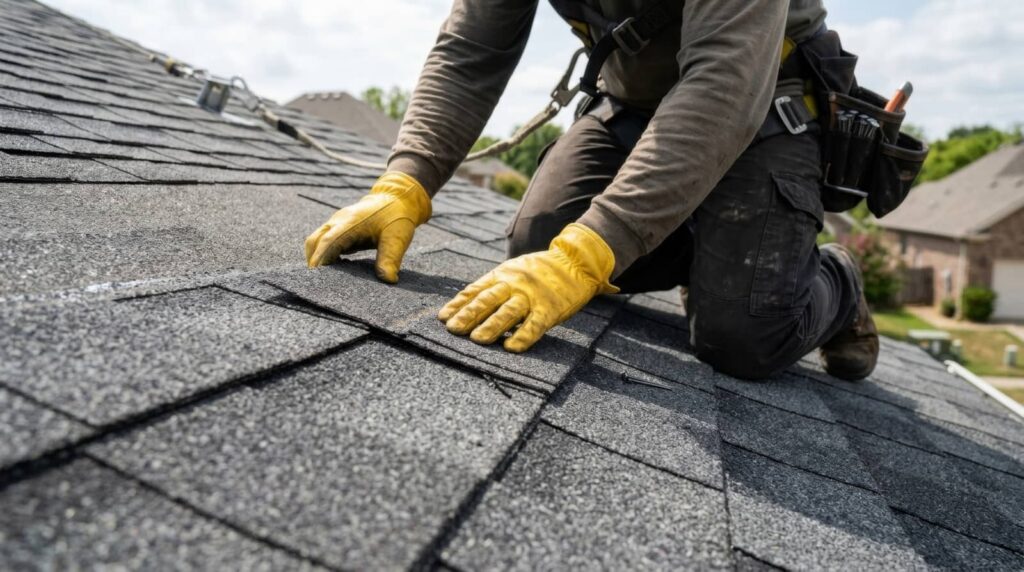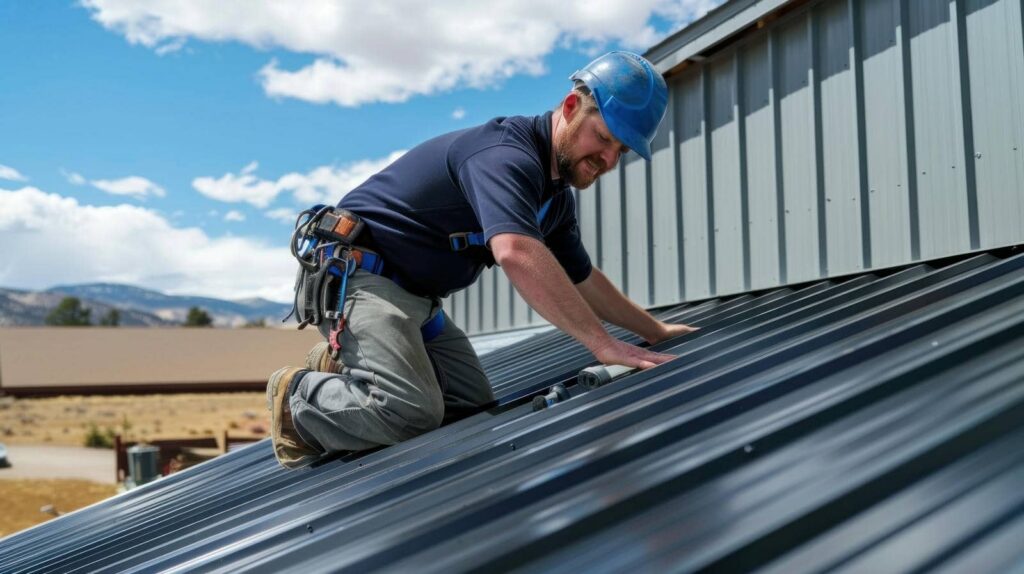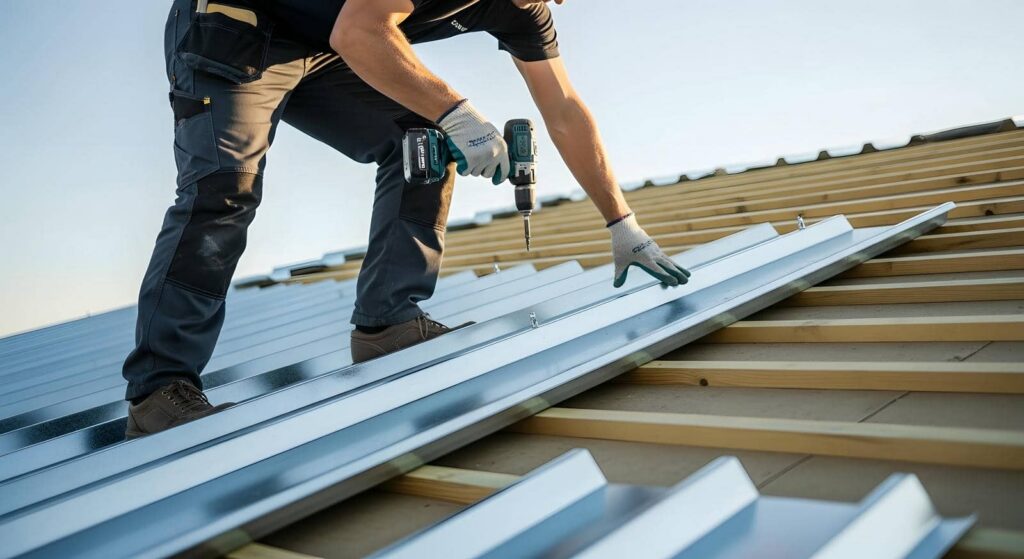
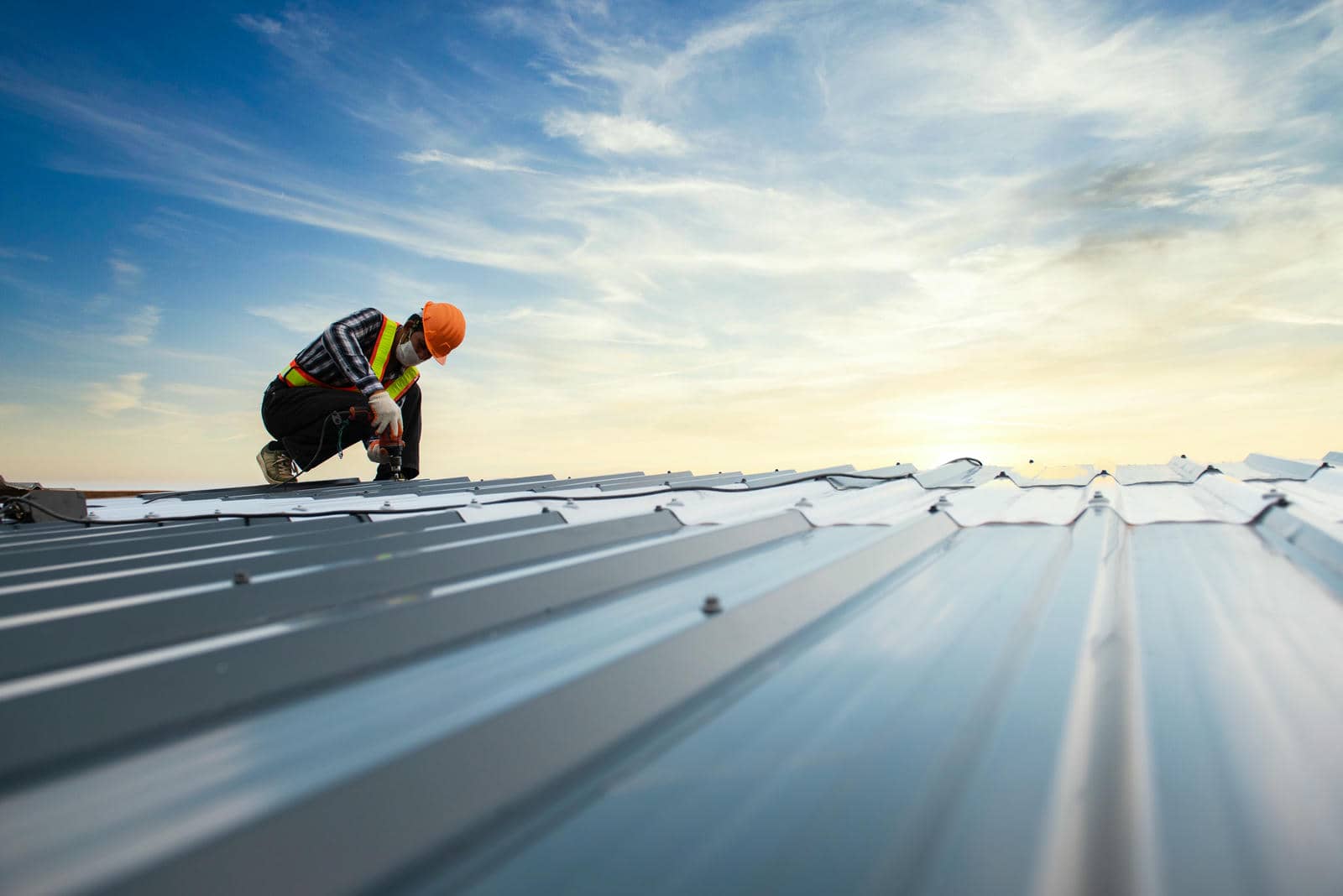
Your roof is the first shield taking the hit when storms roll in. If you want it to last, you need more than patchwork fixes—you need commercial roofing services that inspect, maintain, restore, and protect before minor defects spread. The right plan can extend service life, limit downtime, and reduce costly surprises, but the difference often comes down to spotting the warning signs you might be missing.
Key Takeaways
- Commercial roofing services include installation, repairs, maintenance, inspections, and leak detection for durable building protection.
- Preventive maintenance catches small issues early, reducing emergency repairs, lifecycle costs, and warranty risks.
- Regular inspections check membranes, seams, flashings, drains, and storm damage to prevent hidden roof failures.
- Leak detection tools like moisture meters, infrared scanning, and electronic testing help locate problems accurately.
- Choose contractors with licensing, insurance, certifications, and clear estimates to ensure quality long-term roof performance.
What Are Commercial Roofing Services
Commercial roofing services cover the installation, repair, maintenance, and inspection of roofing systems for commercial buildings. You rely on commercial roofing services to keep your property safe, efficient, and ready for daily demands.
These services include membrane application, flashing work, drainage management, leak sealing, and scheduled inspections. You get guidance on material selection, roof performance, and lifecycle planning so you can make informed decisions with confidence.
A qualified crew documents conditions, applies codes, and uses proper safety controls while working on your roof. That means you stay aligned with a professional team that understands your facility’s needs and helps protect your investment.
When you choose commercial roofing services, you’re joining a standard of care built for durability and long-term building performance.
Signs Your Commercial Roof Needs Service
You should inspect your commercial roof for visible damage like cracks, punctures, blistering, or loose flashing, since these defects can quickly worsen.
Check interior ceilings and walls for water stains, because they often indicate active leaks or membrane failure.
If your energy bills are rising without another clear cause, your roof may be losing thermal performance and need service.
Visible Roof Damage
Cracked membranes, loose flashing, punctures, and pooling water are clear signs your roof needs service. When you see these issues, you should act fast, because damage usually spreads under the surface.
Check seams, fasteners, edge metal, and penetrations for gaps, lifting, or corrosion. Inspect traffic areas for scuffs, tears, and compressed insulation, since foot traffic can weaken membrane performance.
If you spot blisters, splits, or exposed substrate, schedule a commercial roofing inspection right away. You’ll protect your team, reduce repair costs, and keep your building in better shape.
Regular visual checks help you catch problems early and stay part of a facility network that values reliable protection and long-term performance.
Interior Water Stains
You should inspect ceiling tiles, wall tops, and around penetrations for brown rings, blistering paint, or peeling seams. These marks rarely stay isolated; moisture can travel before you see the first stain.
If you manage a facility, treat each spot as a service trigger, not a cosmetic issue. A roofing contractor can trace the entry point, confirm the moisture path, and repair the failing detail before damage spreads.
You’ll protect your team’s workspace, reduce disruption, and stay aligned with peers who prioritize dependable building performance.
Don’t wait for dripping or structural deterioration. Schedule service once staining appears, and document every location for follow-up.
Rising Energy Bills
Rising utility costs can signal roof trouble just as clearly as interior staining. When your HVAC system runs longer to hold temperature, your roof may be losing insulation value, air seal, or reflective performance.
You should check for wet insulation, membrane gaps, failed flashing, and clogged drains that trap heat and moisture. If your facility feels unevenly conditioned, your roof assembly likely needs service.
You don’t have to guess; a commercial roofing inspection can identify where energy escapes and restore efficiency. Prompt repairs help you protect your building, reduce strain on equipment, and keep your team in a more comfortable space.
Why Preventive Roof Protection Pays Off
Preventive roof protection helps you catch small issues before they turn into leaks, structural damage, or unplanned downtime. You lower lifecycle costs because you address wear before it spreads, and you keep your facility running with fewer interruptions.
Routine protection also helps you preserve membrane integrity, flashing performance, and drainage capacity, which supports more stable indoor conditions. When you act early, you reduce emergency calls, avoid rushed repairs, and extend service life without straining your budget.
That means your team can plan work on your schedule, not react under pressure. You also stay aligned with other building owners who prioritize reliability, asset value, and operational control.
Preventive care isn’t extra work—it’s the practical way to protect what you’ve already built.
Commercial Roof Inspections That Catch Problems Early
You can catch early damage during commercial roof inspections by checking membranes, flashing, drains, and penetrations before small defects spread.
You can also trace leak sources faster by pairing visual findings with moisture testing and interior spot checks.
Use each inspection to update preventive maintenance planning so you can address risks before they turn into costly repairs.
Early Damage Detection
Regular commercial roof inspections help catch small issues before they turn into expensive structural or interior damage. You should look for membrane blisters, loose fasteners, cracking sealant, ponding, and worn flashing before they spread.
Your roofing team can document these early warning signs with photos, moisture readings, and surface checks, so you get a clear maintenance plan. When you act quickly, you reduce downtime, protect equipment, and keep your building’s envelope performing as designed.
You also strengthen your team’s confidence because everyone knows the roof’s condition is being tracked by professionals who understand commercial systems. That proactive approach helps you stay ahead of repairs, control costs, and extend service life.
Early detection isn’t luck; it’s disciplined inspection, attention to detail, and smart follow-through.
Leak Source Identification
On a commercial roof, water often travels far from the breach before it appears inside, so follow the evidence carefully. Check membrane laps, curb corners, drain details, and HVAC bases for splits, punctures, or failed sealant.
Use moisture readings, infrared surveys, and controlled water tests when the source isn’t obvious. You’ll protect your building better when you distinguish active leaks from old damage and document each finding clearly.
That helps your team make confident decisions and keeps everyone aligned on roof performance.
Preventive Maintenance Planning
A preventive maintenance plan keeps small roof issues from turning into costly failures by scheduling inspections before and after severe weather, seasonal temperature swings, and high-traffic periods.
You protect your facility when you document membrane condition, flashing integrity, drains, seams, and penetrations on every visit. Your team should log photos, note trends, and prioritize repairs by risk, so you stay ahead of leaks instead of reacting to them.
When you coordinate routine maintenance with a trusted roofing contractor, you join a proactive group that preserves warranties, reduces downtime, and extends service life.
You’ll also spot debris, ponding, and fastener movement early, which helps you budget accurately and avoid emergency calls.
Consistent planning keeps your roof dependable and your building prepared.
Roof Maintenance Plans That Extend Roof Life
With a structured roof maintenance plan, you can catch wear early, reduce unexpected downtime, and extend the service life of your commercial roof.
Build a schedule that fits your roof system, climate, and occupancy demands, then stick to it. You should inspect membranes, seams, flashings, drains, and rooftop equipment mounts on a routine basis.
Clear debris, verify drainage, and document any changes after storms or freeze-thaw cycles. Track findings in a shared log so your facilities team stays aligned and can act fast.
Partner with a qualified roofing provider that understands your building goals and keeps your team informed.
Consistent maintenance helps you control risk, preserve warranties, and keep your property performing like part of a well-run operation.
Commercial Roof Repair for Leaks and Damage
You can identify roof leaks with moisture scans, infrared imaging, and close inspections of seams, flashings, and penetrations.
After storms, you should assess membrane tears, loose fasteners, punctures, and uplift damage before water intrusion spreads.
Prompt repairs help you limit structural damage, protect operations, and extend the roof’s service life.
Leak Detection Methods
Even small roof leaks can spread quickly in a commercial building, so fast, accurate detection matters. You can start with a visual inspection of seams, flashings, penetrations, drains, and membrane laps, looking for staining, blistering, or soft insulation.
Next, use moisture meters to confirm hidden saturation without opening large sections. For hard-to-find leaks, infrared scanning helps you spot temperature differences that often signal trapped water. You may also use electronic leak detection to trace breaches in the membrane with precision.
If your roof system allows it, water testing can isolate a suspect area and verify the entry point. When you document findings clearly, you help your team act quickly and protect the building together.
Consistent detection keeps repairs targeted, efficient, and less disruptive for everyone involved.
Storm Damage Assessment
After leak detection confirms problem areas, storm damage assessment helps you determine what the weather actually harmed and what still needs repair.
You should inspect membrane tears, displaced flashing, punctures, lifted seams, and debris impact across the roof field, edges, and penetrations.
Check drains, scuppers, and gutters for blockages that can mask water entry points.
Document every defect with photos, roof maps, and moisture readings so you can separate storm-related damage from preexisting wear.
You’ll also want a qualified roofing team to evaluate structural stress, because hidden movement can weaken surrounding sections.
When you compare findings, you can prioritize your crew’s work and keep everyone aligned on the same repair plan.
Clear assessment gives your building the protection your team depends on, together.
Timely Repair Benefits
Timely commercial roof repairs stop small leaks and damage from turning into larger failures that disrupt operations and increase replacement costs.
You protect your building envelope when you act fast on punctures, flashing gaps, membrane splits, and drainage problems. Quick intervention limits moisture intrusion, which helps preserve insulation, decking, and interior finishes.
It also reduces mold risk, energy loss, and the chance of structural deterioration. When you schedule repairs early, you extend roof service life and keep maintenance budgets predictable.
You’re also showing your team and tenants that safety and continuity matter. A responsive roofing partner helps you identify weak points, document damage, and complete targeted repairs before issues spread.
That’s how you stay ahead, protect assets, and keep your facility aligned with the rest of your operation.
Restoration vs. Replacement: How to Decide
How do you choose between roof restoration and full replacement? You start with condition, leaks, and remaining service life.
If the deck stays sound and damage is limited, restoration can seal seams, renew membranes, and buy time at lower cost.
If you see widespread saturation, repeated failures, or structural movement, replacement usually gives you cleaner risk control and fewer surprises.
You don’t need guesswork; you need inspection data, moisture scans, and repair history. That’s how your team stays aligned and protects the property.
- Dark stains spreading across ceiling tiles
- Blistered seams lifting under wind
- Ponding water after steady rain
- Soft spots when you walk the roof
Roofing Materials That Hold Up Over Time
Once you’ve ruled out restoration and replacement options, the next decision is material performance over the long haul. You’ll want roofing that stays stable under constant service, foot traffic, and routine maintenance.
TPO and PVC membranes offer strong seams and reliable chemical resistance, while EPDM gives you proven flexibility and easy patching. Modified bitumen can work well when you need layered durability and straightforward repair methods.
Metal roofing delivers exceptional service life if you prioritize structural strength and low maintenance. You should also ask your contractor about membrane thickness, fastening method, and warranty terms, because those details shape long-term value.
When you choose a system matched to your building’s use, you’re joining the owners who plan ahead and protect operations with confidence.
How Weather and Drainage Damage Commercial Roofs
When storms, UV exposure, and freeze-thaw cycles hit your roof repeatedly, they weaken membranes, loosen flashings, and accelerate seam failure.
You’ll also see drainage problems turn minor wear into major damage. Standing water adds weight, softens materials, and seeps into joints. Clogged drains, sagging areas, and blocked scuppers keep moisture on the surface longer than they should.
Over time, that trapped water drives corrosion, insulation saturation, and interior leaks.
- Puddles reflecting gray clouds after a storm
- Leaves packed around a roof drain
- Bubbling membrane near a low spot
- Water staining around ceiling panels
When you spot these signs early, you protect your building, your team, and your roof’s service life.
How to Choose a Contractor You Can Trust
A trustworthy commercial roofing contractor should prove they understand your roof system, safety requirements, and maintenance goals before any work begins. You should verify licensing, insurance, manufacturer certifications, and local code knowledge.
Ask for recent commercial references, then confirm they’ve handled similar membranes, drainage issues, and flashing details. A reliable team will inspect your roof, explain findings in plain terms, and outline scope, materials, schedule, and warranty coverage.
You deserve clear communication and jobsite control, so watch for written estimates, safety plans, and photo documentation. Compare bids by value, not just price, because shortcuts raise lifecycle costs.
When you choose a contractor who listens, documents, and follows through, you join a building team that protects your property and keeps future repairs predictable.
Recap
You protect your building best when you stay ahead of roof problems, not after leaks start. Commercial roofing services help you catch damage early, control costs, and extend roof life with inspections, maintenance, and targeted repairs. Even if you think your roof looks fine, hidden wear, drainage issues, and weather stress can escalate fast. Choose a trusted contractor, act proactively, and you’ll preserve performance, reduce risk, and protect your investment longer.