When you need Emergency Commercial Roof Repair, a storm that tears a section of membrane loose can turn a small leak into a shutdown before the workday ends. You need to know what counts as an emergency, what to do before the roofer arrives, and how fast repairs can stabilize the building. The right response can limit downtime, protect inventory, and help you decide whether a patch will hold or if something bigger is already underway.
Key Takeaways
- Emergency commercial roof repair addresses active leaks, storm damage, punctures, and structural failures that threaten operations and assets.
- Common causes include severe weather, aging membranes, failed flashings, clogged drains, ponding water, and thermal movement.
- Before the roofer arrives, contain leaks, document damage, clear walkways, and protect equipment and inventory.
- Emergency roofers isolate the leak, tarp or patch damaged areas, inspect related components, and stabilize the roof quickly.
- Choose a licensed, insured roofer with commercial experience, 24/7 response, clear communication, and safety training.
What Counts As An Emergency Roof Repair?
An emergency roof repair is any urgent condition that threatens your building’s structure, operations, or assets and requires immediate action.
You’re dealing with an emergency when active leaks, storm damage, punctures, collapsed sections, or wind-lifted membranes expose interiors or weaken load-bearing components.
You also need emergency commercial roof repair services when water intrusion reaches electrical systems, stock, equipment, or critical work areas.
Visible sagging, repeated dripping, missing flashing, or sudden membrane failure signal risk you shouldn’t ignore.
In a commercial setting, delays can spread damage fast and disrupt your team’s work.
You belong to a group of owners who treat roof failures as operational hazards, not minor maintenance issues.
Act quickly when conditions worsen, because emergency response helps limit loss and stabilize your facility before repair crews arrive.
What Should You Do Before The Roofer Arrives?
Before the roofer arrives, you should contain any interior water by moving equipment, placing buckets, and protecting exposed assets.
If it’s safe, you can also document the roof damage with clear photos and notes for the repair team and your insurance claim.
These steps help limit downtime and give the roofer accurate information for a faster response.
Contain Interior Water
As soon as you spot a leak, move equipment, inventory, and electronics away from the affected area. Then place buckets, tarps, or plastic sheeting to catch dripping water.
Keep walkways clear so your team can move safely and you can avoid slips, shorts, and product loss. If water is pooling, use mops, wet vacs, or absorbent pads to pull it out fast.
Protect sensitive materials by elevating them on pallets or shelving, and keep them off damp floors. Shut down nearby power only if it’s safe and within your role.
Set up a simple perimeter so coworkers know where to stay out. These steps help you contain damage, keep operations steadier, and make it easier for the roofing crew to work efficiently when they arrive.
Document Roof Damage
Take clear photos and videos of the roof, interior leaks, standing water, stained ceilings, damaged materials, and any temporary fixes you’ve made.
Capture wide shots and close-ups, then note the date, time, weather, and exact locations of each issue. Keep your records organized so your roofer can assess the damage fast and your team stays aligned.
If it’s safe, measure affected areas and mark leak paths with tape or chalk. Save invoices, maintenance logs, and any warranty documents that relate to the roof system.
Don’t remove damaged materials unless they’re creating a hazard. Share the file set with your facility manager and contractor before arrival.
Good documentation helps your crew respond quickly, reduces confusion, and supports a smoother repair process for everyone involved.
How Does Emergency Roof Repair Reduce Downtime?
When a roof failure happens, emergency repairs quickly stop active leaks, stabilize damaged sections, and limit the spread of water intrusion, which helps you avoid costly shutdowns.
You keep crews working because technicians can isolate the affected area, install temporary protection, and restore safe access fast. That means fewer interruptions to production, shipping, retail traffic, or tenant operations.
You also protect equipment, inventory, and interior finishes from escalating damage that would otherwise extend recovery time. By addressing the problem immediately, you reduce follow-up labor, shorten inspection delays, and keep your facility aligned with your continuity plan.
If you manage a commercial property, this rapid response helps your team stay confident, coordinated, and ready to get back to normal sooner.
What Causes Sudden Commercial Roof Damage?
You can see sudden commercial roof damage after severe weather events like high winds, hail, or heavy rain overwhelm the roof assembly.
You may also face roof system failures from aging membranes, failed flashings, clogged drainage, or compromised fasteners.
When these issues appear, you need fast inspection and repair to limit water intrusion and protect operations.
Severe Weather Events
Severe weather can damage a commercial roof in minutes, even if it’s been well maintained. When hail strikes, it can bruise membranes, crack seams, and expose the underlayment.
High winds lift flashing, loosen edges, and drive rain beneath panels. Heavy rain can overwhelm drains, forcing water to pond and seep into vulnerable joints.
Snow and ice add weight, then melt and refreeze, stressing fasteners and creating openings at penetrations. Lightning can also ignite localized damage near rooftop equipment.
You and your facility team should inspect the roof after every major storm, especially around seams, drains, and rooftop units. Acting quickly helps your team stay ahead of leaks, protect inventory, and keep operations moving with confidence as part of a prepared business community.
Roof System Failures
Roof system failures often start with small defects that quickly turn into urgent leaks, collapse risks, or widespread water intrusion.
You might see seam separation, punctures, loose flashings, clogged drains, failed membrane welds, or deteriorated sealant around penetrations. These problems usually develop from age, poor installation, deferred maintenance, foot traffic, or trapped moisture that weakens insulation and deck support.
When wind uplift, ponding, or thermal movement hits a stressed roof, damage can spread fast. You need rapid assessment to isolate the source, limit interior losses, and protect operations.
Emergency commercial roof repair services help your team stay ahead of downtime by stabilizing the system, documenting conditions, and planning permanent fixes. Acting quickly keeps your facility secure and your crew confident.
How Do Emergency Roof Repair Crews Fix Damage Fast?
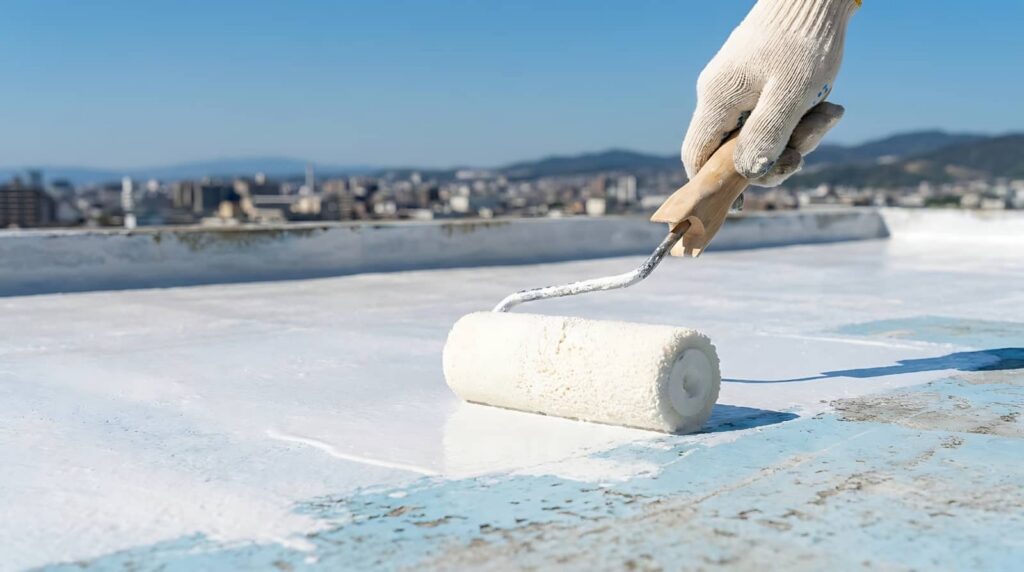
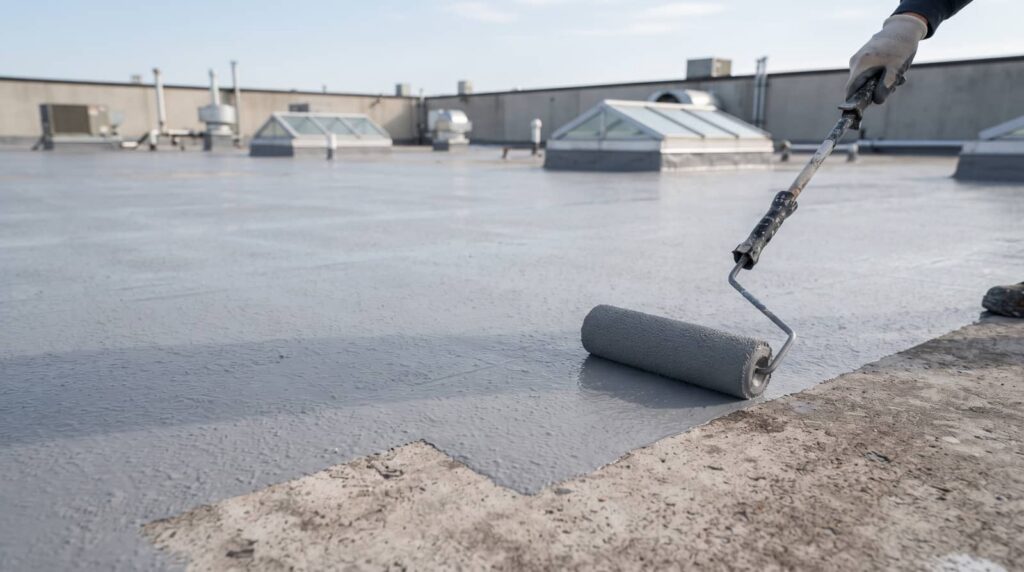
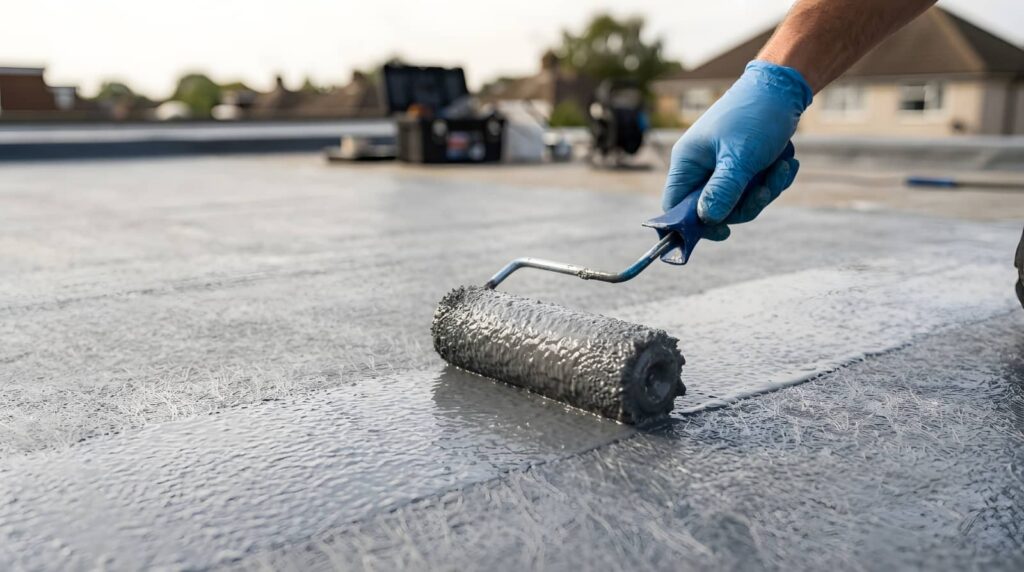
Emergency crews move fast by isolating the leak, tarp or patch the damaged area, and stop water intrusion before it spreads.
You’ll see them map the failure path, clear saturated debris, and check seams, flashings, drains, and penetrations for active entry points.
Then they clean and dry the surface so sealants, tapes, or membrane patches bond correctly.
If the wind’s strong or rain’s heavy, they add weighted covers, temporary fasteners, and edge protection to keep the repair stable.
They also document the damage, note safety risks, and confirm the area’s secure before leaving.
This approach helps your team stay in control, protect equipment, and keep business moving while you wait for a permanent solution.
When Is Roof Replacement A Better Option?
Sometimes a fast repair isn’t the most cost-effective fix, especially when damage keeps returning or the roof system is near the end of its service life. You should consider replacement when leaks spread across multiple sections, the membrane has widespread blistering, or repeated patches haven’t held.
If water intrusion has compromised insulation, decking, or structural components, repairs may only delay bigger losses. You also gain value from replacement when your roof no longer meets performance needs after storms, thermal cycling, or age-related wear.
A full replacement can restore watertight protection, improve energy control, and reduce emergency calls. In your facility, that means fewer disruptions and more predictable maintenance.
When repair costs keep climbing, replacement usually gives you the stronger long-term path and helps your team stay protected.
How Do You Choose The Right Emergency Roofer?
Choose a roofer who responds quickly, documents damage clearly, and has proven experience with commercial systems like yours. You need a team that can inspect the membrane, flashing, drains, and penetrations, then give you a clear repair plan.
Verify licensing, insurance, safety training, and 24/7 dispatch. Ask for references from businesses similar to yours, because shared standards matter when downtime is costly.
A strong emergency roofer explains temporary stabilization, leak isolation, and permanent repair options in plain terms. They should coordinate with your facility staff, protect inventory, and keep you informed at every step.
When you choose well, you join a network of owners who keep operations moving, assets protected, and disruptions under control.
Frequently Asked Questions
How Quickly Can Emergency Roof Repairs Begin After My Call?
You can usually get emergency roof repairs started within hours of your call, sometimes sooner. You’ll get a rapid assessment, temporary protection, and a repair plan that keeps your facility safe and operations moving.
Will Emergency Repairs Work on All Commercial Roof Types?
Not always—you’ll need roof-specific methods. Emergency crews can usually stabilize metal, membrane, built-up, and modified roofs, but materials, slope, and damage shape the fix. Like a lock matched to its key, tailored repairs protect your business.
Are Emergency Roof Repair Costs Covered by Insurance?
Usually, you’re covered if the damage stems from a sudden, accidental event, not wear. You’ll need prompt documentation, photos, and policy review. Your insurer may reimburse emergency repairs after deductible and claim approval.
Can Repairs Be Done Safely During Severe Weather?
Not usually; you shouldn’t attempt repairs during severe weather because you’ll face high wind, lightning, and slip risks. You can secure the area, then wait for conditions to improve before you schedule safe, temporary stabilization.
Do Emergency Roofers Provide Temporary and Permanent Solutions?
Yes, you usually get both temporary and permanent solutions. You’ll see a roofer’s quick patch as a tested hypothesis, then a lasting repair that seals leaks, restores structure, and keeps your team protected and included.
Summary
When a roof fails, you’re facing two realities at once: water spreading across inventory and a crew racing to stop it. Emergency commercial roof repair services bridge that gap fast, sealing leaks, stabilizing damaged sections, and buying you time. If repairs can’t hold, replacement may be the smarter call. Choose a qualified roofer, document the damage, and act quickly. The sooner you respond, the more you protect your building, your operations, and your bottom line.