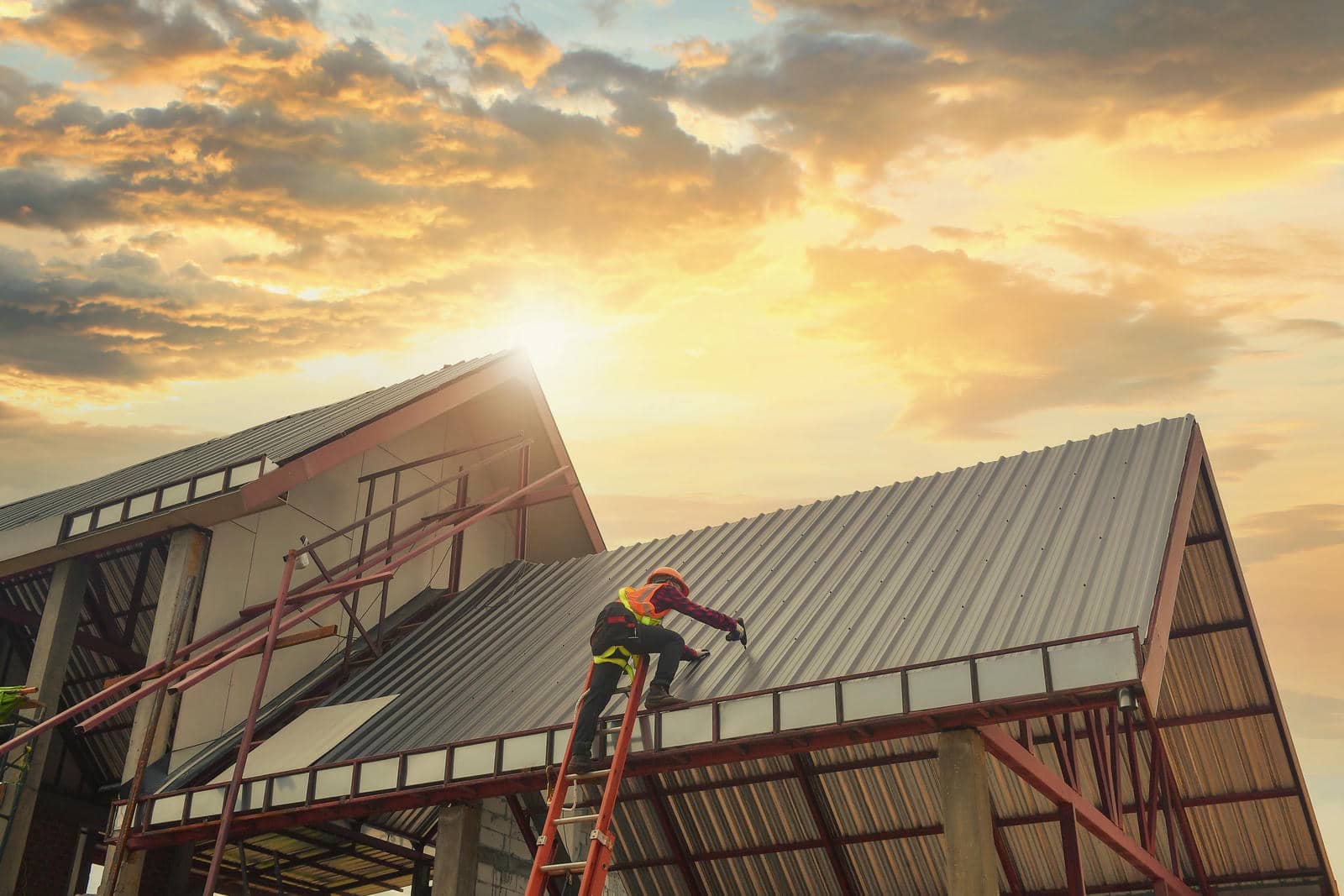
Like a chessboard exposed to the weather, your flat roof demands strategy, not guesswork. You need services that inspect seams, test drainage, repair leaks, and match the right system to your building’s load, climate, and budget. Whether you’re considering TPO, EPDM, or modified bitumen, the real question is how to protect performance before minor defects turn into costly failures.
Key Takeaways
- Flat roof commercial roofing services include inspection, repair, replacement, and routine maintenance for low-slope systems.
- Technicians assess leaks, seams, flashing, drainage, and membrane condition to identify damage accurately.
- Common flat roof systems include modified bitumen, TPO, and EPDM, each suited to different budgets and performance needs.
- Installation typically involves substrate repairs, insulation, vapor layers, and membrane application with fastening, adhesion, or heat-welding.
- Preventive maintenance helps extend roof life by clearing drains, sealing breaches, and addressing storm damage early.
What Do Flat Roof Roofing Services Cover?
Flat roof commercial roofing services cover the full scope of inspection, repair, replacement, and maintenance needed to keep low-slope systems watertight and performing efficiently.
You get a detailed roof assessment, leak tracing, seam evaluation, drainage checks, flashing review, and membrane condition reporting.
When issues appear, technicians patch punctures, seal joints, restore penetrations, and correct localized damage before it spreads.
If your roof has reached the end of service life, they remove failed materials and install a new system with proper edge details and drainage support.
You also receive planned maintenance that includes debris removal, surface cleaning, and preventative fixes.
With flat roof commercial roofing services, you’re part of a property team that protects assets, reduces downtime, and extends roof performance.
Which Flat Roof System Is Best for Your Building?
Choosing the best flat roof system for your building starts with matching the membrane to your structure, budget, climate, and performance goals.
If you need proven value, modified bitumen offers strong durability and repairability. If you want a reflective surface and lower heat gain, TPO can fit energy-conscious facilities.
For superior chemical resistance and flexibility, EPDM performs well on many commercial properties. PVC works well when you need weldable seams and strong resistance to grease or rooftop exposure.
BUR suits buildings that benefit from layered protection and long service life. You should also weigh foot traffic, warranty terms, and maintenance demands.
The right choice helps your team protect assets, control costs, and keep your facility in good standing for years ahead.
How Flat Roof Installation Works
When your team schedules a flat roof installation, the process starts with a detailed inspection of the existing deck, drainage, insulation, and structural conditions.
You’ll then see the crew remove old materials, repair damaged substrate, and clean the surface so the new assembly bonds correctly.
Next, they install vapor control layers, insulation, and tapered components to support proper slope and energy performance.
After that, they apply the chosen membrane, fastening, adhering, or heat-welding it according to the system you selected.
Flashings, edge metal, penetrations, and seams get detailed attention to create a continuous barrier.
Finally, the team performs quality checks, including adhesion and water-shedding verification, so your building joins a durable, code-compliant roofing solution that works as one coordinated system.
Flat Roof Maintenance and Repair Priorities
After installation, your roof’s long-term performance depends on regular inspection and timely repairs. You should inspect seams, flashings, drains, and penetrations for ponding, blisters, punctures, and open laps.
When you catch damage early, you can stop moisture intrusion before it spreads into insulation or structural components. Prioritize drainage issues first, since blocked scuppers and clogged drains often trigger recurring leaks.
Next, address membrane breaches, failed sealant, and loose edge metal with compatible materials and documented repairs. You’ll also want to verify interior signs of distress, including stains, odor, and unexpected heat loss.
Work with a commercial roofing team that knows your system and communicates clearly, so you stay informed, protected, and confident in the care of your building.
Ways to Maximize Flat Roof Lifespan
To maximize a flat roof’s lifespan, you need a proactive maintenance plan that protects the membrane before small issues turn into costly failures.
You should inspect seams, flashings, drains, and penetrations after storms and at scheduled intervals, then fix punctures, blisters, and loose terminations right away.
Keep the roof clean, remove debris, and maintain clear drainage so water doesn’t pond and stress the system.
Use compatible coatings, sealants, and repair materials to preserve waterproofing integrity.
Control rooftop traffic with walk pads and limit untrained access.
You’ll also benefit from documenting every inspection and repair, so your team stays aligned on roof condition and priorities.
When you work with experienced flat roof commercial roofing services, you join a property group that protects assets, reduces downtime, and extends service life.
Review
You’ve seen how flat roof commercial roofing services cover inspections, system selection, installation, maintenance, and repair, but the real test comes later. One hidden seam, one blocked drain, and water can quietly compromise the structure before you notice. If you choose the right membrane, schedule regular service, and act fast on damage, you’ll extend performance and control costs. The next storm may reveal how well your roof was prepared—and whether it’s ready.