Imagine a homeowner who skipped essential steps during their flat roof replacement, only to face leaks within months. Following this flat roof replacement guide is vital for avoiding such pitfalls. It offers detailed insights on roof types, proper assessment, and material choices, ensuring you make informed decisions. By adhering to its structured approach, you can safeguard your investment and enhance your roof’s longevity. Are you ready to protect your home effectively?
Key Takeaways
- Following this guide ensures a thorough understanding of different flat roof types and their specific benefits for informed decision-making.
- It provides a systematic approach to assessing existing roof conditions, preventing potential issues before they escalate.
- The guide emphasizes safety precautions and proper tools, minimizing risks during the replacement process.
- It outlines effective installation techniques, promoting durability and longevity of the new roofing system.
- Regular maintenance tips included in the guide help track roof condition and prevent costly repairs over time.
Understanding Flat Roof Types
When you’re considering a flat roof replacement, it’s essential to understand the various types available.
Built-up roofing, known for its durability, consists of multiple layers that provide excellent protection.
Single-ply membranes offer flexibility and ease of installation, making them a popular choice for residential and commercial applications.
Modified bitumen roofs combine the benefits of asphalt and rubber, providing added strength and weather resistance.
For those interested in sustainability, green roofing systems promote vegetation growth, contributing to energy efficiency and aesthetics.
Reflective coatings can enhance energy efficiency by reducing heat absorption, while insulated panels improve thermal performance, keeping your space comfortable year-round.
Proper drainage systems are vital for preventing water accumulation and ensuring longevity.
Finally, roof coatings can extend the life of your flat roof, offering an additional layer of protection against the elements.
Understanding these options will help you make an informed decision for your flat roof replacement.
Assessing the Condition of Your Existing Roof
Before you commit to a flat roof replacement, it’s important to thoroughly assess the condition of your existing roof.
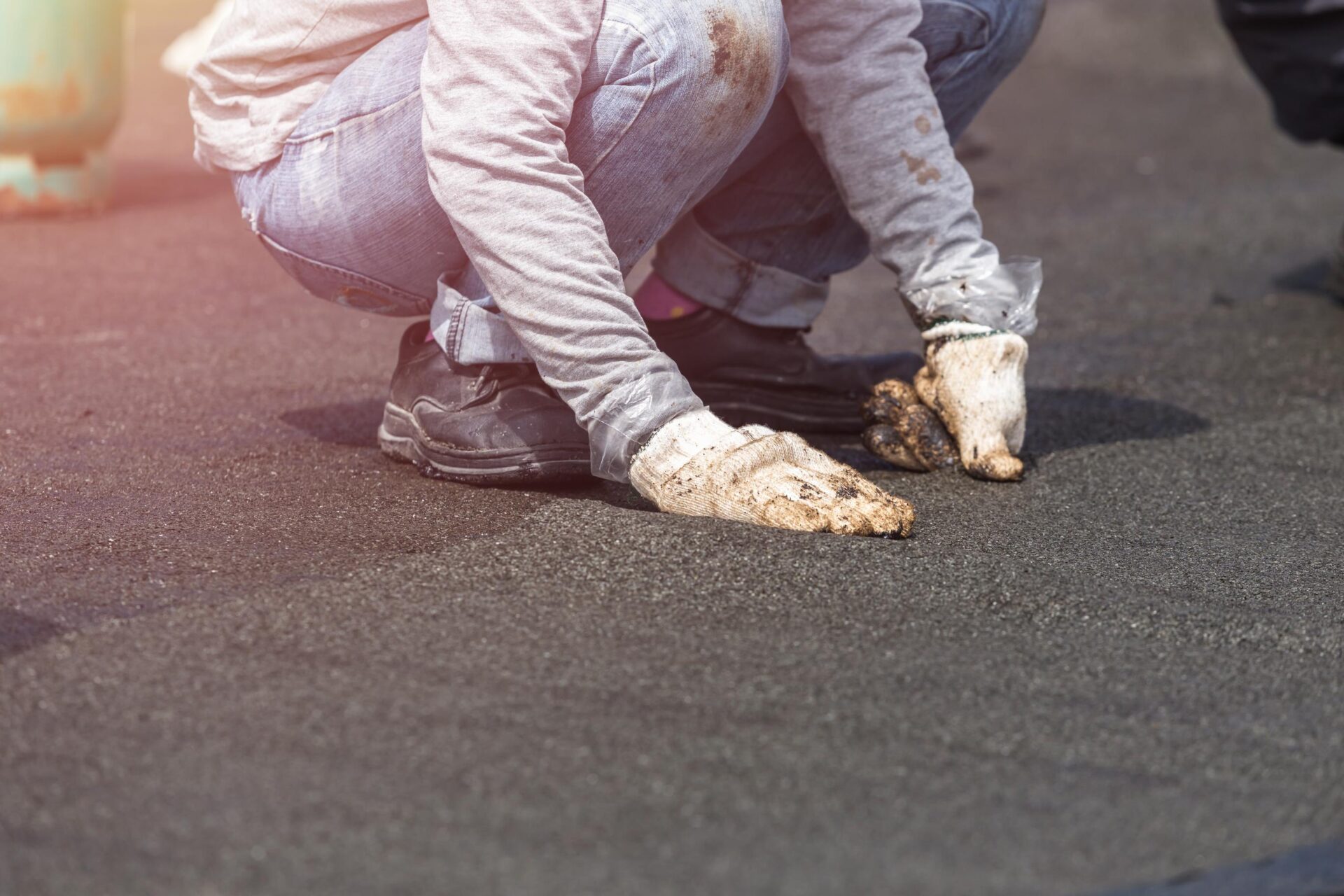
Start by employing effective roof inspection methods, such as visual checks for cracks, blisters, or pooled water. Utilize a moisture meter to detect hidden water damage, as this can compromise structural integrity.
Next, apply damage assessment techniques to evaluate the extent of wear and tear. Look for signs of sagging or uneven surfaces, which indicate underlying issues.
Don’t overlook the flashing and seams, as these are common failure points.
Document your findings meticulously, as this will guide your decision-making process. Engaging with professionals can also provide valuable insights, ensuring you don’t miss critical problems.
Gathering Necessary Tools and Materials
Gathering the right tools and materials is vital for a successful flat roof replacement. Start with proper tool selection, which includes a roofing knife, pry bar, and caulking gun. You’ll also need safety equipment, such as gloves and a hard hat, to ensure a secure working environment.
When it comes to material sourcing, prioritize high-quality options that suit your specific roofing needs. Choose durable membranes, insulation boards, and adhesives that will withstand the elements. Don’t forget about flashing and sealants, as these are essential for preventing leaks.
Establish a checklist to streamline your process, making sure you have everything on hand before starting. A well-prepared setup boosts efficiency and fosters a sense of community among DIY enthusiasts.
Safety Precautions During Replacement
When replacing a flat roof, prioritizing safety is essential.
Always wear appropriate personal protective equipment and ensure your ladders and scaffolds are secure.
Additionally, monitor weather conditions closely to avoid hazardous situations while working.
Personal Protective Equipment
Proper personal protective equipment (PPE) is essential for ensuring your safety during a flat roof replacement.
Adhering to safety standards protects you and fosters a culture of care among your team. Equip yourself with the right protective gear to minimize risks effectively.
Here’s what you should consider:
- Hard Hat: Protects your head from falling debris.
- Safety Glasses: Shields your eyes from dust and flying particles.
- Slip-Resistant Footwear: Reduces the risk of slips and falls on the roof surface.
Investing in quality PPE demonstrates your commitment to safety and enhances teamwork.
Ladder and Scaffold Safety
Ensuring ladder and scaffold safety is essential to preventing accidents during a flat roof replacement.
Start by checking ladder stability; make sure it’s on a flat surface and secured at the top. Always maintain three points of contact when climbing.
For scaffold setup, follow the manufacturer’s guidelines closely, ensuring all components are properly assembled and locked in place. Use guardrails and toe boards to protect against falls and debris.
Regularly inspect your equipment for wear or damage, and never exceed the load limits.
By prioritizing ladder and scaffold safety, you protect yourself and foster a culture of safety among your team.
Weather Considerations
Ladder and scaffold safety sets the stage for tackling the next challenge: weather conditions during a flat roof replacement.
Understanding the impact of weather can greatly influence your project’s success. Here are key considerations to keep in mind:
Rain Impact: Verify you monitor forecasts closely. Rain can jeopardize the integrity of materials and safety on-site.
Temperature Fluctuations: Extreme heat or cold can affect the adhesion of roofing materials. Plan your work for moderate temperatures whenever possible.
Wind Conditions: Strong winds can complicate the installation process and pose safety risks. Avoid working on gusty days.
Removing the Old Roofing Material
Before you start removing the old roofing material, prioritize your safety by wearing appropriate protective gear.
Gather essential tools like a pry bar, a utility knife, and a roofing shovel to streamline the process.
With the right precautions and equipment in place, you’ll be ready to efficiently tackle the removal.
Safety Precautions First
While removing the old roofing material, you must prioritize safety to prevent accidents and injuries. Being aware of potential hazards is essential.
Here are some key safety precautions to keep in mind:
Always wear appropriate personal protective equipment (PPE) like gloves, goggles, and hard hats.
Stay hydrated and take breaks to avoid fatigue, which can lead to mistakes.
Familiarize yourself with emergency procedures in case of accidents.
Tools You’ll Need
To effectively remove the old roofing material, you’ll need a specific set of tools that ensure the job is done safely and efficiently.
First, grab a utility knife for cutting through the roofing layers. A pry bar is essential for lifting and removing the old material without damaging the underlying structure. You’ll also need a roofing shovel to scrape off any stubborn residue.
Safety goggles and gloves are vital to protect yourself during the process. Additionally, a sturdy ladder will help you access your flat roof safely.
Finally, have a trash bag or container ready for the proper disposal of the old roofing material. With the right roofing tools in hand, you’ll complete this task with confidence and precision.
Inspecting and Repairing the Roof Deck
Inspecting and repairing the roof deck is essential for ensuring the longevity and stability of your flat roof. A well-maintained roof deck is critical for preserving deck integrity and preventing moisture damage.
Here’s what you should look for during your inspection:
Visible Damage: Check for cracks, warping, or any signs of deterioration.
Moisture Accumulation: Look for areas where water might pool, indicating potential leaks or underlying issues.
Support Structure: Assess the condition of beams and supports that maintain the deck’s stability.
If you identify any problems, it’s important to address them immediately.
Repairing damaged sections can prevent further complications and safeguard the entire roofing system.
Installing New Underlayment
When installing new underlayment, it is essential to choose the right material to ensure maximum protection and durability.
Consider factors like moisture resistance and compatibility with your roofing system.
Proper installation techniques are essential to prevent future issues, so follow guidelines meticulously to achieve a reliable layer.
Choosing the Right Material
Selecting the right underlayment is essential for the longevity and performance of your flat roof. You need to take into account factors like material durability and cost comparison to make an informed choice.
Here are some key points to help you decide:
Material Durability: Look for options that withstand weather extremes, preventing leaks and damage.
Cost Comparison: Weigh short-term savings against long-term performance; cheaper materials may lead to costly repairs.
Compatibility: Verify your chosen underlayment aligns with your roofing system for best results.
Proper Installation Techniques
Installing new underlayment requires precision and attention to detail to ensure a durable flat roof.
Start by verifying the roof deck is clean and dry, as any debris can compromise the installation process. Use high-quality underlayment suited for your specific roofing material.
Apply it in overlapping sections, typically 6 inches, to prevent moisture infiltration. Secure the underlayment with roofing nails or staples, following recommended roofing techniques to ascertain it lies flat and adheres properly.
Pay close attention to the edges and seams, sealing them with appropriate tape or adhesive.
This careful approach enhances the roof’s longevity and fosters a strong sense of community among those committed to quality craftsmanship in flat roof installations.
Applying the New Roofing Material
As you prepare to apply the new roofing material, it’s essential to verify that the surface is clean and dry to encourage ideal adhesion. This step is vital for ensuring the longevity and effectiveness of your flat roof.
Prioritize material compatibility and utilize appropriate roofing techniques to achieve the best results.
Here are some key points to take into account:
Check for moisture: Make sure the surface is free from any water or debris.
Align the material: Lay out your new roofing material to ensure a proper fit and minimize waste.
Use the right tools: Employ specific tools and adhesives recommended for your chosen roofing material to enhance adhesion.
Sealing and Finishing Touches
After applying the new roofing material, sealing and finishing touches play a crucial role in ensuring a watertight and durable flat roof.
You’ll want to prioritize high-quality sealing methods to prevent leaks and moisture infiltration. Use appropriate sealants for seams, joints, and edges to create a robust barrier against the elements.
Employ effective finishing techniques, such as applying a protective coat over the entire surface, which can enhance durability and reflectivity.
Don’t overlook areas around vents, skylights, or parapets; these are common weak points that require extra attention.
For ideal results, make certain to follow the manufacturer’s guidelines on drying times and application methods.
Finally, double-check all areas for uniformity and proper adhesion—this promotes longevity and performance.
Maintenance Tips for Your New Flat Roof
To ensure your new flat roof remains in ideal condition, regular maintenance is essential. Here are some key tips to keep your roof in top shape:
Conduct regular inspections: Check for any signs of wear, cracks, or blisters at least twice a year. Early detection can save you from costly repairs.
Ensure proper drainage maintenance: Clear gutters and downspouts of debris to prevent water pooling. Standing water can lead to leaks and structural damage.
Trim overhanging branches: Keep trees trimmed to avoid branches scraping the surface and causing punctures.
Wrap-Up
By following this flat roof replacement guide, you safeguard your home’s structural integrity and enhance its aesthetic appeal. Ignoring the steps could lead to costly repairs and diminished property value. With the right tools, materials, and safety precautions, you can transform a worn-out roof into a durable shield against the elements. Embrace the process, and you’ll enjoy peace of mind, knowing your investment is protected for years.