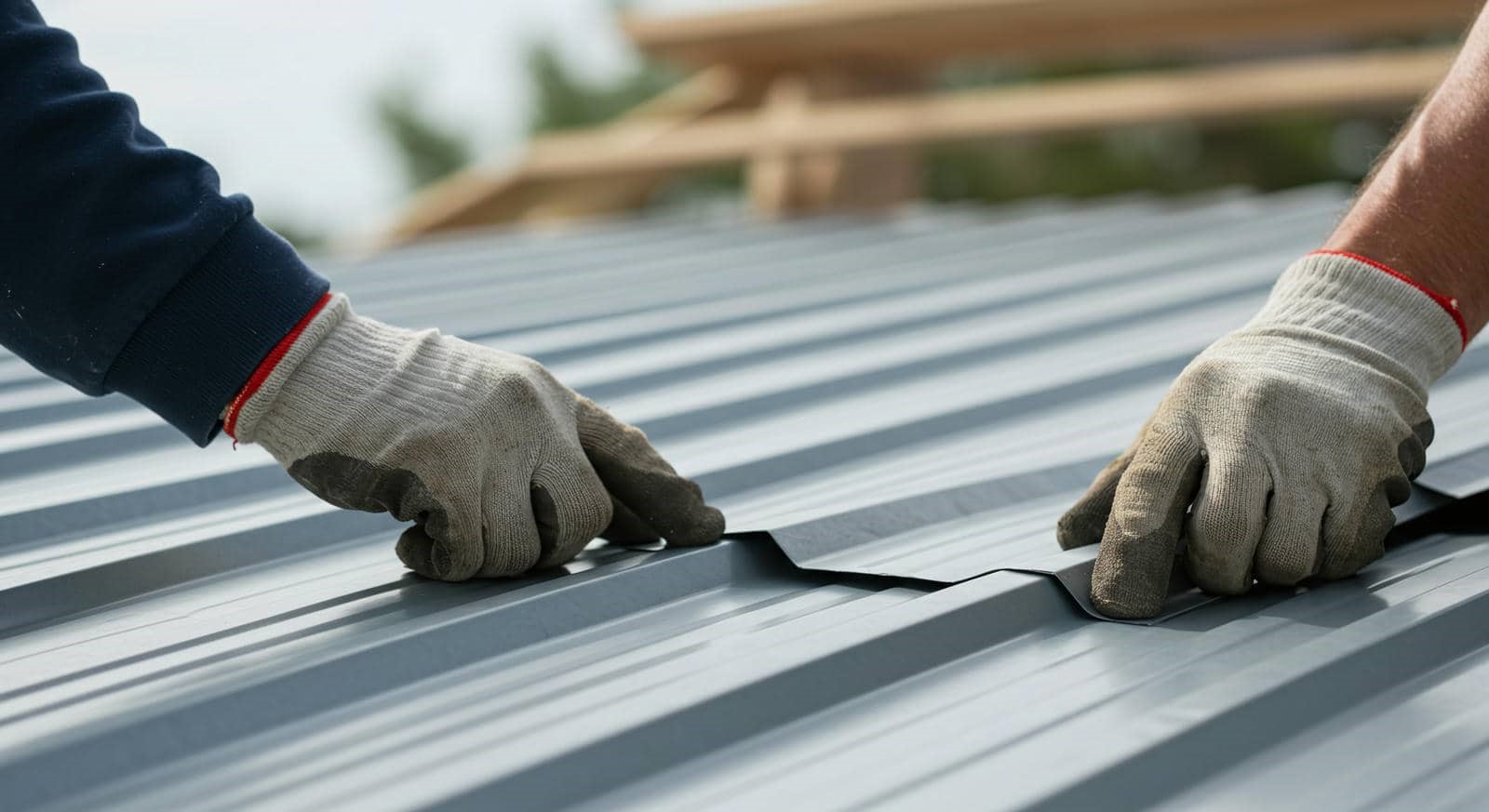
You want durability, you want low maintenance, and you want a roof that performs in harsh weather. Metal roofing can deliver all three while improving fire resistance, water shedding, and energy efficiency. From standing seam panels to corrugated sheets, each profile changes how you install, seal, and fasten the system. Before you choose materials or compare costs, it helps to know which details make the biggest difference.
Key Takeaways
- Metal roofing uses steel, aluminum, copper, or zinc panels designed for durability, weather resistance, and long-term performance.
- It sheds water quickly, resists wind uplift, reflects heat, and typically improves fire resistance and energy efficiency.
- Common styles include standing seam, corrugated panels, R-panels, metal shingles, and stone-coated steel.
- Proper installation requires solid decking, underlayment, flashing, correct fastening, and allowance for thermal expansion.
- Metal roofs often last 40–70 years, with installed costs varying by material, labor, and roof complexity.
What Is Metal Roofing?
Metal roofing is a durable roofing system made from metal panels, shingles, or sheets, typically formed from steel, aluminum, copper, or zinc.
You choose metal roofing when you want a tight, engineered shell that fits your home’s structure and climate. Installers fasten panels over solid decking or battens, then seal seams, edges, and penetrations to control water entry.
You’ll see standing seam, corrugated, and stamped styles, each using specific profiles and clips. Because metal expands and contracts, proper fastening matters.
You also need underlayment, flashing, and ventilation that match the system. When you understand these parts, you can speak confidently with contractors, compare options, and feel like you belong in the process.
Benefits of a Metal Roof for Homes
Once you understand how metal roofing is built, the advantages become easier to judge on a home. You get a roof that sheds water quickly, resists wind uplift, and handles fire exposure better than many conventional systems.
Its reflective surface can reduce heat gain, which may help your cooling load during hot seasons. You’ll also spend less time on upkeep because metal doesn’t absorb moisture, rot, or support insect damage the way organic materials can.
In many climates, the long service life means fewer replacements and less disruption for your household. For you, that translates into steadier performance, predictable maintenance, and better long-term value.
If you want a home that feels reliable, efficient, and built for the long run, metal roofing fits that goal well.
Common Metal Roofing Types and Profiles
When you start comparing metal roofing options, the main differences come down to profile, panel shape, and how each system fastens to the roof deck. You’ll usually see these common types:
Standing seam: sleek, vertical ribs, hidden fasteners, strong weather resistance
Corrugated panels: wavy profile, lightweight, budget-friendly
R-panel: boxy rib pattern, common on homes and outbuildings
Metal shingles: stamped to mimic slate or shake, familiar curb appeal
Stone-coated steel: textured finish, added impact resistance
Each profile changes how your roof looks, sheds water, and handles expansion.
If you want a clean, modern appearance, standing seam fits your style. If you’re after value and a proven workhorse, corrugated or R-panel can suit your project and help you feel confident in the choice.
How Metal Roofing Is Installed
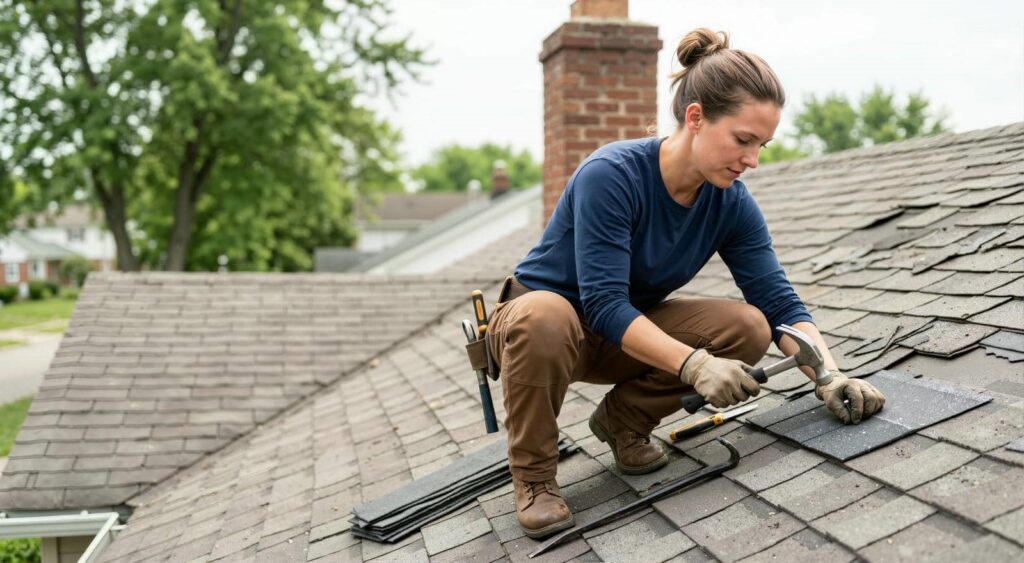
How your roof gets installed depends on the panel type you choose, but the process usually starts with a sound roof deck, an underlayment or moisture barrier, and careful layout lines.
You’ll then set trim, flashing, and starter components so the system ties in cleanly at eaves, valleys, and penetrations.
Next, you fasten panels in the correct sequence, keeping alignment tight and allowing for thermal movement where required.
For standing seam systems, you’ll often use concealed clips; for exposed-fastener panels, you’ll drive screws through the flat areas or ribs as specified.
You and your crew should check laps, seal joints, and verify each course before moving on.
With methodical installation, your roof joins the group of assemblies that shed water reliably and stay crisp in appearance.
How Long Metal Roofing Lasts and What It Costs
Metal roofing often lasts 40 to 70 years, and some premium systems can go even longer with proper maintenance. You get durability, but your total cost depends on panel type, roof complexity, labor, and trim details.
In our roofing community, you’ll want to compare lifecycle value, not just upfront price.
- Steel: lower cost, strong performance
- Aluminum: higher price, excellent corrosion resistance
- Copper: premium cost, exceptional longevity
- Standing seam: higher labor, cleaner install
- Exposed fastener: lower initial cost, shorter service life
Expect roughly $7 to $25 per square foot installed, with specialty systems higher.
Regular inspections, fastener checks, and debris removal help you protect your investment and keep your roof performing for decades.
Frequently Asked Questions
What Maintenance Does a Metal Roof Need Over Time?
You’ll need to inspect fasteners, sealants, flashing, and panels yearly, clear debris, wash gently, and touch up scratches promptly. After storms, check for loosened sections so you keep your roof tight and reliable.
Can Metal Roofing Be Installed Over Existing Shingles?
Yes, you can often install metal roofing over existing shingles if your roof deck’s sound and local code allows it. You’ll save tear-off costs, but you’ll need proper underlayment, fasteners, and ventilation for a lasting fit.
How Does Metal Roofing Perform in Severe Weather Conditions?
In severe weather, you’ll find metal roofing resists wind, hail, and fire well; some systems withstand 140 mph winds. You’ll belong to a safer, lower-maintenance home, though correct fastening and underlayment still matter.
Will a Metal Roof Increase My Home’s Resale Value?
Yes, you’ll often boost resale value because buyers value durability, energy savings, and lower maintenance. You’ll also signal quality and modern appeal, which can help your home stand out and sell faster in competitive markets.
Are There Color and Finish Options for Metal Roofing?
Yes—metal roofing offers many color and finish options, including painted, matte, glossy, and textured coatings. You can match your home’s style, improve curb appeal, and join a look that feels modern, classic, or custom.
Recap
So, if you enjoy roofs that shrug off rain, fire, and decades of weather while asking for little more than the occasional glance, metal roofing is your kind of upgrade. You’ll pay more up front, naturally, because nothing says “smart home improvement” like spending now to stop paying later. Install it correctly, and you get durability, efficiency, and fewer headaches. In other words, the roof does its job so you can pretend you planned it all along.