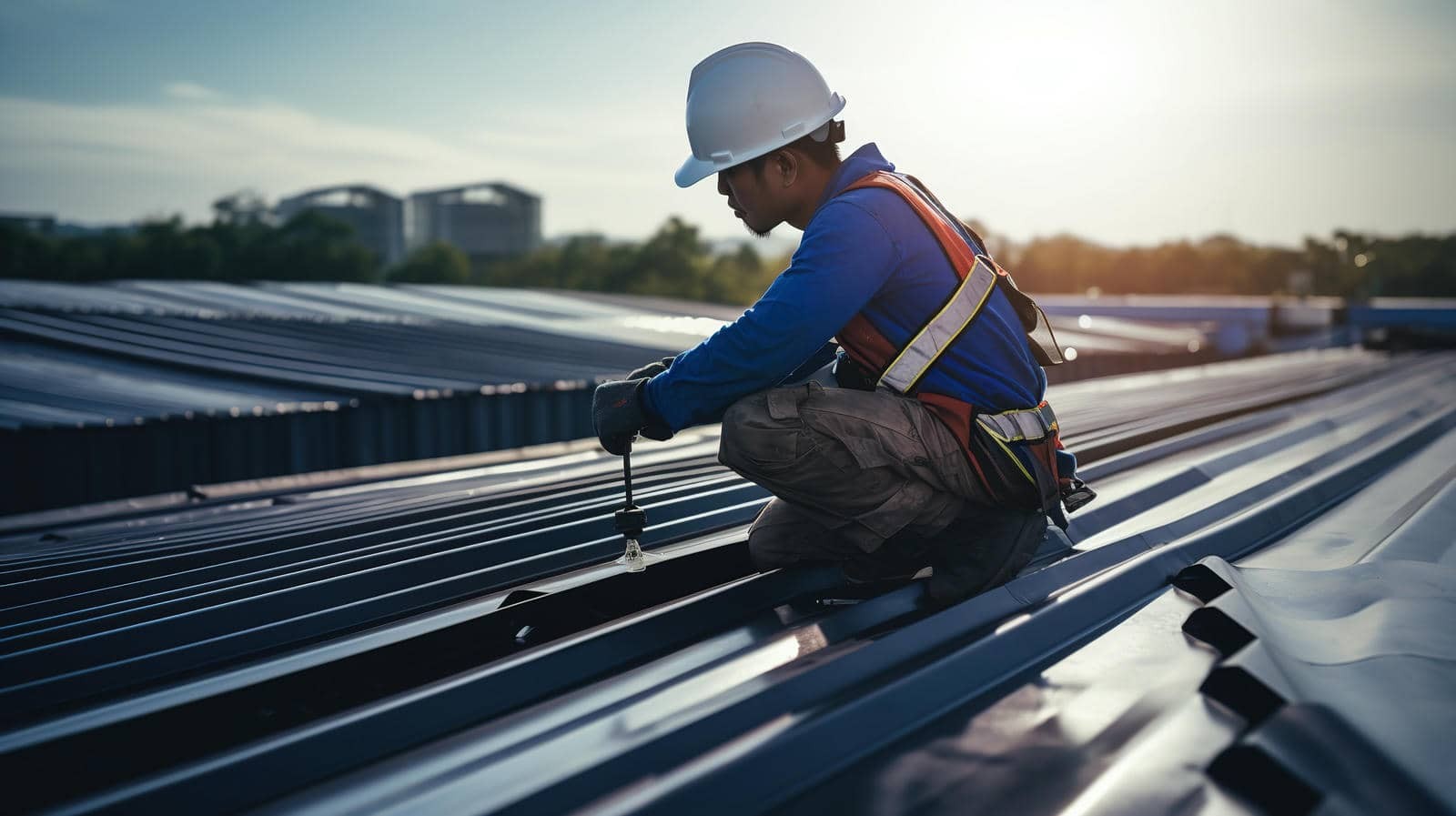
How long can a metal roof really last, and what quietly cuts that number down? You choose the material, but installation quality, fastener condition, flashing integrity, and routine inspections decide whether your roof reaches 30 years or 100. If you ignore debris, storm damage, or small leaks, minor issues can become costly failures fast, so the next steps matter more than you might think.
Key Takeaways
- Metal roof lifespan depends on material, coating quality, installation, and local exposure to sun, salt, hail, and standing water.
- Galvanized steel lasts 30–50 years, aluminum 40–60 years, and copper or zinc 60–100+ years with proper maintenance.
- Inspect metal roofs at least twice a year and after storms for loose fasteners, lifted seams, rust, leaks, and damaged sealant.
- Keep roofs clean by removing debris, clearing gutters and drains, and using soft brushes with low-pressure washing and mild cleaners.
- Repair localized damage early, but consider replacement if corrosion, seam failure, or repeated repairs affect multiple roof areas.
What Affects Metal Roof Lifespan
Several factors affect how long a metal roof lasts, including the panel material, coating quality, installation method, climate exposure, and how well you maintain it.
You can extend metal roofing lifespan and maintenance results by checking fasteners, seams, and flashings on a routine schedule. If installers set panels correctly, your roof handles wind and movement better, which cuts stress at vulnerable points.
Harsh sun, salt, hail, and standing water can speed wear, so you should inspect after storms and clear debris fast. Keep gutters open and trim branches to reduce abrasion and moisture buildup.
When you stay proactive, you protect your roof, lower repair costs, and keep your building secure.
How Long Metal Roofs Last by Material
Metal roof lifespan also depends on the panel material you choose, since each alloy handles corrosion, impact, and coating wear differently.
You’ll usually see strong service life differences across common systems, so pick the one that fits your climate and budget.
Galvanized steel: about 30–50 years when you maintain the finish and fasteners.
Aluminum: about 40–60 years, especially near salt air because it resists rust well.
Copper or zinc: 60–100+ years, with premium durability and lower upkeep demands.
If you want a roof that feels like part of a long-term crew, match material quality to your local weather and installation standard.
Better alloy selection helps you stay confident, avoid premature replacement, and keep performance predictable year after year.
Signs Your Metal Roof Needs Attention
When trouble starts, your roof usually gives you clear clues: loose or missing fasteners, lifted seams, rust spots, scratched coating, leaking at penetrations, and interior stains after heavy rain.
You may also notice oil-canning that worsens, panels that sound loose in wind, or sealant that’s cracked and pulling away.
Don’t ignore chalky streaks, dented areas from impacts, or moisture around skylights, vents, and flashing. These signs often mean water can enter and spread damage below the panels.
If you spot repeated leaks after storms, your roof needs prompt attention from a qualified metal roofing professional.
Staying alert keeps you in control, protects your investment, and helps your home stay strong with the community you count on.
Metal Roof Maintenance Basics
You should inspect your metal roof on a routine schedule to catch loose fasteners, worn sealant, and coating damage early.
Clear off leaves, branches, and other debris so they don’t trap moisture or abrade the panels.
Check gutters, valleys, and drains to keep water moving off the roof and reduce the risk of corrosion or leaks.
Routine Roof Inspections
Routine roof inspections help catch small issues before they turn into leaks, corrosion, or fastener failure. You should inspect your metal roof at least twice a year and after severe weather.
Look for loose panels, lifted seams, worn sealant, scratched coatings, and backed-out fasteners. Use binoculars from the ground first, then access the roof only if it’s safe. Keep your check consistent so you can compare changes over time and stay ahead of wear.
Spring: verify winter didn’t shift panels or stress connections.
Fall: confirm the roof’s ready for cold, wind, and thermal movement.
After storms: document dents, movement, or exposed edges right away.
When you track findings and act quickly, you join the owners who protect performance and extend service life.
Debris And Drainage
Debris buildup and poor drainage can shorten a metal roof’s service life by trapping moisture, blocking runoff, and accelerating corrosion.
You should clear leaves, twigs, pine needles, and granules from valleys, gutters, and behind penetrations after storms and during seasonal checks. Use a soft broom, blower, or low-pressure rinse; don’t scrape the coating.
Keep gutters, downspouts, and scuppers open so water moves off the roof fast. If you see standing water, check for clogged outlets, dented panels, or sagging supports.
Trim nearby branches to reduce future buildup. When you stay ahead of debris, you protect seams, fasteners, and finishes, and you help your roof perform like the rest of the system you rely on.
How to Clean a Metal Roof Safely
You should use a soft-bristle brush, a low-pressure hose, and a non-abrasive cleaner to avoid scratching the finish or forcing water under seams.
Start by removing loose debris, then wash the roof in small sections with a mild solution and gentle, downward strokes.
Rinse thoroughly and work from a stable position so you don’t damage panels or create slip hazards.
Safe Cleaning Tools
A few safe tools can make metal roof cleaning far easier and reduce the risk of damage or injury. You’ll work better when you choose gear that suits your roof profile and your footing.
A soft-bristle brush helps you lift loose debris without scuffing coatings, and a low-pressure sprayer gives you control. Wear non-slip shoes, gloves, and eye protection so you stay steady and focused. Keep your setup simple and reliable.
- Soft-bristle brush for debris
- Low-pressure hose or sprayer
- Safety harness and stable ladder
If you’re part of a crew, share tools and check them before use. That habit builds trust and keeps everyone aligned.
Choose equipment that respects the panel finish, and you’ll protect both performance and lifespan.
Gentle Washing Steps
Start by rinsing the roof with a low-pressure hose to loosen dust, pollen, and surface grit without forcing water under the panels.
Mix a mild, non-abrasive cleaner with water, then apply it with a soft brush or microfiber mop. Work from the ridge down, keeping the surface wet so residue lifts cleanly.
Don’t scrub hard; let the solution do the work and protect the finish. Rinse each section thoroughly before the cleaner dries, since dried soap can streak or leave film.
If you spot bird droppings or sap, soften them first and wipe gently.
Stay on secure footing, use a harness if needed, and clean on a cool, calm day.
Careful washing keeps your roof looking good and helps your whole home crew feel confident.
How to Prevent Rust and Corrosion
Keeping a metal roof dry and protected is the best way to prevent rust and corrosion. You can do that by limiting standing water, removing debris, and keeping the coating intact. When you stay consistent, you help your roof stay strong and part of a well-kept home.
Rinse away leaves, dirt, and salt so moisture doesn’t linger on panels.
Touch up scratches or worn finish quickly with a manufacturer-approved coating.
Keep nearby branches trimmed so air can move freely and wet spots dry faster.
You should also inspect for early discoloration after storms or seasonal changes. Catching small spots early lets you stop oxidation before it spreads.
With steady care, you’ll protect the roof’s appearance, performance, and long-term service life.
Check Metal Roof Fasteners and Flashing
Once you’ve kept moisture and debris under control, inspect the fasteners and flashing that hold the roof system together.
You should look for loose screws, backed-out washers, stripped holes, and missing sealant at laps and penetrations. Tighten only the fasteners that still bite cleanly; overdriving can deform panels and shorten service life. If a fastener spins, replace it with the correct size and gasketed type so your roof stays secure.
Check flashing at valleys, ridges, chimneys, vents, and wall joints for cracks, gaps, or lifted edges. These details keep your metal roof performing like the system your crew expects.
When you catch problems early, you protect the panels, reduce leaks, and keep maintenance predictable. Regular checks help your roof stay reliable, efficient, and part of a well-kept building.
Inspect Your Metal Roof After Storms
After a storm, you should inspect your metal roof for loose panels, displaced seams, and damaged fasteners.
Check for dents, lifted edges, punctures, and missing sealant around penetrations and flashing.
You’ll catch early damage faster, which helps prevent leaks and extends roof life.
Check For Loose Panels
Strong winds and hail can loosen metal roof panels, so you should inspect them right after a storm.
Start at the ground with binoculars, then move safely onto the roof only if conditions allow. You’re checking for shifted seams, raised fasteners, and panels that no longer sit flat. A tight roof protects your home and keeps your crew in good standing with long-term maintenance.
- Look for gaps where panels overlap.
- Press gently near fasteners to feel for movement.
- Mark any loose section for prompt reattachment.
If a panel lifts easily, don’t force it back yourself. Call a qualified roofer who can secure the system with the right clips, screws, and sealants.
Quick action helps your roof stay dependable.
Look For Storm Damage
Storms can leave metal roofing with dents, lifted seams, punctures, and damaged flashings, so inspect the system as soon as it’s safe.
Walk the perimeter first, then check panels, ridge caps, eaves, and penetrations for impact marks or movement. Look for missing fasteners, separated joints, cracked sealant, and water stains under overhangs. If hail hit, note soft dents on flat areas and deeper damage near edges. Use binoculars or photos if the roof’s slippery.
Inside, check insulation, ceilings, and attic framing for leaks or drips. When you spot damage, document it and contact a qualified roofer quickly. Fast action helps your roof stay tight, protect your home, and keep you in the group of owners who get lasting performance.
When to Repair or Replace a Metal Roof
How do you know whether to repair or replace a metal roof? You compare damage extent, age, and leak frequency. If you spot isolated fastener failures, one loose seam, or a small puncture, you can usually repair it.
When corrosion spreads, panels deform, or leaks return after patching, replacement often makes more sense. You’re not alone in facing this call; many owners use a simple triage:
- Repair if damage is localized and the substrate stays sound.
- Replace if rust, movement, or seam failure affects multiple areas.
- Replace if prior repairs no longer hold or the roof reaches end of service life.
A qualified roofer should inspect flashing, panels, and attachment points before you decide.
How to Extend Metal Roof Lifespan
Once you’ve ruled out major damage and know the roof is repairable, you can slow future wear with routine care.
Inspect panels, fasteners, seams, and flashings twice a year and after storms. Clear leaves, branches, and dirt so trapped moisture can’t accelerate corrosion. Keep gutters, downspouts, and roof valleys open for drainage.
Touch up scratches, exposed edges, and worn coatings with compatible sealants or paint before rust starts. Tighten loose fasteners, replace failed washers, and resecure lifted trim. Trim nearby trees to reduce impact and debris.
Watch for ponding, sealant shrinkage, and signs of movement at penetrations. If you stay consistent, your roof stays part of the crew, protecting your home longer and performing the way it should.
Frequently Asked Questions
Can Metal Roofs Reduce Energy Costs in Summer?
Yes, you can lower summer energy costs with metal roofs, especially when you choose reflective coatings and proper insulation. They bounce heat away, reduce attic temperatures, and help your HVAC work less.
Are Metal Roofs Noisy During Heavy Rain?
No, not usually. You’ll hear rain, but insulation, underlayment, and attic space dampen sound. You can reduce noise further with solid decking, tighter fasteners, and quality installation, so your roof feels quieter and more comfortable.
Do Metal Roofs Improve Home Resale Value?
Yes, you can often boost resale value with metal roofs because buyers see durability, energy savings, and lower upkeep. You’ll also signal quality and fit in with premium, long-term home improvements.
Can Solar Panels Be Installed on Metal Roofs?
Yes, you can install solar panels on metal roofs. As the saying goes, “measure twice, cut once.” You’ll use clamps or brackets, protect seams, and ensure load capacity, so your roof and community perform well.
Are Metal Roofs Safe in Lightning Storms?
Yes, you’re safe with a metal roof in lightning storms; it doesn’t attract lightning. You should still ground your home properly, keep wiring code-compliant, and trust a licensed electrician to verify protection systems.
Summary
Your metal roof can serve you for decades if you choose the right material, install it correctly, and inspect it regularly. Stay ahead of rust, loose fasteners, damaged flashing, and storm wear so small issues don’t become costly repairs. Clean it safely, fix problems quickly, and replace worn components when needed. With steady maintenance, your roof works like a shield, protecting your home efficiently and reliably for the long haul.