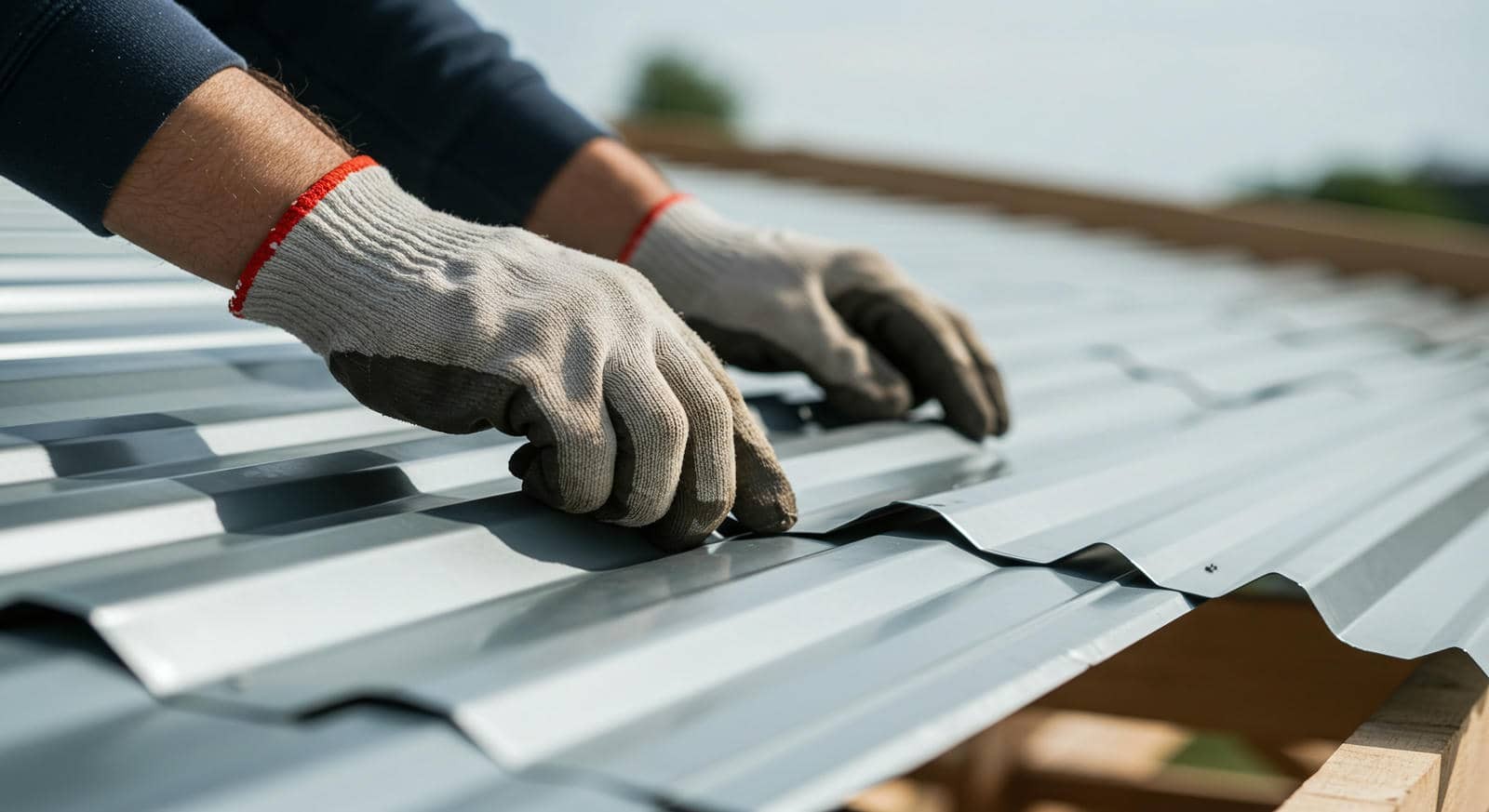
You notice a seam failure after a hard storm, and the contractor says the panel warranty may not apply. That’s where Metal Roofing Warranty Explained becomes important: it can protect you from manufacturing defects, finish problems, and other covered issues, but it won’t cover every loss. Knowing what’s included, what’s excluded, and how long each term lasts can save you from an expensive surprise.
Key Takeaways
- Metal roofing warranties usually cover manufacturing defects, coating failure, and finish fading, but exclude storms, poor maintenance, and normal wear.
- Material warranties protect panels and finishes, while workmanship warranties cover installation errors; both matter for full protection.
- Warranty lengths vary, with finish coverage often 20 to 35 years and panel protection 25 to 50 years, sometimes prorated.
- Common exclusions include hail, unauthorized repairs, cosmetic scratches, clogged drains, and neglect-related leaks.
- Keep invoices, photos, maintenance logs, and inspection reports ready, and file claims quickly through the manufacturer or installer.
What Does a Metal Roofing Warranty Cover?
When you review a metal roofing warranty, you’ll usually find coverage for manufacturing defects, coating failures, finish fading beyond specified limits, and sometimes leaks caused by those defects.
That’s the core of metal roofing warranty explained for you. You’re looking at protection for materials, not routine wear, poor maintenance, or damage from storms, foot traffic, or improper installation.
Read the document closely so you know what the manufacturer will repair or replace, what triggers a claim, and how long each coverage period lasts.
You should also check whether labor, removal, and reinstallation are included, because those costs can change your real exposure.
When you understand these basics, you can judge whether the warranty fits your project and gives your crew, tenants, or facility the support you need.
Types of Metal Roofing Warranties
You’ll usually see two main warranty types: material coverage and workmanship protection.
Material coverage handles defects in the panels or finish, while workmanship coverage protects you if the installer’s labor causes leaks or failures.
You should compare both scopes closely, since the strongest protection often comes from how these two warranties work together.
Material Coverage Types
Material coverage types define what the warranty actually protects, and they usually fall into a few distinct categories.
You’ll typically see coverage for coating finish, corrosion resistance, and panel integrity.
Finish coverage protects against excessive fading, chalking, or peeling beyond stated limits, so your roof keeps its appearance and performance.
Corrosion coverage addresses rust-through or metal deterioration caused by manufacturing defects.
Panel coverage can protect against splits, cracks, or delamination in the product itself.
You should read each category’s limits, because coverage can vary by alloy, exposure zone, and installation conditions.
If you’re comparing options, focus on what’s included, what’s excluded, and whether the protection is prorated.
That way, you can choose a warranty that fits your property with confidence and clarity.
Workmanship Protection Scope
Workmanship protection covers installation-related defects, and it’s often the warranty type that determines whether labor and sealing mistakes get fixed at no cost.
You should check whether it covers fastener placement, panel alignment, flashing, underlayment, penetrations, and sealant failures. If your roofer installs clips too tightly or misses a joint, this warranty can help you avoid out-of-pocket repairs.
It usually won’t cover storm damage, corrosion from bad maintenance, or product defects already covered by the manufacturer. Ask who backs the warranty, how long coverage lasts, and whether transfer rules apply if you sell.
Clear scope matters because you want a roof that performs as promised, and you deserve support from a crew that stands behind its work.
What Metal Roofing Warranties Usually Cover
Metal roofing warranties usually cover two main areas: the panel finish and the workmanship behind the roof installation.
You’re typically protected if the coating peels, blisters, or fades beyond the stated limit, because the finish warranty addresses material performance and appearance.
The workmanship warranty covers installation errors that affect the roof’s watertightness, fastening, flashing, or panel alignment.
In practical terms, this means you can expect correction of defects tied to how the system was installed, not normal aging.
You should keep your warranty documents, record dates, and follow maintenance instructions so you can support a claim if needed.
When you understand these protections, you’re better equipped to work with your roofing team and protect your property with confidence.
Common Metal Roofing Warranty Exclusions
Even strong metal roofing warranties won’t cover every problem, so you need to know the exclusions before you assume you’re protected.
Most policies exclude damage from storms, hail, falling branches, fire, floods, and other acts of nature. They also skip problems caused by poor installation, unauthorized repairs, roof traffic, or modifications you didn’t approve.
If you use incompatible fasteners, sealants, or coatings, you can void coverage too. Normal wear, cosmetic fading, chalking, and minor scratches are usually outside protection unless the warranty says otherwise.
Neglect matters as well: clogged drains, trapped debris, and ignored leaks often shift responsibility to you.
Read the maintenance terms closely, follow them, and keep records so your claim stays strong when your roofing team needs to step in.
How Long Metal Roofing Warranties Last
Warranty length varies by component, and you should check each part separately because coverage usually isn’t one single term.
You’ll often see finish coverage last 20 to 35 years, while substrate or panel protection may run 25 to 50 years, depending on material and exposure. Fasteners, sealants, and trim can carry shorter terms, so read the schedule closely.
Some warranties reduce coverage over time, which means your protection changes after the early years. If you own the property long-term, compare the warranty term to your planned hold period and local weather risk.
Keep installation records, maintenance logs, and product labels together so you can prove eligibility fast. When you know the timeline, you can protect your roof with confidence and stay part of the informed owner group.
Manufacturer vs. Contractor Warranties
Two warranty types usually protect a metal roof, and they cover different risks. The manufacturer’s warranty covers the panels, coating, or finish, so you’re protected if the product doesn’t meet stated performance standards.
The contractor’s warranty covers the installation work, so you have recourse if the crew misapplies flashing, fasteners, or sealants. You need both to feel confident in the system you’re joining, because a roof only performs as well as its materials and workmanship.
Read each document closely, since coverage limits, labor terms, and transfer rules can differ. Ask who handles a claim, how repairs get approved, and whether you’ll pay diagnostic or removal costs.
When both warranties align, you protect your investment and strengthen your place in the ownership community.
What Voids a Metal Roofing Warranty?
A metal roofing warranty can lose coverage fast if you ignore its terms. You can void it by using unauthorized installers, skipping required maintenance, or making unapproved repairs.
If you walk on panels carelessly, use harsh cleaners, or let fasteners, sealants, or coatings fail from neglect, the manufacturer may deny coverage. Structural movement, improper attic ventilation, and incompatible attachments can also trigger exclusions.
You should keep records, follow inspection schedules, and use approved parts so your system stays protected. Most warranties require you to act like a disciplined owner, not a casual one.
Read the service rules, and protect the shared standards that keep your roof, your property, and your coverage in good standing.
How to File a Warranty Claim
To file a warranty claim, you’ll need to gather the required documentation, including photos, purchase records, and installation details.
Submit the claim promptly to the manufacturer or installer, since delays can affect approval.
Keep copies of everything you send so you can track the process and respond quickly if they request more information.
Gather Required Documentation
Before you submit a metal roofing warranty claim, gather every document that supports the issue and proves your coverage. You’ll want the original warranty certificate, purchase invoice, installation contract, and any product registration records.
Add dated photos that show the defect, damage location, and any related interior impacts. Include maintenance logs, inspection reports, and notes from qualified contractors if they’ve confirmed the problem.
If you’ve received prior service records, keep those too, because they help establish a timeline. Organize everything in one folder, digital or paper, so you can reference it fast and avoid gaps.
Clear records show you’re a prepared owner and make it easier for the manufacturer to evaluate your claim without confusion.
Submit Claim Promptly
Once you’ve gathered your records, submit the warranty claim as soon as you notice the defect so you don’t miss any filing deadline.
Contact the warranty administrator or manufacturer using the channel listed in your warranty packet, and include your roof’s model, installation date, property address, photos, and a clear defect description.
State when you first saw the issue and whether it’s worsening. Keep copies of every email, form, and tracking number.
If the claim portal asks for inspection access, schedule it quickly and stay available.
Don’t repair the area unless the warranty allows it, because unauthorized work can void coverage.
Metal Roofing Warranty Comparison Tips
When you compare metal roofing warranties, check the coverage type first: material defects, finish performance, labor, and any prorated terms.
Then line up the warranty length against the roof system you’re installing, because panel, coating, and fastener coverage can differ.
Read the exclusions carefully, since corrosion from standing water, poor ventilation, or unauthorized modifications may void protection.
Compare transfer rules too; a warranty that stays strong for the next owner can add real value to your property.
Watch for claim requirements, like proof of purchase and installer certification, so you’re not caught off guard later.
Finally, favor clear, written terms over sales talk. You want a warranty that fits your roof, your budget, and your crew.
Questions to Ask Before You Buy
Now that you’ve compared coverage types, warranty length, exclusions, and transfer rules, it’s time to press for specifics.
Ask who issues the warranty, the manufacturer, installer, or both, and which defects each one covers. Confirm whether finish fade, chalking, corrosion, and leak repair are included, and get the exact labor terms.
Ask what maintenance you must document to keep coverage valid, and whether unapproved accessories void claims. Check how wind, hail, salt air, and ponding water affect protection in your climate.
Request the claim process, response timeline, and whether prorated value drops after year five. Finally, ask if the warranty transfers once, how fees apply, and what paperwork you need.
These questions help you join a well-informed owner group.
Frequently Asked Questions
Can a Metal Roofing Warranty Transfer to a New Homeowner?
Yes, you can sometimes transfer a metal roofing warranty to a new homeowner, but you’ll need to check the manufacturer’s terms, registration deadlines, and transfer fees. Keep paperwork handy so you protect coverage during sale.
Are Labor Costs Always Included in Metal Roofing Warranties?
No, you won’t always get labor costs covered in a metal roofing warranty. You should check terms carefully, because many warranties cover materials only, while workmanship or labor may need separate protection.
Do Warranties Cover Color Fading From Sun Exposure?
Usually, you won’t get coverage for normal sun fading, since warranties often exclude weathering. You should check whether your warranty specifically promises fade resistance, because only certain coatings or colors may qualify for protection.
Can I Extend My Metal Roofing Warranty After Purchase?
Yes, you can sometimes extend it after purchase, but you’ll usually need the manufacturer’s approval, documented maintenance, and payment of a fee. Check your policy now, because extensions often have deadlines and exclusions.
Does Coastal Weather Affect Warranty Protection?
Yes—coastal weather can limit coverage if salt, wind, or humidity exceed warranty specs. You’ll want to check exclusions, because the devil’s in the details. Regular inspections and approved coatings help keep your protection intact.
Final Thoughts
So, you’ve got a metal roof and a warranty—what could possibly go wrong? Plenty, if you skip the fine print and then act shocked when hail, poor maintenance, or a botched install gets denied. Read the exclusions, track the paperwork, and know whether you’re covered for materials, finish, or labor. If you want the warranty to work for you, don’t treat it like decorative legal confetti.