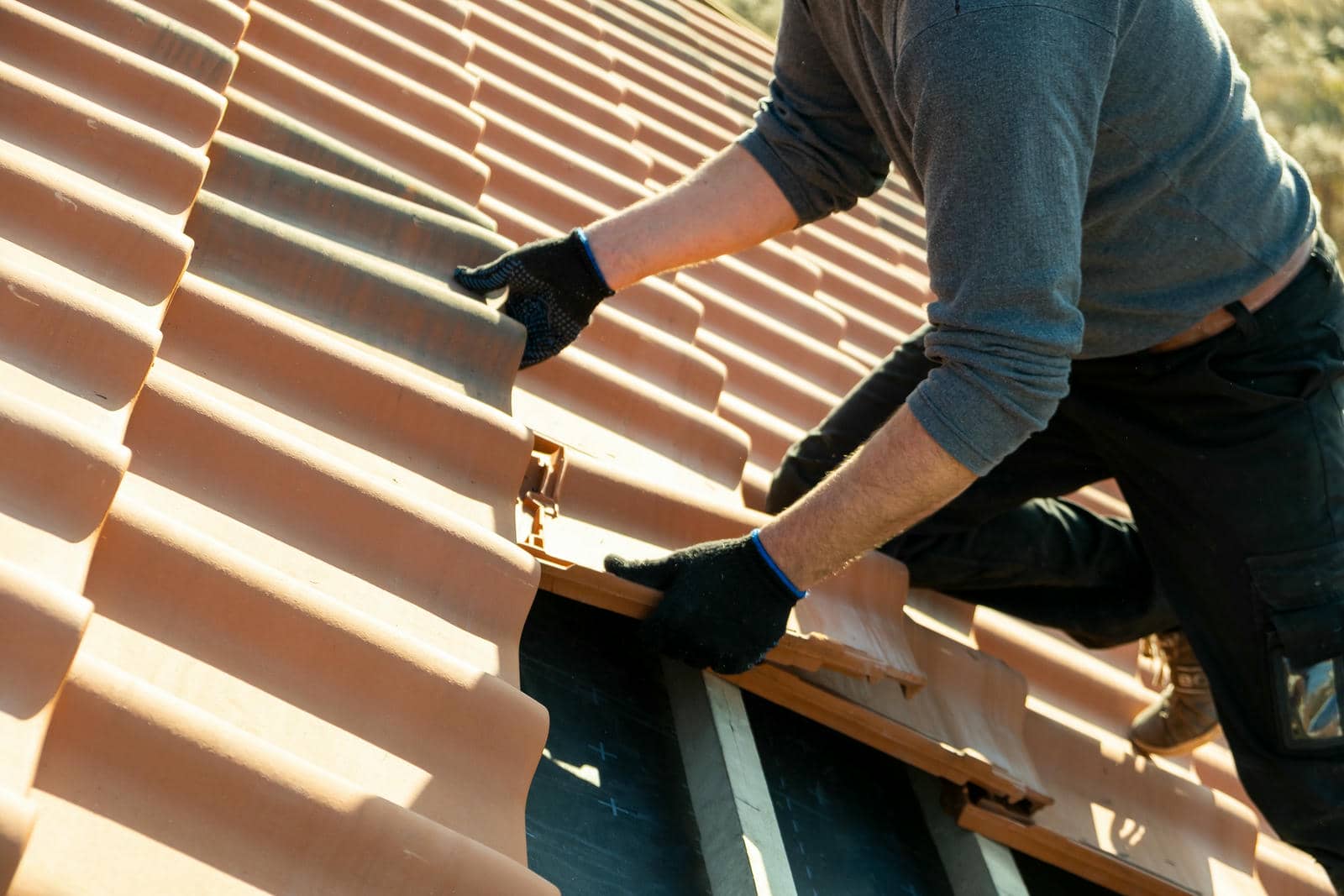
A roof permit can feel like a small key that opens up a much larger process. You’ll need to know when your project crosses from simple repair into code-regulated work, because structural changes, full replacements, and geometry shifts often trigger approval. Local rules vary, and skipping them can lead to fines, inspection issues, and resale problems. The real question is which projects actually need one, and that’s where things get specific.
Key Takeaways
- Roof installation permits are often required by local building codes, especially for structural or code-impacting changes.
- Full roof replacements, decking removal, and changes to framing, slope, or materials usually need approval.
- Additions like skylights or dormers typically require permits and structural review.
- Check permit requirements early, then submit plans, materials, and contractor details to avoid delays.
- Skipping permits can cause stop-work orders, fines, reinspection fees, and forced removal of finished work.
Do You Need a Roof Installation Permit?
Yes—whether you need a roof installation permit depends on your local building code, the scope of the work, and the type of roofing system you’re installing.
You should verify the permits required for roof installation before you start, because your city or county may treat new construction, structural changes, and certain material systems differently.
If you’re replacing an existing roof, you may still need approval when you alter framing, underlayment, ventilation, or fire-rated assembly details.
You’ll protect your project, your crew, and your place in the code-compliant homeowner community by checking with the building department early.
Ask for written guidance, keep the permit number on site, and schedule inspections as required.
That simple process helps you avoid delays, fines, and rework.
What Roof Projects Need Permits?
You’ll usually need a permit if your roof project changes the structure, framing, or load path of the roof.
Full roof replacements often require approval too, especially when you’re removing decking, altering sheathing, or changing materials.
Check local code before you start so you can match the permit to the scope of work and avoid inspection delays.
Structural Roof Changes
If your roof project changes the structure, you’ll usually need a permit. You’re in the right place when you’re planning cuts, framing updates, or load-bearing modifications, because inspectors want proof that the system stays safe and code-compliant.
Rafter or truss changes: You can’t cut, sister, or move structural members without approval.
Slope or height changes: You’ll need to review if you alter the roof pitch, ridge height, or framing geometry.
Opening additions: Skylights, dormers, and penetrations often require drawings and structural checks.
Load upgrades: If your area needs stronger snow, wind, or seismic resistance, your plan must show it.
When you ask first, you protect your crew, your home, and your place in a code-ready neighborhood.
Full Roof Replacements
A full roof replacement often needs a permit, especially when you remove the old covering and install new materials over decking, underlayment, or structural layers.
You’ll usually need one when you change roof weight, re-nail sheathing, replace damaged decking, or alter flashing and ventilation. Inspectors verify that your roof meets local code for fastening, fire rating, and weather resistance, so you stay aligned with your neighborhood’s standards.
If you’re only swapping identical shingles on a minor repair, a permit may not be required, but don’t assume. Check with your building department before work starts. You’ll avoid delays, fines, and failed inspections.
When you pull the right permit, you protect your investment and join the community of compliant homeowners who keep roofs safe, durable, and code-ready.
Where to Check Your Local Roof Permit Rules
Start with your city or county building department, since that office usually sets the local roof permit rules for reroofing, structural changes, and inspections. You’ll get the clearest answer there, and you’ll know you’re working with neighbors who follow the same code path.
Check the municipal code website for roofing, permit, and zoning sections.
Call the building department and ask whether your roof type needs a permit.
Review your HOA rules, because they can add design limits without replacing code.
Confirm county, state, or historic-district requirements if your property falls under them.
You should also verify fire, wind, and snow-load standards that may affect your project.
Keep the exact address handy, since rules can change block by block.
When you check these sources first, you protect your timeline and stay aligned with your local community.
How to Get a Roof Installation Permit
You should first check your local permit requirements so you know which roof installation rules apply to your project.
Then prepare the required documents, such as plans, property details, and contractor information, to support your application.
Submit the permit promptly to avoid delays and keep your installation compliant.
Check Local Requirements
Where do you begin? Start by checking your city or county building code, because permit rules for roof installation change by location. You’ll fit in faster when you verify the exact standards before you plan work.
Confirm whether your roof type needs a permit.
Check zoning, historic district, and HOA limits.
Note inspection timelines and required approval steps.
Ask the building department about local amendments.
Call or visit the permit office, then review the official website for current roofing rules.
If you’re replacing materials, changing structure, or adding layers, local requirements often tighten.
Keep your project scope aligned with those rules so you avoid delays and rework.
When you match local expectations, you protect your investment and stay part of a code-compliant community.
Prepare Permit Documents
Once you’ve confirmed local roofing rules, gather the permit paperwork the building department expects. You’ll usually need a completed application, property address, contractor details, roof plan, and site sketch.
Include the existing roof type, proposed materials, slope, square footage, and any structural changes. If your project affects ventilation, flashing, or decking, note those details clearly. Attach product specifications, engineering letters if required, and proof of ownership or authorization.
Keep every document legible and consistent; mismatched names or dimensions can stall review. Use the checklist from your jurisdiction so you’re aligned with the process and part of the community that builds safely.
Before you move on, verify that signatures, dates, and attachment counts are complete. A clean packet helps inspectors trust your work and speeds approval.
Submit Application Promptly
Submit your permit application as soon as your documents are complete so the review clock can start without delay. You’ll move faster when you submit the package directly to the correct building department and pay the fee on time.
Keep your team aligned by tracking every required form, drawing, and contractor license.
- Verify the jurisdiction’s intake rules before filing.
- Attach site plans, product specs, and load data.
- Confirm signatures, dates, and contact details.
- Save the receipt and follow up on status.
Prompt filing helps you avoid scheduling gaps, failed inspections, and costly rework.
When you act quickly, you stay in step with other homeowners and pros who keep projects compliant and on track.
What Happens During Roof Permit Inspections?
During a roof permit inspection, an inspector verifies that the work matches the approved plans and meets local code requirements.
You’ll usually see them check roof decking, underlayment, flashing, fasteners, ventilation, and edge details. They may also confirm that penetrations, skylights, and chimney areas are sealed correctly and that required fire-resistance or wind-resistance features are in place.
Keep your permit, approved drawings, and product documentation on site so you can answer questions fast. If the inspector asks for access, make sure the attic, roof surface, and any concealed areas are clear and safe.
You’re part of a process built to protect your home and crew. A clean, organized site helps the inspection move smoothly and keeps your project on track.
What Happens If You Skip Roof Permits?
Skipping roof permits can create problems that cost more than the permit itself. You may face stop-work orders, fines, and forced removal if inspectors discover unapproved work.
Your crew can also run into delays when you need to reopen the job and submit corrected plans. In many areas, the building department can require you to prove code compliance before closing the project. That adds time, labor, and stress to your team.
- You risk citations and penalties.
- You may need to expose finished sections.
- You can lose schedule control.
- You may trigger reinspection and extra fees.
When you follow the permit process, you stay aligned with your local trade community and keep the job moving with fewer surprises.
How Roof Permits Protect Resale Value
When you get the proper roof permits, you create a clear paper trail that helps future buyers, appraisers, and lenders verify the work was done legally and to code.
That documentation lowers uncertainty during inspections and speeds up underwriting because your roof’s status is easy to confirm. You also reduce the chance that a buyer asks for a price cut to cover unknown compliance risks.
In competitive markets, that confidence can help your home stand with the right group of comparable properties. If you later list your house, permit records show you followed local requirements and respected safety standards.
Keep copies with your closing documents and maintenance file so you can answer questions quickly and protect value at resale, without scrambling for proof after the fact.
How Roofers Can Help With Permits
Roofers can often handle the permit process for you, or at least simplify it by identifying which permits your project needs, preparing the required documents, and coordinating with the local building department.
You stay informed while your crew keeps the job moving and helps you avoid delays, fines, and failed inspections.
- They review your roof scope and flag permit triggers.
- They submit plans, photos, and product data.
- They schedule inspections and track corrections.
- They close out the permit so your records stay complete.
When you work with a licensed roofer, you’re part of a team that knows local code, keeps paperwork tight, and protects your project from avoidable setbacks.
Summary
Before you start roof work, get the right permit and keep your project compliant. One industry estimate says nearly 1 in 3 major roof projects trigger permit review, so checking first can save you time and money. If you skip permits, you risk fines, failed inspections, and problems when you sell. A licensed roofer can help you file, schedule inspections, and close out the job correctly, so your roof stays safe and code-compliant.