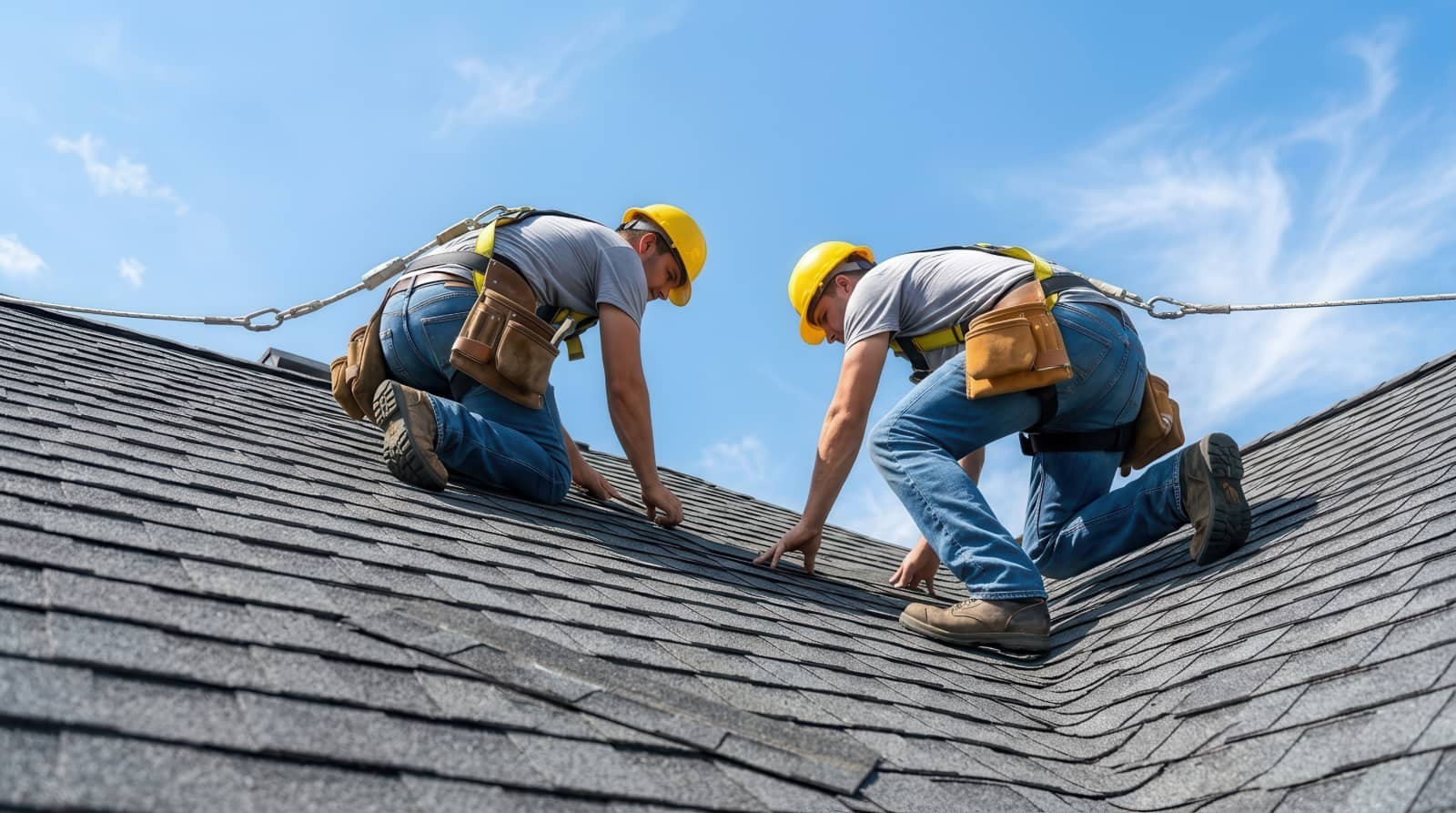
When you’re weighing residential roofing services against roof repair, the difference usually comes down to scope, cost, and long-term value. A repair can solve a leak or replace a few shingles, but full roofing services often include inspection, planning, maintenance, or a complete replacement. The right choice depends on roof age, damage level, and budget—and one of those factors can change everything.
Key Takeaways
- Roof repair fixes localized damage like missing shingles or small leaks without replacing the whole roof.
- Residential roofing services include inspection, maintenance, repair, replacement, and sometimes installation for the entire roofing system.
- Repairs are cheaper upfront, while full roofing services or replacement cost more but offer longer-term protection.
- Widespread shingle loss, repeated leaks, or structural damage usually require residential roofing services beyond simple repair.
- Choose a licensed contractor who provides a thorough inspection, written estimate, and clear scope of work.
Roof Repair vs. Roof Replacement: What’s the Difference?
When should you choose roof repair over roof replacement? You choose repair when the damage is localized, the roofing system still has useful life, and you want a faster, lower-cost fix.
With residential roofing services vs roof repair, the difference is scope: roofing services may include full-system assessment, material matching, and replacement planning, while roof repair targets one area with patching, sealing, or shingle replacement.
You’ll usually get repair when the deck is sound, leaks are limited, and the roof’s age doesn’t justify a full tear-off.
Replacement makes sense when deterioration is widespread, materials fail across multiple sections, or repeated repairs no longer protect performance.
If you’re part of a homeowner community, you want a solution that fits your roof’s condition, budget, and long-term goals.
Signs You Need a Roof Repair
You can spot a needed roof repair by checking for visible shingle damage, such as cracking, curling, missing granules, or lifted edges.
Inside your home, look for leak signs like water stains, damp insulation, or peeling paint on ceilings and walls.
If you notice either issue, you should act quickly to limit structural damage and compare repair needs with broader residential roofing services.
Visible Shingle Damage
Visible shingle damage often signals a localized roofing issue that needs repair rather than a full residential roofing service. You should inspect for cracked, curled, missing, or lifted shingles, since these defects expose the underlayment and weaken your roof’s weather resistance.
Granule loss, especially in patches, also tells you the shingle surface is wearing out. When damage stays limited to one slope or a small area, a targeted repair usually makes sense. You can replace individual shingles, reseal edges, and restore protection without committing to broader work.
Acting early helps you stay ahead of bigger problems and keeps your home in solid shape with the rest of your neighborhood. If the damage spreads across multiple sections, then you may need a more thorough roofing solution.
Interior Leak Signs
Interior leak signs often point to a roof repair before the problem spreads. When you notice water stains, peeling paint, or damp drywall, act fast. These symptoms usually mean water’s entering through damaged shingles, flashing, or underlayment.
You don’t need full residential roofing services for every leak; a targeted repair can stop the intrusion and protect your home.
- Brown ceiling rings after rain
- Musty attic odors or visible mold
- Bubbling paint near walls or vents
- Wet insulation or drips in the attic
Check these areas after storms, then call a roofer for inspection. Prompt repair keeps your space safe, dry, and comfortable, and it helps you stay part of a well-maintained neighborhood.
Signs You Need a New Roof
If you see missing or curling shingles across large sections of your roof, you may be past the point of simple repair.
Widespread water damage in your attic, ceilings, or walls often means the roof’s protective system has failed.
In that case, you should compare roof repair with full residential roofing services to determine whether replacement makes more sense.
Missing Or Curling Shingles
A few missing or curling shingles often point to more than a simple repair issue. You can replace a few tabs, but repeated loss usually means your roof’s sealant, fasteners, or underlayment are aging.
When shingles curl, they no longer shed wind and UV stress effectively, and your whole system starts to look tired. If you’re checking your roof, look for these signs:
- Shingles lifting at the edges
- Granules collecting in gutters
- Exposed nail heads
- Patch repairs that keep failing
In this case, roof repair may buy time, but residential roofing services can assess whether you need targeted fixes or full replacement.
That helps you protect your home, stay with your neighborhood standard, and make a smart, confident decision.
Widespread Water Damage
Widespread water damage often signals that your roof has moved past simple repair and needs a full evaluation. You may notice ceiling stains, peeling paint, damp insulation, or soft drywall after rain.
These signs usually mean water’s entering through more than one point, and patching one leak won’t solve the problem. In that case, residential roofing services can inspect the full system, including shingles, flashing, underlayment, and ventilation, to find hidden failure.
If moisture keeps returning, you’re likely dealing with structural damage, not an isolated repair. You deserve a roof that protects your home and your household with confidence.
A replacement can restore coverage, improve energy performance, and reduce future emergency calls.
Repair vs. Replacement Costs
Repair usually costs less upfront than a full replacement, but it may only solve the immediate issue if the roof has broader wear or structural damage.
You’ll often choose repair when you want a targeted fix that keeps your home protected and your budget steady. Replacement costs more at first, yet it can reduce repeated service calls and align your roof with your household’s long-term needs.
- Repair: lower initial labor and material cost
- Replacement: higher project cost, broader scope
- Repair: best for isolated leaks or damaged sections
- Replacement: better when you want a unified, long-lasting system
When you compare bids, ask for line-item pricing and warranty terms.
That helps you make a confident choice with your roofing team.
How Roof Age and Damage Affect the Decision
As your roof gets older, the balance between repair and residential roofing services shifts from fixing isolated damage to addressing system-wide wear. You can patch a newer roof when damage stays localized, like a few missing shingles, a small leak, or flashing failure.
Once the roof passes midlife, aging materials, repeated thermal movement, and brittle sealants make repairs less reliable. If you see widespread granule loss, curling edges, sagging, or multiple leaks, you’re likely dealing with a larger service need, not a simple fix.
Age also changes how well your roof matches existing materials, so repairs may stand out or fail sooner. When damage spreads across several planes, a full residential roofing service usually gives you a more durable result and helps you protect your home with confidence.
How to Choose the Right Roofing Contractor
Once you know whether your roof needs a targeted repair or broader residential roofing services, the next step is choosing a contractor who can handle the work correctly.
You want a team that inspects thoroughly, explains findings clearly, and matches the scope to your roof’s condition. Ask for proof of licensing, insurance, and manufacturer certifications, so you’re protected and included in a professional process.
- Verify local references and recent project photos.
- Compare written estimates, not verbal quotes.
- Confirm warranty terms for labor and materials.
- Ask who’ll manage cleanup, permits, and communication.
A reliable contractor won’t pressure you; they’ll help you choose the right solution with confidence and keep you informed at every step.
Frequently Asked Questions
What Services Are Included in Residential Roofing?
You’ll typically get roof inspections, leak detection, shingle replacement, underlayment repairs, flashing installation, ventilation upgrades, gutter work, storm damage assessment, and full roof replacement, depending on your home’s condition, materials, and performance goals.
How Often Should a Roof Be Inspected?
You should inspect your roof twice yearly, like checking a trusted shield before storms. You’ll also want an inspection after severe weather, so you can catch damage early and keep your home protected.
Can Roof Repairs Improve Energy Efficiency?
Yes, you can improve energy efficiency with roof repairs by sealing leaks, replacing damaged insulation, and fixing ventilation issues. You’ll reduce heat loss, lower bills, and protect your home’s comfort year-round.
What Roofing Materials Last the Longest?
Slate and metal last longest; you’ll get 50+ years from quality installs. Choose them for durability, low maintenance, and storm resistance, and you’ll join homeowners who value roofs that stand strong like steadfast guardians.
Do Residential Roofers Handle Insurance Claims?
Yes, you’ll often find residential roofers handle insurance claims, too. They inspect damage, document losses, meet adjusters, and help you navigate repairs or replacement, so you’re not dealing with the process alone.
Conclusion
When you’re deciding between residential roofing services and roof repair, focus on the scope of damage, roof age, and long-term cost. If the issue is isolated, a repair can solve it fast and keep your system performing well. If wear is widespread, replacement may be the smarter move. You’ll save time and money by choosing the right fix now instead of chasing endless problems later. A good contractor makes that decision feel like a million-dollar call.