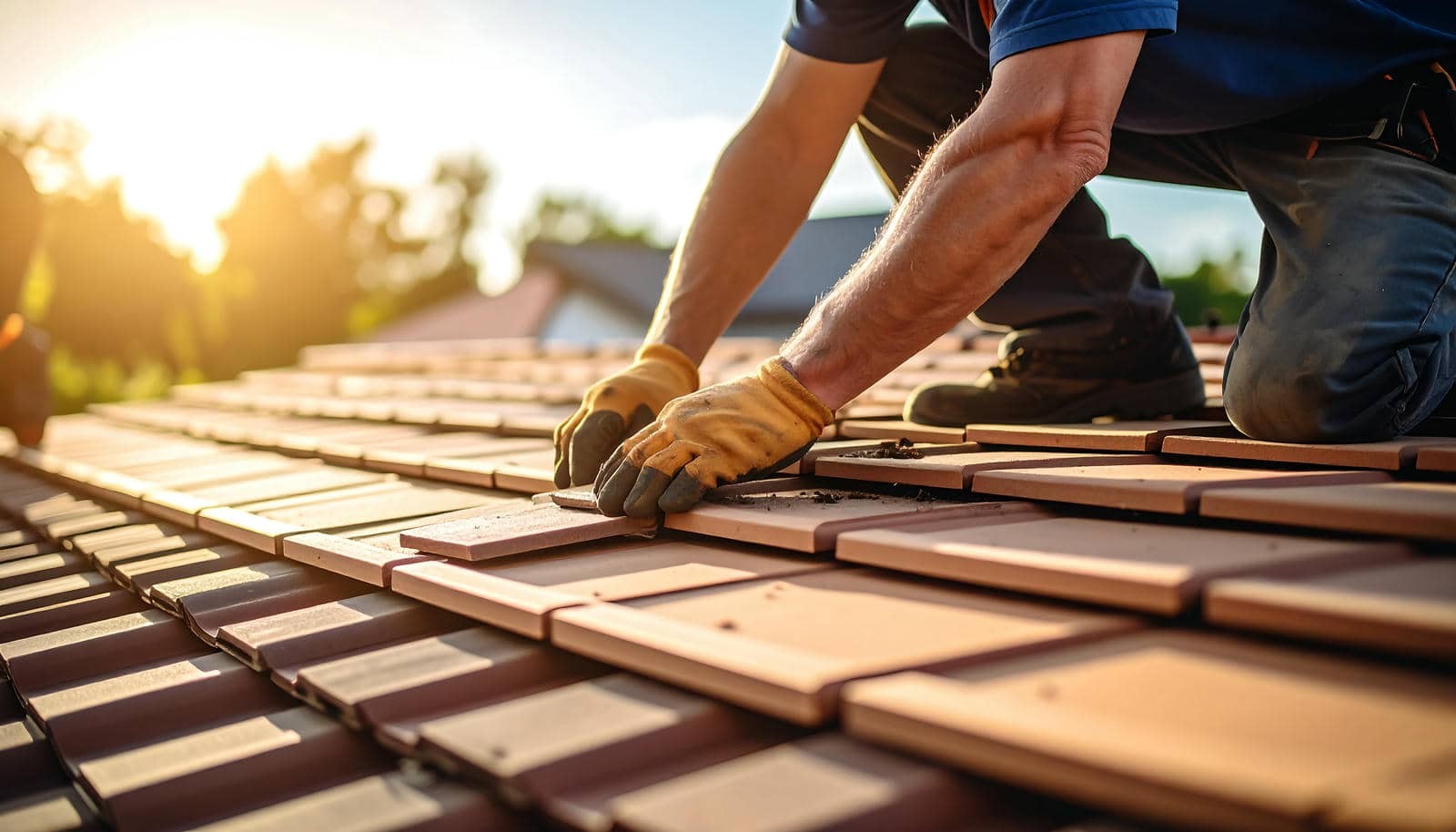
When selecting roofing materials to prevent leaks, it’s vital to understand the options available. Durable choices like metal roofing or high-quality asphalt shingles can offer excellent water resistance. However, the effectiveness of these materials hinges on proper installation and local climate considerations. With multiple factors at play, it’s important to assess both the materials and the installation techniques that enhance performance. What else should you keep in mind to ensure your roof remains leak-free?
Key Takeaways
- Choose materials with superior water resistance, such as metal or high-quality asphalt shingles, to minimize leak risks.
- Ensure proper sealing and installation techniques to prevent water intrusion at joints and seams.
- Select materials compatible with local climate conditions to enhance durability against extreme weather events.
- Regular maintenance, including gutter cleaning and inspections, is essential to prevent leaks and prolong the roof’s lifespan.
- Review warranties for coverage on leak-related issues, ensuring protection against potential future problems.
Understanding Different Roofing Materials
When it comes to roofing, understanding the various materials available is essential for making the right choice for your home. One popular option is asphalt shingles, known for their affordability and ease of installation. They come in a variety of styles and colors, allowing for customization that enhances your home’s curb appeal.
However, when you look at the metal roofing benefits, such as longevity and energy efficiency, you might reconsider. Metal roofs can last 40-70 years, far surpassing asphalt’s typical 15-30 years. Additionally, metal roofing reflects sunlight, reducing cooling costs in hot climates.
In asphalt shingle comparisons, while they may be cheaper upfront, the long-term savings and durability of metal can outweigh initial costs. Ultimately, choosing the right material depends on your budget, aesthetic preferences, and how long you plan to stay in your home.
Each option has its merits; weigh them carefully to find your perfect fit.
The Importance of Proper Installation
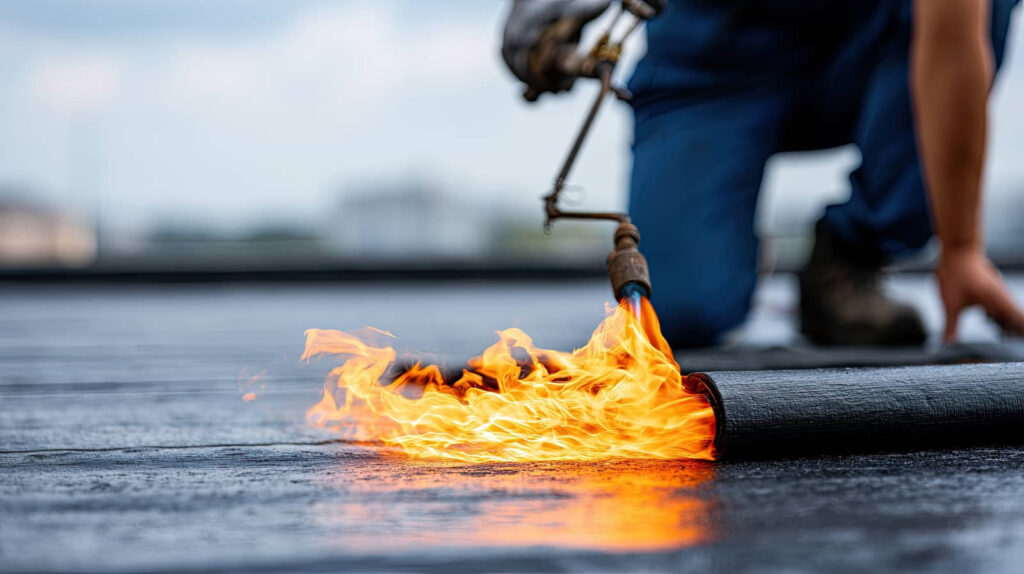
Although you may choose the best roofing materials, proper installation is vital for ensuring their performance and longevity. Without using the right installation techniques and skilled labor, even top-quality materials can fail, leading to costly leaks and repairs.
Here are key reasons why proper installation matters:
Seam Integrity: Proper sealing prevents water intrusion at joints.
Material Compatibility: Correct installation ensures materials work well together, maximizing durability.
Structural Support: Skilled labor ensures that your roof can withstand environmental stressors.
Choosing a professional with experience in roofing installation is essential. They’ll understand the nuances involved and apply the correct techniques tailored to your specific roofing materials.
Investing in skilled labor enhances the roof’s lifespan and provides peace of mind, knowing your home is well-protected. Remember, it’s not just about the materials; it’s about how they’re installed that makes all the difference.
Evaluating Weather Resistance
Evaluating the weather resistance of roofing materials is critical for ensuring your home can withstand various environmental conditions.
Different roofing materials respond uniquely to changing weather patterns, such as intense heat, heavy rain, and snow. You’ll want to prioritize materials that have undergone rigorous material testing, which assesses their ability to resist moisture infiltration, UV radiation, and wind damage.
Consider options like asphalt shingles, metal, and tiles, each showing different levels of durability against specific weather challenges. For instance, metal roofing often excels in snow and rain resistance, while tiles may provide superior protection against UV rays.
Research local weather trends to choose materials that align with your region’s climate.
Ultimately, by selecting weather-resistant roofing materials, you’re not just protecting your investment; you’re creating a safe, comfortable environment for you and your loved ones.
Assessing Lifespan and Durability
Understanding the lifespan and durability of roofing materials is essential for making a sound investment in your home. Different materials offer varying levels of longevity and strength, so conducting a lifespan comparison can help you choose wisely.
You’ll want to take into account factors like:
- Material type: Asphalt shingles last about 20 years, while metal roofs can last 50 years or more.
- Weather exposure: Areas with extreme weather conditions require more durable options.
- Maintenance needs: Some materials demand more upkeep than others, impacting overall durability.
Engaging in durability testing can provide insights into how different materials withstand wear and tear over time.
Considering Energy Efficiency
When selecting roofing materials, energy efficiency is essential for reducing your utility bills and enhancing comfort.
You should consider energy-saving roof options, such as reflective materials that minimize heat absorption.
Additionally, effective insulation plays a significant role in maintaining your home’s temperature and improving overall efficiency.
Energy-Saving Roof Options
Choosing the right roofing materials can greatly impact your home’s energy efficiency. By opting for energy-saving roof options, you enhance comfort and contribute to a sustainable future.
Here are three effective choices:
Solar shingles: These innovative materials harness solar energy, reducing your reliance on the grid.
Green roofing: This option involves planting vegetation on your roof, providing insulation, and lowering energy costs.
Cool roofs: Designed to reflect sunlight, they help keep your home cooler in summer, reducing air conditioning demands.
Incorporating these energy-efficient roofing options can lead to substantial savings on your energy bills while promoting a healthier environment.
Making informed choices ensures your home stays comfortable and sustainable for years to come.
Reflective Roofing Materials
Reflective roofing materials play an essential role in enhancing your home’s energy efficiency by minimizing heat absorption.
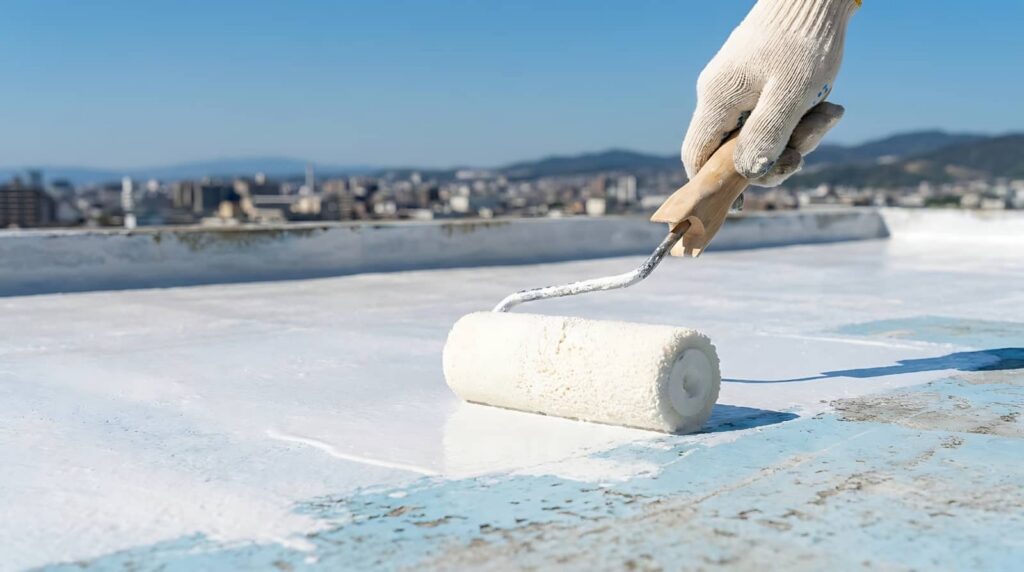
By using reflective coatings, you can greatly improve your roof’s solar reflectivity, which helps keep your home cooler during hot months. This reduces your reliance on air conditioning and lowers your energy bills.
When selecting reflective materials, look for options that have a high Solar Reflective Index (SRI), ensuring peak performance. These materials are designed to reflect more sunlight and absorb less heat, creating a comfortable living environment.
Investing in reflective roofing benefits you financially and contributes to a more sustainable community, promoting energy conservation and reducing greenhouse gas emissions.
Insulation Impact on Efficiency
While reflective roofing materials help manage heat, the insulation you choose can markedly impact overall energy efficiency.
Understanding different insulation types and their thermal performance is essential for maximizing energy savings. Here are three key factors to take into account:
Material R-value: Higher R-values indicate better thermal resistance, reducing heat transfer.
Air sealing: Proper installation minimizes air leaks, enhancing insulation effectiveness.
Moisture control: Selecting insulation that manages moisture can prevent mold and maintain structural integrity.
Analyzing Cost vs. Long-term Value
When evaluating roofing materials, understanding the balance between initial costs and long-term value is essential. A thorough cost analysis helps you compare the upfront expenses of different materials against their lifespan and durability.
For instance, while asphalt shingles may be cheaper initially, they often require replacement sooner than metal or tile roofs, which can lead to higher long-term costs.
Conduct a value assessment by considering factors like energy efficiency, maintenance requirements, and potential insurance savings. Investing in high-quality materials might strain your budget now, but it can save you money on repairs and energy bills down the line.
The Role of Maintenance in Leak Prevention
Proper maintenance plays an essential role in preventing roof leaks, as neglecting routine inspections can lead to considerable issues down the line. By staying proactive, you can save time, money, and stress.
Here are a few key maintenance practices to take into account:
- Conduct routine inspections at least twice a year, especially after severe weather events.
- Address minor issues promptly with preventive repairs to avoid costly damage later.
- Keep gutters and drains clear to ensure proper water flow and prevent pooling.
Establishing these habits extends the life of your roof and fosters a sense of community among homeowners who prioritize their home’s integrity.
You’ll feel confident knowing you’re taking steps to protect your investment while contributing to a neighborhood that values quality and care.
With regular attention, you can notably reduce the risk of leaks and maintain a safe, secure environment for your family.
Impact of Local Climate on Material Choice
Understanding how local climate influences material choice is vital for selecting the right roofing system for your home. Different climates require specific considerations to ensure ideal material performance.
In areas prone to heavy rainfall, for instance, you should prioritize waterproof materials that can withstand prolonged exposure to moisture. Conversely, if you live in a region with extreme heat, opt for reflective materials that enhance energy efficiency and reduce heat absorption.
Climate adaptation is important; selecting materials that align with your local weather patterns can greatly extend your roof’s lifespan. Additionally, consider wind resistance in hurricane-prone areas or snow load capabilities in regions with heavy snowfall.
Seeking Professional Advice and Expertise
When it comes to selecting roofing materials, seeking professional guidance is essential.
Experts can assess your specific roofing needs and provide tailored material recommendations based on local conditions and building requirements.
Their insights can help ensure that you make informed choices that enhance the durability and performance of your roof.
Importance of Professional Guidance
While choosing roofing materials may seem straightforward, seeking professional guidance can greatly impact the longevity and performance of your roof. By consulting experts, you’ll benefit from their material expertise and industry insights.
Here are key reasons why professional advice is invaluable:
Tailored Solutions: Experts can analyze your unique needs and recommend suitable materials that align with your budget and preferences.
Quality Assurance: Professional consultations ensure you select high-quality materials that meet safety and durability standards.
Leak Prevention: Experienced roofers identify potential problem areas early, helping you avoid costly leaks later.
Investing in expert consultations enhances your roofing project and gives you peace of mind, knowing you’ve made informed choices for your home.
Assessing Roofing Needs
Evaluating your roofing needs requires a clear evaluation of your home’s structure, climate, and aesthetic preferences.
Start with thorough roofing assessments to identify potential issues and areas of concern. Understanding your local weather patterns is vital, as it influences the material suitability for your roof. For instance, areas with heavy rainfall may require more durable options to prevent leaks.
Consulting with roofing professionals can provide valuable insights into which materials align with your specific situation. They’ll assess your home’s architecture and suggest solutions that complement its style while ensuring reliability.
Material Recommendations and Insights
Taking into account the diverse range of roofing materials available, seeking professional advice can greatly streamline your selection process.
Experts can guide you toward options that enhance your home’s aesthetic and prioritize leak prevention and sustainability.
Here are some recommendations to reflect upon:
Metal Roofing: Durable and recyclable, metal roofs offer excellent leak resistance and longevity.
Clay Tiles: Known for their durability, clay tiles are also eco-friendly and provide great insulation.
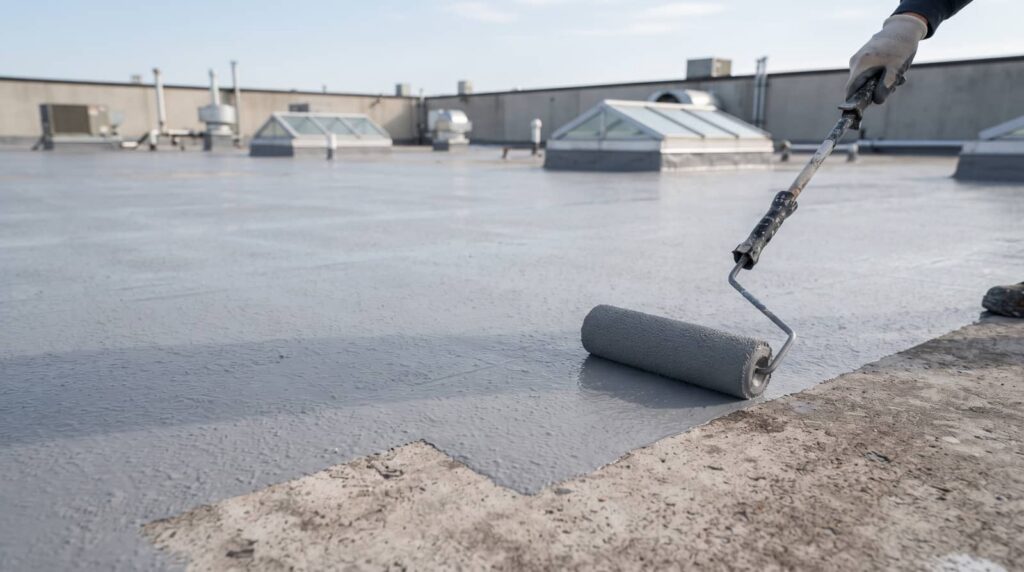
EPDM Rubber: A cost-effective, sustainable material ideal for flat roofs, ensuring leak prevention.
Reviewing Warranties and Guarantees
How do you guarantee your roofing investment is protected? Understanding warranty terms and guarantee coverage is essential.
When selecting roofing materials, always scrutinize the warranties offered by manufacturers. Look for extensive coverage that includes both materials and workmanship, ensuring that you’re safeguarded against defects or installation errors.
Pay close attention to the warranty duration; longer terms often indicate greater confidence in the product’s longevity. Additionally, check for any exclusions or conditions that might void your warranty—these can vary considerably between brands.
Some warranties are prorated, meaning they lose value over time, while others might be non-prorated, providing full coverage throughout their lifespan.
Frequently Asked Questions
How Do Different Roofing Materials Affect Home Resale Value?
Different roofing materials greatly impact your home’s resale value. Opt for durable options aligned with current roofing trends, as they enhance curb appeal and buyer confidence, ultimately leading to higher offers and quicker sales.
Can Roofing Materials Be Recycled After Their Lifespan?
Yes, many roofing materials can be recycled after their lifespan. Embracing recycling benefits enhances material sustainability, reduces waste, and supports eco-friendly practices, allowing you to contribute positively to the environment while potentially lowering replacement costs.
What Are the Best Roofing Materials for DIY Installation?
Wondering which roofing materials are best for DIY? Asphalt shingles are popular for their ease of installation. Don’t forget to follow installation tips, such as proper layering and sealing, to ensure durability and performance.
How Do Roofing Colors Influence Energy Efficiency?
Roofing colors greatly influence energy efficiency. Lighter hues reflect sunlight, minimizing heat absorption, while darker shades absorb more heat. Choosing cool roofing can enhance comfort, lower cooling costs, and promote a sustainable environment for your community.
Are There Eco-Friendly Roofing Options Available?
Yes, you’ve got eco-friendly roofing options like green roofing systems and sustainable materials such as recycled shingles. These choices reduce your environmental impact and enhance your home’s energy efficiency and aesthetic appeal.
Final Thoughts
Choosing the right roofing materials is essential for preventing leaks and ensuring your home’s longevity. By prioritizing durable materials, professional installation, and regular maintenance, you can protect your investment and enhance your home’s performance against the elements. Don’t underestimate the importance of informed choices in roofing.