You might find it odd that the same storm that exposes a roof leak can also expose a contractor’s credentials. When you hire a licensed residential roofer, you’re not just buying shingles and labor; you’re getting code compliance, insured workmanship, and a process that protects your home’s value. The difference between a proper install and a costly mistake often shows up where you least expect it.
Key Takeaways
- Licensed roofers understand local codes, permits, and inspection requirements, helping your project pass compliance checks the first time.
- Proper licensing signals verified training, accountability, and safer workmanship on installation, repair, and replacement jobs.
- Licensed contractors usually manage permits, inspections, insurance, and warranty documentation, reducing homeowner risk and confusion.
- Professional installation protects against leaks, hidden damage, premature wear, and costly rework caused by poor workmanship.
- Hiring licensed residential roofers helps preserve roof durability, resale value, and long-term protection for your home.
What Licensed Roofers Handle
Licensed residential roofers handle the full scope of roof installation, replacement, repair, and inspection work, from decking and underlayment to shingles, flashing, ventilation, and weatherproofing.
When you search for licensed residential roofing services near me, you’re connecting with professionals who assess structural conditions, identify leak paths, and match materials to your home’s slope, climate, and load demands.
You’ll get precise tear-off, re-nailing, sealant application, and edge detailing that support long-term performance. Licensed crews also coordinate clean work zones, protect landscaping, and verify that each component integrates correctly.
That means you’re not just getting a patch job; you’re getting a complete roofing system built to perform as one. With the right team, you can feel confident your home’s envelope is in capable, trusted hands.
Why Roofing Licenses Matter
When you hire a licensed residential roofer, you’re choosing a contractor who knows local code requirements and can complete work that meets inspection standards.
You also get verified roofing credentials, which help confirm the contractor’s training, accountability, and legal authorization to perform the job.
This protects your investment and reduces the risk of costly compliance issues later.
Code Compliance
Meeting local building code requirements is one of the biggest reasons to hire a licensed residential roofing contractor. You need a roof that passes inspection, meets permit standards, and aligns with structural, fire, and ventilation rules.
When you work with a licensed professional, you reduce the risk of failed inspections, costly corrections, and project delays. You also protect your home’s value because code-compliant work supports safe resale and smoother insurance claims.
Licensed roofing teams stay current on local amendments, so your installation fits current requirements, not outdated assumptions. That means you’re not guessing or hoping for approval; you’re joining homeowners who choose dependable workmanship and regulatory precision.
With the right contractor, you get compliance handled correctly the first time, and your property stays protected.
Verified Roofing Credentials
Verified roofing credentials give you a quick way to confirm that the contractor handling your roof has the training, authorization, and accountability required for the job.
When you verify a license, insurance, and local registration, you reduce your exposure to unsafe practices, code violations, and costly rework. You also know the roofer belongs to a professional network that follows industry standards and stands behind its work.
That matters when you want your home protected by people who’ve earned the right to be there. Ask for license numbers, check their status with the issuing authority, and review proof of coverage before work starts.
Licensed professionals don’t just show competence; they demonstrate a commitment to your trust, your neighborhood, and your long-term investment.
How Licensed Roofers Meet Building Codes
Licensed roofers meet building codes by following local permit requirements, using approved materials, and installing every system component to the standards your jurisdiction enforces.
You get a roof that aligns with structural, fire, wind, and ventilation rules because licensed crews know the code language and apply it on site. They measure fastening patterns, flashing details, underlayment placement, and roof slope limits with precision, so your assembly performs as designed.
They also check manufacturer instructions, since codes often require them to be followed exactly. When your roofer documents compliance through inspections and field corrections, you join a community of homeowners who protect durability, safety, and resale value.
That level of workmanship helps you trust the roof over your head.
How Permits, Insurance, and Warranties Work
Permits, insurance, and warranties each protect you in a different way when you hire a residential roofer.
Permits show your project follows local requirements, and a licensed contractor usually handles the application, inspections, and final approval for you.
Insurance protects your home and your household by covering jobsite accidents and property damage, so you’re not left managing unexpected costs.
Warranties give you documented recourse if materials fail or workmanship doesn’t meet the promised standard.
When you choose a licensed roofer, you join a process built on accountability, documentation, and clear responsibility.
You can ask for proof of each item before work begins, review the coverage terms, and keep every record with your home files.
That preparation helps you protect value and confidence.
Risks of Hiring an Unlicensed Roofer
Skipping those protections can create costly problems fast. When you hire an unlicensed roofer, you expose your home to code violations, poor workmanship, and hidden damage that can spread beneath the shingles.
You may also face failed inspections, denied claims, and repair costs that keep climbing after the job ends. Without licensing standards, you can’t count on proper training, accountability, or compliance with local requirements.
That means your roof may leak, sag, or age prematurely, putting your family and property at risk. A licensed residential roofing service helps you stay aligned with trusted industry practices, so you’re not left alone to fix preventable mistakes.
Choosing qualified professionals also gives you confidence that your home belongs to a community of well-protected, well-maintained properties.
How To Verify a Roofing Contractor’s License?
You should verify a roofing contractor’s state license through the official licensing board before you sign any agreement.
Then, confirm that the contractor carries current liability insurance and workers’ compensation coverage to protect your property and reduce your exposure.
These checks help you choose a qualified professional and support code-compliant residential roofing work.
Check State License
To verify a roofing contractor’s license, start with your state’s licensing board or contractor database and confirm that the license is active, current, and issued for residential roofing work.
You should match the contractor’s legal name, business name, and license number exactly, because small discrepancies can signal expired, suspended, or misclassified credentials.
Check whether the license covers the scope of your project and note any disciplinary actions, complaints, or restrictions listed by the board.
If your state requires local registration, verify that too.
A licensed contractor works within your state’s code and permitting framework, which helps you join the group of homeowners who protect their property with informed decisions.
Keep a screenshot or printout for your records before you move forward.
Confirm Insurance Coverage
Next, confirm the roofing contractor’s insurance coverage before you sign anything or release a deposit. You should request current certificates for general liability and workers’ compensation, then verify the policy numbers, effective dates, and coverage limits directly with the insurer.
Don’t rely on a photo, brochure, or verbal assurance. A licensed contractor should gladly name you as an additional insured when the project warrants it, and that step strengthens your protection if damage or injury occurs.
Ask whether subcontractors carry their own coverage, too. If a contractor hesitates, gives inconsistent details, or lets coverage lapse, move on.
When you choose insured professionals, you join a community of homeowners who protect property, reduce risk, and keep roofing work compliant, accountable, and secure.
What to Expect During a Roof Installation
During a roof installation, a licensed contractor typically starts with a full site assessment, confirms material delivery, and reviews any required permits or code requirements before work begins.
You’ll see the crew protect landscaping, set safety barriers, and stage tools so the work area stays organized and secure.
Next, they remove old roofing layers if needed, inspect the deck, and address any damaged sheathing before installing underlayment, flashing, and the selected roofing system.
Throughout the job, your contractor should communicate progress, keep the site clean, and verify that each phase meets manufacturer specifications and local standards.
When Roof Repairs Need a Licensed Roofer
Not every roof problem calls for the same level of response, but repairs that affect structural integrity, waterproofing, flashing, or code compliance should always be handled by a licensed roofer.
You need licensed help when leaks spread beyond a single shingle, when sagging suggests framing stress, or when storm damage exposes underlayment and penetrations.
You also need a licensed roofer if repairs involve skylights, chimneys, valleys, or complex flashing, because these areas demand precise sealing and code-aware methods.
When you choose qualified service, you’re working with professionals who understand your home’s system and your community’s standards.
That means your repair gets done with the right materials, the right tools, and the right accountability, so you can feel confident your roof is protected and your home stays secure.
How Licensing Protects Your Roof Investment
A licensed roofer protects your investment by bringing verified training, code knowledge, and accountability to every phase of the job.
You get work that meets local building standards, so you’re less likely to face failed inspections, leak-prone details, or costly rework.
Licensing also signals that the contractor carries required insurance and follows safety protocols, reducing your exposure to liability on-site.
When your roof system is installed correctly the first time, you preserve manufacturer warranties and extend service life.
That means fewer surprises, stronger weather protection, and better resale value.
You’re not just hiring labor; you’re partnering with a qualified professional who helps safeguard your home, your budget, and your peace of mind.
Frequently Asked Questions
How Do Licensed Roofers Handle Unexpected Roof Damage?
You’ll get a rapid inspection, temporary stabilization, and a clear repair plan. They document damage, secure materials, address hidden issues, and coordinate code-compliant fixes, so you’re protected, informed, and confident throughout the process.
Can Licensing Affect Roof Material Quality Choices?
Yes—licensing can shape your material choices, because you’ll get code-compliant, manufacturer-approved options. Why settle for guesswork? You’ll choose durable products with confidence, and your roof’ll perform better, protecting your home and neighbors.
Do Licensed Roofers Help With Storm Damage Claims?
Yes—licensed roofers help you document storm damage, verify losses, and meet insurer requirements. You’ll get detailed inspections, photos, estimates, and code-aware repairs, which can strengthen your claim and speed approvals.
How Long Does a Typical Roofing License Verification Take?
You can usually verify a roofing license in 5 to 15 minutes online, though phone checks or database delays may take longer. You’ll confirm credentials fast, protect your project, and join informed homeowners.
Are Licensed Roofers Required for Small Roof Leak Repairs?
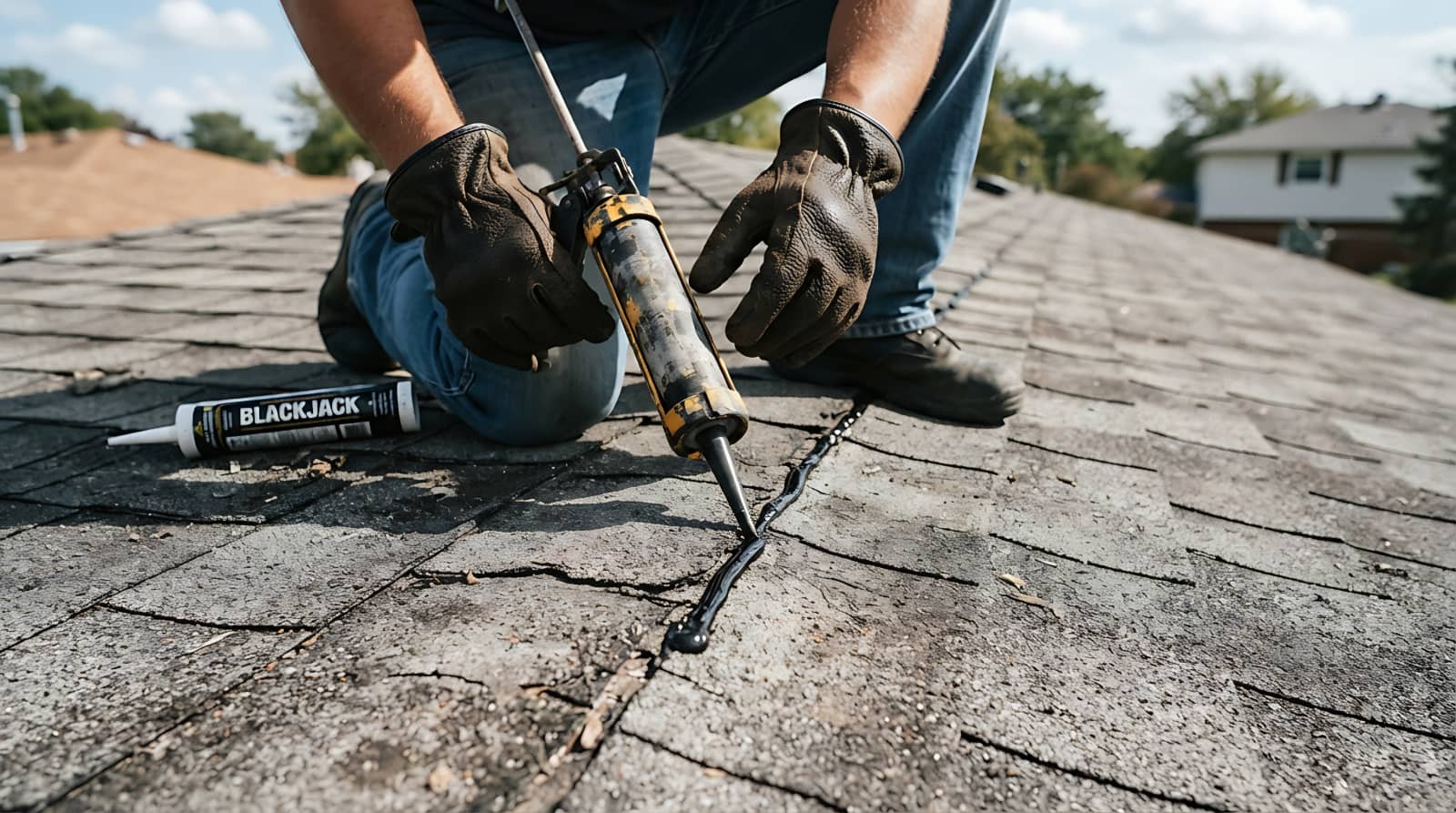
Usually, you don’t need a licensed roofer for tiny leaks, but local rules can vary. You’ll protect your roof better by checking permits, code requirements, and warranty terms before you patch it yourself.
Recap
When you hire a licensed residential roofer, you protect your home, your budget, and your peace of mind. You get work that meets code, passes inspection, and stands behind real insurance and warranty coverage. Skip licensing, and you gamble with leaks, delays, and costly fixes. A roof isn’t just shingles and nails; it’s your home’s shield, hammered into place with accountability, skill, and compliance that keep your investment secure.