Choosing the right asphalt shingle colors is essential for your home’s overall appeal. The color you select can influence energy efficiency, reflect your style, and even affect resale value. It’s not just about aesthetics; it’s about making a smart investment. Understanding the nuances of color selection can help you create a cohesive look that stands out. So, what factors should you consider before making your final decision?
Key Takeaways
- Choosing the right asphalt shingle color enhances your home’s curb appeal and reflects your personal style.
- Color impacts energy efficiency; lighter shades reflect heat, while darker colors absorb warmth, affecting cooling and heating costs.
- Proper color selection aligns with regional climate, ensuring shingle longevity and resistance to fading or mold.
- Aesthetic cohesion with surrounding architecture fosters a sense of belonging and enhances community appeal.
- Engaging with professionals can provide tailored recommendations, ensuring informed choices that consider color psychology and seasonal trends.
Understanding Asphalt Shingle Color Options
When selecting asphalt shingle colors, how do you ensure your choice complements your home’s architecture? Understanding color psychology is vital. Colors evoke emotions and influence perceptions, so consider how your selected hue aligns with the style of your home.
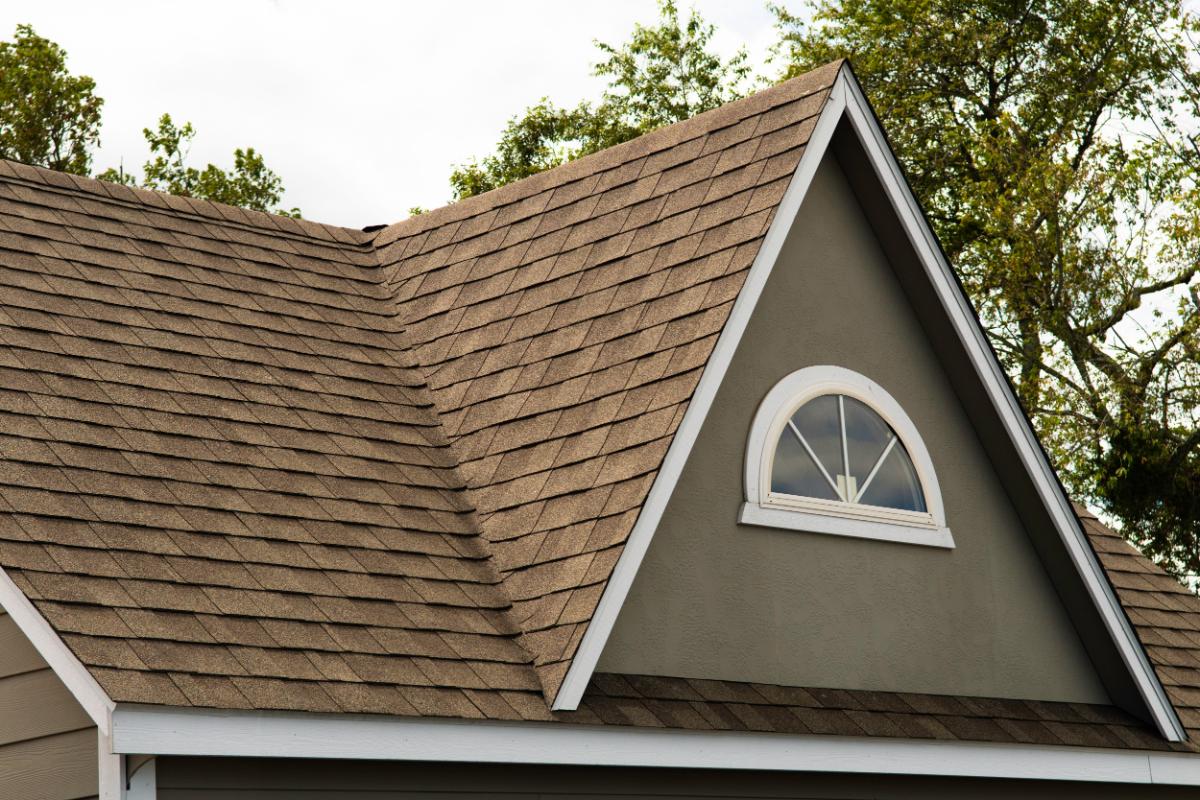
For instance, earthy tones can enhance a rustic look, while bold shades might suit a modern design.
Stay updated with current shingle trends, as they can guide your decision. Popular colors often reflect regional preferences and architectural styles, helping you feel connected to your neighborhood.
When you choose colors that resonate with your home’s character, you foster a sense of belonging, not just to your house but to your community.
The Impact of Color on Home Aesthetics
Choosing the right color for your asphalt shingles greatly influences your home’s overall aesthetic. The color you select doesn’t just affect your home’s appearance; it also reflects your personal style and can enhance your neighborhood’s appeal.
Here are three key factors to take into account:
Color Psychology: Different colors evoke specific emotions. For instance, warm tones create a welcoming vibe, while cool hues promote tranquility.
Seasonal Changes: Colors can look different throughout the year. Lighter shades may shine in summer, while darker tones can add warmth in colder months.
Architectural Harmony: Verify your shingle color complements your home’s architectural style and surrounding landscape for a cohesive look.
Energy Efficiency and Color Selection
While the aesthetic appeal of asphalt shingle colors is essential, their impact on energy efficiency shouldn’t be overlooked.
You mightn’t realize that color selection can greatly influence your home’s temperature regulation. Lighter shingles reflect sunlight, reducing heat absorption, which can lower cooling costs during hot months.
Conversely, darker shingles absorb heat, keeping your home warmer in winter but potentially raising cooling expenses in summer.
Regional Climate Considerations
Understanding your region’s climate can greatly influence your choice of asphalt shingle colors. The right color can enhance your home’s performance and help you feel more at home.
Here are three key considerations regarding climate impact and temperature regulation:
Hot Climates: Lighter shingles reflect sunlight, keeping your home cooler and reducing air conditioning costs.
Cold Climates: Darker colors absorb heat, aiding in snow melt and maintaining warmth during frigid winters.
Humidity and Rain: Choose colors that resist fading and mold, ensuring longevity and aesthetic appeal despite moisture exposure.
Architectural Style Compatibility
When choosing asphalt shingle colors, it’s essential to match your house’s exterior to maintain architectural harmony.
Selecting shades that enhance your home’s style elevates its curb appeal and contributes positively to your neighborhood’s aesthetics.
A thoughtful color choice can create a cohesive look that complements surrounding properties, ensuring your home stands out for all the right reasons.
Match House Exterior
Choosing the right asphalt shingle color is essential for achieving architectural style compatibility with your house’s exterior.
By selecting colors that enhance color harmony, you’ll elevate your home’s curb appeal and ensure it resonates with its architectural surroundings.
Here are three key considerations:
Style Match: Identify your home’s architectural style, whether it’s modern, traditional, or rustic.
Color Palette: Choose shingle colors that complement your siding, trim, and landscaping to create a cohesive look.
Local Trends: Observe neighborhood aesthetics to align your choices with community preferences while still expressing your unique taste.
Enhance Neighborhood Aesthetics
While you want your home to stand out, it’s essential to ensure that your asphalt shingle color complements the overall aesthetics of your neighborhood.
Choosing a color that aligns with your community’s architectural style fosters community cohesion, making your home feel like a natural part of the landscape.
When your roof enhances the neighborhood’s visual harmony, it boosts your property’s curb appeal and reflects your pride in the community.
A well-chosen shingle color can create a welcoming atmosphere, encouraging a sense of belonging among neighbors.
Ultimately, the right asphalt shingle color can elevate your home’s appeal while preserving the unique character of your community, creating a beautiful environment for everyone to enjoy.
Resale Value and Market Trends
Resale value hinges greatly on the aesthetic appeal and market trends surrounding asphalt shingle colors. When you choose the right color, you’re not just enhancing your home’s exterior; you’re also appealing to potential buyers.
Understanding resale trends and market preferences can profoundly impact your property’s value. Here are three key considerations:
Neighborhood Compatibility: Colors that harmonize with nearby homes often attract buyers, fostering a sense of belonging.
Current Trends: Stay updated on popular colors in your market; neutrals and earthy tones typically resonate well with many buyers.
Long-Term Appeal: Opt for shades that maintain their appeal over time, ensuring your home remains desirable in the future.
Maintenance and Color Longevity
To ensure your asphalt shingles maintain their vibrant color and structural integrity, regular maintenance is essential. Over time, exposure to the elements can lead to color fading, diminishing your home’s curb appeal.
To combat this, employ effective cleaning techniques that remove debris, algae, and moss. A simple solution of water and mild detergent can work wonders, and using a soft brush or low-pressure wash will prevent damage.
Additionally, consider scheduling professional inspections to identify any underlying issues early on. This proactive approach extends the life of your shingles and preserves their color.
By staying ahead of potential problems, you’ll ensure your roof remains attractive and functional for years to come. Remember, maintaining those beautiful asphalt shingles isn’t just about aesthetics; it’s about protecting your investment and enhancing your home’s overall charm.
Embrace the commitment to upkeep, and your shingles will reward you with lasting beauty.
Personal Preference vs. Neighborhood Standards
Choosing the right color for your asphalt shingles involves balancing your personal preferences with the established standards of your neighborhood.
While you might lean towards bold hues reflecting your personal taste, it’s essential to reflect on the community influence that can impact your home’s value and aesthetic appeal.
Here are three factors to keep in mind:
Neighborhood Aesthetics: Look around; what colors do your neighbors choose? Blending in can foster harmony within your community.
Resale Value: Unique colors may detract from potential buyers’ interest, so think long-term when selecting your shingles.
HOA Guidelines: If your neighborhood has a homeowners association, check for any regulations that dictate acceptable colors.
Working With Professionals for Color Choices
When selecting asphalt shingle colors, working with professionals can provide you with invaluable insights.
They can offer expert recommendations tailored to your home’s aesthetics and ensure your choices enhance long-term value.
Expert Color Recommendations
While selecting the right color for your asphalt shingles can feel overwhelming, collaborating with professionals can streamline the process and ensure your home’s aesthetic aligns with your vision.
Experts understand color psychology and how it impacts your home’s appeal, ensuring you choose hues that resonate with your community and personal style. They also keep seasonal trends in mind, helping you select colors that withstand the test of time.
Consider these expert recommendations:
Neutral Shades: Timeless and versatile, they blend seamlessly with various architectural styles.
Bold Colors: Use them sparingly for accents to create a striking contrast.
Earth Tones: These colors harmonize with nature, enhancing curb appeal and providing warmth.
Choosing wisely fosters a sense of belonging and pride in your home.
Assessing Home Aesthetics
Understanding your home’s overall aesthetic is essential for selecting the right asphalt shingle colors, especially when collaborating with professionals. Your home design reflects your personality, and the colors you choose can greatly impact how your home is perceived.
Professionals can guide you through color psychology, helping you understand how different shades evoke emotions and create visual harmony. Consider the architectural style of your home; traditional designs may benefit from classic colors, while modern homes can embrace bolder choices.
Engaging with experts allows you to align your shingle selection with your broader aesthetic goals, ensuring your home stands out while feeling cohesive. Ultimately, the right colors enhance your sense of belonging within your community.
Long-Term Value Considerations
Choosing the right asphalt shingle colors can greatly impact your home’s long-term value, especially when you collaborate with professionals who specialize in color selection.
You’ll benefit from their expertise in ensuring long-term durability and minimizing color fading. Here are three considerations to keep in mind:
Local Climate: Professionals can recommend colors that withstand your region’s weather conditions, enhancing durability.
Resale Value: Certain colors can boost your home’s appeal, making it more attractive to potential buyers.
Energy Efficiency: Lighter colors can reflect heat, leading to lower energy costs and improved comfort.
Recap
Choosing the right asphalt shingle colors is like painting the canvas of your home’s exterior; it sets the mood and invites admiration. By harmonizing aesthetics with energy efficiency and regional styles, you enhance curb appeal and secure your investment’s future. Don’t let your home blend into the background—stand out with colors that reflect your personal style while respecting neighborhood norms. Trust the professionals to guide your choices, ensuring your roof shines bright for years.