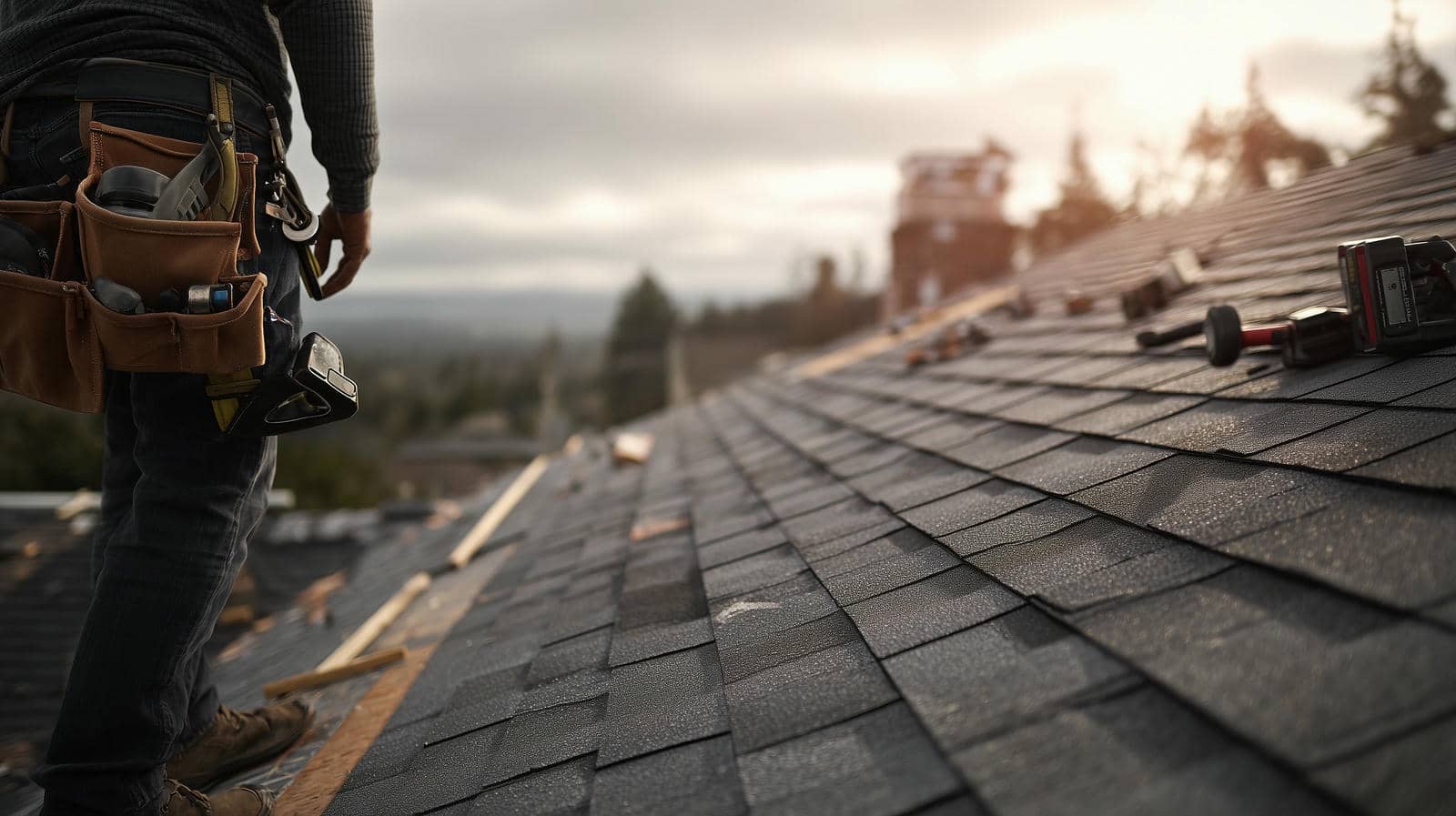
When you choose a contractor for roof installation, you need more than a low bid. You should verify licenses, insurance, permits, and warranty terms before you sign anything. Then compare detailed quotes, material specs, and change-order policies so you can spot gaps early. A contractor’s past projects, references, and communication style will tell you how they’ll handle your job, but one issue often separates a smooth project from an expensive mistake.
Key Takeaways
- Verify the contractor’s license, insurance, and required permits before signing any roof installation agreement.
- Compare detailed quotes with the same scope, materials, labor, exclusions, and payment terms.
- Ask about deck inspection, flashing, ventilation, underlayment, and other essential installation components.
- Review recent projects, references, online ratings, and cleanup standards to assess workmanship and reliability.
- Confirm warranty coverage for materials and workmanship, including duration, transfer rules, and claim procedures.
What to Look for in a Roofing Contractor
When you evaluate a roofing contractor, focus on licensing, insurance, and proven experience with the roof system you need.
You should also review recent projects, material knowledge, and crew supervision. Ask how they handle deck inspection, flashing details, ventilation, and cleanup, because those steps shape performance.
In choosing a contractor for roof installation, you want a team that explains scope clearly, gives a written schedule, and answers questions without pressure.
Check whether they communicate promptly, document changes, and respect your property. A reliable contractor helps you feel confident, not rushed.
Look for precise estimates, strong references, and a track record with your roof type. That’s how you join a group of homeowners who get durable results and fewer surprises.
Check Licenses, Insurance, and Permits
Before you sign a roofing contract, verify the contractor’s license, general liability coverage, and workers’ compensation policy, and confirm the policy limits are current.
Ask for certificate copies, then call the insurer or licensing board to confirm they’re valid and unexpired. You should also check that the business name on each document matches the company you’re hiring.
If your area requires roofing permits, make sure the contractor will pull them before work starts. Permits protect you by tying the job to local code and inspection requirements.
When you work with a properly licensed, insured team, you’re joining a group that values accountability, safety, and solid workmanship. That shared standard helps reduce risk, protects your property, and keeps your project moving with fewer surprises.
How to Compare Roof Installation Quotes
How do you compare roofing quotes without missing hidden costs or weaker terms? Start by matching each bid to the same scope, so you’re comparing apples to apples with your crew. Check materials, labor, tear-off, disposal, underlayment, flashing, ventilation, and cleanup. Then review timelines and payment terms for leverage and scheduling fit.
Verify line-item detail; vague totals can hide extras.
Compare material grades and quantities, not just brand names.
Inspect exclusions, allowances, and change-order pricing.
If one quote is far lower, ask what’s missing. You want a contractor who communicates clearly, responds fast, and fits your expectations.
A solid quote shows process, precision, and accountability, so you can join the right team with confidence.
What Roofing Warranties Should Cover
A roofing warranty should clearly cover both materials and workmanship, since those two areas determine most long-term failures.
You want the manufacturer’s terms to protect against defects in shingles, underlayment, flashing, and fasteners, while the contractor’s warranty should cover installation errors, leaks, and improper sealing.
Check the coverage period, transfer rules, and whether labor, tear-off, and disposal costs are included.
Ask what can void the warranty, such as poor ventilation or unapproved repairs.
You’re part of a smart homeowner group when you insist on written terms, not verbal promises.
A solid warranty also states claim steps, response times, and who pays for inspections.
If you understand these details, you can choose a contractor with confidence and avoid costly surprises later.
Review Reviews, References, and Past Projects
Check online ratings to spot patterns in quality, responsiveness, and warranty service.
Ask for references so you can verify how the contractor handled communication, scheduling, and issue resolution.
Review completed projects to confirm the installer’s workmanship, flashing details, and finish quality on roofs similar to yours.
Check Online Ratings
Online ratings give you a quick filter for contractor reliability, but don’t stop at the star count alone. You need to read recent comments, note repeated issues, and compare patterns across platforms.
Focus on workmanship, cleanup, communication, and schedule control; those details show how the crew actually performs. A strong rating helps you feel part of a trusted local network, yet you should verify the context behind it.
- Check for consistent ratings over time.
- Scan negative reviews for unresolved defects.
- Compare project photos with the stated scope.
Look for concrete evidence of roof installation quality, not marketing language. If reviews mention flashing errors, leaks, or delays, treat that as a technical signal.
Solid online feedback should support your shortlist, not replace your judgment.
Ask For References
When you call, ask whether the crew showed up on time, protected landscaping, kept the site clean, and followed the agreed scope. Confirm whether the owner needed extra repairs, how the contractor handled changes, and if the final invoice matched the estimate.
Ask about communication, too; you should feel informed, not left guessing. A reliable contractor won’t hesitate to share contacts because satisfied customers strengthen trust.
If references sound vague or defensive, keep looking. You deserve a team that treats your home like part of the neighborhood, not just another job.
Review Completed Projects
Once you have references, review the contractor’s completed projects to confirm the quality you were promised. You can verify workmanship, flashing alignment, shingle pattern consistency, and cleanup standards by comparing photos, site visits, and finished roofs in your area.
Ask for jobs similar to yours so you can judge fit, not just marketing.
- Check edges, valleys, and penetrations for neat detailing.
- Confirm the roof still looks uniform after weather exposure.
- Match the scope to your material, slope, and warranty needs.
When you inspect real projects, you join a community of informed homeowners who know what durable installation looks like.
If possible, talk to owners and ask whether the crew stayed on schedule, protected property, and resolved issues quickly.
How to Choose the Right Roofing Contractor
You should verify each contractor’s license, insurance, and manufacturer certifications before you sign anything.
Then compare written estimates line by line so you can check scope, materials, labor, and warranty terms.
This helps you choose a contractor who can deliver compliant installation and reliable long-term performance.
Verify Credentials
Verify a roofing contractor’s credentials before signing any contract, because licensing, insurance, and manufacturer certifications directly affect workmanship, warranty coverage, and your exposure to liability.
You want a crew that fits your standards and protects your home, not one that leaves you guessing.
Check these essentials:
- License status: confirm it’s current and valid in your area.
- Insurance proof: ask for liability and workers’ compensation certificates.
- Certifications: verify training from your roofing material manufacturer.
Then call the issuing agencies or insurers, because paperwork can be outdated.
Ask whether the contractor’s name matches the business entity on file. If anything seems off, pause and keep looking.
When you verify credentials, you join informed homeowners who reduce risk, preserve warranty rights, and build a safer, more reliable roof.
Compare Written Estimates
Written estimates are your blueprint for comparing roof installation contractors because they expose differences in scope, materials, labor, cleanup, and warranty terms.
You should request detailed bids from each contractor and verify that every line item matches the same roof design, underlayment, flashing, ventilation, and disposal plan.
Compare product brands, shingle grades, fastener counts, and any deck repairs.
Watch for vague allowances or missing permit fees, since those can raise your final cost. A lower price isn’t always better if it cuts coverage or weakens workmanship.
Ask how change orders are handled and when payments are due.
When you review estimates side by side, you’ll feel more confident choosing a contractor who fits your standards, protects your investment, and earns your trust.
Wrap-Up
So, you’ve done the glamorous detective work of hiring someone to put a giant weatherproof hat on your house. Check the licenses, insurance, permits, quotes, warranties, reviews, and past projects before you hand over a deposit. If a contractor can’t explain the work clearly, that’s your clue to keep moving. Choose the one who’s professional, responsive, and boringly competent—because with roofs, excitement usually means leaks, and leaks are rarely a feature.