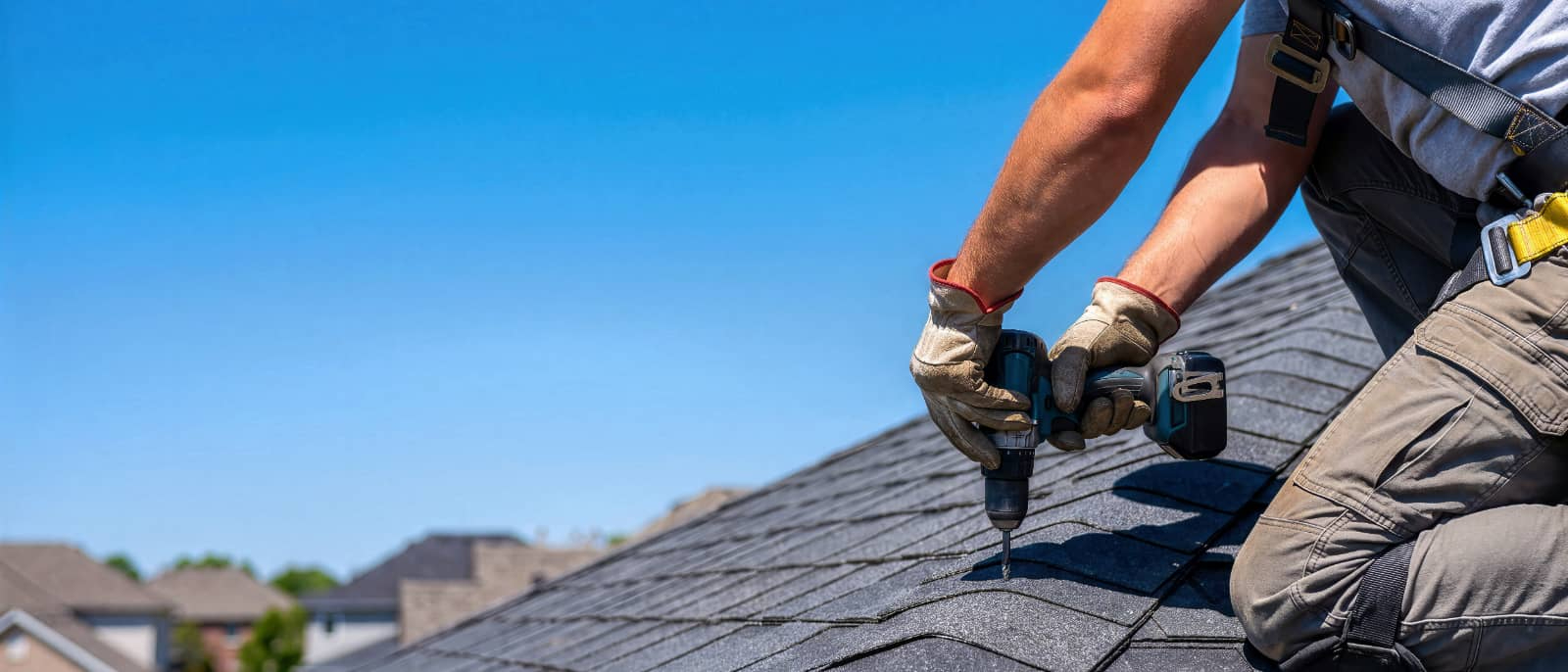
If you’re planning an asphalt shingle roof, the price isn’t just about the shingles you pick. Your total depends on roof size, pitch, labor, tear-off, disposal, and add-ons like underlayment or flashing. Basic 3-tab shingles cost less up front, while architectural and designer options raise both material and installation costs. The real question is which expenses you can control without cutting corners.
Key Takeaways
- Roof size, pitch, and complexity are major cost drivers, with steep or complex roofs increasing labor charges.
- Asphalt shingle material costs vary by grade, from budget 3-tab shingles to higher-priced architectural and designer shingles.
- Tear-off, disposal, underlayment, flashing, and ventilation upgrades add to the total roofing project price.
- Labor usually makes up a large share of the bill, especially for difficult access, detailed installation, and cleanup.
- Comparing itemized quotes helps homeowners evaluate materials, labor, warranties, and long-term value accurately.
How Much Does Asphalt Shingle Roofing Cost?
As a rule, asphalt shingle roofing costs vary with roof size, pitch, tear-off needs, and shingle grade, but you can usually expect a full replacement to include both materials and labor.
In an asphalt shingle roofing cost breakdown, you’ll often see roofing materials, underlayment, flashing, fasteners, disposal, and crew time listed separately.
You should budget more if your roof is steep, has multiple valleys, or needs old layers removed. Most projects price by square, so your total rises with area.
Labor typically makes up a large share because installers handle prep, sealing, ventilation checks, and cleanup.
If you want a reliable estimate, ask for an itemized quote and compare the scope, not just the bottom line, so you stay informed and confident.
Asphalt Shingle Cost by Material Grade
Material grade is one of the biggest drivers of asphalt shingle cost, and you’ll usually see prices rise from basic 3-tab shingles to architectural and premium designer products.
You can expect each tier to deliver a different balance of durability, curb appeal, and warranty coverage. Basic shingles fit tight budgets and simpler roofs, while upgraded grades give you a thicker profile and stronger wind resistance.
- 3-tab: lowest material cost, clean look, shorter service life.
- Architectural: midrange price, better thickness, stronger performance.
- Premium designer: highest cost, distinctive styling, top-tier protection.
When you compare grades, don’t just chase the lowest quote.
Match the product to your goals, your neighborhood standards, and the long-term value you want.
How Roof Size and Pitch Affect Cost
Your roof’s size directly drives asphalt shingle cost because a larger surface needs more materials, labor hours, and tear-off time.
Steeper pitch adds complexity, so you’ll usually pay more for safety setup, slower installation, and extra crew effort.
When you estimate replacement cost, you need to factor in both square footage and slope to get an accurate budget.
Roof Size Impact
Roof size is one of the biggest drivers of asphalt shingle roofing cost because contractors price most jobs by square footage, then adjust for roof pitch and complexity. You can estimate cost by multiplying the roof’s measured area by the installed rate, so a larger home usually means more shingles, underlayment, and labor.
Steeper slopes also increase labor time and safety setup, which raises your total. To stay informed, check these factors:
- Total roof area: more squares mean more material.
- Measured pitch: steeper roofs slow crews down.
- Waste allowance: larger cuts can add extra bundles.
When you compare bids, ask how each roofer calculated your roof size. That keeps you aligned with the crew and helps you spot missing quantities before work starts.
Pitch Complexity Costs
Even when two roofs have the same square footage, pitch can push asphalt shingle costs up fast because steeper slopes slow installation and increase safety requirements.
You’ll usually pay more when crews need harnesses, staging, extra tie-offs, or additional labor time. A low-slope roof is faster to move across, so your installation cost stays closer to the base rate.
Complex pitches also increase waste, because shingles need more cuts and careful alignment around valleys, dormers, and hips.
If your roof is large and steep, expect the labor share of your quote to rise, even if material prices stay steady.
When you compare bids, ask how pitch, access, and safety gear affect pricing so you can spot a fair, transparent estimate.
Asphalt Shingle Labor Costs
Labor makes up a major share of asphalt shingle roofing cost because crews handle tear-off, underlayment, flashing, shingle installation, cleanup, and disposal.
You’ll usually pay more when your roof has steep slopes, multiple valleys, or tight access, because installers need extra time and safety setup. Skilled crews work faster and reduce mistakes, so you’re paying for efficiency as much as labor hours.
Consider these cost drivers:
- Roof size and layout
- Crew experience and local wages
- Required prep and finishing details
You can expect labor rates to vary by region, but reputable contractors should give you a clear scope and per-square estimate.
When you compare bids, look for consistency in materials, coverage, and warranty terms so you feel confident choosing a team that fits your home and budget.
Asphalt Shingle Tear-Off and Disposal Fees
Tear-off and disposal fees add a separate line item to asphalt shingle roofing cost because the crew must remove the old roofing, load debris, haul it away, and pay local dump or recycling charges.
You’ll usually see this priced by square or by roofing layer, since more material means more labor and heavier disposal volume. If your roof has a single existing layer, the fee stays lower; multiple layers raise the price quickly.
Haul distance and landfill tipping rates also affect your total. You can ask for a written estimate that separates tear-off from installation so you know exactly where your money goes.
That transparency helps you compare bids with confidence and stay part of the decision, not just the invoice.
Common Add-Ons That Increase Cost
Beyond the base shingles and tear-off, several add-ons can raise your asphalt shingle roofing cost, including underlayment upgrades, new flashing, ridge vents, pipe boots, drip edge, and starter strips.
You’ll usually need these items when your roof has worn details or current code requires them. They improve water control, attic airflow, and edge protection, so you’re not just spending more—you’re building a tighter system.
Underlayment upgrades: synthetic products cost more but resist tearing.
Metal accessories: flashing, drip edge, and pipe boots seal vulnerable connections.
Ventilation parts: ridge vents and starters help your roof perform as a team.
Ask your contractor which add-ons are required versus optional. That keeps your budget focused and helps you fit in with informed homeowners.
Asphalt Shingle Roof Replacement Cost Examples
A few typical asphalt shingle roof replacement examples can help you estimate total cost: a smaller 1,500-square-foot roof with basic architectural shingles may land near the low end, while a larger 2,500-square-foot roof with steep pitch, multiple valleys, and full tear-off usually costs much more.
You’ll also see price shifts based on roof shape, underlayment choice, flashing scope, and local labor rates. If your home has a simple gable design, you’ll usually get a cleaner install and fewer labor hours.
If you’re replacing damaged decking, adding ridge ventilation, or working around skylights, your total climbs fast. These examples give you a practical range, so you can compare bids with confidence and feel grounded when you talk with contractors who know your market.
How to Save on Asphalt Shingle Roofing Cost
You can lower asphalt shingle roofing cost by controlling the biggest price drivers before work starts.
You’ll get better results when you compare bids, verify scope, and choose materials that fit your roof, not your ego. Ask each contractor to separate tear-off, underlayment, flashing, and cleanup so you can spot markup fast.
- Get three itemized quotes and compare unit prices.
- Reuse sound decking and flashing where code allows.
- Schedule work in mild seasons to avoid rush pricing.
If you’re replacing only worn sections, partial repairs may delay full replacement.
Grouping roof work with gutters or vents can cut mobilization fees. Stay involved, ask direct questions, and you’ll belong to the homeowners who pay for performance, not confusion.
Frequently Asked Questions
How Long Do Asphalt Shingle Roofs Typically Last?
You’ll typically get 15 to 30 years from asphalt shingle roofs, depending on shingle quality, climate, ventilation, and maintenance. You can extend lifespan with regular inspections, prompt repairs, and proper attic airflow.
What Warranties Come With Asphalt Shingle Roofing?
You’ll usually get manufacturer material warranties and contractor labor warranties. Coverage may span 20 to 50 years, sometimes lifetime, but prorating, installation requirements, and maintenance conditions affect your claim rights, so review terms carefully.
Can Asphalt Shingles Be Installed Over Existing Shingles?
Yes, you can install asphalt shingles over existing shingles if your roof structure and local codes allow it. You’ll need a solid, dry deck, and you may miss hidden damage, so professional inspection matters.
Which Weather Conditions Affect Shingle Installation?
You’ll get the best installation in dry, mild weather; rain, snow, ice, high winds, extreme heat, and cold can all cause poor adhesion, brittle shingles, safety risks, and delayed sealing.
Are There Color Options That Change the Roof Price?
Yes, you’ll usually pay slightly more for premium or specialty colors, but standard shades often cost the same. You can match your home and neighborhood while keeping expenses predictable and performance unchanged.
Conclusion
You’ll see asphalt shingle roofing costs rise with roof size, pitch, and labor complexity, so compare itemized bids, not just totals. For example, if a 2,000-square-foot roof needs a tear-off, new underlayment, and mid-grade shingles, your final price can climb fast. You can save by choosing standard materials, scheduling work in off-peak seasons, and reusing sound decking. Focus on long-term value, since a lower quote doesn’t always mean lower lifetime cost.