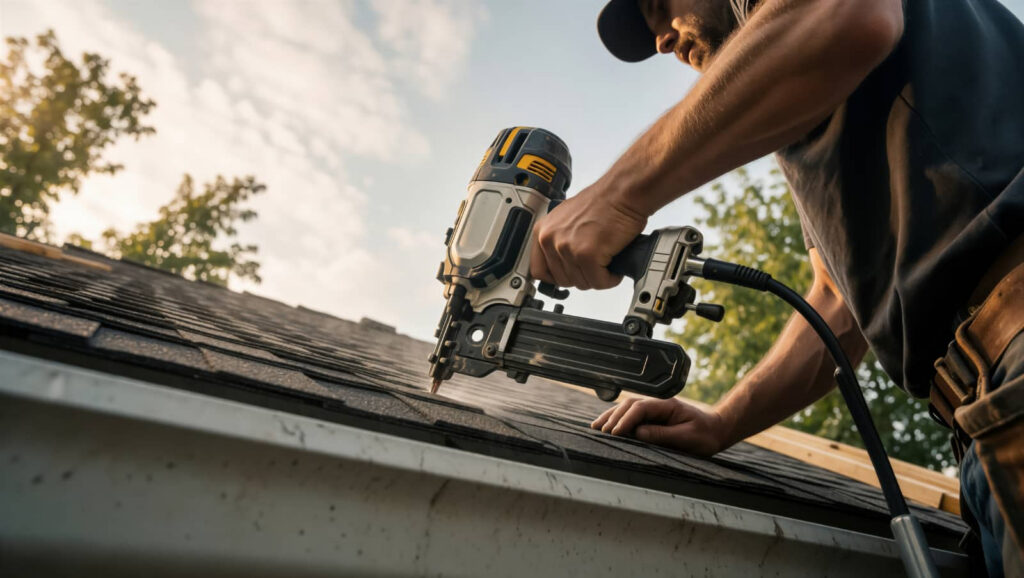
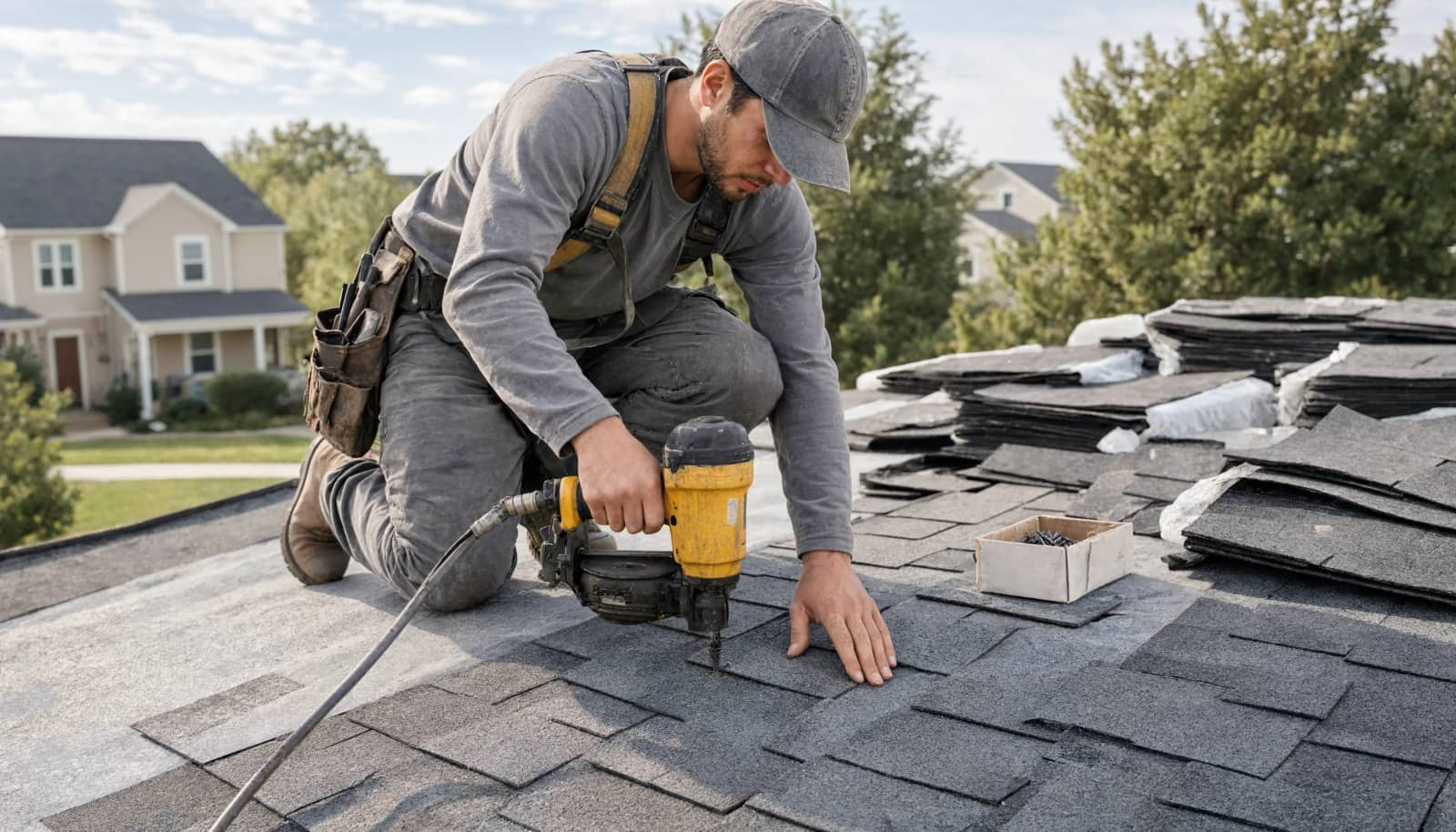
Some asphalt shingle roofs fail early because of missed maintenance. Asphalt Shingle Roofing can last longer with regular inspections twice a year, clear gutters, and prompt moss removal before it lifts shingles. Check flashing, vents, and seals for gaps, and repair small leaks before they spread into the underlying structure. A few targeted maintenance steps can help extend your roof’s service life, but one often-overlooked detail can make all the difference.
Key Takeaways
- Inspect asphalt shingles twice yearly for curling, cracking, missing tabs, and granule loss.
- Keep gutters clean and downspouts clear to prevent water backup, rot, and ice damage.
- Remove moss, leaves, and debris promptly to reduce moisture retention and shingle deterioration.
- Check flashing, sealants, vents, and exposed nails for leaks, rust, looseness, or gaps.
- Repair minor damage quickly and schedule professional evaluation for widespread wear or recurring leaks.
Why Asphalt Shingles Wear Out Faster
Asphalt shingles wear out faster when heat, UV exposure, moisture, and poor ventilation break down the asphalt and strip away protective granules.
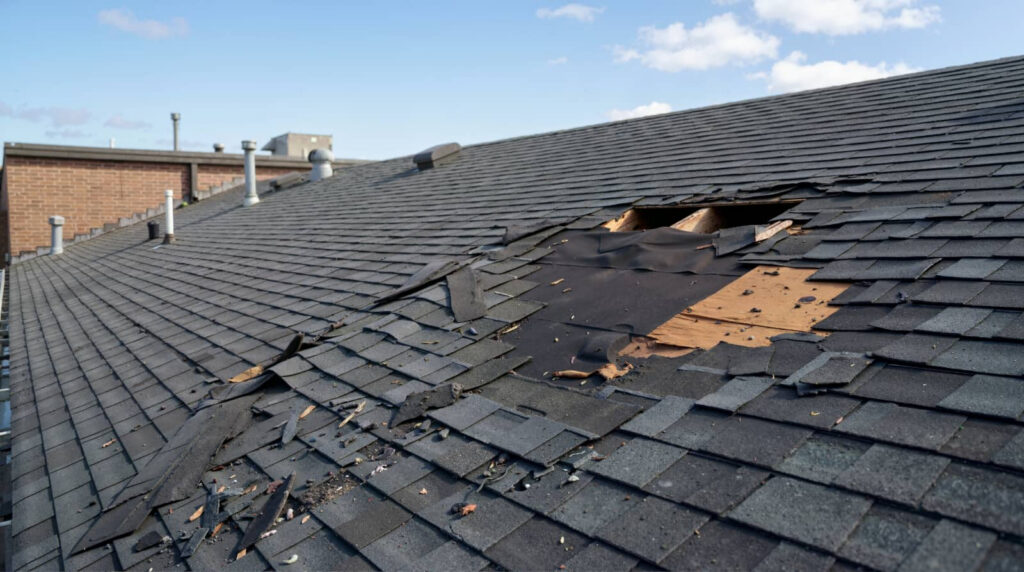
You see aging as curling edges, cracked tabs, and bald spots that let water reach the mat. Storm-driven debris, hail, and foot traffic can speed that damage, especially on older roofs.
If you want your roof to last, use asphalt shingle roofing maintenance tips that reduce buildup, limit impact, and protect drainage paths.
Watch for tree shade that traps dampness and for attic heat that cooks the shingles from below.
Small defects add up quickly, so staying proactive helps you avoid early replacement and keep your home in the same strong, reliable shape your neighbors value.
Inspect Your Roof Twice a Year
Inspect your roof twice a year, ideally in spring and fall, so you can catch loose shingles, worn flashing, clogged gutters, and early granule loss before they turn into leaks.
You’ll stay ahead of small defects that can spread under wind, rain, and UV exposure. Walk the perimeter first, then use binoculars or a safe ladder to check ridges, valleys, pipe boots, and vent seals.
Look for curling edges, cracked tabs, rust stains, and lifted nail heads. After storms, add a quick check, since impact damage often hides in plain sight.
If you spot trouble, document it and schedule repair fast. Regular inspections help you protect the roof system, preserve curb appeal, and stay part of the homeowners who prevent costly surprises.
Keep Gutters Clean and Flowing
You should clear gutter debris regularly so rainwater can move off the roof without backing up under the shingles.
Check that downspouts stay open and discharge water away from the foundation, since restricted flow can cause overflow and moisture damage.
When gutters drain freely, you reduce edge rot, prevent ice buildup, and help extend your roof’s service life.
Gutter Debris Removal
Clear gutters are essential for healthy asphalt shingle roofing, so remove leaves, twigs, and shingle grit regularly to keep water moving away from the roof edge. You’ll protect the roof deck, fascia, and shingles when you stay ahead of buildup.
- Wear gloves and eye protection.
- Scoop out loose debris by hand.
- Flush the trough lightly to spot residue.
- Check for packed corners and hidden clogs.
- Inspect fasteners and seams while you work.
Make this a routine after storms and during heavy shedding seasons.
When you keep gutters clear, you help your roof dry faster, reduce standing moisture, and support the whole system. A clean gutter setup isn’t just maintenance—it’s part of how your home stays reliable, and you’re doing your part with every quick cleanup.
Downspout Water Flow
Downspouts should move water away fast, so check that each one discharges freely and doesn’t back up into the gutters. You can test flow with a hose and watch for slow drainage, leaks, or splashback at joints.
Clear elbows, extensions, and underground drains of leaves, grit, and ice. If water pools near the foundation, add a longer extension or adjust the outlet angle. Secure loose straps and seal small seam gaps so runoff stays controlled.
During storms, confirm water exits well away from the house and landscaping. Good flow protects fascia, soffits, and shingle edges, which helps your roof system last longer.
When you keep water moving, you’re also protecting the whole crew of components that support your home.
Remove Moss, Leaves, and Debris
You should remove moss as soon as you spot it, since it traps moisture and can damage asphalt shingles over time.
Use a soft brush or a roof-safe treatment to lift growth without scraping the granules off the shingle surface.
Clear leaves and debris regularly, because buildup holds water, blocks drainage, and accelerates wear.
Moss Removal Methods
A few simple maintenance steps can stop moss from trapping moisture and accelerating shingle wear. You can handle light growth without stressing your roof when you use a calm, methodical approach.
Work on a dry, cool day so you don’t bruise shingles or spread spores. Then follow these steps:
- Brush moss off with a soft-bristle broom.
- Scrape only loose buildup with a plastic tool.
- Apply a roof-safe moss treatment as directed.
- Rinse gently from top to bottom.
- Inspect for lifted shingles after cleaning.
Keep pressure low and avoid metal blades, bleach, or harsh scrubbing.
If growth keeps returning, you may have persistent shade or drainage issues that need attention. With regular checks, you’ll protect your roof and stay ahead together.
Clearing Leaves And Debris
When leaves and loose debris collect on asphalt shingles, they hold moisture against the roof surface and can speed up wear. You should clear them after storms and during fall, before they mat down and block drainage.
Use a roof rake from the ground or a soft brush on a stable ladder; don’t scrape granules or pry at lifted shingles. Check valleys, gutters, and roof edges, since these areas trap organic matter first.
If moss is present, remove it gently and treat the area with a manufacturer-approved cleaner. Keep nearby branches trimmed so fewer leaves land on the roof.
Routine cleaning helps your roof stay dry, shed water properly, and last longer. When you maintain it well, you’re protecting the whole home and staying part of the smart-homeowner crowd.
Inspect Flashing, Seals, and Roof Vents
Check flashing, sealants, and roof vents at least twice a year to catch early failure points before water intrusion starts. You’ll protect your shingles and keep your roof system working as a team when you verify these details:
- Look for lifted or bent flashing at chimneys and walls.
- Inspect sealant beads for cracking, shrinking, or gaps.
- Confirm vent boots sit flat and stay flexible.
- Check fasteners for rust, looseness, or missing caps.
- Make sure vent openings stay clear and aligned.
Use a flashlight and binoculars if needed, and note anything that looks off.
Tight, intact components help your roof shed weather efficiently and support the rest of your maintenance routine. When you stay consistent, you’re taking the same smart steps other careful homeowners use.
Stop Small Leaks Before They Spread
Small leaks can start at flashing gaps, cracked seals, or loose shingles, so act fast the moment you spot moisture, stains, or soft decking.
You can limit damage by tracing the source from the roof surface down to the underlayment, then marking the exact spot for repair.
Replace torn shingles, reseal exposed fasteners, and patch minor splits with compatible roofing cement.
If water has reached the deck, dry the area fully before you close it back up.
Check the same section after the next rain to confirm the fix holds.
You’re protecting the whole roof system when you handle small issues early, and your crew or contractor can work from a clean, clear repair point instead of chasing spread-out damage later.
Improve Attic Ventilation and Insulation
Good attic ventilation and insulation help your asphalt shingles last longer by reducing heat buildup, moisture damage, and winter ice dams.
When you keep air moving and seal the thermal envelope, you support the whole roofing system.
- Check soffit and ridge vents for clear airflow.
- Keep attic insulation even and at the recommended depth.
- Seal gaps around pipes, lights, and access hatches.
- Make sure exhaust fans vent outside, not into the attic.
- Watch for damp wood, frost, or uneven roof temperatures.
You’ll protect your shingles, lower energy loss, and keep your home more comfortable.
If you’re part of a community of homeowners who stay ahead of roof wear, this is one of the smartest habits you can build.
Know When Repairs Beat Replacement
Even with solid attic ventilation and insulation, some roof problems still show up, and you need to know which ones you can fix now and which ones signal a bigger issue.
If you see a few missing shingles, lifted tabs, or small flashing gaps, targeted repairs often make sense. Replace damaged shingles, seal exposed nails, and reset loose metal before water reaches the deck.
When leaks repeat in different areas, shingles curl across large sections, or granules thin out widely, repairs won’t buy much time. You’re better off evaluating replacement if the roof has widespread cracking, soft spots, or storm damage over multiple slopes.
Trust a qualified roofer to trace the source, not just the stain. That way, you protect your home and stay confident in your roof team.
Schedule Annual Roof Maintenance
Set up an annual roof maintenance visit before the season changes, so a roofer can catch loose shingles, failing sealant, and early flashing wear before they turn into leaks.
You’ll stay ahead of damage and keep your roof in the crew that protects your home.
- Inspect shingles for cracking, curling, or loss
- Reseal exposed nail heads and joints
- Clear gutters and valleys of debris
- Check flashing around chimneys and vents
- Document issues for future service
Ask for photos and a written report so you can track changes year to year.
Schedule the visit in spring or fall, when weather is mild and inspections are safer.
Regular maintenance lowers repair costs, extends shingle life, and helps you feel confident your roof is ready.
Frequently Asked Questions
How Often Should I Walk on My Asphalt Shingle Roof?
You shouldn’t walk on your asphalt shingle roof unless you must for inspection or repair. Limit trips to once or twice yearly, and use proper footwear, soft conditions, and safe footing to avoid damaging shingles.
Can Pressure Washing Damage Asphalt Shingles?
Yes—pressure washing can damage asphalt shingles by stripping granules, forcing water under tabs, and loosening adhesive. You should use low-pressure cleaning, soft wash methods, and gentle brushes to protect your roof and community.
What Roof Maintenance Tools Are Safest for Homeowners?
Safest tools? Your ladder, gloves, a broom, a roof rake, and binoculars—because acrobatics aren’t a maintenance plan. You’ll inspect, clear debris, and avoid scratching shingles, while staying on the ground whenever possible.
Does Hail Damage Always Require Immediate Shingle Replacement?
No, hail damage doesn’t always require immediate shingle replacement. You should inspect for cracked, bruised, or missing shingles, check leaks, and document damage. If issues are minor, you can often repair sections instead.
How Do I Know if My Roof Warranty Is Still Valid?
You’ll know it’s valid if you keep proof of purchase, maintenance records, and inspection dates; then confirm coverage terms, transfer rules, and exclusions with your manufacturer or installer—because warranties adore paperwork almost as much as homeowners do.
Recap
To keep your asphalt shingle roof lasting longer, you should inspect it twice a year, clean gutters, remove debris, and fix small issues before they spread. Roofs with poor ventilation can age faster, which makes attic airflow a real maintenance priority. If you stay proactive and schedule annual service in mild weather, you’ll reduce repair costs, protect your home, and help your roof reach its full service life.