Could it be true that most office roof failures start with small, hidden issues you can catch early? When you assess membrane wear, flashing, insulation, and equipment tie-ins, you can decide whether targeted repairs or a full replacement makes more sense. The right approach protects tenants, controls costs, and limits disruption, but the key is knowing what to look for before damage spreads.
Key Takeaways
- Commercial roofing services for office buildings include inspections, leak detection, repairs, maintenance, and full roof replacements.
- Early problem signs include ponding water, seam separation, blistering, punctures, loose flashing, and interior stains or odors.
- Repairs suit isolated leaks or localized damage, while recurring leaks or extensive deterioration usually require replacement.
- Common office roof systems include TPO, PVC, EPDM, built-up roofing, and metal roofing for durability and energy efficiency.
- Careful scheduling, phased work zones, and clear communication help minimize downtime and tenant disruption during roof projects.
What Office Building Roofing Services Include
Office building roofing services typically include inspections, leak detection, repairs, preventive maintenance, and full roof replacements when needed.
You rely on commercial roofing services for office buildings to keep your property weather-tight, energy efficient, and ready for daily operations. A qualified team evaluates membrane condition, flashing, drains, penetrations, insulation, and rooftop equipment interfaces, then recommends targeted work that fits your budget and schedule.
You can expect service plans that reduce disruptions, extend roof life, and support compliance with manufacturer requirements. When damage goes beyond repair, your contractor coordinates a replacement that limits downtime and protects tenants, staff, and assets.
How to Spot Roof Problems Early
You can catch many roof issues early by watching for subtle changes before they turn into costly failures.
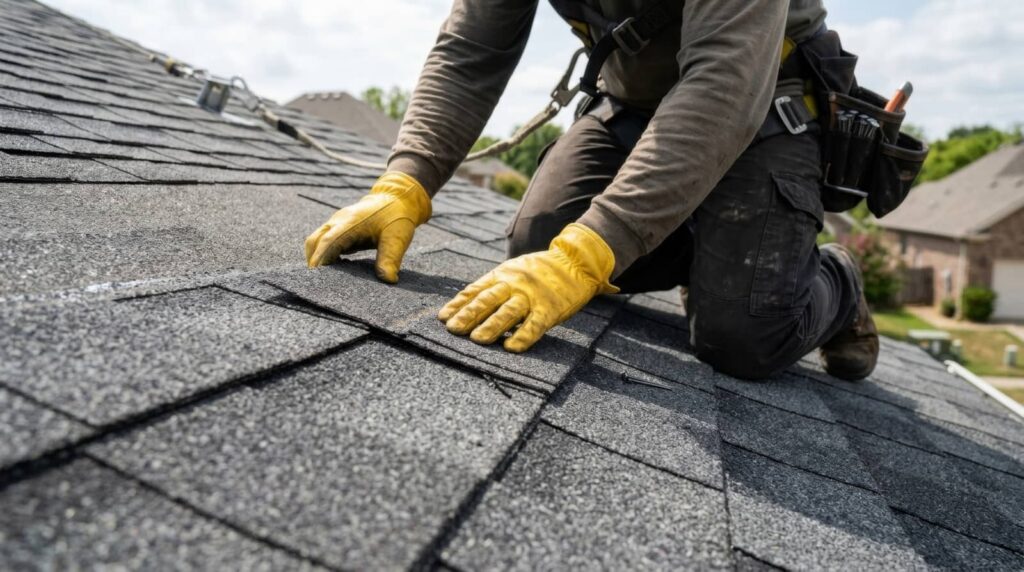
During inspections, look for ponding water, seam separation, blistering, punctures, and loose flashing around penetrations, edges, and rooftop equipment.
Inside your building, check for stained ceiling tiles, damp insulation, musty odors, or peeling paint, since these often signal hidden leaks.
After storms, walk the roof if it’s safe and note debris impact, membrane scuffs, and blocked drains.
Keep a log of findings, photos, and dates so your maintenance team can track patterns and act quickly.
When you spot recurring changes, bring in trusted roofing professionals who understand office buildings and help your facility stay protected, compliant, and part of a well-managed property group.
Should You Repair or Replace Your Roof?
Deciding whether to repair or replace a commercial roof starts with the scope of damage, the roof’s age, and its overall performance.
If you’re seeing isolated leaks, limited membrane damage, or localized flashing failure, targeted repairs can restore service quickly and keep your building operating smoothly.
When damage spreads, leaks recur, or the roof has reached the end of its useful life, replacement often gives you better long-term control and fewer disruptions.
You should also weigh maintenance history, moisture intrusion, and repair frequency.
A trusted roofing professional can inspect the system, document conditions, and help you choose the option that protects your tenants, staff, and assets.
The right decision keeps your team aligned, your budget disciplined, and your property’s reputation strong.
Best Roofing Systems for Office Buildings
When you’re selecting a roofing system for an office building, you should weigh performance, maintenance demands, and how well each option supports your operational schedule.
Single-ply membranes, built-up roofing, and metal roofing systems each offer distinct benefits in durability, energy efficiency, and installation flexibility.
You’ll want to match the system to your building’s structure, exposure, and long-term asset protection goals.
Single-Ply Membranes
You can choose TPO, PVC, or EPDM based on your building’s exposure, energy goals, and maintenance priorities. These lightweight systems install efficiently, helping you keep tenants, staff, and daily workflows on track.
Their seams are heat-welded or bonded for strong waterproofing, and reflective surfaces can support cooler roof temperatures and lower HVAC demand.
You’ll also benefit from straightforward inspections and targeted repairs, which help extend service life.
When you work with a qualified commercial roofer, you join other facility teams that value consistency, code compliance, and long-term asset protection.
A well-selected membrane supports your building’s performance and your team’s confidence.
Built-Up Roofing
This assembly helps you manage foot traffic, ponding water, and thermal cycling on low-slope roofs. When you choose a qualified contractor, you’ll benefit from careful flashing, clean seams, and a balanced system that supports long service life.
You should schedule routine inspections, especially after storms, to catch blistering, splits, or surface erosion early.
If your team wants a dependable roof that fits a professional property portfolio, built-up roofing can help you protect tenants, reduce disruptions, and stay part of a well-maintained building community.
Metal Roofing Systems
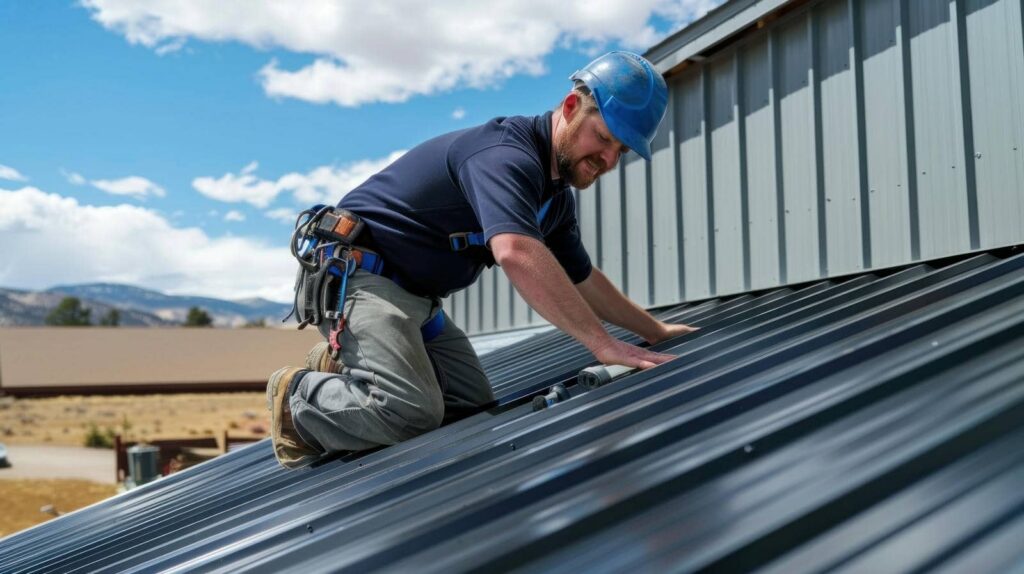
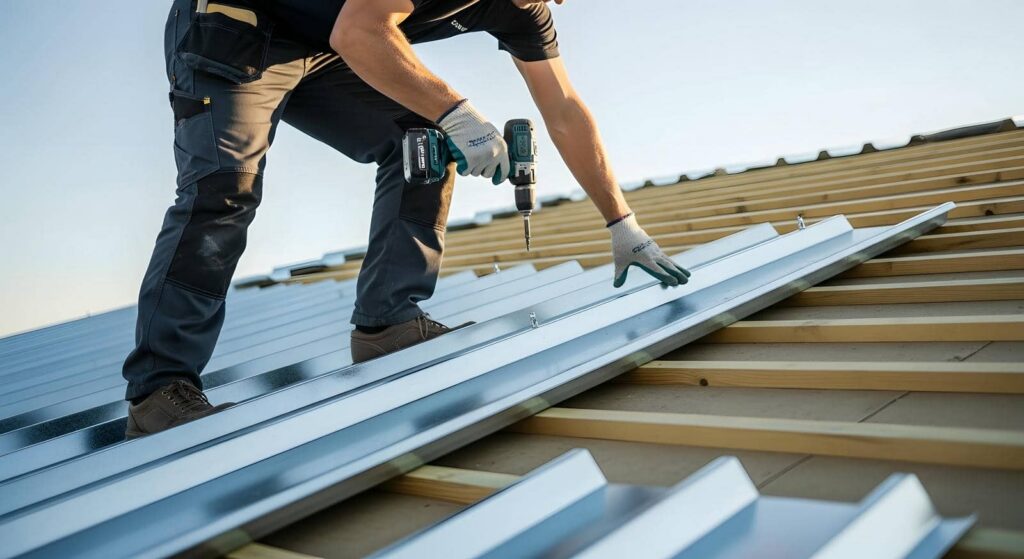
You’ll benefit from standing seam panels, concealed fasteners, and high-performance coatings that limit leaks and corrosion.
When you specify proper insulation and thermal breaks, you can improve energy efficiency and control interior comfort for your team.
Metal systems also support fast installation, so you can reduce disruption and keep operations moving.
If you manage multiple properties, you’ll appreciate their consistent performance and easier inspections.
Work with a qualified commercial roofer to match panel profile, gauge, and attachment method to your structure, climate, and code requirements.
That way, you’re protecting your assets and joining a standard trusted by professional office owners.
How to Plan Roof Work Without Downtime
To keep roof work from interrupting operations, you need a plan that stages repairs around your building’s busiest hours and critical access points.
Map tenant schedules, delivery windows, and emergency egress before crews mobilize. Then break the project into zones so you can isolate active work areas, control noise, and maintain safe walkways.
You should coordinate material lifts, debris removal, and inspections during low-traffic periods, often early morning or weekends.
Clear communication matters: share timelines, roof access rules, and weather contingencies with everyone who relies on the building.
When you sequence tasks carefully, you protect productivity, reduce risk, and keep your team aligned. That disciplined approach helps your office operate smoothly while the roof gets the attention it needs.
How to Choose a Commercial Roofing Contractor
How do you choose the right commercial roofing contractor for your office building? Start by verifying licensing, insurance, and manufacturer certifications.
You need a team that understands membrane systems, drainage, flashing, and code compliance, not just basic repairs.
Ask for project references from similar office properties, and review their safety record, warranty support, and response times.
A strong contractor will inspect your roof, document findings, and explain options with measurable costs and timelines.
You should also confirm they use quality materials, trained crews, and clear communication channels.
When you work with a contractor who values your building and your people, you join a partnership focused on protecting assets, reducing disruption, and keeping your operations steady.
Conclusion
You now know what commercial roofing services for office buildings can do for you, from inspections and leak detection to repairs and replacements. Act early, because studies show proactive maintenance can cut roof-related costs over time. When you plan repairs or choose a replacement system, you protect your tenants, equipment, and budget. Work with a qualified contractor who can help you schedule services, reduce downtime, and extend your roof’s performance.