If you patch a leaking asphalt shingle roof after a windstorm, the lifespan of your Roof Repair can vary significantly. You might get 10 years from that repair, or only 3 if the installation was rushed. Your repair’s longevity depends on the material, workmanship, weather exposure, and ongoing maintenance. Some fixes fail early because of hidden moisture or poorly installed flashing, while others hold up for decades. The details that determine which outcome you get are more specific than most homeowners expect.
Key Takeaways
- Most professional roof repairs last about 5 to 15 years, depending on materials, installation quality, and maintenance.
- Asphalt shingle repairs may last 10 to 20 years, while metal repairs can last 20 to 40 years.
- Tile and slate repairs can last 30 to 100 years when installed correctly with compatible materials.
- Weather, UV exposure, heat changes, and poor installation can shorten repair life significantly.
- Regular inspections and early fixes help repairs last longer, while recurring leaks may mean a full replacement is needed.
How Long Does Roof Repair Last?
How long does roof repair last? In most cases, you can expect a professional repair to last five to 15 years, and sometimes longer when the surrounding roof is in sound condition.
You’ll usually get the best results when the technician matches materials, seals edges correctly, and integrates the patch with nearby shingles or membrane.
Small asphalt shingle repairs often hold for years, while flashing and leak repairs may need earlier follow-up if the roof ages unevenly.
To know how long does roof repair last on your roof, you should check the repair area each season and after major storms.
If you stay proactive, you’ll spot early wear, protect your system, and keep your roof community strong.
What Shortens Roof Repair Life?
Weather damage can shorten your roof repair life by breaking down materials, loosening seals, and exposing vulnerable joints to water intrusion.
Poor installation also reduces durability because misaligned flashing, weak fasteners, and improper sealing leave the repair prone to early failure.
If you want repairs to last, you need to control both exposure and workmanship quality.
Weather Damage
Severe sun, wind, rain, hail, and freeze-thaw cycles can shorten a roof repair’s lifespan by breaking down materials and stressing sealed areas.
You’ll see UV exposure dry out asphalt, crack sealants, and fade protective coatings, while repeated thermal movement opens tiny gaps. Wind can lift edges and drive rain into joints, and hail can bruise shingles or dent flashing.
In colder climates, trapped moisture expands when it freezes, widening defects over time.
You can limit damage by keeping gutters clear, trimming overhanging branches, and checking the roof after storms. When you catch minor wear early, you protect the repair and stay ahead of bigger issues.
Consistent inspections help your roof hold up longer and keep your home feeling secure and well cared for.
Poor Installation
Poor installation can cut a roof repair’s life short because even good materials fail when they’re fastened, sealed, or aligned incorrectly. If you want the repair to last, you need proper flashing, tight fasteners, and clean seam work.
Gaps, overdriven nails, weak adhesive, or uneven underlayment let water sneak in and spread damage fast. You also risk early lifting, cracking, and leaks around vents, chimneys, and valleys.
A skilled crew checks slope, matches materials, and follows manufacturer specs so your repair performs as a system, not a patch.
When you’re part of a homeowner group comparing roof work, look for crews that document each step. That’s how you protect your roof, your budget, and everyone under it.
How Long Roof Repairs Last by Material
Your roof repair’s lifespan depends heavily on the material, so you’ll see different durability ranges for asphalt shingles, metal, tile, and slate.
Asphalt shingle repairs often wear out sooner than metal repairs, especially under UV exposure and storm cycling.
Tile and slate repairs can last much longer, but you’ll still need proper installation and compatible replacement parts to get that durability.
Asphalt Shingle Lifespan
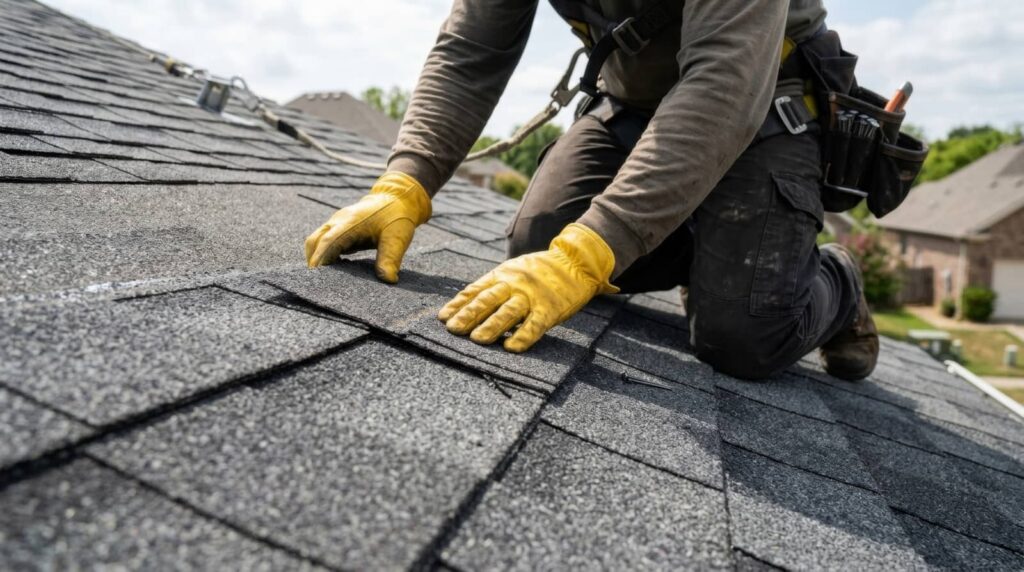
Asphalt shingle repairs usually last about 10 to 20 years when a roofer matches the materials correctly and the surrounding roof is in decent condition.
You’ll get the best results when you treat the repair as part of the whole roof system, not just a patch. Small failures can shorten service life fast, so you should inspect nearby shingles, flashing, and underlayment before you sign off.
- Match shingle type and weight
- Seal nails and edges cleanly
- Replace brittle surrounding shingles
- Schedule routine roof checks
When you stay proactive, you help the repair blend in and perform with the rest of your roof. That keeps you confident, connected, and ready for the next storm.
Metal Roof Repair Durability
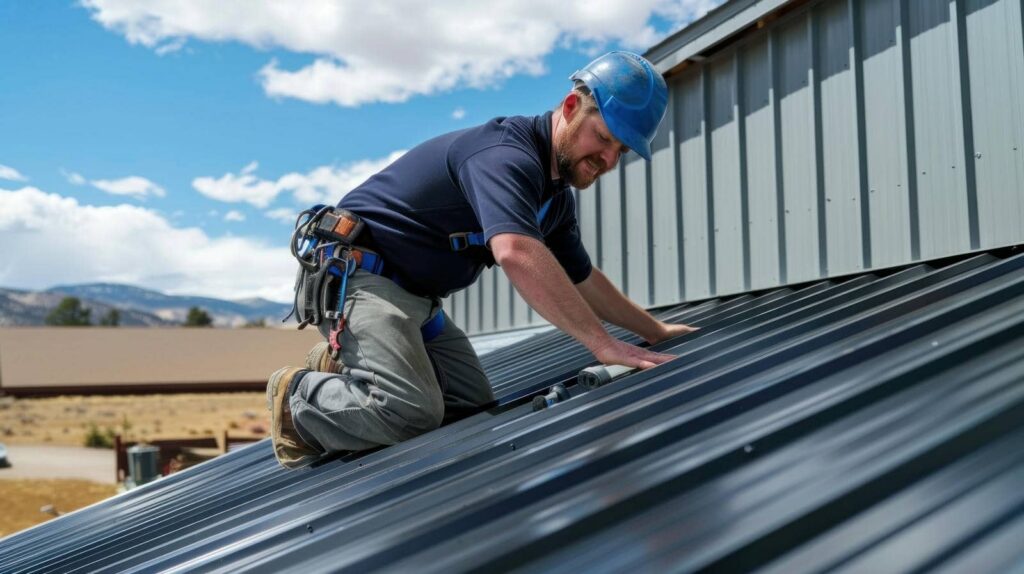
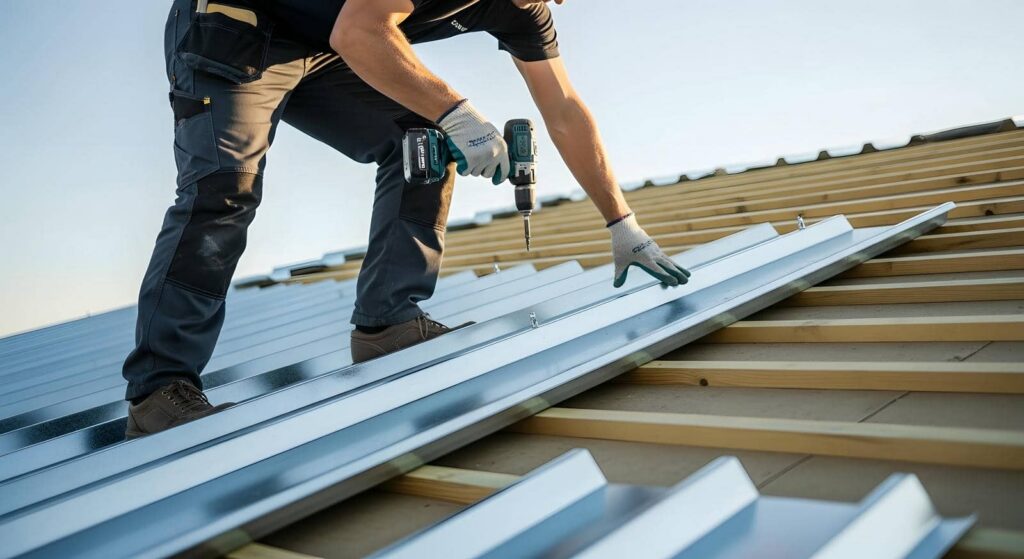
Metal roof repairs often last 20 to 40 years when the repair uses compatible metals, proper fasteners, and correct sealants.
You can expect the repair to age well when the installer matches panel thickness, controls galvanic reaction, and seals every penetration’s edge. In your crew, that means cleaning the substrate, replacing damaged clips, and torquing fasteners to spec.
If you keep standing water, abrasion, and movement in check, the patch stays tight much longer. You’ll get the best results when you inspect joints after storms and refresh sealant before it hardens or cracks.
With routine maintenance, your metal roof repair can keep protecting the home for decades, giving you the durable, reliable fit your group wants.
Tile And Slate Longevity
Tile and slate repairs can last 30 to 100 years when you match the replacement piece to the existing roof, use proper underlayment, and fasten it without stressing the surrounding tiles.
You’ll get the best durability when your repair crew handles brittle units carefully and keeps the original pitch, overlap, and drainage pattern intact. In a well-kept system, your patch often outlasts lower-grade materials.
- Match thickness, color, and quarry type.
- Replace failed flashing at the same time.
- Keep nail holes out of exposed zones.
- Inspect for slipped pieces after storms.
If you belong to a home with aging tile or slate, regular checks matter. Small cracks can spread, but a precise repair usually buys you decades, not years, of reliable performance.
Signs Your Roof Repair Is Failing
If your roof repair is failing, you’ll usually notice recurring leaks, new water stains, loose or missing shingles, or flashing that’s pulling away from joints.
You may also spot cracked sealant, sagging areas, or granules collecting in gutters after you clean them.
Check your attic for damp insulation, musty odors, and daylight peeking through fasteners or seams.
These signs mean the repair no longer seals the assembly the way it should.
Don’t wait for the problem to spread. Inspect the affected area, document the damage, and contact a qualified roofer for a targeted assessment.
If you caught the issue early, you’re already ahead of the curve, and your roof community of homeowners knows that prompt action protects both structure and budget.
How Weather Damages Roof Repairs
Weather can shorten the life of a roof repair by stressing weak points before the patch fully bonds or cures. You’ll see faster wear when sun, rain, wind, and hail cycle across the same area.
Heat expands materials, then nighttime cooling contracts them, and that movement can open seams. Standing water can seep under edges, while UV exposure dries out sealants and makes them brittle.
In storm-prone neighborhoods, you’re not alone if repairs need closer monitoring.
- Heavy rain can lift loose edges.
- UV rays can harden and crack sealant.
- Wind can flex patched sections.
- Hail can bruise or puncture the repair.
After weather hits, inspect your roof and clear debris. Quick checks help you protect your home and extend repair life.
Why Installation Quality Matters
Even the best materials won’t last long if the repair is installed poorly. You depend on precise flashing, proper fasteners, and clean seam alignment to keep water out and preserve the repair’s service life.
If your roofer misses edge sealing, leaves gaps, or overlaps components incorrectly, moisture finds a path fast. You’ll also see weaker performance when the installer ignores roof slope, substrate condition, or manufacturer specs.
That’s why skilled crews measure, prep, and secure every detail with care. When you choose qualified professionals, you join the group of homeowners who get longer-lasting results and fewer surprises.
Good installation doesn’t just look neat; it creates a tighter, stronger system that holds up under real-world stress and helps your repair last as long as it should.
Maintenance Tips That Extend Repairs
You can extend repair life by scheduling regular roof inspections and checking for loose flashing, cracked shingles, or sealant failure.
Clear debris promptly so trapped moisture, blocked drainage, and abrasion don’t ускорate wear.
Fix minor damage early, because small leaks and surface defects can spread fast and shorten the repair’s service life.
Regular Roof Inspections
Regular roof inspections help catch small issues before they shorten the life of a repair, so check for loose shingles, cracked flashing, clogged gutters, and early signs of leaks at least twice a year.
When you stay consistent, you protect the work you’ve already paid for and stay in control of your roof’s condition. You don’t need a complicated process—just a methodical walkthrough and quick notes after each visit.
- Inspect after major storms
- Document damage with photos
- Compare current wear to past repairs
- Schedule professional follow-up when needed
These simple checks help your roof perform longer and keep you in the group of owners who prevent failures instead of reacting to them.
Clear Debris Promptly
Clearing debris promptly helps repairs last longer because trapped leaves, branches, and dirt hold moisture against shingles, flashing, and seals.
You should sweep gutters, valleys, and roof edges after storms so water can drain freely and your repaired areas stay dry. Use a soft broom, leaf blower, or gloved hands, and work carefully to avoid scuffing surfaces or loosening granules.
Check around vents, chimneys, and skylights, where debris often collects and blocks runoff. When you keep these spots clear, you help your roof shed water the way it should and reduce unnecessary stress on repaired sections.
A clean roof also lets you spot clogged channels early, so you can stay ahead of damage and keep your home in the group of well-maintained houses.
Fix Minor Damage Early
Even small roof problems can shorten repair life if you let them spread. Check shingles, flashing, and sealant after storms, and patch issues right away so water can’t work deeper into the assembly. When you act early, you protect the surrounding materials and help your repair last longer.
- Replace lifted shingles before wind tears them off.
- Seal hairline cracks in flashing and vents.
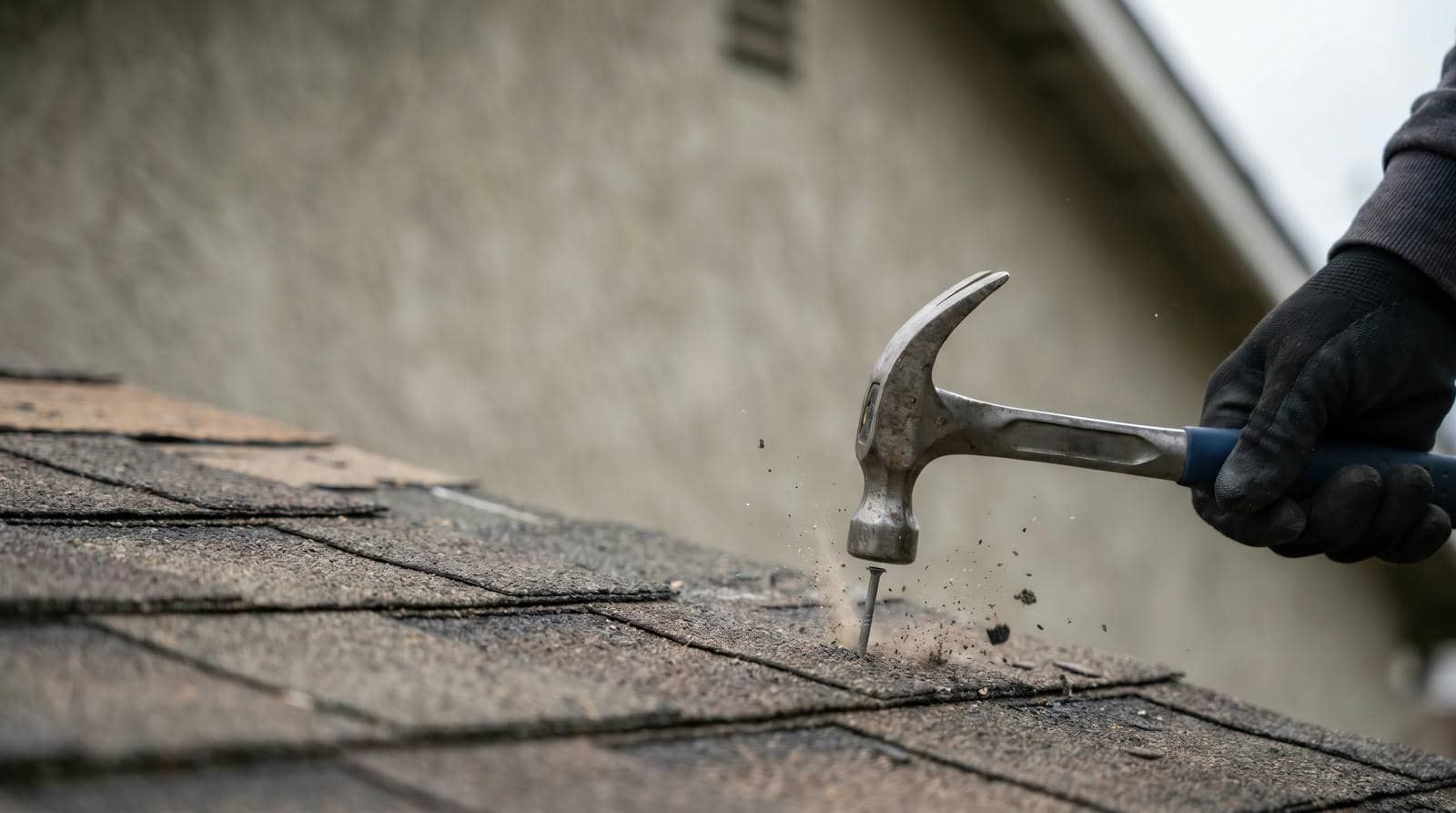
- Reseat loose fasteners and reseal exposed heads.
- Stop minor leaks before insulation stays wet.
You don’t need a major overhaul for every defect. Quick fixes keep your roof member in your crew’s best shape, reduce repair stress, and preserve the work you already paid for.
A fast response also helps you spot patterns, so you can stay ahead of repeat damage.
When a Patch Repair Is Enough
A patch repair is enough when the damage is small, isolated, and the surrounding roof materials are still in good condition. You can usually trust this option for a single torn shingle, a minor puncture, or a small flashing gap.
The key is that the leak source stays contained and the nearby decking, underlayment, and fasteners still hold firm. You’ll want a roofer to seal the area, match the material, and confirm the repair bonds cleanly.
When you act quickly, you protect your home and stay in control of the problem. A well-done patch can restore performance and keep your roof working with the rest of your place.
That’s the kind of practical fix that helps your household stay dry and confident.
Roof Repair or Full Replacement?
When does a repair stop making sense? You weigh roof repair against full replacement when damage keeps returning, the roof is near the end of its service life, or leaks show up in multiple areas.
A repair can buy time, but it won’t solve widespread wear. Full replacement makes more sense when your system is aging, structurally compromised, or mismatched after repeated fixes. You want a roof that protects your home and fits your budget.
- Spot damage in one area: repair
- Recurring leaks across sections: replacement
- Worn materials with limited life left: replacement
- Localized storm damage on a sound roof: repair
You’ll know you’re choosing well when the fix matches the failure.
How to Make Roof Repairs Last Longer?
To make roof repairs last longer, you need to control the conditions that cause them to fail. Start by fixing leaks early, then keep gutters clear so water doesn’t back up under shingles.
You should inspect flashing, sealant, and fasteners after storms, because small gaps grow fast. Trim overhanging branches to reduce impact and debris, and keep attic ventilation working so heat and moisture don’t age materials.
If you spot lifted shingles, nail pops, or cracked caulk, address them right away with matching materials. Use a qualified roofer for repairs, and ask for photos so you know what was done.
Stay consistent with seasonal inspections, and you’ll protect your home, your crew, and your place in the neighborhood.
Frequently Asked Questions
How Much Does a Typical Roof Repair Cost?
You’ll typically pay $150 to $1,500 for roof repair, depending on damage, materials, pitch, and labor. You can expect minor fixes cheaper, while leak repairs, flashing, and shingle replacement cost more.
Can I Stay Home During Roof Repair Work?
Yes, you can usually stay home during roof repair work. As the saying goes, safety first; you should expect noise, debris, and brief power loss, but your crew’ll protect access and communicate disruptions clearly.
Does Roof Repair Affect My Insurance Coverage?
Yes, roof repair can affect your insurance coverage if you don’t report damage, use unlicensed contractors, or delay fixes. You should document work, follow policy terms, and contact your insurer before and after repairs.
How Soon Should I Inspect a Repaired Roof?
Inspect it within 24–48 hours, then after the next heavy rain—why wait for leaks? You’ll catch loose flashing, missed nails, and sealant gaps early, protecting your home and your crew’s hard-earned peace of mind.
Are Roof Repair Warranties Transferable to New Owners?
Yes, you can sometimes transfer roof repair warranties to new owners, but you’ll need to check your contract. You should confirm registration rules, deadlines, and coverage limits, since many warranties aren’t fully transferable.
Conclusion
Your roof repair can last 5 to 15 years, and sometimes longer, depending on material, workmanship, and weather exposure. If you keep up with inspections, quick fixes, and regular maintenance, you can slow wear and spot failure early. A well-made repair is like a stitched seam on a jacket: strong when cared for, weak when ignored. When damage spreads or leaks return, you’ll likely need a larger repair or full replacement.