When a commercial roof fails, it can feel like a dam breaking overhead. You need to act fast: stop water intrusion, protect equipment, document damage, and call a qualified emergency roofing contractor. The first response often decides whether you face a minor repair or a major shutdown, and the right steps now can shape the claim, the fix, and what happens next.
Key Takeaways
- Identify commercial roof emergencies quickly: active leaks, storm damage, punctures, wind uplift, and structural sagging.
- Protect people and property by isolating wet areas, shutting off nearby power, and moving inventory and equipment.
- Stop water intrusion fast with temporary waterproofing, tarps, barriers, and leak containment at the source.
- Document all damage with dated photos, weather notes, and inspection records for insurance claims and contractor coordination.
- Hire a licensed emergency roofing contractor for rapid response, permanent repairs, and code-compliant restoration.
What Counts as a Commercial Roof Emergency?
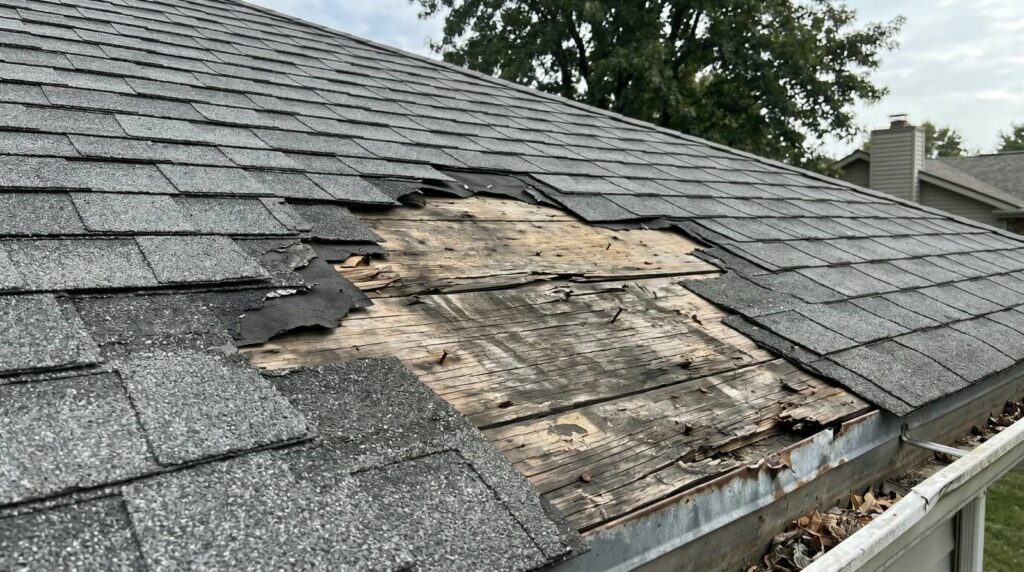
A commercial roof emergency is any sudden condition that threatens building safety, operations, or property, such as active leaks, storm damage, punctures, wind uplift, or structural sagging.
You should treat these failures as urgent when they expose insulation, decking, electrical systems, or inventory to immediate risk.
Your team needs an emergency commercial roofing services response when weather damage spreads fast, flashing tears, seams split, or drainage fails and water loads the roof.
You’ll also need rapid support if debris impact, fire, or aging materials create instability.
In a well-run facility, you don’t wait for minor damage to worsen. You act decisively, protect your people, and bring in qualified crews who understand commercial systems and keep your operation in the community.
What to Do First During a Roof Leak
When a commercial roof starts leaking, your first move is to protect people and limit water intrusion. You should move employees, customers, and equipment away from the affected area, then isolate any active drip zones with caution signs or barriers.
Shut down nearby electrical circuits if water is reaching fixtures, panels, or data equipment. Document the leak’s location, size, and timing with photos so your roofing team has clear information.
If safe, place containers under drip points and remove sensitive inventory from harm’s way. Notify building management and contact a commercial roofing professional immediately for emergency assessment.
Don’t climb onto the roof unless you’re trained and conditions are safe. Acting quickly keeps your team protected and helps your facility stay in control together.
Stop Water Intrusion Fast
You need to contain the leak immediately to stop water from spreading through the roof assembly.
Emergency commercial roofing services can isolate the breach fast, reduce active intrusion, and protect exposed areas.
Quick response also limits interior damage to insulation, ceilings, equipment, and inventory.
Rapid Leak Containment
You need a fast, organized response: identify the active breach, trace the flow path, and apply temporary waterproofing at the source.
Your crew should use compatible sealants, reinforced patching, or membrane overlays that match the roof system and weather conditions.
Keep the area controlled, document the damaged section, and maintain clear communication so everyone stays aligned.
When you act this way, you protect the roof assembly and preserve operational continuity.
You’re not just stopping water; you’re restoring confidence in your facility response.
In emergency roofing, speed matters, but precision keeps the fix reliable until permanent repairs begin.
Interior Damage Prevention
As soon as water breaks through the roof assembly, you need to stop it from reaching ceilings, electrical systems, stock, and equipment. Move fast: place containment barriers, relay plastic sheeting, and set buckets or drains under active leaks.
Shut down exposed circuits, protect sensitive inventory, and lift items off the floor. You should redirect runoff away from finished spaces and document wet areas for repair crews.
Use absorbent mats near traffic paths, and seal penetrations where water tracks downward. Your team stays safer when you cordon off affected zones and keep access clear for responders.
Fast interior control limits mold, corrosion, and business interruption, so your people can stay focused and your operation can recover with less loss.
Protect Inventory and Equipment
When a commercial roof starts leaking during a storm, emergency crews help shield inventory and equipment before water causes costly spoilage, corrosion, or electrical damage.
You need fast control of exposure, so teams place tarps, divert runoff, and isolate wet zones around pallets, machinery, and server racks.
You should move sensitive stock off the floor, elevate cartons, and cover critical components with waterproof sheeting.
Quick power shutdowns in affected areas can protect motors, controls, and live circuits from shorting.
If you store temperature-sensitive goods, you’ll want to maintain airflow and document conditions for claims.
A disciplined response keeps your operation stable, reduces downtime, and protects the assets your team depends on.
When you act quickly, you stay in command and keep your facility working together.
Choose an Emergency Roofing Contractor
You should choose an emergency roofing contractor that responds fast, because every minute of delay increases interior damage risk.
Verify that the crew is licensed for storm repair and can document the scope, safety steps, and temporary stabilization work.
When you act quickly with a qualified contractor, you reduce disruption and protect your facility from escalating loss.
Response Time Matters
You need a contractor who answers fast, confirms your location, and dispatches crews without hesitation.
In a real emergency, speed isn’t a bonus; it’s part of the containment plan. Quick arrival lets you limit interior damage, protect inventory, and keep your team safer while conditions are stabilized.
You also gain confidence when the contractor communicates clearly, gives an estimated arrival window, and updates you as conditions change.
That kind of responsiveness shows they understand commercial urgency and respect your operation.
When your facility is on the line, choose the team that acts like your business matters, because it does, and every minute counts.
Licensed Storm Repair Crew
A fast arrival only helps if the crew is qualified to handle storm damage correctly. You need a licensed storm repair crew that knows commercial roof systems, code requirements, and safe repair sequencing.
When you choose an emergency roofing contractor, verify state licensing, insurance, and manufacturer certifications. That protects your building, your team, and your claim.
A qualified crew will inspect membrane tears, flashing failure, saturated insulation, and structural impacts before they patch or replace anything. They’ll document damage, stabilize the roof, and coordinate with your adjuster.
You shouldn’t settle for a general handyman crew that guesses under pressure. Join the businesses that trust trained specialists, because your property deserves a response built on competence, accountability, and proven field experience during every storm event.
What to Expect During Roof Tarping
When emergency crews arrive for roof tarping, they first inspect the damaged area, identify active leaks, and stabilize the roof before additional water intrusion spreads.
You can expect them to clear loose debris, secure exposed edges, and measure the affected section for a tarp that covers the breach with proper overlap. They’ll anchor it with boards, fasteners, or sandbags, depending on roof type and wind load.
This temporary barrier helps protect insulation, structural components, and interior operations until permanent repairs begin.
You should stay clear of the work zone and keep access routes open. A professional crew works quickly, coordinates with your staff, and restores a controlled environment so your facility stays functional and your team stays confident.
Document Commercial Roof Damage
Document the roof damage immediately after the area is safe, because clear records help you support insurance claims, guide repairs, and verify the full scope of loss.
You should photograph every affected section from multiple angles, including membrane tears, punctures, lifted flashing, saturated insulation, clogged drains, and interior leaks.
Mark the time, date, weather conditions, and exact roof locations so your team can track patterns and prioritize work.
Keep all notes consistent and factual; avoid guesses about cause or extent.
If you have access, capture drone images or video for large spans and complex assemblies.
Store files in one shared folder so everyone on your crew can review the same evidence.
Strong documentation keeps your response organized, professional, and ready for the next repair step.
Work With Insurance on Roof Claims
You should document all roof damage with dated photos, inspection notes, and repair estimates before you file the claim.
You’ll give your insurer clear evidence that supports the loss and speeds review.
Then you should coordinate claim adjustments with your roofing contractor so the scope, pricing, and required repairs stay aligned.
Document Roof Damage
Take photos and video of all visible roof damage immediately, including punctures, lifted membranes, standing water, interior leaks, and damaged equipment. You should capture wide shots and close-ups so your insurer can verify the full scope.
Record the date, time, weather conditions, and exact roof area affected. Keep damaged materials in place when safe, and label any temporary repairs separately.
Save invoices, emergency service logs, and maintenance records in one file. Use a consistent naming system for every image and document so your claim stays organized.
Share clear, factual notes with your insurance carrier and roofing partner. When you document thoroughly, you strengthen your position, reduce disputes, and stay aligned with a team that protects your property with confidence.
Coordinate Claim Adjustments
Once you’ve assembled photos, videos, repair logs, and receipts, send the full claim package to your insurer and roofing contractor so they can verify losses and begin adjustment.
You should stay engaged through each inspection, scope review, and estimate reconciliation. Confirm that temporary tarping, drying, and leak mitigation appear in the claim, since those emergency measures protect your building and support recovery.
If the adjuster questions damage limits, ask your roofer to provide code references, measurements, and material specifications.
Keep a single communication log so everyone tracks decisions, supplements, and approvals. This process works best when your team stays aligned and responsive.
With clear records and steady follow-up, you’ll reduce delays, protect coverage, and move your facility back to safe, watertight operation.
Permanent Commercial Roof Repair Options
When emergency tarping or patching only buys time, permanent commercial roof repair options address the root cause of leaks and storm damage before they escalate into structural or operational failures.
You may need membrane seam welding, reinforced flashing replacement, panel fastener resets, or localized deck repair, depending on the roof system. A qualified contractor traces water paths, opens damaged areas, and repairs saturated insulation before resealing the assembly.
If deterioration is widespread, you can choose a targeted section replacement that restores performance without full reroofing. You’ll also get documented materials, compatible sealants, and code-aware workmanship that supports long-term service.
When your team acts decisively, you protect assets, maintain uptime, and keep your facility aligned with a trusted commercial roofing standard.
Prevent the Next Roof Emergency
After the repair crew secures the immediate damage, you should inspect the roof on a set schedule and address small defects before they become leaks.
Build a preventive program with quarterly walk-throughs, post-storm checks, and documented photos. You’ll catch punctures, open seams, clogged drains, loose flashings, and membrane wear early, when repairs stay simple and affordable.
Keep your team aligned with a trusted roofing contractor so everyone knows reporting steps, access points, and escalation contacts.
Verify sealants, edge metal, penetrations, and rooftop equipment mounts after high winds or heavy hail. Track findings in a log, then prioritize corrections by risk.
When you stay disciplined, your roof protects your operations, your people, and your place in the business community.
Summary
When your commercial roof fails, you need to act fast, and every minute counts. You’ve got to stop the intrusion, protect your assets, and bring in a qualified contractor before minor damage becomes a costly flood. Think of emergency response as your roof’s shock absorber: it softens the blow, then buys you time for permanent repairs. Stay proactive with inspections and maintenance, and you’ll reduce risk, protect operations, and keep your facility secure.