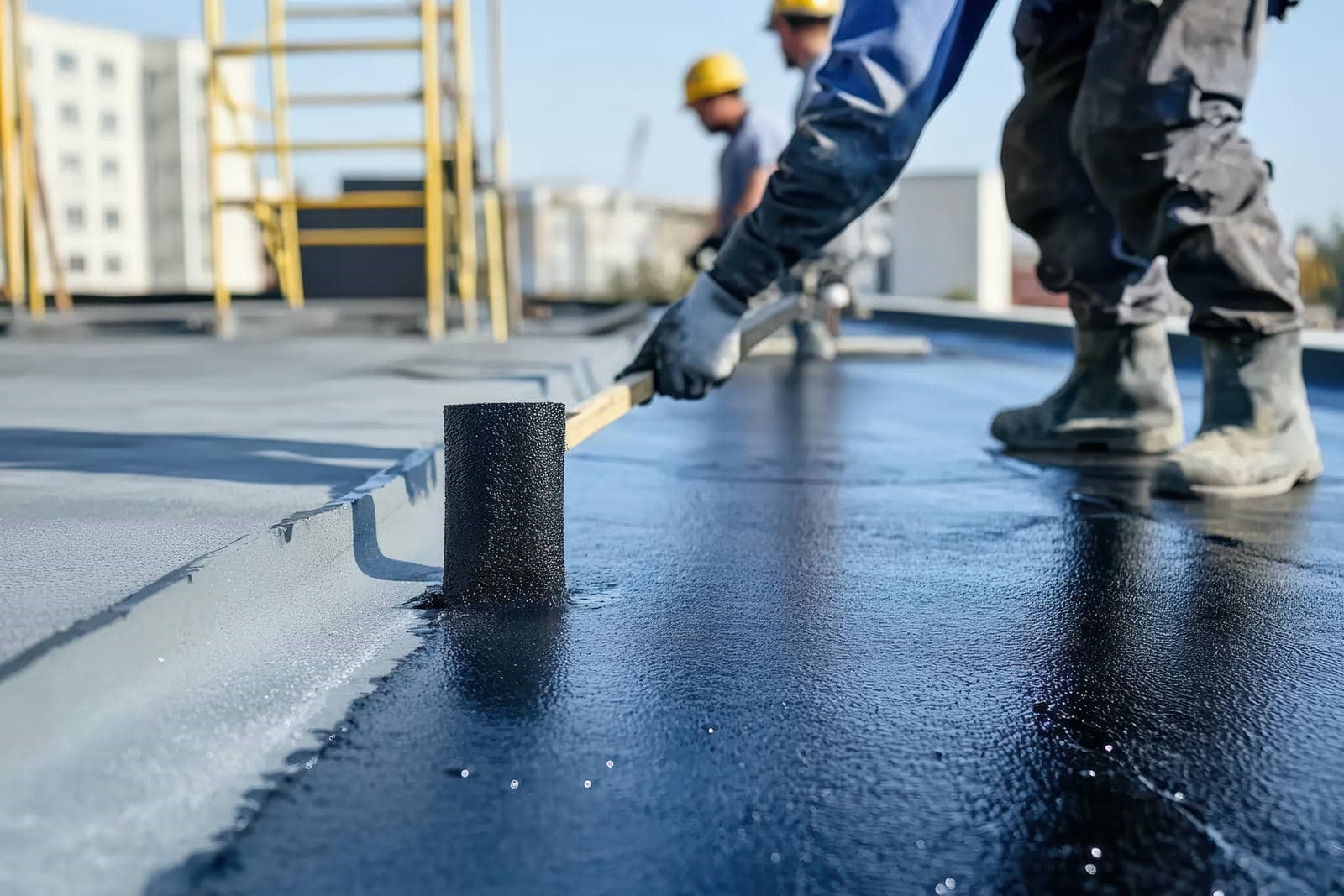
When it comes to enhancing your flat roof’s performance, you might find that a few smart upgrades can make all the difference. By exploring energy-efficient techniques, you can greatly improve thermal resistance and reduce energy costs. From selecting high-performance insulation to incorporating green roofing solutions, there are various strategies worth considering. What’s more, these methods boost efficiency and contribute to a sustainable environment. Discover how you can maximize your roof’s potential.
Key Takeaways
- Utilize reflective coatings to minimize heat absorption and reduce energy consumption on flat roofs.
- Incorporate high R-value insulation materials, such as foam boards, for improved thermal performance and energy efficiency.
- Implement green roofing solutions that promote biodiversity and capture rainwater while providing natural insulation.
- Integrate solar power systems to transform flat roofs into energy-generating platforms, lowering energy bills long-term.
- Establish regular maintenance schedules to ensure roof integrity, enhance performance, and prolong lifespan, contributing to sustainability efforts.
Benefits of Energy-Efficient Flat Roof Restoration
When you consider flat roof restoration, energy efficiency should be high on your priority list, as it offers numerous benefits that extend beyond mere aesthetics.
By enhancing energy efficiency, you can greatly reduce your building’s environmental impact. A well-restored flat roof minimizes heat absorption, which helps in combating urban heat islands—a pressing issue in many cities.
When your roof reflects sunlight instead of absorbing it, you decrease the demand for air conditioning, leading to lower energy bills and a smaller carbon footprint. This benefits your finances and fosters a sustainable community, aligning you with like-minded individuals committed to environmental stewardship.
Moreover, energy-efficient roofs often utilize materials that are recyclable and less harmful to the environment, reinforcing your sense of belonging to a positive movement.
Selecting the Right Insulation Materials
When selecting insulation materials for your flat roof restoration, understanding the various types available is vital.
You’ll want to take into account the R-value, as it directly impacts your roof’s energy efficiency.
Additionally, the installation techniques you choose can greatly influence overall performance, making it essential to prioritize quality in both materials and methods.
Insulation Types Overview
Choosing the right insulation materials is essential for maximizing energy efficiency in flat roof restoration projects.
By conducting an insulation materials comparison, you can assess various options like fiberglass, foam, and cellulose. Each material has unique benefits and challenges, impacting your project’s overall thermal performance analysis.
Foam boards, for instance, offer high R-values and moisture resistance, making them suitable for flat roofs.
In contrast, fiberglass is cost-effective but may require additional barriers to prevent moisture issues.
Understanding these differences allows you to select materials that best fit your building’s needs and climate.
Ultimately, making informed choices fosters a sense of community among those passionate about sustainable building practices, helping everyone contribute to a greener future.
R-Value Importance
Understanding the R-value of insulation materials is essential for achieving ideal energy efficiency in flat roof restoration. The R-value measurement indicates how well a material resists heat flow, directly impacting your building’s energy consumption.
When selecting insulation, you’ll want to conduct an R-value comparison among various materials to determine which option provides the best thermal resistance for your specific needs. Higher R-values generally lead to reduced energy costs and improved indoor comfort.
Installation Techniques Matter
Effective insulation isn’t just about selecting high R-value materials; it’s also about how you install them. The right installation methods can greatly enhance energy efficiency and longevity.
When you choose insulation, verify that it fits snugly between joists and beams to minimize air gaps. Proper sealing is essential, as it prevents thermal bridging and air leaks that can undermine your efforts.
Consider using spray foam or rigid board insulation, both of which can be tailored to your building’s unique needs. Don’t overlook the importance of a continuous insulation layer; it creates a thermal blanket that optimizes performance.
Green Roofing Solutions and Their Advantages
As urban environments evolve, green roofing solutions have emerged as a sustainable alternative that enhances building aesthetics and contributes to energy efficiency and environmental health.
By utilizing sustainable materials like native plants and engineered soil, you’re not just improving your roof; you’re fostering biodiversity and reducing urban heat islands.
In a benefits overview, these roofs can lower energy costs by providing natural insulation and reducing the need for heating and cooling. They also capture rainwater, mitigating stormwater runoff, which is essential for preventing flooding.
Additionally, green roofs can extend the lifespan of your roofing system by protecting it from harmful UV rays and temperature fluctuations.
Ultimately, embracing green roofing solutions allows you to be part of a larger community committed to sustainability, creating spaces that resonate with nature while promoting a healthier planet for all.
Cool Roof Coatings for Enhanced Energy Efficiency
Cool roof coatings offer a reflective surface that greatly reduces heat absorption, enhancing your building’s energy efficiency.
By applying these coatings, you can realize substantial energy savings, particularly in warmer climates.
Understanding the best application techniques will ensure you maximize these benefits effectively.
Reflective Surface Benefits
Reflective surfaces, such as cool roof coatings, play a pivotal role in enhancing energy efficiency for flat roof restorations. By utilizing reflective materials, you can markedly improve temperature regulation in your building.
Here are some key benefits:
Reduced Heat Absorption: Reflective surfaces deflect sunlight, lowering heat absorption.
Improved Indoor Comfort: Maintaining a cooler roof leads to more stable indoor temperatures.
Extended Roof Lifespan: Lower temperatures can reduce wear and tear on roofing materials.
Incorporating these innovative coatings promotes energy savings and fosters a sense of community responsibility by contributing to environmental sustainability.
You’re not just enhancing your space; you’re creating a cooler, more efficient environment for everyone. Embracing reflective surfaces is a step towards a brighter, energy-efficient future.
Energy Savings Potential
By adopting reflective surfaces, you enhance temperature regulation and unlock significant energy-saving potential through cool roof coatings.
These coatings dramatically reduce energy consumption by reflecting sunlight, thereby lowering the heat absorbed by your roof. As a result, your building’s thermal performance improves, leading to less reliance on air conditioning systems during hot months.
This shift benefits your wallet and contributes to a more sustainable environment. You’ll feel a sense of belonging within a community that prioritizes energy efficiency.
Investing in cool roof coatings means you’re not just optimizing your space; you’re joining a movement toward responsible energy use and environmental stewardship, ensuring a cooler, more comfortable future for everyone involved.
Application Techniques Overview
When considering the application of cool roof coatings, understanding the right techniques can greatly enhance energy efficiency.
Effective application methods are essential for maximizing performance and longevity. Here are some key points to keep in mind:
Surface Preparation: Make sure your roof is clean and free of debris to promote proper adhesion.
Temperature Control: Apply coatings during ideal temperature conditions for better curing and effectiveness.
Layering Techniques: Use multiple thin layers instead of a single thick one to enhance durability and reflectivity.
Integrated Solar Power Systems for Flat Roofs
As flat roofs increasingly become platforms for innovative energy solutions, integrating solar power systems presents a practical way to enhance energy efficiency while maximizing usable space. You can greatly boost energy generation by opting for solar panel integration, turning your roof into a powerhouse. This contributes to sustainability and fosters a sense of community, as more homeowners and businesses adopt eco-friendly practices.
Installing solar panels on flat roofs allows for ideal positioning and minimizes shading, ensuring maximum sunlight exposure. You’ll find that these systems can be tailored to fit various roof types and sizes, making them accessible for different properties.
With advancements in solar technology, you can enjoy higher efficiency rates and lower installation costs. Plus, the long-term savings on energy bills create a compelling case for this investment. Embracing solar integration not only benefits you but also contributes to a collective shift towards greener living.
Regular Maintenance Practices to Improve Energy Efficiency
While regular maintenance might seem like a chore, it plays an essential role in enhancing the energy efficiency of your flat roof. By committing to a few key practices, you can ensure your roof performs at its best and stands the test of time.
Schedule preventive inspections to catch minor issues before they escalate.
Clean gutters and drains regularly to prevent water accumulation and damage.
Check insulation and ventilation to maintain temperature consistency.
Establishing maintenance schedules saves you money and fosters a sense of community responsibility. When you take care of your roof, you’re contributing to a more sustainable environment for everyone.
Regularly evaluating your roof’s condition will help you make informed decisions about necessary repairs, ensuring your flat roof remains energy-efficient and effective. By prioritizing these practices, you’ll enhance your roof’s longevity and comfort, creating a space that you and your loved ones can truly enjoy.
Cost-Effective Upgrades for Long-Term Savings
Investing in cost-effective upgrades can markedly enhance your flat roof’s energy efficiency and save you money in the long run. By considering budget-friendly options like reflective coatings or energy-efficient insulation, you can effectively reduce your energy consumption and lower utility bills.
These upgrades improve thermal performance and prolong your roof’s lifespan, offering long-term benefits that make them worthwhile.
Implementing green roofing systems can also yield impressive results, providing natural insulation and reducing heat absorption. Additionally, integrating proper drainage solutions prevents water accumulation, which can lead to costly repairs.
Ultimately, choosing the right upgrades means embracing a sustainable future while nurturing a sense of community responsibility. As you invest in these enhancements, you’ll contribute to a collective effort toward energy efficiency, ensuring your flat roof protects your home and aligns with your values of sustainability and cost management.
Frequently Asked Questions
How Long Does a Flat Roof Restoration Typically Last?
A flat roof restoration typically lasts 15 to 30 years, depending on materials and maintenance. You should consider restoration frequency to maximize your flat roof’s lifespan and ensure long-term performance and durability.
What Are the Signs That a Flat Roof Needs Restoration?
If you notice surface deterioration or frequent leak detection, your flat roof likely needs restoration. Stay proactive to extend your roof’s lifespan and enhance energy efficiency.
Can I Perform Flat Roof Restoration Myself?
Yes, you can tackle DIY restoration, but weigh the cost considerations. Assess your skills and tools; improper work might lead to more expenses later. Knowledge and preparation are key to a successful project.
What Permits Are Needed for Flat Roof Restoration Projects?
You’ll need to check local building codes and permit requirements before starting your flat roof restoration. Each jurisdiction varies, so make sure you’ve got all necessary approvals to avoid potential fines or project delays.
How Does Weather Affect Flat Roof Restoration Processes?
“Make hay while the sun shines.” Weather impacts your flat roof restoration considerably; seasonal considerations like temperature and precipitation can delay work or affect materials. Planning around these factors ensures a smoother, more efficient restoration process.
Recap
By embracing energy-efficient techniques for flat roof restoration, you’re not just enhancing your building; you’re wielding the power to revolutionize energy consumption! Imagine turning your roof into a green oasis that slashes your energy bills to mere pennies and fights climate change like a superhero. With the right insulation, cool coatings, and green solutions, you’re setting the stage for a sustainable future where your roof becomes a beacon of innovation and environmental stewardship.