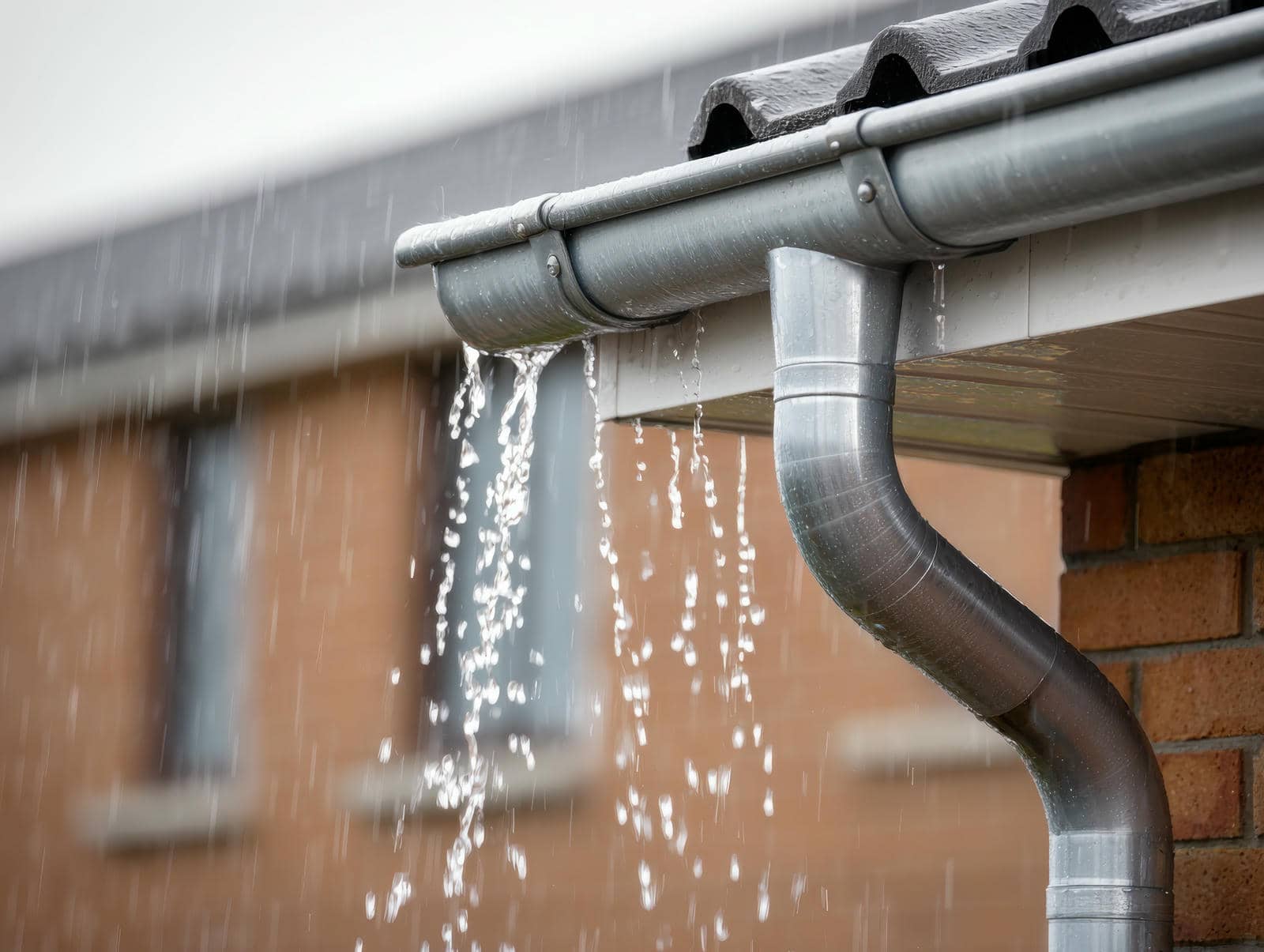
When storm damage affects your metal roof, restoration becomes essential to maintain its integrity and performance. You’ll need to identify visible signs of damage like dents or rust, as well as hidden issues that may compromise durability. The assessment process is critical for determining the extent of the repairs needed. Understanding the steps and benefits of restoration can help you make informed decisions and ensure long-term protection for your property. What comes next might surprise you.
Key Takeaways
- Metal roof restoration after storm damage involves assessing and repairing dents, rust, and other issues to maintain roof integrity.
- The process includes cleaning surfaces, sealing leaks, and applying protective coatings to enhance durability and energy efficiency.
- Regular inspections help identify hidden damage and prevent further deterioration, ensuring the longevity of the roof.
- Restoration can improve aesthetic appeal and increase property value while contributing to energy savings and environmental sustainability.
- Costs vary based on damage extent, material choices, and local labor rates, making planning and budgeting essential for effective restoration.
Understanding Metal Roof Restoration
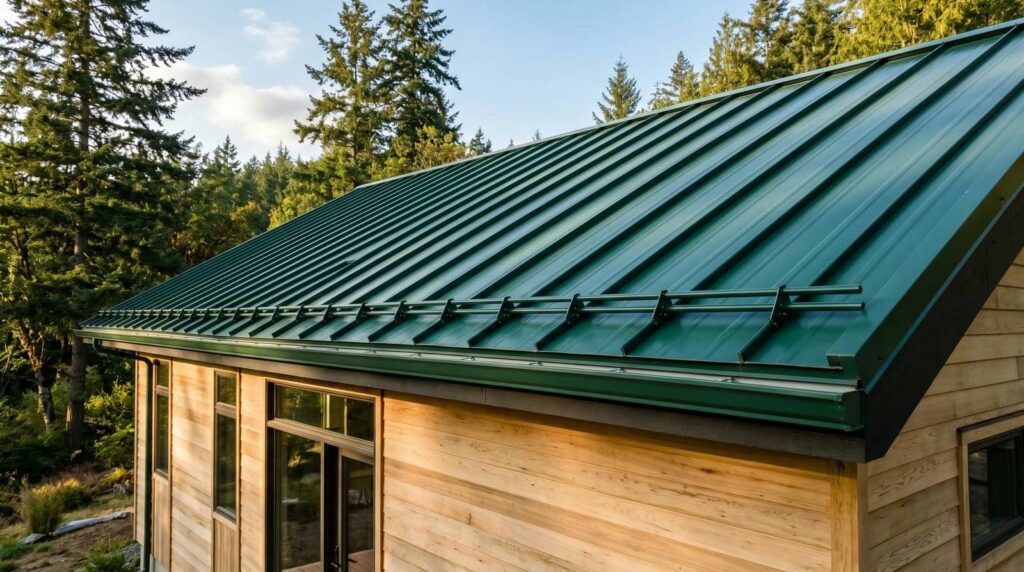
When a storm damages your metal roof, understanding the restoration process is crucial for maintaining its integrity and longevity. You’ll need to evaluate various metal roofing options that suit your home’s aesthetic and functional requirements.
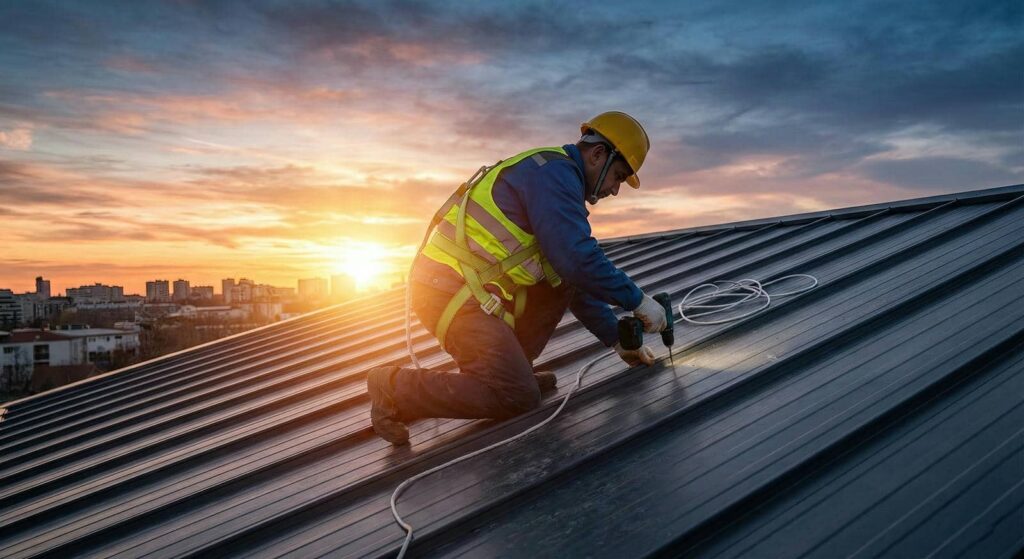
Restoration techniques can vary, but they typically include cleaning, repairing, and recoating your roof. Start by removing debris and inspecting for dents or rust. Address any underlying issues with the metal, such as corrosion or loose seams, using appropriate sealants and fasteners.
Next, consider applying a high-quality protective coating to enhance durability and reflectivity. This step revitalizes the appearance and adds an extra layer of protection against future storms.
Signs of Storm Damage on Metal Roofs
After a storm, you should inspect your metal roof for dents and dings that may compromise its structural integrity.
Look closely for any signs of rust and corrosion, as moisture can lead to further deterioration.
Identifying these issues early is essential for maintaining the longevity of your roof.
Dents and Dings
Dents and dings on your metal roof can serve as clear indicators of storm damage, often resulting from hail, falling branches, or high winds.
Identifying these imperfections is essential; even minor dents can compromise your roof’s integrity. When you notice these issues, it’s important to address them promptly.
Dent repair and ding removal are crucial steps in restoring your roof to its original condition. You might need specialized tools or professional assistance to ensure the job is done correctly.
Ignoring these signs can lead to more significant problems down the road, so take action. By maintaining your roof’s surface, you contribute to its longevity and protect your home from further damage.
Keep your roof strong and resilient!
Rust and Corrosion
Rust and corrosion are critical signs of storm damage that can greatly affect the longevity of your metal roof.
After severe weather, inspect for reddish-brown patches or flaking paint—both indicate moisture infiltration. Addressing these issues promptly is essential for your roof’s integrity.
You’ll want to implement rust prevention strategies, such as applying protective coatings or sealants, to mitigate future damage. If corrosion has already set in, don’t hesitate to seek professional corrosion treatment to remove rust and restore your roof’s surface.
The Assessment Process for Damage
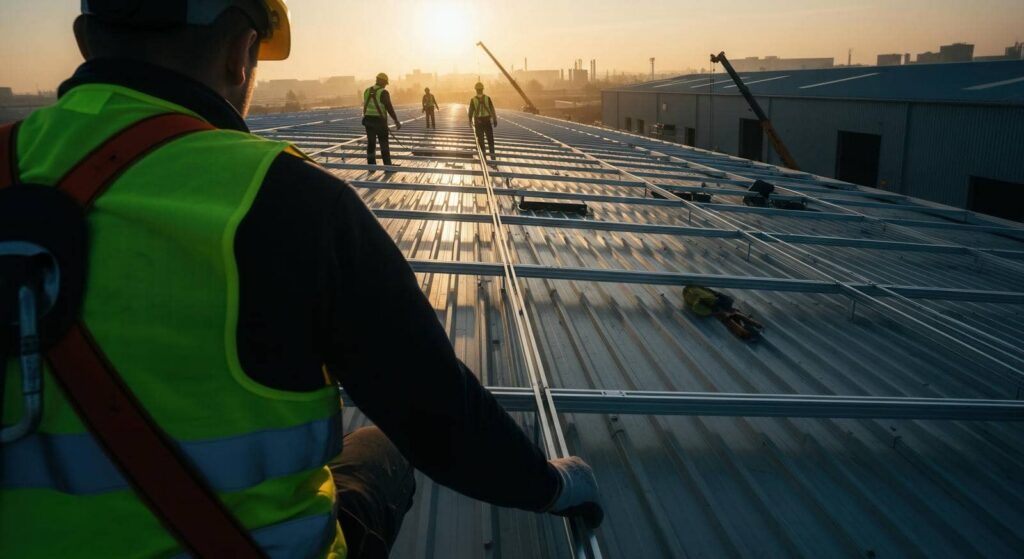
When evaluating storm damage to a metal roof, it’s essential to conduct a thorough inspection to identify both visible and hidden issues.
Start with damage evaluation by checking for dented panels, loose fasteners, and broken seams. Use effective inspection techniques, such as infrared scanning, to detect underlying moisture infiltration that may not be visible to the naked eye.
Inspect the flashings and gutters for any signs of displacement or blockages that could lead to further deterioration. Pay particular attention to the roof’s edges and valleys, where damage is often more pronounced.
Document your findings meticulously, as this will assist in establishing a clear restoration plan. Engaging with a professional can also enhance your assessment process, ensuring no detail is overlooked.
Your proactive approach to identifying these issues can help maintain the integrity of your metal roof and ultimately foster a sense of belonging within your community by promoting safe and secure homes.
Steps Involved in Metal Roof Restoration
To restore your metal roof effectively, start with an initial damage assessment to identify all affected areas.
Next, implement a systematic repair and maintenance process to address any issues found during the assessment.
Following these steps ensures your roof is restored and fortified against future storm damage.
Initial Damage Assessment
Although storm damage can be intimidating, conducting an initial damage evaluation is vital for effective metal roof restoration. Start by inspecting your roof for visible signs of storm impact, such as dents, scratches, or missing panels. Use binoculars for hard-to-reach areas, ensuring you don’t overlook any damage.
Next, evaluate the metal integrity by checking for rust or corrosion, which can compromise strength. Document your findings with photographs, as this will aid in any insurance claims and help professionals understand the extent of the damage.
Finally, don’t forget to examine the flashing and seals; these components are critical for preventing leaks. By thoroughly evaluating the damage, you’ll lay the groundwork for a successful restoration process.
Repair and Maintenance Process
After completing the initial damage assessment, you can move on to the repair and maintenance process for your metal roof. This phase is vital for effective restoration and involves several essential steps:
Clean the Surface: Remove debris, dirt, and rust to ensure a solid foundation for repairs.
Inspect and Repair: Identify specific areas needing restoration techniques, such as sealing leaks or replacing damaged panels.
Apply Protective Coatings: Use high-quality sealants and coatings to enhance the roof’s durability and longevity.
Schedule Regular Maintenance: Establish a routine for roof maintenance, including periodic inspections and cleaning, to prevent future damage.
Benefits of Restoring a Metal Roof
When faced with storm damage, restoring your metal roof can offer numerous advantages that go beyond mere aesthetics.
First, a restored roof enhances your home’s energy efficiency, often reflecting more sunlight and reducing cooling costs during hot months. This saves you money while also contributing to a greener environment, making you proud of your home’s impact.
Additionally, the aesthetic appeal of your roof will considerably improve. By addressing dents, rust, or faded paint, you can revitalize your home’s exterior, increasing its curb appeal and potentially boosting its resale value.
A well-maintained roof signals care and attention, fostering a sense of belonging within your community.
Moreover, restoration can extend the lifespan of your metal roof, ensuring you won’t face costly replacements any time soon.
Choosing the Right Restoration Professionals
Choosing the right restoration professionals is essential for ensuring your metal roof receives the care it needs after storm damage. To make an informed decision, consider these factors:
Restoration Qualifications: Verify that the professionals have the necessary certifications and training specific to metal roofs. This ensures they understand the unique materials and techniques involved.
Professional Experience: Look for a team with a proven track record in metal roof restoration, especially after storm damage. Experience often translates to better problem-solving skills.
Reputation and Reviews: Investigate customer testimonials and reviews. A reputable company will have positive feedback from previous projects, indicating reliability and quality work.
Insurance and Warranty: Confirm that the professionals carry adequate insurance and offer warranties on their work. This protects you from future liabilities and provides peace of mind.
Preventative Measures After Restoration
To ensure the longevity of your metal roof after restoration, implementing effective preventive measures is essential.
Start with regular inspections, ideally every six months, to identify any potential issues before they escalate. Look for signs of wear, such as rust, loose fasteners, or damaged coatings. Addressing these problems early on can prevent costly repairs down the line.
Incorporate a routine of preventative maintenance, including cleaning debris from gutters and roof surfaces to ascertain proper drainage. This helps mitigate the risk of water damage and corrosion.
Additionally, consider applying a protective sealant every few years to enhance durability and resist the elements.
Costs Associated With Metal Roof Restoration
Metal roof restoration costs can vary considerably based on several factors, including the extent of damage, materials used, and labor rates in your area.
Understanding these variables can help you plan your budget effectively. Here are some key components that can influence restoration costs:
Extent of Damage: Minor repairs will cost less than extensive damage requiring significant work.
Materials Used: Premium materials may enhance durability but can raise overall costs.
Labor Rates: Local labor costs can fluctuate, impacting the total price.
Insurance Coverage: Depending on your policy, restoration costs might be partially or fully covered, so be sure to check.
Frequently Asked Questions
How Long Does a Metal Roof Restoration Typically Take?
A metal roof restoration typically takes one to three days, depending on the project duration and specific repairs needed. Understanding the restoration timeline helps you plan effectively and ensures your roof’s longevity and performance.
Will My Insurance Cover the Restoration Costs?
Yes, your insurance might cover restoration costs. For instance, if a hailstorm damages your roof, submitting an insurance claim could secure restoration coverage, helping you restore your home’s integrity while reducing your out-of-pocket expenses.
Can I Perform Restoration Myself?
You can perform DIY restoration, but prioritize safety precautions. Make certain you have the right tools, materials, and knowledge. Assess your skills honestly; sometimes, hiring a professional might save you time and prevent further damage.
How Often Should I Inspect My Metal Roof?
You should inspect your metal roof at least twice a year, focusing on signs of wear. Regular metal roof maintenance helps prevent costly repairs, ensuring your roof remains intact and protects your home from future storms.
What Materials Are Best for Metal Roof Restoration?
For metal roof restoration, you’ll want high-quality metal roofing materials, such as galvanized steel or aluminum, paired with effective restoration techniques—sealing, coating, and repair — to ensure durability and longevity.
Final Thoughts
Restoring your metal roof after storm damage isn’t just a repair—it’s a crucial investment in your property’s future. By addressing issues promptly and engaging skilled professionals, you can fortify your roof against the elements, like a knight donning armor before battle. This proactive approach enhances durability and energy efficiency and ensures your home maintains its aesthetic appeal. Don’t wait for the next storm; safeguard your roof today for a brighter tomorrow.