Most people underestimate the importance of regular flat roof inspections, which can prevent costly repairs down the line. It’s vital to identify potential issues before they escalate into major leaks. You may not realize that even a small crack can lead to significant damage. To help you stay ahead of these problems, let’s explore seven important tips for effectively inspecting your flat roof for leaks.
Key Takeaways
- Regularly inspect roof surfaces for cracks, blisters, and signs of ponding water to identify potential leak sources early.
- Check seams and flashing for deterioration, ensuring all attachments are secure and free from rust or corrosion.
- Maintain clear drainage systems by regularly cleaning gutters and checking for obstructions to prevent water pooling.
- Inspect interior spaces for watermarks, discoloration, and bubbling paint, which can indicate hidden leaks.
- Schedule professional inspections at least twice a year to assess roof integrity and implement necessary maintenance promptly.
Understand Common Causes of Flat Roof Leaks
When you’re dealing with flat roofs, understanding the common causes of leaks is essential for effective maintenance and repair.
Flat roofs often utilize materials like EPDM, TPO, or modified bitumen, each presenting unique vulnerabilities. Over time, these materials can degrade due to various weather factors, including extreme temperatures, heavy rainfall, and UV radiation.
Ponding water is another critical issue; if water accumulates on the surface, it can lead to material breakdown and leaks. Additionally, improper installation or a lack of proper drainage can exacerbate these problems.
You’ll also want to take into account aging seals around penetrations such as vents or HVAC units, which can deteriorate and compromise your roof’s integrity.
Regularly monitoring these aspects will help you catch potential issues early, ensuring your flat roof remains in good condition and reducing the risk of costly repairs down the line.
Inspect the Roof Surface for Damage
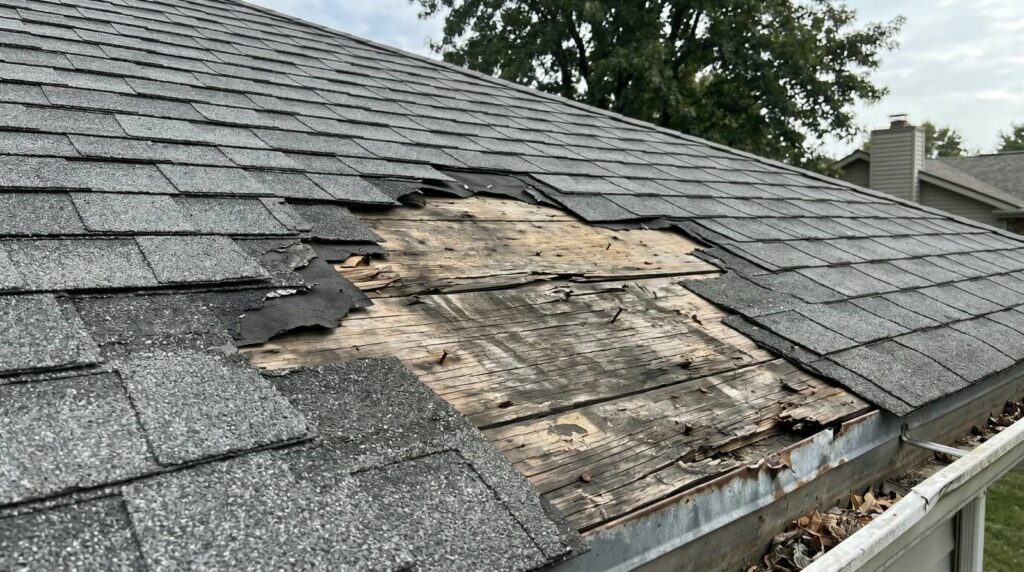
When inspecting the roof surface for damage, start by checking for cracks that may compromise the integrity of the membrane.
Next, look for blisters, which can indicate trapped moisture and potential failure points.
Finally, assess any areas of ponding water, as prolonged standing water can lead to significant leaks and material degradation.
Check for Cracks
Cracks in a flat roof can lead to significant water intrusion and damage if not addressed promptly. During your inspection, focus on crack detection by examining the entire roof surface for any visible fissures.
Pay close attention to seams, around vents, and edges, as these areas are more prone to cracking. If you find any cracks, it’s essential to act quickly. Clean the area thoroughly to ensure proper adhesion, then apply a high-quality sealant designed for flat roofs.
This will prevent leaks and extend the lifespan of your roof. Regularly checking for cracks and performing timely sealant application fosters a sense of community, assuring your roof remains a reliable shelter for everyone beneath it.
Look for Blisters
After checking for cracks, the next step is to inspect the roof surface for blisters.
Blister formation occurs when moisture gets trapped beneath the roofing materials, leading to bubbles or raised areas on the surface. These blisters can weaken the roof’s integrity and create potential leak points.
Carefully examine the entire roof, focusing on areas with visible damage or previous repairs. Press gently on any raised spots; if they feel soft, it’s a sign of compromised roofing.
Make note of the size and location of these blisters, as this information will be essential for your next steps. Addressing blister issues early can prevent further damage and costly repairs down the line.
Your roof deserves careful attention!
Assess Ponding Water
Ponding water on a flat roof can lead to significant damage if not addressed promptly.
Start by conducting a thorough ponding analysis to identify areas where water accumulates. Look for surface damage such as cracks, blisters, or deteriorated seams that can exacerbate leaks.
It’s essential to assess the roof’s drainage system; clogged drains can worsen ponding issues. Evaluate the surrounding environment for trees or structures that may obstruct water flow.
Effective water management involves ensuring that your roof is designed to handle excess water, preventing long-term deterioration.
Check Seams and Flashing for Integrity
When inspecting a flat roof, it’s vital to evaluate the seams and flashing for signs of wear or damage. Start by checking for seam deterioration, as this is a common issue that can lead to leaks. Look for cracks, gaps, or peeling in the seams, which may indicate that the waterproofing has compromised. If you notice any irregularities, mark them for further assessment or repair.
Next, examine the flashing, particularly around penetrations and edges. Make sure it’s securely attached and free from rust or corrosion. Regular flashing maintenance is important to prevent water intrusion.
Pay attention to any soft spots or discoloration, which can signal underlying issues. Keep a close eye on these significant areas during your inspection.
Examine Drainage Systems and Gutters
To ensure your flat roof remains leak-free, it’s important to thoroughly examine the drainage systems and gutters for potential issues.
Start by checking that all drainage outlets are clear and free of debris. Clogged drains can lead to water pooling, which increases the risk of leaks. Regular drainage maintenance is significant; make it a habit to inspect these areas at least twice a year.
Next, inspect your gutters for signs of damage or wear. Cracks, rust, or loose fittings can compromise their functionality.
Gutter cleaning is critical to confirm that the gutters channel water effectively away from your roof. Don’t forget to look for any obstructions that could hinder water flow, such as leaves or twigs.
Look for Signs of Water Accumulation
Although water accumulation can sometimes be subtle, it’s crucial to regularly inspect your flat roof for telltale signs. Look for areas where water pooling occurs, especially after rain. These stagnant pools indicate drainage issues and heighten the risk of leaks and structural damage.
Check for depressions or low spots where water tends to collect; these are often the culprits behind chronic pooling. Additionally, inspect the seams and joints of your roofing material—these areas can trap water if not properly sealed.
Be mindful of any changes in the roof’s surface, such as blistering or sagging, which may suggest underlying moisture problems.
Regular visual inspections, coupled with a keen eye for these signs, will help you address potential drainage issues early, preserving the integrity of your flat roof. Taking these proactive steps fosters a sense of belonging in your home, ensuring it remains a safe haven.
Assess Interior Spaces for Water Stains
When evaluating interior spaces for water stains, start by identifying visible watermarks on ceilings and walls.
These marks often indicate areas where water has infiltrated, so be sure to check for discoloration or bubbling paint.
Additionally, thoroughly inspect attic spaces, as they can reveal hidden leaks that mightn’t be visible from the main living areas.
Identify Visible Watermarks
As you inspect the interior spaces of a building, identifying visible watermarks is essential for diagnosing potential flat roof leaks.
Water damage can manifest in various ways, and using effective inspection techniques helps you spot these issues early on.
Look for:
- Discoloration – Yellow or brown patches on ceilings indicate prolonged moisture exposure.
- Bubbling – Raised areas or blisters in paint suggest trapped water underneath.
- Streaks – Dark lines running down walls point to water paths from leaks.
- Mold – Fungal growth often thrives in damp areas, revealing hidden leaks.
Check Ceiling and Walls
Inspecting the ceiling and walls is essential for uncovering water stains that indicate underlying flat roof leaks.
Start by closely examining your ceilings for any discoloration; these ceiling stains often signal moisture infiltration from above. Look for yellow or brown spots, which can indicate prolonged exposure to water.
Next, assess the walls for any discoloration, particularly near windows or doors, where leaks are common. Wall discoloration can appear as streaks or patches that suggest water is seeping through the structure.
Be diligent in your inspection, as early detection can prevent extensive damage. If you notice any significant stains or discoloration, it’s vital to address the issue promptly to maintain the integrity of your home.
Inspect Attic Spaces Thoroughly
To effectively identify potential flat roof leaks, it’s crucial to thoroughly examine attic spaces for water stains and signs of moisture.
Start by checking the following areas:
Ceiling Joists: Look for water stains or discoloration indicating leaks.
Insulation: Inspect for dampness or mold growth, which can signal prolonged moisture exposure.
Attic Ventilation: Verify vents are unobstructed to prevent humidity buildup that leads to mold.
Roof Deck: Examine the underside for any signs of deterioration or damp patches.
Schedule Regular Professional Inspections
When you schedule regular professional inspections for your flat roof, you greatly reduce the risk of unnoticed leaks and extensive damage.
Establishing a routine for inspection frequency is essential in implementing effective preventative maintenance. Ideally, you should have your roof inspected at least twice a year, and more frequently if you live in an area prone to severe weather.
During these inspections, professionals can identify vulnerable areas, assess membrane integrity, and detect early signs of wear or damage.
This proactive approach safeguards your investment and strengthens your sense of belonging in your community, as a well-maintained roof enhances neighborhood aesthetics and property values.
Frequently Asked Questions
How Often Should I Inspect My Flat Roof for Leaks?
You should inspect your flat roof for leaks at least twice a year, following frequency guidelines. Consider seasonal changes, especially after heavy rain or snow, to ensure your roof remains in peak condition.
Can I Perform a Leak Inspection Myself?
Yes, you can perform DIY inspections. Regular roofing maintenance involves checking for visible damage, pooling water, or blisters. Equip yourself with the right tools, and always prioritize safety when accessing your flat roof.
What Tools Are Needed for a Flat Roof Inspection?
To inspect a flat roof effectively, you’ll need essential roof inspection tools like a moisture meter, an infrared camera, and basic hand tools. Leak detection equipment helps identify hidden issues, ensuring your roof stays sound and safe.
Are There Any Signs of a Leak I Might Miss?
You might miss subtle drip patterns or hidden mold growth. Check corners, around vents, and beneath insulation. Keeping an eye out for discoloration or musty smells can help you catch leaks before they worsen.
How Can I Prevent Future Flat Roof Leaks?
Think of your flat roof as a shield; regular cleaning and preventive maintenance keep it strong. Inspect seams, remove debris, and address any damage promptly to fortify against leaks and prolong your roof’s lifespan.
Final Thoughts
By staying vigilant and proactive, you can nip potential flat roof leaks in the bud before they turn into costly repairs. Regular inspections and maintenance are your best defense, acting like an umbrella shielding your home from the storm. Remember, just as a stitch in time saves nine, addressing minor issues now can save you from major headaches later. Keep an eye on your roof, and it’ll reward you with longevity and peace of mind.