When selecting roofing for storm-prone areas, it is crucial to focus on materials that offer high weather resistance. Metal roofs and impact-resistant asphalt shingles are popular choices known for their durability. You’ll need to evaluate their wind and impact resistance ratings closely. Additionally, installation techniques play a significant role in ensuring longevity. Understanding these factors will guide you in making the right decision for your property, but there’s more to take into account to ensure peak performance.
Key Takeaways
- Select roofing materials with high durability ratings, such as metal roofs or impact-resistant shingles, for better storm protection.
- Evaluate wind resistance ratings to ensure the roofing can withstand high wind speeds in storm-prone areas.
- Consider materials that offer excellent moisture resistance to prevent water damage during heavy rains.
- Hire experienced professionals for installation, ensuring adherence to manufacturer guidelines and local building codes.
- Schedule regular maintenance and inspections to identify and address potential issues before storms hit.
Understanding Roofing Material Durability
When selecting roofing materials, understanding durability is essential for long-term performance. You’ll want to prioritize materials that offer superior weather resistance, as this directly impacts the material lifespan.
Options like metal, slate, and asphalt shingles vary greatly in their ability to withstand harsh conditions. For instance, metal roofs can last up to 50 years and resist strong winds, while traditional asphalt shingles may only last 20 years, especially in extreme climates.
Evaluate the material’s resistance to UV rays, moisture, and temperature fluctuations, as these factors can cause premature degradation.
Additionally, consider the local environment; if you live in an area prone to severe weather, investing in more durable materials may save you money in repairs and replacements over time.
Key Features of Storm-Resistant Roofing
Choosing roofing materials that prioritize durability naturally leads to weighing options that offer storm resistance.
When selecting storm-resistant roofing, focus on two key features: wind resistance and impact resistance. Wind resistance is essential, especially in areas prone to hurricanes or tornadoes. Look for materials rated to withstand high wind speeds, often indicated by industry grading systems.
Impact resistance is equally important, as hail and debris can cause significant damage. Materials rated for impact resistance can help safeguard your home during severe weather events. For instance, metal roofs and certain types of asphalt shingles offer excellent protection against impacts.
In addition, consider the roofing system’s installation quality, as improper installation can compromise even the best materials.
Comparing Roofing Options for Extreme Weather
As extreme weather events become more frequent, evaluating the best roofing options is essential for protecting your home. Metal roofing is a top contender, offering remarkable durability and impact resistance.
Unlike traditional asphalt shingles, metal roofs can withstand high winds, hail, and heavy rain, making them an excellent choice for storm-prone areas.
You’ll find that metal roofing comes in various styles and colors, allowing you to maintain your home’s aesthetic appeal while ensuring safety. Additionally, many metal roofs reflect heat, which can help reduce energy costs during hot months.
Another option to weigh is impact-resistant shingles, designed to withstand severe weather conditions. They’re typically rated for higher impact resistance than standard shingles, providing extra protection against hail and falling debris.
Ultimately, when comparing roofing options, prioritize materials that enhance your home’s resilience and safety during extreme weather events.
Installation Techniques for Enhanced Durability
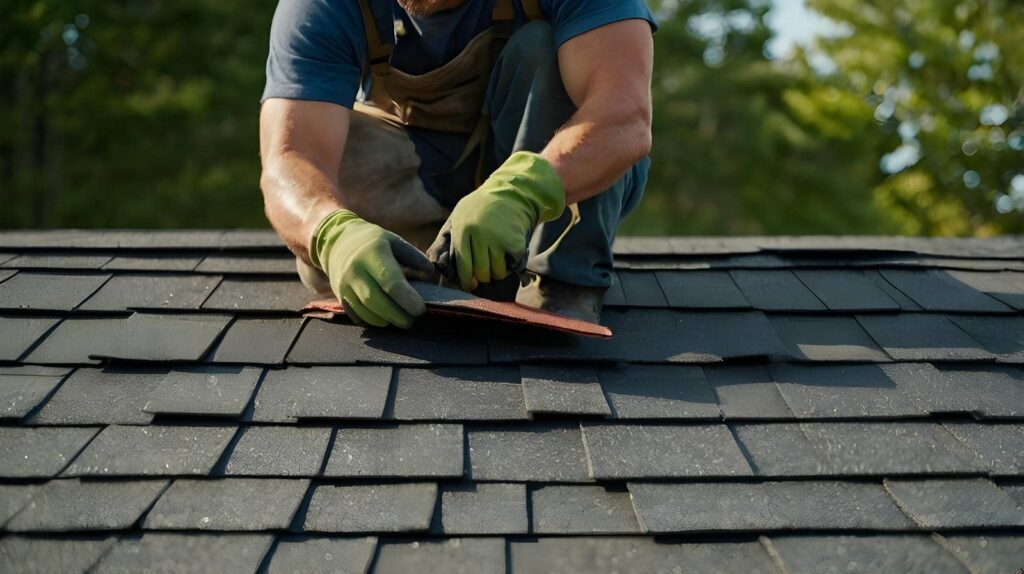
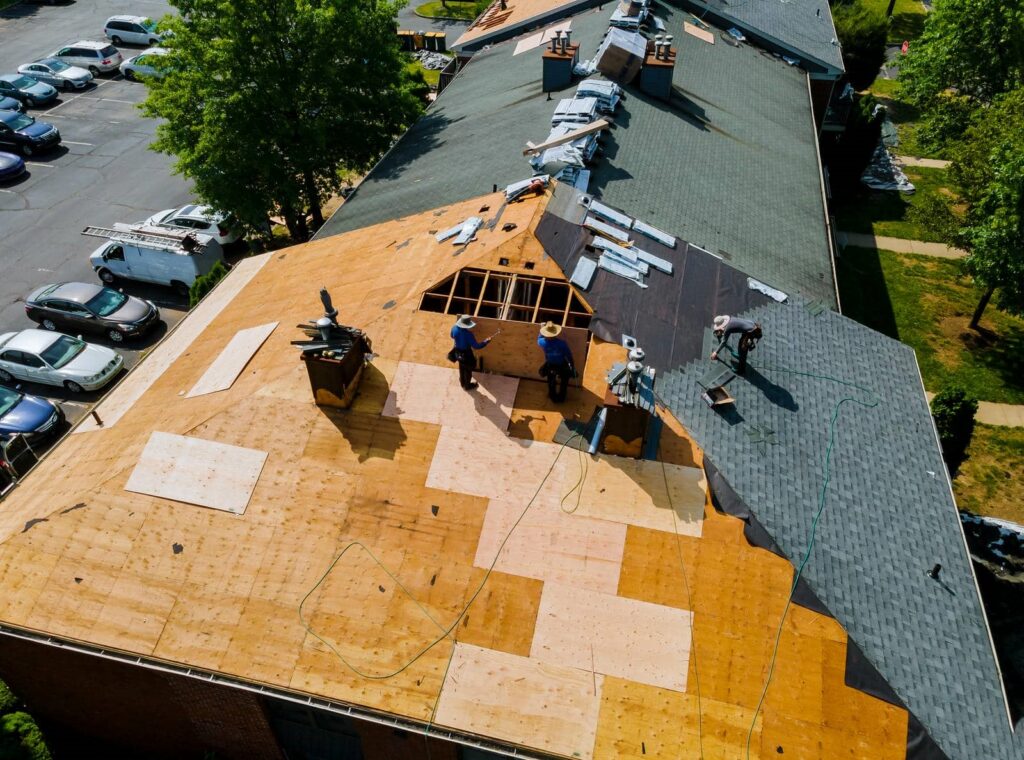
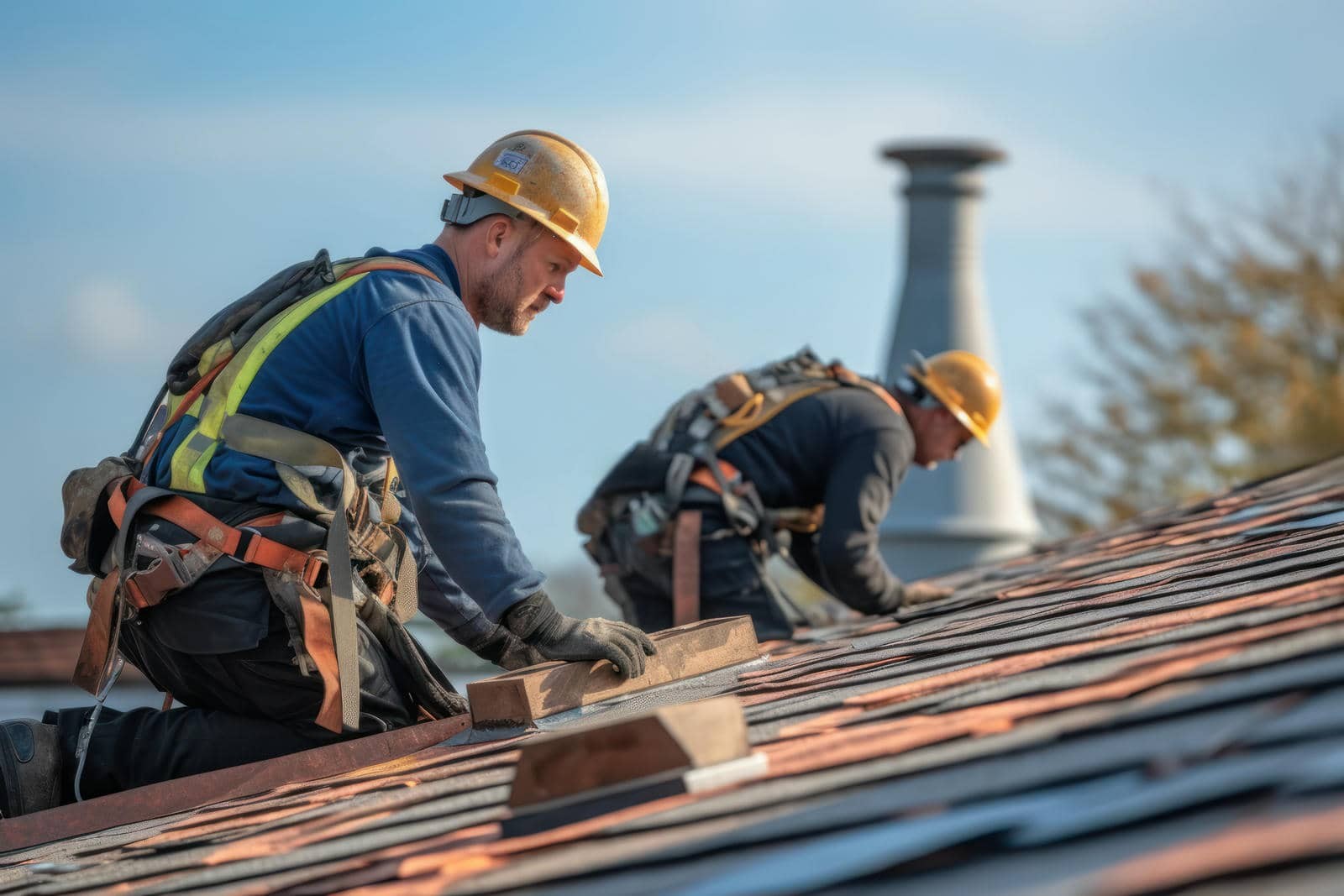
Proper installation techniques are essential for maximizing the durability and longevity of your roofing system. Start by selecting high-quality installation materials that are specifically designed for storm resistance. Utilize materials like impact-resistant shingles or metal panels, as they can withstand severe weather conditions.
Ensure you incorporate structural reinforcements, such as additional framing and bracing, to enhance your roof’s stability. This is particularly important in areas prone to high winds and heavy snowfall.
During installation, follow manufacturer guidelines meticulously; proper nailing patterns and spacing can greatly affect performance. Pay attention to flashing installation, as it prevents water intrusion and protects vulnerable areas.
Finally, consider hiring experienced professionals who understand local weather patterns and building codes. Their expertise ensures your roofing system is durable and compliant with safety standards, giving you peace of mind and a sense of belonging in your community.
Maintenance Tips for Long-Lasting Roofs
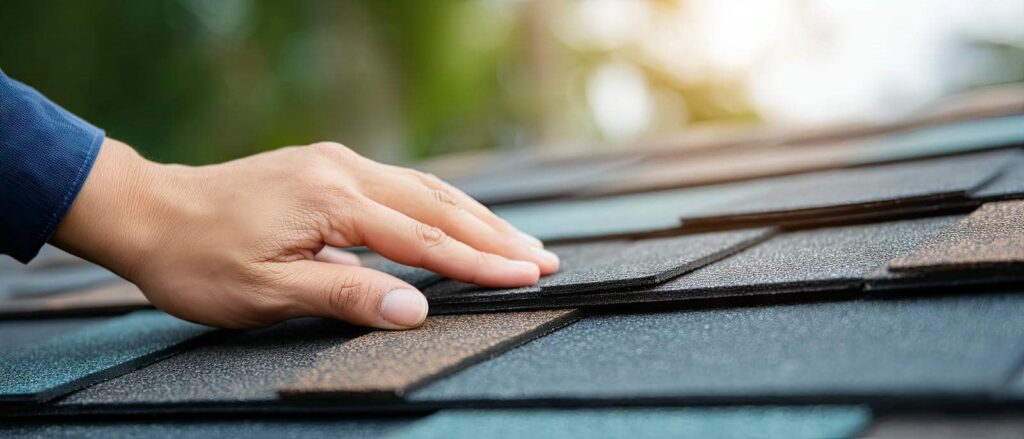
Once your roof is installed with durable materials and techniques, regular maintenance becomes essential to ensure its longevity. Start with routine roofing inspections at least twice a year, preferably in spring and fall. These inspections help you catch issues early, like loose shingles or debris buildup, which could lead to bigger problems down the line.
During seasonal maintenance, clear gutters and downspouts to prevent water accumulation, which can cause leaks. Trim overhanging branches to minimize the risk of damage from falling limbs during storms. Additionally, check for signs of wear, such as cracked caulking or rusted flashing, and address these promptly.
Don’t forget to keep an eye on the interior, too. Look for signs of water stains on ceilings or walls, as these can indicate roofing issues.
Frequently Asked Questions
What Is the Average Lifespan of Storm-Resistant Roofing Materials?
The average lifespan of storm-resistant materials typically ranges from 20 to 50 years, depending on the specific type and quality. Choosing high-quality options ensures better protection and longer longevity against harsh weather in your area.
How Do Local Building Codes Affect Roofing Material Choices?
Local building codes dictate roofing material choices by enforcing building code standards and roofing material regulations. You’ll need to comply with these rules to ensure safety, durability, and insurance coverage for your home in storm-prone areas.
Are There Eco-Friendly Options for Durable Storm Roofing?
Yes, you can choose eco-friendly options like metal, recycled shingles, or solar tiles. These sustainable materials and green technologies enhance durability while minimizing environmental impact, ensuring your roof withstands storms and supports a healthier planet.
How Can I Assess My Roof’s Current Durability?
Is your roof ready to face nature’s fury? Conduct a thorough roof inspection, checking for weather resistance signs like missing shingles and leaks. Regular evaluations ensure you’re prepared and protect your home from potential storm damage.
What Insurance Coverage Should I Consider for Storm Damage?
You should consider thorough coverage for storm damage, including wind and hail protection. Review your policy’s specifics to ensure it covers necessary repairs and facilitates insurance claims efficiently, helping you recover swiftly after a storm.
Final Thoughts
In storm-prone areas, choosing durable roofing is essential to weather the storm. By understanding material durability, recognizing key features, and comparing options, you can make an informed decision. Don’t forget that proper installation and regular maintenance are the icing on the cake for ensuring your roof stands strong against the elements. Remember, when it comes to protecting your home, you want to make sure you’re not just playing with fire. Invest wisely for lasting peace of mind.