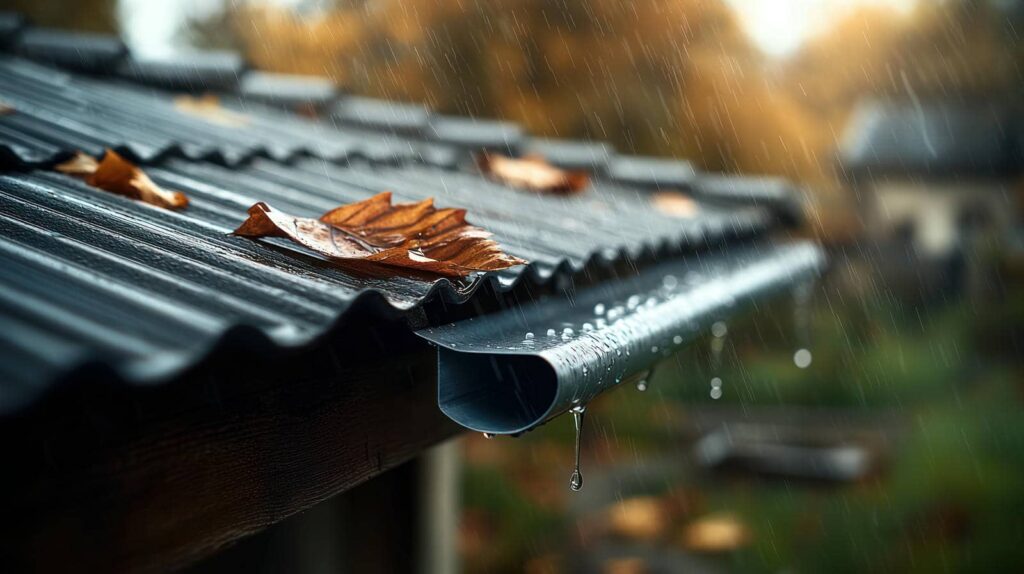
Picture a stormy night, with rain pelting your metal roof, and suddenly, you notice water seeping through your ceiling. In such moments, knowing how to act quickly can save you from costly repairs. From securing loose panels to applying temporary patches, there are several emergency solutions you can implement. Let’s explore the top ten strategies to effectively manage metal roof damage and protect your home from further issues.
Key Takeaways
- Secure loose panels with additional fasteners and ensure seams are properly sealed to prevent further damage during high winds.
- Use waterproof tape or roofing cement to temporarily patch leaks and ensure surfaces are clean and dry before application.
- Document all damage with clear photographs and detailed notes for future reference and insurance claims.
- Clear debris from the roof and downspouts to prevent moisture buildup and ensure proper drainage.
- Reach out to a roofing expert for professional assessment and long-term repair solutions following any emergency repairs.
Assess the Damage Immediately
When you notice damage to your metal roof, it’s crucial to assess the situation immediately to prevent further issues.
Begin your damage assessment by visually inspecting the roof for dents, rust, or loose panels. Check for any signs of leaks inside your home, as these can indicate underlying problems. If it’s safe, climb a ladder to examine the roof’s surface closely, noting the extent of any damage.
Your immediate response matters. Document any findings with photos, as this can help you communicate the issues to professionals if needed.
If the damage is extensive or if you’re unsure about safety, consider reaching out to a roofing expert for a thorough evaluation.
Remember, timely assessment and action can save you from more significant repairs down the line and help maintain the integrity of your home.
Taking these steps fosters a sense of community, as you protect your investment and those who share your living space.
Gather Necessary Tools and Materials
Before you begin any repairs on your metal roof, gather the necessary tools and materials to ensure a smooth process.
Start by collecting tools like a ladder, safety harness, and rubber-soled shoes to ensure your safety while working at heights. You’ll also need a drill, screws, and a wrench for fastening any loose panels.
Next, collect materials such as metal sheets, sealant, and flashing to address specific areas of damage. Having roofing adhesive on hand can also be beneficial for waterproofing.
Don’t forget to include safety gear like gloves and goggles to safeguard yourself during repairs.
Secure Loose Panels
To secure loose panels on your metal roof, start by identifying any areas where the panels have become detached or are flapping in the wind. This is essential to prevent further damage and ensure your roof remains functional.
Once you’ve located the loose panels, follow these steps:
Use panel fasteners: Replace any missing or damaged fasteners to hold the panels securely in place.
Check for metal expansion: Allow for metal expansion by not overtightening the fasteners, which can cause warping.
Inspect seams: Confirm that seams between panels are properly sealed to prevent water infiltration.
Reinforce with additional fasteners: If necessary, add extra fasteners to enhance stability, especially in areas exposed to high winds.
Apply Temporary Patches
Although your metal roof may suffer from damage, applying temporary patches can help mitigate leaks and protect the underlying structure until permanent repairs are made.
Start by gathering temporary materials, such as waterproof tape, roofing cement, or a metal patch. Verify the surface is clean and dry before proceeding with the patch application. Cut the material to size, allowing for an overhang beyond the damaged area to ensure a secure seal.
Apply roofing cement to the affected area, then press the patch firmly into place. Use additional roofing cement around the edges to create a watertight seal. If you’re using tape, apply it smoothly over the damage, ensuring no air pockets are present.
For larger holes, consider overlapping multiple patches for added strength. Regularly inspect your temporary patches until you can arrange for a professional to perform permanent repairs.
Use Tarps for Water Protection
When your metal roof sustains damage, using tarps can effectively shield your home from water infiltration.
Proper tarp installation techniques are essential to ensure maximum protection. Here’s how to get started:
Choose the right tarp: Opt for a heavy-duty, waterproof tarp that can withstand harsh conditions.
Secure the tarp: Use ropes or bungee cords to fasten the tarp tightly over the damaged area, ensuring there are no gaps.
Position the tarp correctly: Extend the tarp beyond the damage to redirect water away from your roof.
Practice emergency tarp storage: Keep your tarps readily available in a designated location, so you can act quickly when emergencies arise.
Seal Leaks With Roofing Cement
To effectively seal leaks in your metal roof, start by identifying the source of the leak.
Once you’ve located it, apply roofing cement directly to the affected area for a reliable seal.
For long-term protection, incorporate regular maintenance checks to catch potential issues early.
Identify Leak Source
How can you effectively identify the source of a leak in your metal roof? Start with thorough leak detection and moisture assessment to pinpoint the problem. Follow these steps to guide your investigation:
Inspect the roof surface for visible damage or corrosion.
Check seams, fasteners, and joints where leaks commonly occur.
Look for water stains on ceilings or walls inside your home.
Conduct a water test by spraying water on different roof sections to see if leaks appear.
Apply Roofing Cement
Once you’ve identified the leak source in your metal roof, sealing it with roofing cement offers a reliable solution.
Start by cleaning the area around the leak; this ensures proper adhesion. Apply a generous amount of roofing cement directly over the damaged spot, using a putty knife for even distribution.
For larger gaps or seams, consider reinforcing with a patch of roofing fabric before applying the cement. This technique enhances durability in various roofing applications.
After application, allow the cement to cure as per the manufacturer’s instructions. Regular damage assessment will help you catch issues early, preventing further complications.
Regular Maintenance Tips
While regular inspections of your metal roof may seem tedious, sealing leaks with roofing cement is a crucial part of maintenance that can save you from costly repairs down the line.
Implementing these preventive measures during seasonal checkups helps ensure your roof remains intact:
- Inspect seams and fasteners for signs of wear.
- Apply roofing cement to small cracks or holes promptly.
- Clear debris from the roof to prevent moisture buildup.
- Check for rust and treat it immediately with appropriate solutions.
Inspect and Repair Flashing
Inspecting and repairing flashing is vital for maintaining the integrity of your metal roof. Flashing acts as a barrier against water infiltration, especially around joints, vents, and chimneys.
Start by examining the flashing materials for any signs of deterioration or damage, such as rust, cracks, or loose sections. If you notice any issues, it’s important to address them immediately to prevent further complications.
During the flashing installation, verify that the materials used are appropriate for your roof type and local climate conditions. Replace any damaged flashing with high-quality materials to ensure a secure fit and effective water management.
Check for Gutter Blockages
To ensure your metal roof remains in good condition, check for debris buildup in your gutters.
Blockages can prevent proper water drainage, leading to potential damage to your roof and structure.
Additionally, assess the functionality of the downspouts to confirm they’re directing water away from the roof effectively.
Inspect for Debris Accumulation
As you assess your metal roof for damage, one critical aspect to examine is the accumulation of debris, particularly in the gutters.
Neglecting this element can lead to significant issues, including water pooling and roof deterioration. Conduct a thorough debris-removal and accumulation assessment to ensure your gutters function properly.
Here’s what to look for:
- Leaves and twigs that can clog the drainage
- Soil or sediment build-up that impedes water flow
- Pests or nests that could obstruct the gutter’s function
- Ice or snow accumulation during the winter months
Assess Downspout Functionality
How well do your downspouts function in directing water away from your metal roof? Regular downspout inspection is essential to ensure ideal water flow.
Start by checking for blockages caused by debris, leaves, or other obstructions. Even minor clogs can lead to significant issues, such as water pooling on your roof, which may result in damage or leaks. Clear any blockages you find to maintain proper drainage.
Additionally, confirm that your downspouts direct water at least three feet away from your foundation to prevent erosion or water damage.
Document Damage for Insurance
While evaluating damage to your metal roof, it’s vital to document everything meticulously for your insurance claim.
Proper damage documentation can greatly influence the outcome of your claim. Here’s how you can effectively document the damage:
Take clear photographs of all affected areas, including close-ups and wider shots.
Note the date and time of when the damage occurred, as this can be essential for your claim.
Record any specific details about the type and extent of the damage, such as rust, dents, or leaks.
Keep all related documents, like repair estimates or previous inspections, to support your case.
Schedule Professional Repair Services
Once you’ve documented the damage, it’s essential to identify the type of damage to determine the appropriate repair strategy.
Next, choose qualified contractors who specialize in metal roofing to ensure the job is done right.
Finally, schedule timely inspections to prevent further issues and ensure your roof’s integrity is restored effectively.
Identify Damage Type
Identifying the type of damage on your metal roof is essential before scheduling professional repair services.
Understanding the damage indicators can help you communicate effectively with contractors and ensure timely repairs.
Here are some common types of metal roof damage you should look for:
Dents and Dings: Often caused by hail or falling debris.
Rust Spots: Signs of metal corrosion that can lead to leaks if not addressed.
Loose Panels: Can result from high winds or improper installation.
Punctures or Holes: May occur from sharp objects or severe weather.
Choose Qualified Contractors
How can you ensure that your metal roof repairs are handled efficiently and effectively? Choosing qualified contractors is key. Start by verifying their contractor credentials, which should include licenses and insurance. Next, check contractor reviews to gauge their reputation and past performance.
Here’s a quick comparison to help you evaluate potential contractors:
| Criteria | Importance |
|---|---|
| Contractor Credentials | Confirms qualifications |
| Contractor Reviews | Reflects customer satisfaction |
| Experience | Indicates reliability |
| Warranty Offered | Signals confidence in work |
| Response Time | Affects the urgency of repairs |
Schedule Timely Inspections
To maintain the integrity of your metal roof, scheduling timely inspections is essential for identifying potential issues before they escalate.
Regular inspections offer numerous benefits, ensuring your roof remains in peak condition.
Here are some inspection frequency recommendations:
- Inspect your metal roof at least twice a year.
- After severe weather events, conduct immediate assessments.
- Monitor areas prone to debris accumulation more frequently.
- Engage a professional for detailed inspections every 3-5 years.
Frequently Asked Questions
How Long Can I Wait to Repair Metal Roof Damage?
You shouldn’t wait long to repair metal roof damage. Delaying maintenance can worsen issues due to weather impact, leading to more extensive repairs. Act promptly to ensure your roof’s longevity and integrity.
Can I Use Duct Tape for Temporary Roof Repairs?
Yes, you can use duct tape as a temporary fix for minor roof leaks. It’s waterproof and strong, but remember, it’s not a permanent solution. Regular inspections and timely repairs are essential for long-term protection.
What Are the Signs of Severe Roof Damage?
You’ll notice severe roof damage if you see persistent roof leaks, extensive rust spots, or sagging areas. Additionally, missing or damaged shingles can indicate underlying issues that need immediate attention to prevent further deterioration.
Will Insurance Cover Metal Roof Repairs?
Will insurance cover metal roof repairs? It often depends on your insurance policies and coverage limits. Many homeowners find that their plans include such repairs, but always check your specifics to avoid surprises later.
How Much Does Professional Metal Roof Repair Cost?
Professional metal roof repair costs typically range from $300 to $1,500, depending on damage severity and location. You’ll benefit from hiring experienced contractors who ensure quality workmanship and long-lasting results for your roofing needs.
Recap
In the face of metal roof damage, acting swiftly can save you from costly repairs down the line. By evaluating damage, securing panels, and applying temporary patches, you’re taking essential steps to protect your home. Have you considered how quickly a small leak can turn into a major issue? Document your situation and reach out to professionals for a thorough fix. Remember, staying proactive today means safeguarding your home for tomorrow.