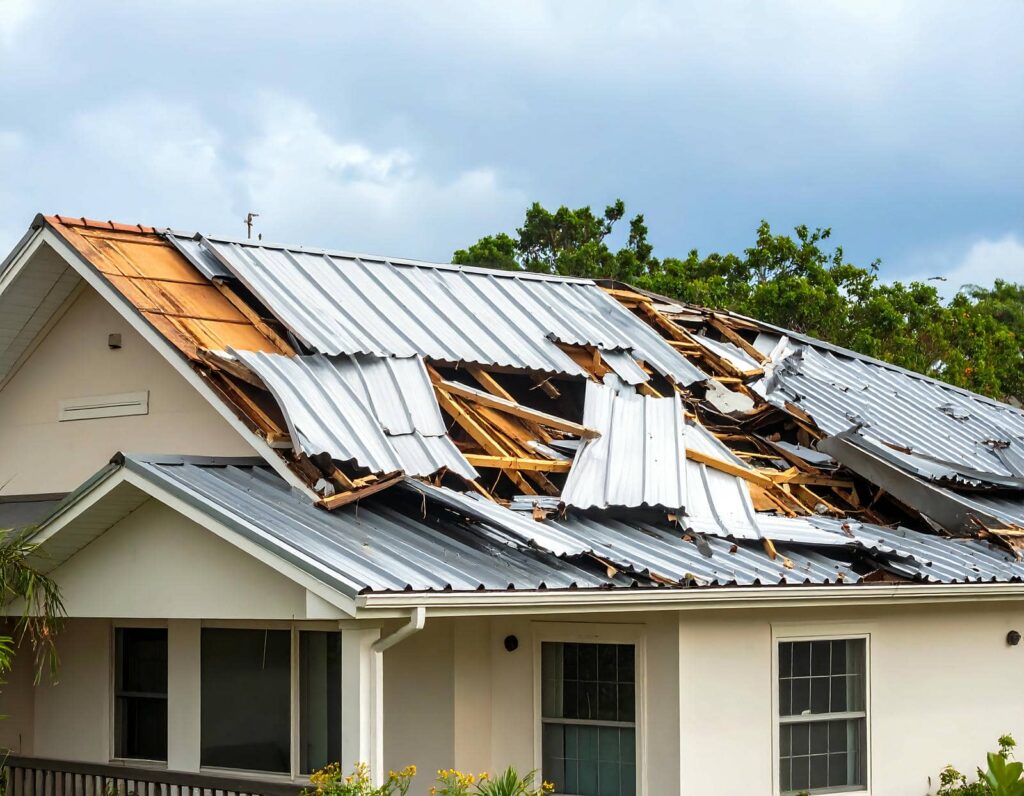
Metal Roof Restoration should be your priority after a storm to ensure your property stays protected. Begin by assessing your metal roof for visible damage, including dents, lifted panels, or loose seams. Acting quickly is crucial to preventing leaks, especially during continued rainfall. While temporary fixes like tarping can offer short-term relief, the real value comes from choosing the right long-term restoration approach. With proper restoration techniques, you can significantly improve your roof’s durability, performance, and lifespan. Let’s explore the most effective solutions to keep your roof strong and secure.
Key Takeaways
- Conduct a thorough roof inspection to identify visible storm damage, including dents, punctures, and loose seams.
- Apply high-quality coatings to protect the roof from rust and corrosion, following manufacturer guidelines.
- Use emergency tarping or sealant for immediate leak repairs while planning for long-term solutions.
- Schedule professional repairs for significant damage, including missing panels or structural concerns.
- Implement regular maintenance and preventative measures to enhance the roof’s resilience against future storms.
Assessing Storm Damage to Metal Roofs
When storms hit, you need to quickly assess the damage to your metal roof to prevent further issues.
Start with a thorough roof inspection, looking for visible signs of storm impact. Check for dents, punctures, or loose seams that could lead to leaks. Pay attention to the flashing around chimneys and vents, as these areas are particularly vulnerable.
Next, examine the gutters and downspouts for debris or blockages caused by storm debris; this can impact drainage and lead to water pooling on your roof.
If you spot any rust or corrosion, take note of it, as it can compromise the roof’s integrity over time.
Document your findings with photos and notes to help inform your next steps. A detailed assessment ensures your safety fosters a sense of community as you share your experiences and solutions with fellow homeowners facing similar challenges.
Immediate Temporary Solutions for Leaks
Although leaks can develop suddenly after a storm, you can implement immediate temporary solutions to mitigate water damage until permanent repairs are made.
First, locate the source of the leak and assess its severity. For a quick fix, use emergency tarping to cover the area, securing it with weights or ropes to prevent wind from displacing it. Make sure the tarp extends well beyond the leak to divert water effectively.
Next, consider leak sealing options, such as waterproof tape or sealant, to patch small holes or cracks. Apply the tape or sealant according to the manufacturer’s instructions, ensuring the surface is clean and dry for ideal adhesion.
These immediate solutions can protect your home from further water intrusion while you plan for long-term repairs.
Professional Repair Services: When to Call
How can you determine the right moment to call in professional repair services for your metal roof?
If you notice significant damage, such as large dents, multiple leaks, or missing panels, it’s time to reach out for expert help. Waiting too long can lead to more extensive issues, increasing repair timelines and costs.
When calling a professional, ask for a detailed inspection to assess the extent of the damage.
They should provide you with clear cost estimates, giving you a realistic picture of what repairs will entail.
If the damage is beyond your capabilities or involves structural concerns, don’t hesitate to make that call.
Long-Term Restoration Techniques
While many homeowners focus on immediate repairs, implementing long-term restoration techniques for your metal roof can greatly extend its lifespan and enhance its performance.
One effective method is applying high-quality coatings. These coatings protect against rust and corrosion and reflect UV rays, improving energy efficiency. Make certain you choose a coating designed specifically for metal roofs, and follow manufacturer guidelines for application.
Additionally, consider insulation upgrades. Proper insulation minimizes heat transfer, reducing energy costs and enhancing comfort in your home.
Look for materials with high R-values that can withstand extreme weather.
Preventative Measures for Future Storms
As storms can wreak havoc on your metal roof, taking preventative measures is vital to safeguard your investment.
Begin with thorough roof maintenance; inspect for loose panels, rust, or damaged seals. Regularly clean gutters and downspouts to ensure proper drainage, preventing water accumulation that can lead to corrosion.
Implement storm preparedness strategies by reinforcing vulnerable areas, such as flashing and seams, with additional sealants or adhesives. Consider investing in impact-resistant materials to enhance your roof’s resilience against hail or debris.
Trim nearby trees to minimize the risk of falling branches during storms.
Lastly, stay informed about weather forecasts. Knowing when severe weather is expected allows you to secure your property proactively.
Frequently Asked Questions
Can I Paint My Metal Roof After Restoration?
Yes, you can paint your metal roof after restoration. Choose the right metal roof coatings and paint types designed for durability. Make certain the surface is clean and dry for ideal adhesion and longevity.
How Often Should I Inspect My Metal Roof?
You should inspect your metal roof at least twice a year, ideally in spring and fall. Regular roof maintenance helps catch issues early, ensuring longevity and protecting your investment from unexpected damage and costly repairs.
What Materials Are Best for Metal Roof Restoration?
For metal roof restoration, consider aluminum or galvanized steel for durability. Use high-quality coating options like acrylic or silicone to enhance weather resistance, ensuring your roof withstands elements while maintaining its aesthetic appeal and longevity.
Will Insurance Cover Metal Roof Restoration Costs?
Insurance often covers metal roof restoration costs if you file timely insurance claims. Check your policy for restoration coverage details, ensuring you gather necessary documentation to strengthen your claim and protect your home’s integrity.
How Can I Improve My Metal Roof’s Energy Efficiency?
You can improve your metal roof’s energy efficiency by implementing insulation techniques, like adding rigid foam panels and applying reflective coatings. These methods reduce heat absorption, keeping your home cooler and lowering energy costs effectively.
Summary
In the grand scheme of homeownership, who wouldn’t want to spend their weekends patching a metal roof? But in all seriousness, addressing storm damage promptly is essential. By evaluating the damage, implementing temporary solutions, and investing in long-term restoration, you’re not just fixing a roof; you’re fortifying your home against future storms. So, while you may not dream of roofing repairs, taking these steps will ensure you’ll have a sturdy shelter and fewer rainy-day surprises ahead.