A metal roof is like a fortress, shielding your home from the elements, but even fortresses can develop cracks. When roof leaks occur, it’s vital to pinpoint their source quickly. By addressing issues such as rust, loose seams, or damaged flashing, you can prevent further damage. Understanding the essential methods to fix these leaks preserves your roof’s integrity and extends its lifespan. What steps should you take to ensure your roof remains watertight?
Key Takeaways
- Conduct thorough leak detection during rainfall to identify water entry points and document findings for future reference.
- Regularly clean the roof to remove debris and prevent water accumulation that can lead to leaks.
- Inspect joints and seams for gaps, rust, or corrosion, and use a high-quality sealant to address any issues.
- Repair damaged panels promptly using metal epoxy for cracks or patching larger holes with matching materials.
- Implement a consistent maintenance schedule to detect and treat rust early, prolonging the roof’s lifespan and integrity.
Identifying the Source of the Leak
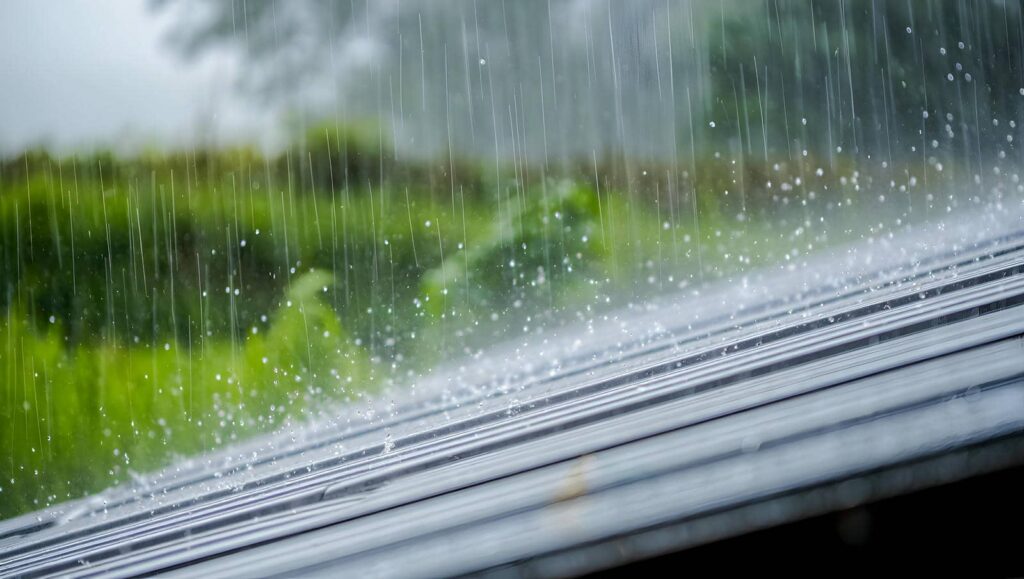
How can you effectively pinpoint the source of a metal roof leak? Start by performing thorough leak detection. Inspect the roof during rainfall to observe where water enters. Look for rust spots, loose seams, or damaged flashing, as these are common culprits.
Next, conduct a moisture assessment in the attic or ceiling below to identify damp areas. Use a moisture meter for precise readings, helping you locate hidden leaks that may not be visible from the exterior. Pay attention to the roof’s connections and penetrations, such as vents or chimneys, where leaks often occur.
Document your findings to track problem areas over time. Engaging in this systematic approach aids in accurate identification and fosters a sense of community among homeowners facing similar issues. By sharing your experiences, you can learn from others and refine your leak detection techniques for more effective repairs.
Cleaning the Roof Surface
Cleaning the roof surface is an important step in maintaining the integrity of your metal roof and preventing leaks. Proper roof cleaning ensures that dirt, debris, and mold are removed, which can compromise the roof’s sealant and coatings.
Begin by safely accessing the roof, using a sturdy ladder and harness. Use a soft-bristle brush or a pressure washer set to a low setting to avoid damaging the metal.
For effective surface preparation, focus on areas where debris accumulates, like valleys and seams. After cleaning, allow the surface to dry completely before proceeding with any repairs. This step is vital, as moisture can hinder the effectiveness of sealants and other products used in later stages.
Regular maintenance enhances the appearance of your roof and extends its lifespan, ensuring your home remains protected against leaks and water damage.
Inspecting and Sealing Joints and Seams
Since the joints and seams are critical areas where leaks often originate, inspecting and sealing them is essential for maintaining the integrity of your metal roof.
Regular joint inspection can prevent minor issues from escalating into significant leaks. Here’s how to effectively manage this task:
- Visual Check: Look for gaps, rust, or corrosion in joints and seams.
- Use a Moisture Meter: This tool helps identify hidden moisture that may indicate leaks.
- Clean the Area: Remove debris or old sealant before sealing seams.
- Apply Sealant: Choose a high-quality seam sealing product designed for metal roofs, ensuring a watertight barrier.
Repairing Damaged Panels
Damaged panels can lead to significant leaks if not addressed promptly. You have a few panel replacement options and panel repair techniques at your disposal. First, assess the extent of the damage. Minor dents can often be repaired with a rubber mallet or a heat gun, while larger holes may require patching or complete panel replacement.
Here’s a quick reference table to guide your repair choices:
| Damage Type | Repair Method |
|---|---|
| Small Dents | Rubber mallet or heat gun |
| Cracks | Metal epoxy or sealant |
| Holes | Patch with matching metal |
| Complete Panel | Replace with a new panel |
Choosing the right option depends on the severity of the damage. Always confirm you’re using compatible materials to maintain your roof’s integrity. Taking prompt action will safeguard your roof and prolong its lifespan.
Applying Roof Sealant
After addressing any damaged panels, applying roof sealant is a proactive step to prevent future leaks.
This process enhances your roof’s integrity and contributes to long-term roof maintenance.
Here are essential steps for effective sealant application:
- Choose the Right Sealant: Select a high-quality sealant designed for metal roofs to ensure durability.
- Clean the Surface: Remove dirt, debris, and old sealant to ensure proper adhesion.
- Apply Sealant Evenly: Use a caulk gun or brush to distribute the sealant uniformly over seams and joints.
- Allow for Cure Time: Let the sealant cure as per the manufacturer’s instructions to achieve peak performance.
Replacing Missing Fasteners
Missing fasteners can lead to serious issues with your metal roof, including leaks and structural weakness. To address this, you need to identify the fastener types used in your roofing system, such as screws or rivets, and understand their specific functions.
Inspect the entire roof for any missing or damaged fasteners. Once identified, gather the appropriate replacement fasteners that match the original specifications to ensure a secure fit.
When installing the new fasteners, use proper installation techniques to maintain your roof’s integrity. This includes pre-drilling holes where necessary and using a torque wrench to avoid over-tightening, which can damage the panels.
Seal the fasteners with a compatible sealant to prevent future leaks. By replacing missing fasteners promptly, you’ll help preserve the longevity of your metal roof and maintain its protective qualities against the elements.
Addressing Flashing Issues
Flashing plays a vital role in preventing leaks around roof penetrations and changes.
You’ll want to understand the various types of flashing materials and recognize common installation mistakes that can compromise their effectiveness.
Regular maintenance and inspection tips will help ensure your flashing remains functional over time.
Types of Flashing Materials
When addressing flashing issues on metal roofs, understanding the various types of flashing materials is essential for effective repairs.
Choosing the right material can make a significant difference in preventing leaks and ensuring durability. Here are four common types of flashing materials:
- Aluminum Flashing – Lightweight and resistant to corrosion, making it an ideal choice for various applications.
- Copper Flashing – Known for its longevity and aesthetic appeal, it develops a protective patina over time.
- Galvanized Steel Flashing – Offers strength and durability, often used in commercial applications.
- Vinyl Flashing – Cost-effective and resistant to rust, suitable for certain residential projects.
Selecting the right flashing material can enhance your metal roof’s performance and longevity.
Common Installation Mistakes
While installing flashing on a metal roof, it’s easy to overlook critical details that can lead to leaks and damage. Common installation errors often stem from improper sealing. Verify that every joint and seam is adequately sealed with the right materials; otherwise, water can seep in, causing significant issues.
Pay close attention to the areas around chimneys, vents, and roof valleys, as these are prime spots for leaks if not properly addressed. Additionally, flashing should always be installed with a slight slope to facilitate water drainage.
If you find yourself rushing through the installation process, take a moment to double-check your work. By avoiding these pitfalls, you’ll create a more watertight and durable roofing system.
Maintenance and Inspection Tips
To maintain the integrity of your metal roof, regular inspections are essential, especially around flashing areas where leaks are most likely to occur.
Different roof types may require specific attention, particularly after severe weather events. Here are some maintenance and inspection tips:
- Check for rust or corrosion: Inspect flashing for any signs of deterioration.
- Ensure proper sealing: Look for gaps or missing sealant that may allow water intrusion.
- Examine fasteners: Tighten loose screws and replace any damaged ones to prevent leaks.
- Clear debris: Remove leaves or branches that can trap moisture against the flashing.
Performing Regular Maintenance Checks
To maintain the integrity of your metal roof, you need to perform regular maintenance checks.
Inspect for any damage, such as rust or loose panels, and address these issues promptly.
Additionally, clean debris from the roof surface and gutters to ensure proper drainage and prevent leaks.
Inspect for Damage
Regularly inspecting your metal roof for damage is crucial to maintaining its integrity and preventing leaks.
You want your roof material to perform at its best, so follow these steps during your inspections:
- Check for Rust: Look for any signs of corrosion on the surface.
- Examine Seams and Joints: Confirm that all seams are tight and free from gaps.
- Inspect Fasteners: Verify that all screws and fasteners are secure and not missing.
- Assess flashing: Make certain flashing around chimneys and vents is intact and properly sealed.
Clean Debris Regularly
After inspecting for damage, the next step in maintaining your metal roof is to keep it free from debris.
Regularly cleaning your roof can prevent leaks caused by debris types like leaves, twigs, and dirt. These materials can trap water, leading to corrosion and structural issues.
Use the right cleaning tools—such as a soft-bristle broom, a pressure washer, or a leaf blower—to effectively remove debris without damaging the metal surface.
Make it a habit to check your roof after storms or heavy winds, as these events often displace debris.
By prioritizing this maintenance, you’re ensuring your roof remains in good condition, enhancing its lifespan and protecting your home.
Regular upkeep fosters a sense of community ownership and pride in your property.
Frequently Asked Questions
How Often Should I Inspect My Metal Roof for Leaks?
You should inspect your metal roof at least twice a year. Regular inspections help with leak prevention, allowing you to catch issues early and maintain the roof’s integrity, ensuring your home stays protected and safe.
What Tools Do I Need to Fix a Metal Roof Leak?
“A stitch in time saves nine.” To fix a metal roof leak, you’ll need a leak detection kit, sealant, roofing screws, a caulking gun, safety gear, and a ladder for effective repair techniques.
Can I Fix a Leak During Rainy Weather?
You can address a leak during rainy conditions, but it’s essential to use temporary solutions, like tarps or waterproof tape, to minimize damage until proper repairs can be made once the weather clears up.
How Long Does a Metal Roof Repair Typically Last?
A metal roof repair can last several years, but repair longevity hinges on your maintenance tips. Regular inspections and prompt fixes keep your roof strong, ensuring you stay protected from the elements. Don’t overlook this essential care!
Are There Any Warranties on Metal Roof Repairs?
Yes, many metal roof repairs come with warranty coverage. Repair costs vary by contractor and materials used, so always check details before proceeding. This ensures you’re protected and can trust the longevity of your repairs.
Final Thoughts
By tackling metal roof leaks promptly, you protect your investment and prevent potential structural damage that could escalate quickly. Remember, neglecting small issues now could lead to bigger problems later. Keep a close eye on your roof and maintain a regular inspection schedule. As you address leaks and ensure your roof’s integrity, you’ll gain peace of mind—knowing you’ve taken the right steps to safeguard your home against the elements. Don’t wait; act now!