As you navigate the complexities of flat roof installation, understanding the intricacies of material selection, drainage design, and maintenance practices is vital to ensuring a successful and durable roofing system. With a focus on longevity and efficiency, the nuances of proper planning, skilled contractor selection, and adherence to regulations become pivotal elements in the journey toward a secure and sustainable flat roof. Stay tuned to unravel the essential components that will shape your approach to professional flat roof installation.
Key Takeaways
- Proper drainage design is crucial for flat roofs to prevent water damage.
- Consider energy efficiency, sustainability, and longevity when selecting roofing materials.
- Compliance with building codes, permits, and inspections is essential for a smooth installation process.
- Hire licensed professionals for expertise, safety, and quality installation.
- Regular maintenance, inspections, and timely repairs enhance flat roof resilience and longevity.
Benefits of Flat Roofs
When contemplating roofing options for your property, the benefits of flat roofs are numerous and worth exploring. Flat roofs offer exceptional energy efficiency, making them a cost-effective choice for homeowners looking to reduce their energy bills. The design of flat roofs allows for easy installation of solar panels, further enhancing their energy-saving capabilities. This modern design also provides a sleek and contemporary look to your property, adding to its overall aesthetic appeal.
In terms of versatility, flat roofs offer a wide range of possibilities for utilization. They can be transformed into usable spaces such as rooftop gardens, outdoor living areas, or even additional storage. The flat surface provides a stable foundation for various activities, making it a practical and functional choice for homeowners seeking to maximize their property’s potential.
Moreover, flat roofs are easier to maintain compared to traditional sloped roofs, as they’ve fewer areas where debris can accumulate. This ease of maintenance translates to long-term cost savings for homeowners.
Additionally, the simplicity of flat roof construction results in quicker installation times, minimizing disruptions to your daily life during the roofing process.
Types of Flat Roofing Materials
With a variety of flat roofing materials available, selecting the right option for your property is essential to ensure durability and performance. When considering the various options, it’s important to weigh factors such as cost, environmental impact, and sustainability benefits. Here is a brief overview of the most common types of flat roofing materials:
Built-Up Roofing (BUR):
- Roofing materials comparison: BUR consists of multiple layers of bitumen and reinforcing fabrics, providing excellent waterproofing.
- Cost considerations: Initial installation costs can vary, but BUR is known for its longevity and low maintenance requirements.
Single-Ply Membrane:
- Roofing materials comparison: This type includes materials like TPO, PVC, and EPDM, offering flexibility and ease of installation.
- Environmental impact and sustainability benefits: Single-ply membranes are often recyclable and energy-efficient, reducing environmental impact.
Metal Roofing:
- Roofing materials comparison: Metal roofs are durable and resistant to extreme weather conditions.
- Cost considerations: While the upfront cost can be higher, the longevity and energy efficiency of metal roofing can result in long-term savings.
Modified Bitumen:
- Roofing materials comparison: Modified bitumen combines the durability of BUR with added flexibility.
- Environmental impact and sustainability benefits: Some modified bitumen options are reflective, reducing energy consumption and contributing to sustainability efforts.
Importance of Proper Drainage
Ensuring proper drainage on your flat roof is essential to prevent water accumulation, which can lead to serious water damage over time.
Properly designed drainage systems help to channel water away from the roof’s surface efficiently, safeguarding against leaks and structural decay.
Drainage for Flat Roofs
Proper drainage is a crucial element of flat roof installations. Without efficient drainage, water pooling can occur, leading to leaks, structural damage, and premature deterioration of the roof. To ensure your flat roof has the best drainage system in place, consider the following key factors:
Appropriate Slope: The roof should be designed with a gentle incline to allow water to flow towards the drains or scuppers efficiently.
High-Quality Drains: Invest in top-notch drains that can handle the anticipated water volume and prevent clogging.
Regular Maintenance: Keep drains and gutters clear of debris to maintain peak water flow off the roof.
Consider Secondary Drainage: In case primary drains fail, having backup drainage systems like overflow scuppers can prevent water buildup.
Preventing Water Damage
To safeguard your flat roof against water damage, prioritizing proper drainage is key. Adequate drainage is necessary for preventing water accumulation, which can lead to leaks and structural damage.
Waterproofing methods, such as using high-quality membranes and sealants, play an important role in ensuring that water doesn’t penetrate the roof’s surface. Regular roofing maintenance, including clearing debris and checking for signs of wear and tear, is also crucial in leak prevention.
Roofing inspections should be conducted periodically to identify any drainage issues or potential leaks. These inspections allow you to address any concerns promptly and implement necessary repairs or improvements.
Planning for Roof Installation
When planning for your flat roof installation, it’s important to contemplate various design aspects, such as slope requirements and load-bearing capacity.
You’ll also need to carefully select the right materials based on factors like durability and weather resistance.
Don’t forget to navigate the necessary permits and regulations to ensure a smooth and compliant installation process.
Roof Design Considerations
Considering the numerous factors involved in a successful flat roof installation, meticulous attention to roof design is paramount. When planning the design of your flat roof, there are important considerations to keep in mind:
Roof Slope: The slope of a flat roof is essential for proper water drainage. Adequate slope ensures that water doesn’t pool on the roof, preventing leaks and structural damage.
Insulation Options: Selecting the appropriate insulation for your flat roof is essential for energy efficiency and temperature regulation within the building. Different insulation materials offer varying levels of thermal resistance and moisture control.
Roof Access Points: Incorporating access points like hatches or ladders during the design phase ensures easy maintenance and repairs in the future.
Drainage Systems: Effective drainage systems, such as gutters and downspouts, must be integrated into the roof design to direct water away from the building and prevent water damage.
Material Selection Tips
For a successful flat roof installation, the choice of materials plays a vital role in ensuring durability and longevity for your roofing system. When selecting materials, consider various factors such as installation techniques, cost comparison, environmental impact, and energy efficiency.
Installation techniques are essential in determining the effectiveness and longevity of your flat roof. Different materials require specific installation methods to ensure proper performance. It’s crucial to choose materials that align with the expertise of your roofing contractor to ensure a seamless installation process.
Cost comparison is also significant when selecting roofing materials. While initial costs vary, consider long-term expenses such as maintenance and repairs. Investing in high-quality materials may result in lower maintenance costs over time, increasing the overall value of your roof.
Furthermore, consider the environmental impact and energy efficiency of the materials. Opt for eco-friendly options that reduce your carbon footprint and contribute to energy savings. Sustainable materials benefit the environment and provide long-term cost savings. By carefully considering these factors, you can select materials that enhance the performance and longevity of your flat roof.
Permits and Regulations
Curious about the necessary steps before your flat roof installation begins? Making sure you meet permit requirements, building codes, legal regulations, and the inspection process is essential. Here’s what you need to know:
Permit Requirements: Before starting your flat roof installation, check with your local authorities to determine if a permit is needed. Failing to secure the required permits can lead to fines or delays in the project.
Building Codes: Get acquainted with the building codes in your area that relate to flat roof installations. Following these codes ensures compliance and secures the structural integrity and safety of your roof.
Legal Regulations: Stay informed about any legal rules that may impact your flat roof installation. This may involve environmental regulations or specific requirements for flat roofs in your region.
Inspection Process: Be ready for inspections throughout the installation process. Inspections are carried out to confirm that the work meets safety standards and regulations before the project is finished.
Understanding Roofing Permits
When planning a professional flat roof installation, one key aspect that requires attention is understanding roofing permits. Before any work can begin on your flat roof, you must make sure that you have the necessary permits in place. Permit requirements vary depending on your location, so it’s important to research and understand what’s needed in your specific area. The application process for roofing permits typically involves submitting detailed plans of the project to the local building department for approval.
Building code compliance is a fundamental factor in obtaining roofing permits. To ensure safety and structural integrity, your flat roof installation must adhere to all relevant building codes.
The inspection process is another vital component of roofing permits. Once your flat roof is installed, a building inspector will assess the work to confirm that it meets all code requirements.
Failure to obtain the proper permits for your flat roof installation can result in fines, delays, or even having to remove and redo the work. By understanding roofing permits, you can make sure that your flat roof installation is done legally and up to code, giving you peace of mind and a structurally sound roof for years to come.
Hiring a Professional Roofing Contractor
Understanding the importance of complying with building codes and obtaining the necessary permits for your flat roof installation sets the foundation for a successful roofing project. When it comes to hiring a professional roofing contractor, there are key factors you should consider to ensure a smooth and efficient process:
Contractor Qualifications: Look for contractors with relevant experience, proper licensing, and insurance to protect you in case of accidents or damages during the project.
Roofing Warranties: Inquire about the warranties offered by the contractor for both the materials used and the installation work. A reliable contractor should stand behind their work and provide warranties for peace of mind.
Installation Timeline: Discuss the expected timeline for the project with the contractor to align expectations and confirm the work fits your schedule and needs.
Cost Considerations: Obtain detailed quotes from multiple contractors, comparing the total cost and the breakdown of expenses.
Verify there are no hidden costs and that the pricing aligns with the quality of materials and workmanship you expect.
The Installation Process Explained
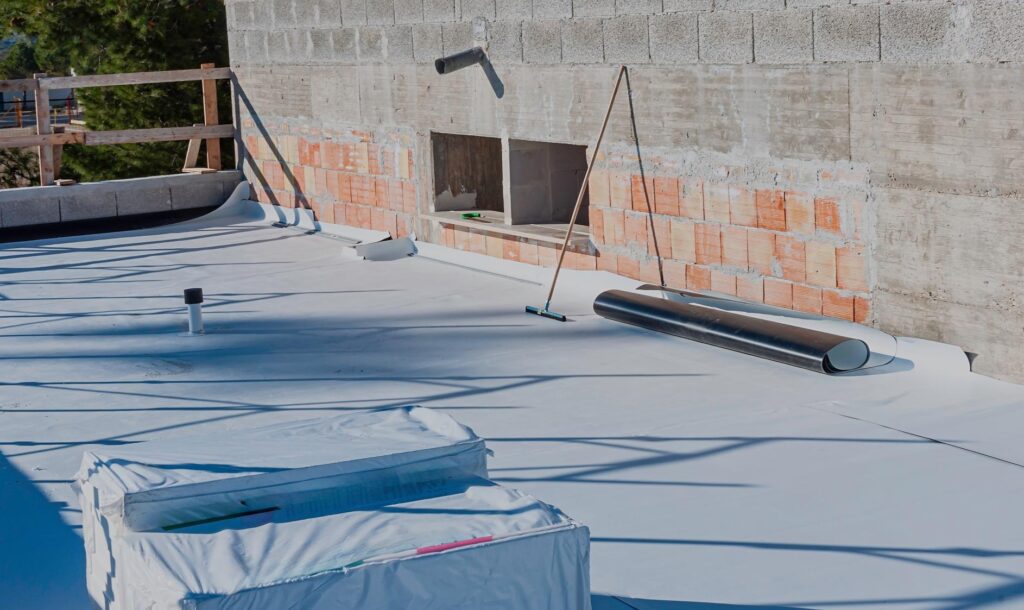
As you start on the journey of flat roof installation, understanding the materials needed, roof preparation, and installation techniques is essential.
From selecting the appropriate materials, such as membranes and insulation, to meticulously preparing the roof surface, each step plays a critical role in ensuring a durable and long-lasting flat roof.
Materials Needed
To successfully complete a professional flat roof installation, there are several key materials that you’ll need for the process.
Roofing Membrane: This is essential for waterproofing your flat roof. Choose a durable and high-quality roofing membrane to ensure longevity and protection against the elements.
Insulation Options: Proper insulation is vital for energy efficiency and temperature regulation within your building. Consider different insulation materials based on your specific needs and climate conditions.
Installation Tools: Equip yourself with the necessary tools, such as a utility knife, roofing adhesive, a roller, and a seam roller. These tools will aid in the precise and efficient installation of your flat roof.
Safety Precautions: Prioritize safety by having equipment like harnesses, non-slip footwear, and a first aid kit on-site. Adhering to safety protocols is essential during the installation process to prevent accidents and ensure a smooth workflow.
Roof Preparation
Now that you have gathered all the necessary materials for your professional flat roof installation, the next essential step is preparing the roof for the process. Proper roof preparation is vital to ensure a successful installation.
Begin by inspecting the roof for any damage or areas that may need repair. Addressing these issues beforehand will prevent complications during installation.
Focus on roof insulation to enhance energy efficiency and regulate indoor temperatures. Proper sealing is key to preventing leaks and maintaining the integrity of your flat roof. Be sure that all seams and edges are securely sealed to protect against water infiltration.
Additionally, consider weather protection measures to safeguard your roof from environmental elements. Implementing maintenance tips such as regular roof inspections and cleaning will prolong the lifespan of your flat roof. By prioritizing roof preparation, you set the foundation for a durable and reliable flat roof that will serve you well for years to come.
Installation Techniques
During the professional flat roof installation process, careful attention to detail is essential to ensure a long-lasting and effective outcome. Here are fundamental techniques used by experts for a successful flat roof installation:
Proper Sealing: Ensuring all seams and edges are correctly sealed is essential to prevent leaks and water damage.
Quality Materials: Using high-grade materials such as durable membranes and insulation is key to the longevity and performance of the flat roof.
Precise Installation: Each layer of the flat roof system must be installed meticulously to avoid any weak points or vulnerabilities.
Professional Expertise: Hiring experienced professionals who are well-versed in flat roof installations can make a significant difference in the overall quality and durability of the roof.
Maintaining Your Flat Roof
Proper upkeep of your flat roof ensures its longevity and performance. Regular roof maintenance is key to preventing leaks and extending the lifespan of your flat roof. To maintain your flat roof effectively, it’s recommended to conduct regular inspections, ideally twice a year, in the spring and fall.
During these inspections, check for any signs of damage, such as cracks, blisters, or pooling water. Addressing these issues promptly can prevent them from escalating into more significant problems that may result in leaks.
Additionally, clear any debris, such as leaves or branches, from the roof surface to avoid blockages that could lead to water accumulation.
In addition to visual inspections, it’s essential to keep an eye on the interior of your property for any signs of water infiltration, such as water stains on ceilings or walls. If you notice any leaks, address them immediately to prevent further damage to your flat roof.
Regular maintenance also includes keeping gutters and downspouts clear to ensure proper drainage and prevent water from backing up onto the roof. By staying proactive with roof maintenance and leak prevention, you can prolong the life of your flat roof and avoid costly repairs down the line.
Recognizing Common Roofing Issues
Inspecting your flat roof regularly is essential to promptly identify and address common roofing issues that could compromise its integrity. Proper roofing inspection can help detect problems early on, preventing costly damage and ensuring the longevity of your roof. Here are some key roofing issues to watch out for:
Ponding Water: Look for areas where water accumulates on your roof after rain. Ponding water can lead to leaks and structural damage if not addressed promptly.
Cracked or Blisters: Check for any cracks or blisters on the surface of your flat roof. These can be signs of aging or poor installation, which may result in leaks over time.
Membrane Damage: Examine the roofing membrane for any tears, punctures, or loose seams. Damage to the membrane can compromise the waterproofing of your roof.
Leak Detection: Keep an eye out for signs of water infiltration inside your building, such as water stains on walls or ceilings. Leaks often manifest indoors before becoming visible on the roof itself.
Extending the Lifespan of Your Roof
To maximize the longevity of your flat roof, proactive maintenance and timely repairs are essential. Regular roof maintenance prolongs the life of your roof and helps you avoid expensive repairs down the road. Weatherproofing methods are vital in shielding your flat roof from the elements, securing its endurance over time.
When it comes to roof maintenance, here are some key tasks to bear in mind:
| Roof Maintenance | Frequency | Importance |
|---|---|---|
| Inspect for damage | Biannually | Early spotting of issues can prevent further harm. |
| Clean gutters | Annually | Prevents water accumulation and potential leaks. |
| Check seals and seams | Quarterly | Ensures proper weather shielding. |
Incorporating these maintenance tasks into your regular schedule can greatly extend the lifespan of your flat roof. Additionally, incorporating weatherproofing techniques such as applying a protective coating or ensuring adequate insulation can further boost the resilience of your roof.
Summary
Mastering the art of professional flat roof installation is like tending to a well-crafted garden. By carefully selecting the right materials, ensuring proper drainage, and implementing effective maintenance strategies, you can cultivate a sturdy and resilient roof that withstands the test of time. With the right knowledge and expertise, your flat roof will bloom with longevity and sustainability, providing a solid foundation for your building for years to come.