As fall approaches, it’s essential to prepare your roof for the upcoming weather changes. You’ll want to inspect for any damage, clean your gutters, and consider scheduling a professional assessment. Each of these fall roof repair steps plays an important role in maintaining your roof’s integrity. By addressing these tasks now, you can prevent costly repairs later. Let’s explore why these preparations are critical and how they can protect your home during the colder months.
Key Takeaways
- Conduct a thorough visual inspection of your roof for any damaged shingles, cracks, or sagging areas before fall weather sets in.
- Clean gutters and downspouts to prevent water buildup, ensuring proper drainage during the rainy season.
- Schedule a professional roof assessment to identify hidden issues and address them proactively before winter arrives.
- Keep a detailed record of your inspection findings and maintenance history to track necessary repairs over time.
- Regular roof maintenance preserves your home’s integrity and enhances its value and safety.
Inspect Your Roof for Damage
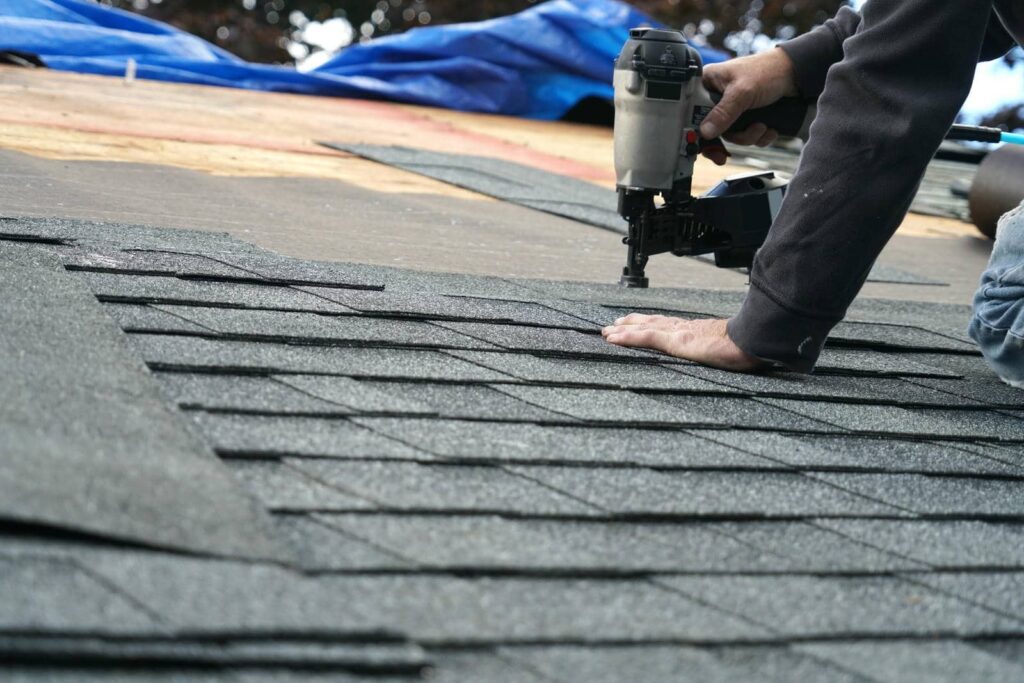
Inspecting your roof for damage is essential as the seasons change. Regular roof inspections help you catch potential issues before they escalate into costly repairs.
Start your damage assessment by visually scanning the roof for missing or damaged shingles, cracks, or sagging areas. Don’t forget to check the flashing around chimneys and vents, as these spots are prone to leaks.
If you’re comfortable, climb up and look for signs of wear or deterioration. Alternatively, use binoculars from the ground for a safer approach. Pay attention to any granules in the gutters, which can indicate shingle breakdown.
Keep a record of your observations, noting areas that require immediate attention. An annual roof inspection protects your home and fosters a sense of community among homeowners who prioritize maintenance.
Clean Gutters and Drainage Systems
As the leaves begin to fall, it’s vital to clean your gutters and drainage systems to prevent water buildup and potential damage.
Proper gutter maintenance is key to maintaining your roof’s integrity and protecting your home from water-related issues.
Here are four steps to make sure your gutters and drainage systems are in top shape:
Remove Debris: Clear out leaves, twigs, and dirt from your gutters to facilitate proper water flow.
Flush with Water: Use a hose to flush your gutters, making certain all blockages are cleared, and water drains effectively.
Check Downspouts: Inspect downspouts for clogs, and make certain they direct water away from your home’s foundation.
Inspect Gutter System: Look for cracks or rust and address any issues to maintain drainage importance.
Schedule Professional Assessments
When you schedule professional assessments for your roof, you ensure any hidden issues are identified before they escalate into costly repairs.
A thorough roof inspection helps uncover problems like leaks, damaged shingles, or weakened flashing that mightn’t be visible to the untrained eye.
This proactive approach is essential for effective seasonal maintenance, ensuring your roof remains in prime condition throughout the fall and winter.
Frequently Asked Questions
How Often Should I Inspect My Roof for Damage?
You should inspect your roof at least twice a year. Regular roof inspections allow for timely damage assessments, helping you identify issues early and maintain your home’s integrity, ultimately ensuring a safe and comfortable living environment.
What Signs Indicate I Need a Roof Replacement Instead?
If your roof’s lifespan exceeds 20 years, and you notice extensive curling, missing shingles, or persistent leaks, these are replacement indicators. Addressing these signs early can save you money on costly repairs and ensure your home’s safety.
Can I Clean Gutters Myself or Hire a Professional?
You can absolutely tackle gutter cleaning yourself with some DIY tips, but hiring a professional might save you time and ensure thoroughness. Consider your comfort level and the potential risks before making your decision.
What Time of Year Is Best for Roof Repairs?
Fall’s the best time for roof repairs due to mild weather and reduced precipitation. Seasonal considerations like temperature fluctuations and potential snow make this period ideal for thorough inspections and necessary maintenance to protect your home.
How Do I Choose a Reliable Roofing Contractor?
To choose a reliable roofing contractor, verify their credentials, check references, and understand their roofing warranties. Like a sturdy castle, your home deserves a solid foundation—trustworthiness in your contractor ensures lasting protection for your investment.
Review
As the leaves turn vibrant hues and the crisp air settles in, don’t let your roof become a hidden concern. By inspecting for damage, ensuring your gutters flow freely, and scheduling a professional assessment, you’re not just protecting your home; you’re safeguarding your peace of mind. Like a sturdy umbrella against autumn rain, these steps fortify your roof, allowing you to enjoy the beauty of the season without worry. Prepare now, and let your home stand strong through winter’s chill.