Just as a strong foundation is essential for any structure, the techniques used for flat roof replacement are important for long-term durability and performance. You might overlook the significance of precise installation, but improper methods can lead to leaks and costly repairs. Understanding the right approaches can protect your investment. So, what specific techniques should you consider to ensure your flat roof stands the test of time?
Key Takeaways
- Proper techniques ensure the durability and performance of flat roofs, preventing leaks and structural issues over time.
- Correct surface preparation and material selection are crucial for effective installation and longevity of the roof.
- Engaging professionals ensures high-quality workmanship, minimizing the likelihood of future repairs, and enhancing overall roof reliability.
- Systematic installation processes address potential challenges, ensuring proper drainage and preventing water pooling.
- Following these techniques ensures compliance with building codes, protecting your investment, and maintaining property value.
Understanding the Importance of Proper Techniques
When you consider replacing a flat roof, understanding the importance of proper techniques is essential to ensuring durability and performance.
Employing the right techniques greatly influences the longevity of your roof. Incorrect installation methods can lead to leaks, inadequate insulation, and structural strain, all of which compromise replacement durability.
Focusing on the technique’s significance means prioritizing precision during the installation process. Proper surface preparation, accurate material selection, and effective sealing methods all contribute to a robust flat roof.
You’ll want to engage with professionals who emphasize these techniques and can guide you through the intricacies of installation.
Common Materials Used in Flat Roof Replacement
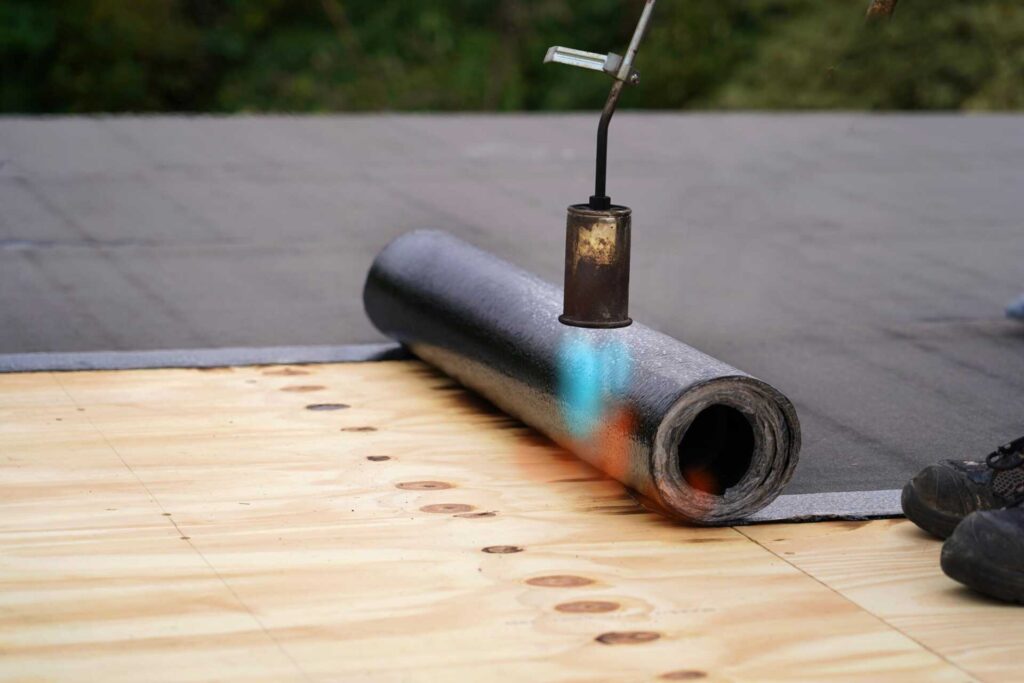
Selecting the right materials is essential for a successful flat roof replacement. You’ll want to evaluate durability, cost, and ease of installation when making your choice. Two common materials are rubber membranes and modified bitumen, each offering unique benefits.
| Material | Key Features |
|---|---|
| Rubber Membranes | Flexible, resistant to UV rays, cost-effective |
| Modified Bitumen | Strong, with good waterproofing properties, can be torched or self-adhered |
Rubber membranes provide excellent flexibility and durability against harsh weather conditions, making them a popular choice for many homeowners. On the other hand, modified bitumen adds strength and offers reliable waterproofing, ensuring a long-lasting solution. By understanding the advantages of these materials, you can make an informed decision that best fits your needs and contributes to the longevity of your flat roof.
Step-by-Step Process for Flat Roof Installation
To ensure a successful flat roof installation, it’s crucial to follow a systematic step-by-step process. This helps you address potential installation challenges and ensures effective roof drainage.
Prepare the surface: Clean the existing roof and repair any damage to create a solid base.
Install insulation: Lay down insulation panels to improve energy efficiency and stability.
Apply the membrane: Choose a suitable roofing membrane and install it securely, ensuring proper overlaps and seams.
Facilitate proper drainage: Design the roof layout to facilitate water runoff, preventing pooling and future leaks.
Benefits of Professional Installation Techniques
When you choose professional installation techniques for your flat roof, you’re investing in expertise that ensures high-quality workmanship.
This level of professionalism enhances the roof’s durability and leads to long-term cost savings by minimizing the need for repairs or replacements.
Ultimately, making the right choice now can protect your investment for years.
Expertise Ensures Quality Work
While some may consider DIY solutions for flat roof replacement, enlisting professional expertise ensures a level of quality and reliability that’s hard to match.
Professionals bring invaluable skills and knowledge to the table, confirming your project meets industry standards.
You’ll benefit from their:
- Expert opinions that guide material selection and installation techniques
- Skill assessment to identify potential issues before they arise
- Access to specialized tools that confirm precise work
- Compliance with local building codes, safeguarding your investment
Long-Term Cost Savings
Engaging professionals for your flat roof replacement ensures quality work and leads to significant long-term cost savings. By investing in expert installation techniques, you enhance energy efficiency, potentially lowering your utility bills over time. Furthermore, many professionals offer robust warranty options, providing peace of mind against future repairs and expenses.
| Benefit | Description |
|---|---|
| Energy Efficiency | Improved insulation reduces heating/cooling costs |
| Warranty Options | Long-term protection against structural failures |
| Professional Quality | Ensures compliance with industry standards |
Choosing skilled contractors ultimately saves you money while enhancing your roof’s longevity. It fosters a sense of community, making sure you’re part of a network that values quality and sustainability.
Cost Considerations for Flat Roof Replacement
Understanding the cost considerations for flat roof replacement is essential, especially since various factors can greatly impact your budget.
Effective budget planning starts with recognizing these key elements:
Material selection: Different materials come with varying costs and lifespans. Evaluate options like TPO, EPDM, or built-up roofing based on your needs.
Labor costs: Skilled labor can considerably influence the overall expense. Consider hiring reputable contractors for quality work.
Roof size and complexity: Larger or more complex roofs require more materials and labor, directly affecting your budget.
Local building codes: Guarantee compliance with regulations, as this may involve additional expenses for permits or inspections.
Maintenance Tips for Extended Roof Life
After addressing the cost considerations for flat roof replacement, it’s important to focus on how to protect your investment through proper maintenance.
Implementing a preventive maintenance plan is essential for extending the life of your roof. Start by scheduling routine inspections at least twice a year, ideally in spring and fall. During these inspections, look for signs of wear, such as cracks, blisters, or pooling water.
Clearing debris from the roof surface and ensuring that drains and gutters are free from blockages will help prevent water accumulation and damage. Additionally, promptly address any minor repairs to prevent them from escalating into major issues.
Consider applying a reflective coating to reduce heat absorption, enhancing energy efficiency.
Final Thoughts
Using proper techniques for flat roof replacement is crucial for ensuring long-term performance and durability. By investing in professional installation and adhering to best practices, you protect your property and save on costly repairs down the line. Prioritizing quality workmanship ensures your roof stands the test of time.