When it comes to flat roof replacement, understanding the best techniques is essential for achieving a durable, efficient result. You’ll want to start with a thorough inspection to pinpoint any underlying issues. Selecting the right materials, like EPDM or TPO, can make a significant difference in longevity and energy efficiency. But that’s just the beginning; effective drainage solutions also play an important role. Let’s explore these techniques further to ensure your project runs smoothly.
Key Takeaways
- Conduct a thorough roof inspection to identify existing issues and inform replacement strategies effectively.
- Choose high-quality membranes suitable for your climate, such as EPDM or TPO, enhancing durability and energy efficiency.
- Ensure proper slope design in the roof to facilitate effective water drainage and prevent accumulation.
- Utilize professional installation techniques like heat welding or adhesive bonding for seamless membrane application.
- Establish a regular maintenance schedule to monitor wear, clean debris, and implement leak detection systems.
Choosing the Right Materials for Flat Roof Replacement
When you’re considering a flat roof replacement, choosing the right materials is crucial to ensure durability and performance. You’ll want to assess various options like EPDM, TPO, and PVC membranes, each offering unique benefits.
EPDM, for instance, is renowned for its material durability, providing long-lasting protection against harsh weather conditions. TPO, on the other hand, is energy-efficient and can help reduce your heating and cooling costs.
Budget considerations also play an important role in your decision-making process. While it might be tempting to opt for lower-cost materials, investing in high-quality options can save you money in the long run by minimizing maintenance and replacement frequency.
Always balance your budget with the desired longevity and performance of the materials. By carefully evaluating these factors, you’ll ensure your flat roof meets your immediate needs and stands the test of time.
Proper Roof Inspection Before Replacement
Before you proceed with a flat roof replacement, conducting a thorough roof inspection is essential to identify existing issues that could affect the new installation.
Start by using an inspection checklist that covers critical elements such as membrane integrity, drainage systems, and flashing conditions.
Utilize roof inspection tools like infrared cameras to detect moisture trapped beneath the surface, and drones or telescopic cameras for hard-to-reach areas.
Pay close attention to signs of wear, such as blisters, cracks, or pooling water, which can indicate deeper problems.
Document your findings meticulously, as this information will guide your replacement process and help you choose the right materials.
Engaging in this detailed inspection fosters a sense of community among homeowners who want to ensure their roofs aren’t just replaced but improved for longevity and performance.
Taking these steps will save you time and money in the long run.
Effective Water Drainage Solutions
When replacing a flat roof, effective water drainage solutions are essential to prevent moisture accumulation.
You’ll need to take into account slope design for ideal water flow, explore various drainage system options, and implement regular maintenance practices to ensure longevity.
Addressing these factors will help protect your investment and enhance the roof’s performance.
Slope Design Importance
Although many overlook the importance of slope design in flat roof systems, it plays an essential role in ensuring effective water drainage. Proper slope design benefits your roof by directing water away from critical areas, reducing the risk of leaks and water pooling. When considering slope design, think about materials, structural support, and local climate conditions.
Here’s a quick overview of key considerations:
| Slope Design Benefits | Slope Design Considerations |
|---|---|
| Prevents water accumulation | Material selection |
| Extends roof lifespan | Structural integrity |
| Reduces maintenance costs | Local weather patterns |
| Enhances overall aesthetics | Drainage system compatibility |
Drainage System Options
Effective drainage systems are essential for maintaining the integrity of flat roofs, as they directly influence how well water is managed.
When considering drainage design, you’ll want to choose appropriate drainage materials that can effectively channel water away from the roof surface. Options include internal drains, scuppers, and gutters, each serving specific functions based on your roof layout.
Internal drains are ideal for minimizing visible drainage components, while scuppers can help direct water to the edges. Properly designed drainage systems prevent water accumulation and extend your roof’s lifespan.
Regular Maintenance Practices
To maintain the ideal performance of your flat roof, regular maintenance practices are essential for ensuring effective water drainage.
Implementing these practices will help you avoid costly repairs and prolong the lifespan of your roof.
Consider the following preventative measures:
Conduct regular inspections to identify debris, cracks, or pooling water.
Clear gutters and downspouts to ensure unobstructed water flow.
Apply sealants to vulnerable areas to prevent leaks and water ingress.
Monitor drainage systems for blockages and functional integrity.
Insulation and Energy Efficiency Considerations
When replacing a flat roof, choosing energy-saving insulation materials is essential for long-term efficiency.
You’ll want to make certain that your insulation is effective and compatible with proper ventilation strategies to prevent moisture buildup.
Energy-Saving Insulation Materials
Choosing the right energy-saving insulation materials is crucial for maximizing the efficiency of your flat roof replacement.
By prioritizing thermal performance, you enhance comfort and contribute to sustainability through green roofing options.
Here are some effective insulation materials to reflect upon:
Polyisocyanurate: Known for its high thermal resistance and moisture control.
Extruded Polystyrene (XPS): A durable option that offers excellent insulation and moisture resistance.
Spray Foam: Provides an airtight seal, improving energy efficiency considerably.
Mineral Wool: Fire-resistant and environmentally friendly, it also offers great thermal properties.
Selecting the right materials ensures your flat roof performs at its best, keeping energy costs down while supporting a greener future.
Proper Ventilation Strategies
How can proper ventilation enhance the energy efficiency of your flat roof? Effective airflow management is essential for maintaining ideal temperatures within your home.
By employing the right ventilation types, such as passive vents or mechanical systems, you can greatly reduce heat buildup in the attic space. This prevents excessive reliance on air conditioning during hot months, ultimately lowering energy costs.
Additionally, proper ventilation helps to control humidity levels, preventing moisture accumulation that can lead to mold and structural damage.
Make sure that your flat roof has adequate intake and exhaust vents to promote consistent airflow.
Installation Techniques for Seamless Membranes
Although seamless membrane installation may seem intimidating, understanding the key techniques can simplify the process considerably. By focusing on effective, seamless installation techniques, you can achieve a durable and watertight roof.
Here are some essential membrane application methods to take into account:
Surface Preparation: Confirm the substrate is clean, dry, and free of debris to promote adhesion.
Material Selection: Choose high-quality membranes that suit your climate and specific roofing needs.
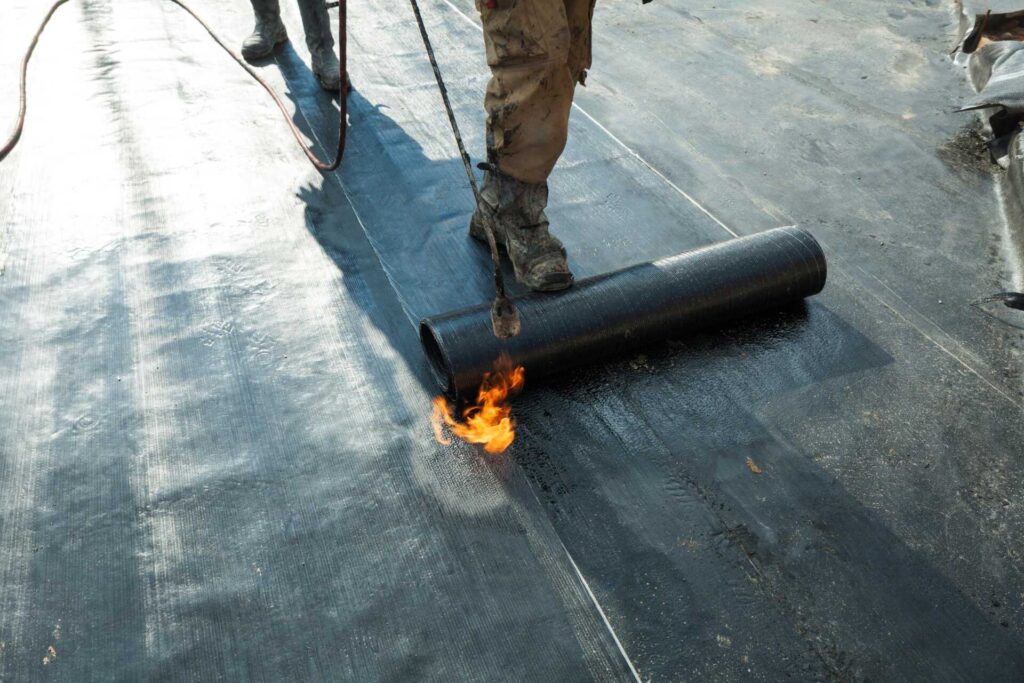
Application Technique: Utilize heat welding or adhesive bonding for a seamless finish, eliminating potential leak points.
Seam Treatments: Pay special attention to edge treatments and overlaps to ensure long-lasting performance.
Mastering these techniques enhances installation efficiency and fosters a sense of accomplishment in your roofing project.
With practice and attention to detail, you’ll create a seamless membrane application that meets both your aesthetic and functional requirements.
Maintenance Tips Post-Replacement
Once you’ve successfully installed a seamless membrane, maintaining its integrity is essential for long-term performance. Regular upkeep extends the life of your roof and prevents costly repairs. Establish cleaning schedules to remove debris and check for signs of wear.
Implement a leak detection system to catch potential issues early. Here’s a quick reference table to guide your maintenance efforts:
| Task | Frequency |
|---|---|
| Debris Removal | Monthly |
| Visual Inspection | Quarterly |
| Sealant Checks | Annually |
| Professional Assessment | Every 3-5 Years |
Follow these guidelines diligently, and you’ll foster a sense of community around your maintenance efforts. By taking proactive steps, you’re protecting your investment and ensuring a safe and secure environment for everyone who uses the space.
Hiring Professional Contractors vs. DIY Approaches
When considering a flat roof replacement, you often face the choice between hiring professional contractors and tackling the project yourself. Understanding the implications of each option is essential for a successful outcome.
Hiring professionals offers benefits such as:
Contractor qualifications: Experienced contractors possess the necessary skills and knowledge to handle various roofing materials and techniques.
Efficiency: Professionals can complete the project in a shorter time frame, adhering to strict project timelines.
Warranty: Many contractors offer warranties on their work, providing peace of mind for years to come.
Safety: Experienced teams are trained to manage risks and ensure compliance with safety regulations.
On the other hand, a DIY approach may save money but demands extensive research and physical labor.
Weighing both options carefully will guide you to the best decision for your flat roof replacement needs.
Review
Replacing your flat roof demands a balance between meticulous planning and skilled execution. While you might be tempted to tackle the project yourself for cost savings, remember that professional expertise can ensure longevity and performance. By prioritizing quality materials and proper installation techniques, you can achieve a durable roof that withstands the elements. Ultimately, investing time in maintenance and documentation will safeguard your roof’s future, enhancing both energy efficiency and property value.