
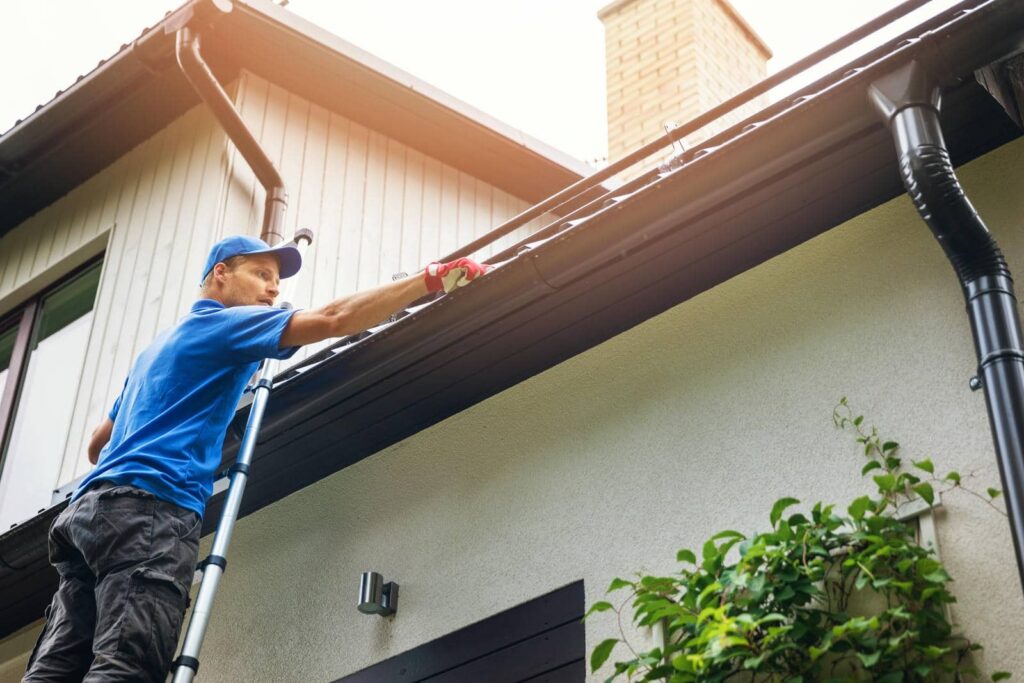
Have you ever considered how much a small leak could cost you? As spring approaches, it’s essential to inspect your spring roof for potential issues. Start by meticulously checking for visible damage and wear, then move on to the flashing and seals. Finally, don’t overlook your gutters and downspouts. Each element plays an important role in maintaining your roof’s integrity, but there’s more to uncover that could save you from unexpected expenses.
Key Takeaways
- Inspect shingles for curling, cracking, or missing pieces to identify potential leak sources.
- Check flashing for cracks or rust that could compromise leak protection.
- Review gutters and downspouts for debris to ensure proper water drainage away from the foundation.
- Examine seals around roof penetrations for wear and apply quality sealants to prevent moisture intrusion.
- Conduct regular inspections in spring to detect issues early and maintain roof integrity.
Inspect for Visible Damage and Wear
As you commence your spring roof inspection, it’s essential to look for visible damage and wear that could compromise your roof’s integrity.
Start by examining the shingle condition. Check for curling, cracking, or missing shingles, as these issues can indicate aging or weather damage. Pay special attention to areas around roof penetrations, such as vents and chimneys. These spots are vulnerable to leaks, so any signs of deterioration or wear around them require immediate attention.
Look for granule loss on the shingles, which can expose the underlying material to the elements, reducing its lifespan. Verify there’s no debris buildup, as this can trap moisture and lead to further damage.
Check Flashing and Seals
After evaluating the visible damage and wear on your shingles, turn your attention to the flashing and seals. Flashing protects vulnerable areas, like chimneys and valleys, while seals prevent moisture intrusion. Inspect them closely for cracks, gaps, or rust. Common flashing materials include aluminum, copper, and galvanized steel, each offering unique durability and resistance.
| Flashing Material | Pros | Cons |
|---|---|---|
| Aluminum | Lightweight, cost-effective | Prone to corrosion over time |
| Copper | Long-lasting, resistant to rust | Higher initial cost |
| Galvanized Steel | Strong, durable | Can rust if scratched |
When it comes to sealant types, look for silicone or polyurethane, as they provide excellent adhesion and flexibility. Make certain your flashing and seals are in top condition to maintain a strong, leak-free roof, reinforcing your home’s safety and comfort.
Review Gutters and Downspouts
While you might focus on shingles and flashing, don’t overlook the importance of reviewing your gutters and downspouts. Proper gutter maintenance is crucial for directing water away from your roof and foundation.
Start by checking for debris buildup; leaves and twigs can obstruct flow and cause leaks. Clear any blockages to ensure peak performance.
Next, inspect downspout alignment. Make sure they’re securely connected and directing water at least three feet away from your home’s foundation. Misalignment can lead to water pooling and potential leaks in your basement or crawl space.
Also, look for signs of rust or corrosion on gutters, as these may compromise their integrity. If you notice any damage, consider replacing sections to maintain effective water management.
Frequently Asked Questions
How Often Should I Schedule Roof Inspections?
You should schedule roof inspections at least twice a year, ideally during seasonal maintenance periods. This proactive approach enhances roof longevity, helping you catch potential issues early and ensuring your home stays safe and secure.
What Are Signs of Hidden Roof Leaks?
You’ll notice water stains on ceilings or walls, hinting at hidden leaks. Mold growth might appear in damp areas, signaling moisture problems. Keep an eye on these signs to protect your home and loved ones.
Can I Perform Roof Inspections Myself?
Yes, you can perform DIY inspections, but prioritize safety measures. Use a sturdy ladder, wear non-slip shoes, and inspect from various angles. Methodically check for damage, ensuring you’re thorough and confident in your findings.
What Tools Do I Need for Inspection?
Imagine a knight preparing for battle. For your roof inspection, gather essential safety equipment, including a sturdy ladder, harness, and hard hat, along with tools such as a flashlight and a moisture meter to ensure thoroughness.
When Should I Call a Professional?
You should call a professional for a roof inspection if you notice missing shingles, water stains, or any leaks. Their expert services ensure a thorough assessment, helping you maintain your roof’s integrity and protect your home.
Summary
By taking the time to inspect your roof this spring, you’re not just safeguarding your home; you’re investing in its future. Think of your roof as a shield—it protects you from the elements, but it needs your attention to remain strong. Regular inspections of visible damage, flashing, and gutters will help you catch leaks before they become waterfalls inside your home. Stay proactive, and your roof will continue to stand tall against the storms that come your way.