When a storm hits, metal roofs can suffer significant damage. You need to act quickly and evaluate the situation. Look for visible issues like missing panels or dents. Document everything carefully, as this will be important later. But evaluating the damage is just the first step. There are essential actions you must take next to protect your property and ensure effective repairs. Let’s explore what you should do immediately after the storm.
Key Takeaways
- Assess the damage immediately by visually inspecting the roof for missing panels and other visible issues from the ground.
- Secure the area by clearing debris and applying emergency tarping to prevent water leaks.
- Contact a professional for repairs to ensure accurate damage assessment and effective repair techniques.
- Conduct regular maintenance inspections to catch minor issues before they escalate into major problems.
- Prioritize safety during inspections by waiting for clear weather and using proper safety gear.
Assess the Damage Immediately
After a storm, it’s crucial to assess the damage to your metal roof as soon as it’s safe to do so.
Begin your damage assessment by visually inspecting the roof from the ground, looking for obvious signs like missing panels, dents, or rust spots. Use binoculars for a closer look without compromising safety.
Once you’ve identified potential issues, employ effective inspection techniques, such as checking for loose fasteners and examining the seams where panels connect.
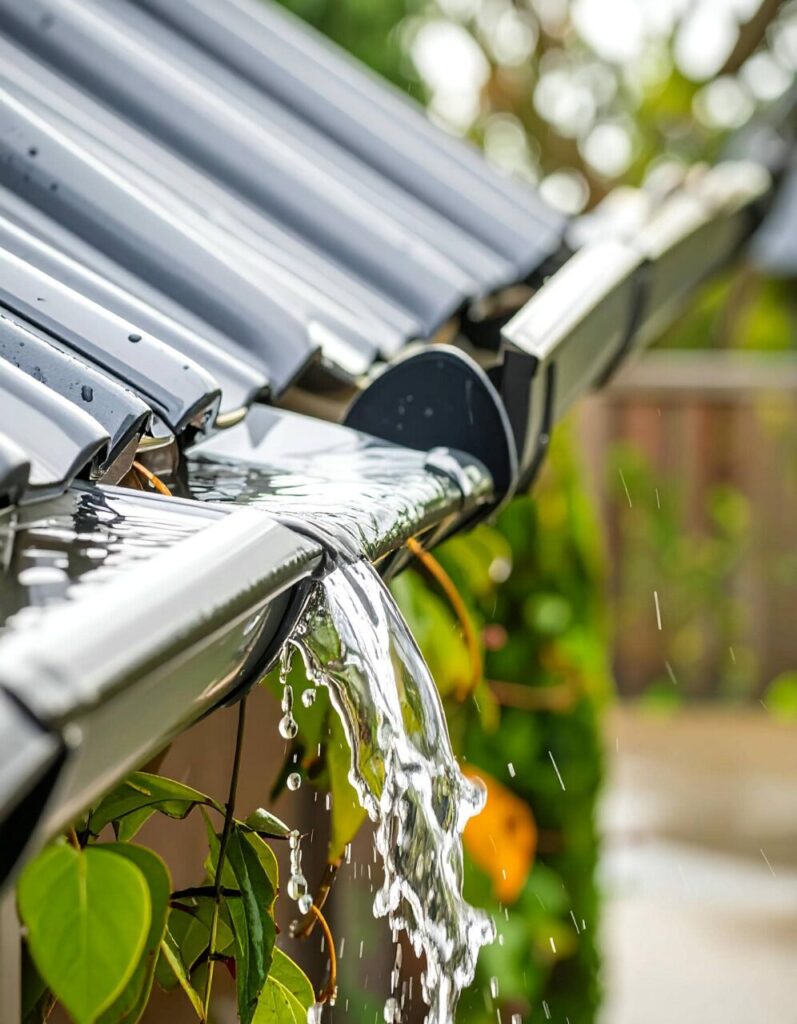
Don’t forget to inspect the flashings and gutters for debris or deformation.
If you’re comfortable, consider accessing the roof with proper safety gear to perform a thorough examination.
Document your findings, noting any areas that need immediate attention.
This proactive approach helps maintain your roof’s integrity and fosters a sense of community responsibility, ensuring your home remains a safe haven for you and your loved ones.
Secure the Area and Prevent Further Issues
Once you’ve assessed the damage to your metal roof, the next step is to secure the area to prevent further issues. Taking proper safety precautions is essential. Begin by clearing the surrounding area of debris to reduce hazards. If water leaks are present, apply emergency tarping to shield vulnerable sections until repairs can be made.
| Action | Purpose | Tools Needed |
|---|---|---|
| Clear Debris | Minimize hazards | Gloves, broom |
| Install Tarp | Prevent water intrusion | Heavy-duty tarp, rope |
| Mark Unsafe Areas | Warn others of potential dangers | Cones, caution tape |
Ensure the tarp is tightly secured to withstand wind and rain. By acting promptly, you’ll protect your property and foster a sense of community by keeping the area safe for everyone.
Contact a Professional for Repairs
When you notice significant damage to your metal roof, it’s essential to contact a professional for repairs as soon as possible. Roofing specialists possess the expertise and tools necessary to assess the extent of the damage accurately. They understand various repair techniques tailored for metal roofs, ensuring that your repairs are both effective and durable.
Attempting DIY fixes might lead to further complications or inadequate solutions. Professionals can identify underlying issues that may not be immediately visible, preventing future problems. Additionally, they can guide you on materials that match your existing roof, maintaining the aesthetic and structural integrity of your home.
Moreover, hiring a specialist can save you time and give you peace of mind. They can handle insurance claims if applicable, easing your burden during an already stressful situation.
In short, reaching out to a professional is a vital step in restoring your metal roof efficiently and effectively.
Frequently Asked Questions
How Do I Know if My Metal Roof Is Still Under Warranty?
To verify your metal roof’s warranty, check your purchase documents for warranty details. Contact the manufacturer with your roof’s specifications and installation date to confirm coverage and understand its longevity under various conditions.
Can DIY Repairs Be Safe for Metal Roofs?
DIY repairs can be safe for metal roofs, but make certain you follow proper repair techniques. Like a well-oiled machine, prioritizing safety measures ensures your roof’s longevity and your peace of mind.
What Insurance Claims Should I File for Storm Damage?
You should file an insurance claim for property damage and possible additional living expenses. Confirm you document storm damage thoroughly, including photos and detailed descriptions, to support your claims and expedite the process effectively.
How Can I Prevent Future Storm Damage to My Roof?
Many homeowners neglect roof inspections. To prevent future storm damage, prioritize storm preparedness by scheduling regular roof inspections, reinforcing weak areas, and ensuring your roof’s drainage system is functioning effectively. Stay proactive for safety!
Are There Specific Maintenance Tips for Metal Roofs After Storms?
After storms, you should inspect your metal roof for storm debris and damage. Remove any debris, check seams and fasteners, and ensure proper drainage. Regular maintenance can extend your roof’s lifespan and enhance its performance.
Final Thoughts
In the aftermath of a storm, handling metal roof damage swiftly can mean the difference between a minor setback and a major headache. By evaluating the damage, securing the area, and reaching out to a professional, you’re not just patching up holes; you’re fortifying your home against future storms. Think of it as stitching a tear in your favorite coat—each step restores strength and resilience, ensuring your shelter stands strong against the tempestuous whims of nature.