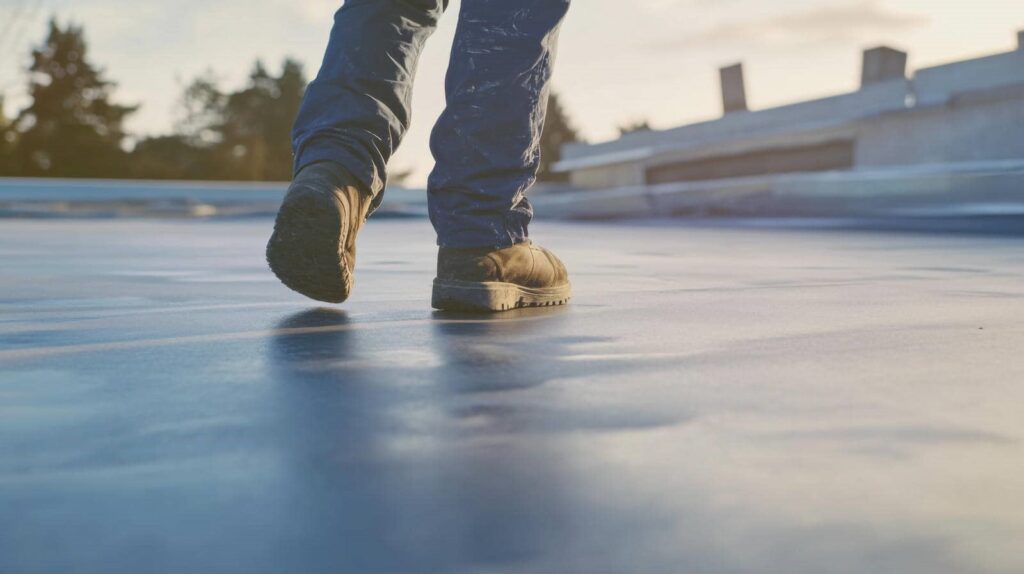
You might find it interesting that the right weather-resistant coating can make a significant difference in the lifespan of your flat roof. With options like silicone, acrylic, and polyurethane, each offers distinct advantages tailored to specific environmental challenges. Understanding these differences is vital for selecting the best solution. As you consider your choices, it’s essential to weigh factors such as durability, UV resistance, and energy efficiency. Which coating will best protect your investment?
Key Takeaways
- Silicone Roof Coatings offer superior UV resistance and elasticity, making them ideal for flat roofs against harsh weather conditions.
- Polyurethane Roof Coatings provide exceptional durability and create a seamless, waterproof membrane that protects against leaks.
- EPDM Liquid Rubber Coatings excel in UV resistance and flexibility, ensuring long-lasting protection for flat roofs.
- TPO Coatings enhance energy efficiency with their reflective surfaces, minimizing heat absorption while providing excellent UV resistance.
- Elastomeric Coatings offer superior flexibility and robust protection against extreme temperatures and UV rays, ensuring long-term durability for flat roofs.
Silicone Roof Coatings
Silicone roof coatings are an effective solution for flat roofs, offering superior protection against harsh weather conditions. You’ll appreciate the silicone benefits, including excellent UV resistance and remarkable elasticity, which allows the coating to expand and contract with temperature changes. This adaptability prevents cracking and prolongs the life of your roof.
As you consider silicone applications, you’ll find they’re suitable for various surfaces, including metal, asphalt, and single-ply membranes.
The seamless nature of silicone coatings reduces the risk of leaks, ensuring your building remains dry and secure. Additionally, their low maintenance requirements mean you won’t need to invest time or resources into frequent upkeep.
Acrylic Roof Coatings
Acrylic roof coatings offer another reliable option for flat roofing systems, delivering excellent resistance to UV rays and weathering.
One of the standout acrylic benefits is its ability to reflect sunlight, reducing cooling costs and extending the lifespan of your roof. When applying acrylic coatings, you’ll appreciate their quick-drying nature, allowing for faster project completion.
The application process is straightforward; simply clean the surface, and you’re ready to roll or spray the coating on. Ensure proper adhesion by applying it on a dry day—ideally, in ideal weather conditions.
Acrylic coatings also provide flexibility, accommodating minor roof movements without cracking. Plus, they’re environmentally friendly and low in VOCs, making them a smart choice for eco-conscious homeowners.
Polyurethane Roof Coatings
Polyurethane roof coatings are a top-tier solution for flat roofing systems, renowned for their exceptional durability and resistance to extreme weather conditions.
One of the significant polyurethane advantages is its ability to create a seamless, waterproof membrane that effectively protects against leaks and standing water. Their excellent adhesion properties ensure they bond well with various substrates, enhancing long-term performance.
However, it’s crucial to take into account polyurethane’s disadvantages as well. These coatings can be more expensive than other options like acrylic, and their application requires specific conditions, such as temperature control, to achieve ideal results.
Additionally, they may be susceptible to UV degradation over time if not properly top-coated.
In your quest for a reliable flat roofing solution, weighing these advantages and disadvantages will help you make an informed decision, making sure your roof remains protected for years to come.
EPDM Liquid Rubber Coatings
EPDM liquid rubber coatings offer exceptional benefits, including superior UV resistance and flexibility, making them an ideal choice for flat roofs.
You’ll find the application process straightforward, typically requiring a clean, primed surface for best adhesion.
With proper installation, these coatings can provide long-lasting durability, often exceeding two decades under various weather conditions.
Benefits of EPDM Coatings
When it comes to flat roofing solutions, EPDM liquid rubber coatings stand out for their impressive durability and flexibility.
One of the key EPDM advantages is its ability to withstand extreme weather conditions, ensuring your roof remains intact for years. This reduces the need for frequent repairs, saving you time and money.
Additionally, EPDM coatings are resistant to UV rays and ozone, further enhancing their lifespan.
The ease of EPDM installation allows for quick application, minimizing disruption to your routine.
You’ll appreciate the seamless finish, which eliminates potential leaks.
With its excellent adhesion properties, EPDM creates a strong barrier against moisture intrusion, making it an ideal choice for homeowners seeking reliable and long-lasting roof protection.
Application Process Overview
Before applying EPDM liquid rubber coatings, it’s crucial to properly prepare the roof surface to ensure optimal adhesion and performance.
Follow these steps for effective surface preparation:
- Clean the Surface: Remove debris, dirt, and any contaminants using a pressure washer or broom.
Confirm the surface is completely dry before proceeding.
Repair Damages: Inspect for cracks or blisters and repair them with suitable application materials to ensure a uniform surface.
Prime if Necessary: Apply a primer if recommended by the manufacturer, which enhances bonding and helps the coating adhere better.
Longevity and Durability Factors
Understanding the longevity and durability factors of EPDM liquid rubber coatings is essential for maximizing the lifespan of your flat roof.
These coatings excel under various weather conditions, providing exceptional resistance to UV rays, extreme temperatures, and moisture. EPDM’s flexibility allows it to expand and contract without cracking, making it a reliable choice for fluctuating climates.
When applied correctly, its seamless nature prevents water infiltration, reducing maintenance costs associated with other roofing materials. Additionally, the coatings are resistant to ozone and chemical exposure, further enhancing their durability.
TPO (Thermoplastic Olefin) Coatings
TPO coatings offer excellent energy efficiency and UV resistance, making them a top choice for flat roofs.
You’ll find the application process straightforward, typically involving a clean surface and proper adhesion techniques.
To maximize the longevity of your TPO roof, regular inspections and maintenance are key to identifying and addressing potential issues early.
Benefits of TPO Coatings
When considering flat roof solutions, the advantages of TPO coatings become evident.
These coatings enhance your roof’s durability and offer significant cost savings in the long run.
Here are three key TPO advantages:
Energy Efficiency: TPO’s reflective surface helps reduce cooling costs by minimizing heat absorption.
Longevity: With proper TPO installation, these coatings can last upwards of 20 years, reducing the frequency of replacements.
Ease of Maintenance: TPO’s smooth surface simplifies cleaning and upkeep, saving you time and effort.
Application Process Overview
Applying TPO coatings on flat roofs requires a systematic approach to ensure optimal adhesion and performance.
Start with thorough surface preparation; clean the roof to remove debris, moisture, and contaminants. This verifies the TPO bonds effectively.
Next, choose appropriate application techniques based on your roof’s condition. You can opt for spray, roller, or brush methods, depending on the surface texture and desired coating thickness.
Ensure even coverage while avoiding pooling. Pay attention to seams and edges, as these are critical for waterproofing.
Allow the coating to cure properly, adhering to manufacturer guidelines. Following these steps enhances the longevity of your TPO coating and creates a reliable, weather-resistant barrier for your flat roof.
Maintenance and Longevity Tips
To ensure the longevity and performance of your TPO coatings, regular maintenance is essential.
Implementing effective roof maintenance strategies can greatly extend the life of your roofing system. Here are three longevity strategies you should follow:
Regular Inspections: Schedule bi-annual inspections to identify and address potential issues such as punctures or tears early on.
Cleaning: Keep your roof clear of debris, moss, and algae. Use a soft-bristle broom and avoid harsh chemicals that could damage the TPO surface.
Repairs: Address any damage promptly. Use appropriate TPO repair kits to ensure seamless repairs that maintain waterproof integrity.
Reflective Roof Coatings
Reflective roof coatings serve as an essential solution for enhancing energy efficiency in flat roofing systems. By utilizing reflective materials, these coatings effectively minimize heat absorption, keeping your building cooler during hot months. This not only reduces energy consumption for cooling but also lowers your utility bills, which is a win for both your pocket and the environment.
When you apply a reflective coating, you’re investing in longevity and durability, as these materials are designed to withstand harsh weather conditions. They protect your roof from UV damage and extend its lifespan.
Additionally, many reflective coatings are available in a variety of finishes, allowing you to choose one that aligns with your aesthetic preferences.
Bitumen-Based Coatings
Bitumen-based coatings offer exceptional waterproofing and protection for flat roofs, making them a popular choice among building owners.
These coatings are known for their durability and effectiveness, but you should also be aware of their advantages and disadvantages.
Here are some key points to take into account:
Bitumen Advantages
- Excellent waterproofing properties prevent leaks.
- High resistance to UV rays and temperature fluctuations.
- Easy application method, often requiring minimal tools.
Bitumen Disadvantages
- Can become brittle in extreme cold, leading to cracks.
- Requires proper surface preparation to ensure adhesion.
- May emit strong odors during application, necessitating ventilation.
Elastomeric Coatings
Elastomeric coatings offer superior flexibility and durability, making them an excellent choice for flat roofs.
When applying these coatings, you’ll want to use specific techniques to ensure proper adhesion and coverage.
Benefits of Elastomeric Coatings
When considering flat roof solutions, elastomeric coatings stand out for their impressive flexibility and durability.
These coatings offer numerous benefits that make them a top choice for protecting your flat roof.
Here are three key advantages:
Elastomeric Flexibility: They can expand and contract with temperature fluctuations, preventing cracking and damage.
Weather Resistance: These coatings provide robust protection against UV rays, rain, and extreme temperatures, ensuring longevity.
Energy Efficiency: Many elastomeric coatings reflect sunlight, keeping your building cooler and reducing energy costs.
Application Techniques and Tips
Applying elastomeric coatings requires careful attention to detail to ensure peak performance.
First, verify thorough surface preparation; clean the roof to remove debris, dirt, and old coatings. Fix any cracks or leaks, as these can compromise your coating’s durability.
When applying, use a high-quality roller or spray system to achieve even distribution. Follow application best practices by working in manageable sections and applying multiple thin coats rather than a single thick layer.
Allow adequate drying time between coats to enhance adhesion. Be mindful of weather conditions, avoiding application during extreme temperatures or rain.
Green Roof Systems
While many flat roofs prioritize durability and weather resistance, integrating green roof systems can greatly enhance their environmental performance and aesthetic appeal.
These sustainable roofing solutions offer numerous green roof benefits, making them a compelling choice for modern buildings.
Consider these key advantages:
Improved Insulation: Green roofs provide natural thermal insulation, reducing heating and cooling costs.
Stormwater Management: They absorb rainwater, minimizing runoff and decreasing the risk of urban flooding.
Biodiversity Support: Green roofs create habitats for various species, promoting urban biodiversity and improving air quality.
Spray Foam Roofing Coatings
Although many roofing options exist, spray foam roofing coatings stand out for their exceptional insulation properties and seamless application. This innovative solution combines spray foam insulation with a protective top layer, creating a durable, weather-resistant barrier.
When you choose spray foam, you’re not just investing in a roof; you’re enhancing your building’s energy efficiency. The foam expands upon application, filling gaps and creating a continuous layer that prevents air leaks and moisture intrusion.
This results in lower energy bills, as your heating and cooling systems work more efficiently. Furthermore, the coating’s reflective surface helps to manage heat absorption, further optimizing energy use.
With proper maintenance, spray foam roofing can last for decades, making it a wise choice for any flat roof. By selecting this system, you’re joining a community committed to sustainability and long-term savings.
Embrace the benefits of spray foam roofing coatings for a reliable, energy-efficient solution.
Frequently Asked Questions
How Do I Choose the Right Coating for My Flat Roof?
To choose the right coating for your flat roof, consider coating types like acrylic or polyurethane, and evaluate installation methods such as spray or roll-on. Match them to your roof’s specific needs for peak performance.
What Is the Average Lifespan of Weather-Resistant Coatings?
The average lifespan of weather-resistant coatings typically ranges from 10 to 20 years. Coating durability depends on factors like climate, application quality, and maintenance, so choose wisely to maximize your roof’s longevity and performance.
Can I Apply Coatings Myself, or Should I Hire a Professional?
You can apply coatings yourself, but many DIY projects fail due to improper technique. Hiring professional services ensures a flawless finish and longevity, giving you peace of mind that your investment’s protected.
How Often Should I Recoat My Flat Roof?
You should recoat your flat roof every five to ten years, depending on climate and wear. Regular recoating frequency is essential for effective flat roof maintenance, ensuring durability and protecting your investment against environmental damage.
Are Weather-Resistant Coatings Eco-Friendly and Safe for the Environment?
Yes, many weather-resistant coatings use eco-friendly materials, minimizing environmental impact. By choosing these options, you contribute to sustainable practices, ensuring your roof protects your home while supporting a healthier planet for everyone. You’re making a difference!
Wrap-Up
So, if you think you can just toss any old coating on your flat roof and call it a day, think again! Choosing the right weather-resistant coating is like picking the perfect outfit for a first date; it can make or break your relationship with your roof. From the UV-savvy silicone to the durable polyurethane, each option serves a unique purpose. Don’t let your roof suffer an identity crisis—invest wisely, and it’ll thank you with years of reliable protection!