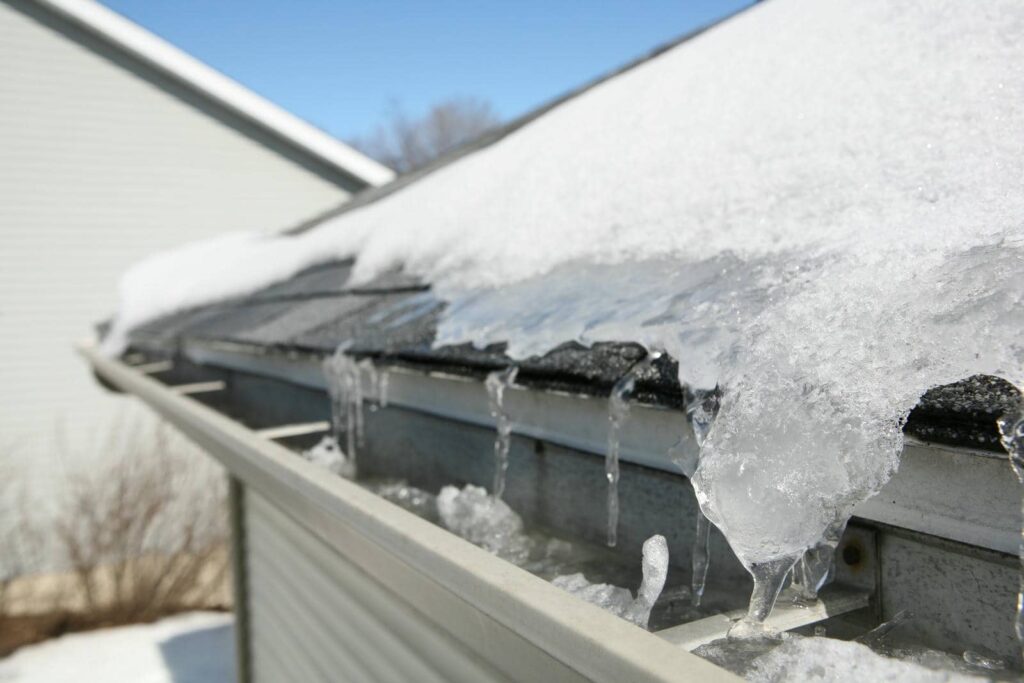
Imagine your roof as a shield, protecting your home from the elements. After a harsh winter, it’s essential to inspect that shield for any cracks or weaknesses that may have developed. Spring rains can expose hidden leaks, putting your home at risk for further damage. Understanding the importance of a spring roof inspection can help you avoid costly repairs and ensure your home remains a safe haven. So, what should you be looking for?
Key Takeaways
- Spring inspections identify roof damage caused by winter weather, preventing further deterioration and costly repairs.
- Early detection of leaks protects your home’s integrity and enhances the longevity of your roof.
- Seasonal inspections help uncover issues exacerbated by spring rains and prepare roofs for summer heat.
- Regular evaluations, ideally twice a year, maintain aesthetics and increase home value, contributing to neighborhood appeal.
- Professional inspections provide detailed insights, while DIY efforts can save money but may lack thoroughness.
Importance of Spring Roof Inspections
As winter melts away and spring emerges, it’s crucial to prioritize your roof inspection, since neglecting this task can lead to costly repairs later on. A thorough inspection helps identify any damage caused by harsh winter weather, ensuring your roof’s longevity and performance.
Start with an inspection checklist that covers essential areas, such as roofing materials, flashing, and gutters. Check for loose shingles, signs of wear, or debris buildup that could compromise your roof’s integrity.
By addressing these issues early, you maintain the aesthetics of your home and enhance its value. A proactive approach fosters a sense of belonging within your community, as well-maintained roofs contribute to neighborhood appeal.
Common Causes of Roof Leaks
Roof leaks can stem from several common causes that often go unnoticed until significant damage occurs. Understanding these issues can help you protect your home effectively.
| Cause | Description | Prevention Tips |
|---|---|---|
| Deterioration | Roof material breaks down due to age and seasonal wear. | Regular inspections and timely replacement are essential. |
| Poor Installation | Inadequate sealing or flashing can lead to vulnerabilities. | Confirm professional installation and follow manufacturer guidelines. |
| Clogged Gutters | Leaves and debris can block water flow, causing overflow. | Clean gutters regularly to maintain proper drainage. |
Signs of a Leaky Roof
When inspecting your roof, watch for signs that indicate a potential leak.
Water stains on ceilings, mold and mildew growth, and missing or damaged shingles are essential indicators that shouldn’t be overlooked.
Addressing these issues promptly can save you from costly repairs down the line.
Water Stains on Ceilings
Water stains on ceilings often signal a hidden problem that shouldn’t be ignored. These stains are typically caused by water damage, often stemming from leaks in your roof.
If you notice these dark spots, act quickly; they can indicate ongoing issues that may lead to more extensive damage and costly ceiling repairs. Ignoring them can result in further deterioration of your home’s structure and aesthetics.
You want to ensure your living space remains safe and inviting for yourself and your loved ones. Regular roof inspections can help identify leaks before they escalate, saving you time and money.
Don’t wait until it’s too late; prioritize your home’s integrity by addressing those water stains immediately.
Mold and Mildew Growth
If you’ve spotted water stains on your ceilings, it’s essential to check for mold and mildew growth, as these can be clear indicators of a leaky roof. Mold and mildew thrive in moisture, posing health risks and damaging your home. Regular inspections can help with mold prevention and ensure your living environment remains safe.
| Signs of Mold & Mildew | Mold Prevention Tips | Mildew Treatment Options |
|---|---|---|
| Dark spots on the walls | Keep humidity low | Use a vinegar solution |
| Musty odors | Ensure proper ventilation | Apply a baking soda paste |
| Peeling paint | Fix leaks promptly | Consider commercial cleaners |
Taking proactive measures will protect your health and enhance your home’s longevity. Don’t let mold and mildew take root—act now!
Missing or Damaged Shingles
As you inspect your roof this spring, missing or damaged shingles can be a telltale sign of a leaky roof that requires immediate attention.
Shingle deterioration compromises your roof’s integrity and increases the risk of water intrusion, leading to costly repairs. Look for signs such as curling, cracking, or granule loss.
If you notice these issues, it’s essential to explore replacement options. You can choose from various materials, including asphalt, wood, or metal shingles, each offering distinct benefits.
Addressing missing or damaged shingles promptly fosters a sense of security and belonging in your home, ensuring your family stays safe and dry.
Don’t wait—act now to protect your investment and peace of mind.
Benefits of Early Leak Detection
Early leak detection can save you from costly repairs down the line, as minor issues can escalate quickly if left unchecked.
By addressing leaks promptly, you protect your home and extend your roof’s longevity.
Investing time in inspections now will pay off greatly in the future.
Prevent Costly Repairs
Detecting roof leaks early saves you from expensive repairs and protects the integrity of your entire home.
By identifying issues before they escalate, you’re implementing essential cost-saving measures that can markedly reduce your overall maintenance expenses. Early leak detection allows you to address minor problems before they develop into major headaches, ensuring your home remains a safe haven.
Plus, with proactive leak prevention strategies, you can avoid the stress and financial burden that comes with extensive water damage. Think of regular inspections as an investment in your home’s future, fostering a sense of community and security.
Don’t wait for leaks to disrupt your life—act now to safeguard your home and your peace of mind.
Enhance Roof Longevity
When you prioritize early leak detection, you greatly enhance your roof’s longevity and performance. By addressing issues promptly, you can protect your investment and ensure the integrity of your roof materials.
Here are three key benefits of early leak detection:
- Prolongs Roof Lifespan: Regular checks help identify weaknesses, allowing you to reinforce areas before they worsen.
- Improves Energy Efficiency: A well-maintained roof reduces heating and cooling costs, making your home more comfortable.
- Supports Seasonal Maintenance: Timely inspections fit seamlessly into your routine, ensuring your roof is ready for changing weather conditions.
Seasonal Weather Impact on Roofing
As the seasons change, the impact of weather on your roof becomes increasingly significant. Seasonal temperature fluctuations can lead to expansion and contraction of roofing materials, resulting in cracks and gaps. These vulnerabilities allow moisture to seep in, causing leaks and further weather-related wear. By understanding how different weather conditions affect your roof, you can take proactive measures to protect your investment.
| Season | Impact on Roofing |
|---|---|
| Spring | Heavy rains can expose leaks |
| Summer | Intense heat can warp materials |
| Winter | Snow accumulation adds weight |
Regular inspections during these changes help you identify issues early, ensuring your roof remains in top condition. Don’t wait for a leak to disrupt your life; staying ahead of seasonal challenges reinforces your commitment to home maintenance and community care. Your roof deserves the best protection throughout the year!
Essential Tools for Roof Inspection
When inspecting your roof, having the right tools is vital for an effective assessment.
You’ll need basic inspection tools, safety gear to protect yourself, and advanced detection equipment for pinpointing potential leaks.
Investing in these essentials ensures your safety and enhances the accuracy of your inspection.
Basic Inspection Tools
To effectively identify potential leaks during a spring roof inspection, you’ll need a few essential tools that can enhance your assessment.
Having the right equipment streamlines your inspection process and helps you avoid missing critical issues.
Here’s a simple roof inspection checklist of basic inspection tools:
- Flashlight: A powerful flashlight helps you spot leaks in dark corners or under eaves.
- Measuring Tape: Use this to measure any damaged areas or gaps that need attention.
- Binoculars: They allow you to inspect hard-to-reach places safely from the ground.
Safety Gear Necessities
Before you climb onto your roof for an inspection, it’s essential to equip yourself with the right safety gear. Safety goggles are a must; they protect your eyes from debris and potential hazards. You wouldn’t want to overlook this significant element.
Next, harness equipment is critical for preventing falls. Confirm it’s properly fitted and secured to a reliable anchor point. Wearing non-slip shoes will also enhance your stability while traversing the roof.
Remember, your safety is paramount during this inspection. By prioritizing these essentials, you protect yourself and set a standard for others in your community who might follow your lead.
Embrace the responsibility; it’s part of being a conscientious homeowner and a valued member of your neighborhood.
Advanced Detection Equipment
Having the right safety gear sets the foundation for a successful roof inspection, but it’s equally important to utilize advanced detection equipment to identify potential leaks and damage effectively.
These tools can make all the difference in your inspection process. Here are three essential pieces of equipment:
- Thermal Imaging Cameras: These allow you to visualize temperature differences, helping pinpoint areas where moisture may be trapped.
- Moisture Meters: Use these to measure moisture content in roofing materials, ensuring you catch hidden leaks before they escalate.
- Ultrasonic Leak Detectors: They can detect leaks by identifying the sound of escaping air, providing an extra layer of assurance.
With these advanced tools, you’ll enhance your inspection’s accuracy and protect your investment.
Key Areas to Inspect for Leaks
As you prepare for your spring roof inspection, prioritizing key areas can greatly enhance your chances of spotting potential leaks early. To ensure thorough leak detection, follow this inspection checklist focusing on critical spots:
| Area | Common Issues | Inspection Tips |
|---|---|---|
| Flashing | Cracks and gaps | Check seams and edges |
| Roof Vents | Deterioration | Inspect surrounding areas |
| Valleys | Blockages | Clear debris and leaves |
| Shingles | Curling or missing | Look for signs of wear |
Professional vs. DIY Roof Inspections
While inspecting key areas for leaks is essential, you may find yourself weighing the benefits of a professional roof inspection against a DIY approach. Each option has its merits, but understanding the differences can guide your choice.
- Expertise: Roofing professionals have advanced training and experience with various inspection techniques, ensuring a detailed evaluation.
- Tools: Professionals use specialized equipment, such as infrared cameras, that may not be available to you, enhancing their ability to detect hidden leaks.
- Safety: Climbing on roofs can be risky. Professionals are trained to navigate these environments safely, reducing your risk of injury.
Ultimately, while DIY inspections can save money, the thorough insights provided by roofing professionals often outweigh the costs, protecting your investment and ensuring peace of mind.
Choosing the right approach fosters a sense of belonging in the community of homeowners who prioritize roof health.
Maintenance Tips for Preventing Future Leaks
To prevent future leaks, it’s important to adopt a proactive maintenance routine that addresses potential vulnerabilities in your roof system.
Start with regular inspections, ideally twice a year, to catch issues before they escalate. Check for damaged shingles, cracks, or loose flashing—these are common culprits in water intrusion.
Keep gutters and downspouts clear to ensure proper drainage; standing water can lead to leaks over time.
Additionally, verify that your roof’s ventilation is functioning correctly; poor airflow can cause moisture buildup, leading to mold and leaks.
Consider applying a waterproof sealant to vulnerable areas for added protection.
Don’t forget to trim overhanging branches; falling debris can damage your roof’s surface.
When to Schedule Roof Repairs
Knowing when to schedule roof repairs is essential for maintaining the integrity of your home. Proper schedule timing can prevent minor issues from escalating into costly problems.
Here are three key moments when you should consider scheduling repairs:
- After Severe Weather: Inspect for any damage after storms, as high winds and heavy rain can compromise your roof’s integrity.
- Regular Inspections: Conduct a thorough inspection at least once a year, preferably in spring. This helps you determine repair frequency based on wear and tear.
- Visible Damage: If you notice any leaks, missing shingles, or sagging areas, don’t wait. Schedule repairs immediately to prevent further deterioration.
Frequently Asked Questions
How Often Should Roof Inspections Be Conducted Beyond Spring?
You should conduct seasonal inspections at least twice a year, ideally in spring and fall. Increasing the inspection frequency helps you catch potential issues early, ensuring your roof stays in top condition and maintains your home’s integrity.
Can I Inspect My Roof After Heavy Snowfall?
Absolutely, you can inspect your roof after heavy snowfall. Look for snow damage like sagging areas or cracks. Use these inspection tips: clear snow carefully, check gutters, and ensure proper drainage to prevent future issues.
What Are the Risks of Ignoring a Leaky Roof?
Ignoring a leaky roof can lead to significant water damage and promote mold growth. This compromises your home’s structural integrity and poses health risks, making regular inspections essential for your family’s safety and comfort.
Do I Need a Ladder for a Thorough Roof Inspection?
You’ll need a ladder for a thorough roof inspection, but make certain it’s stable. Ladder safety is essential; proper roof accessibility lets you spot potential issues, protecting your home from costly damage and maintaining your peace of mind.
How Can I Choose a Reliable Roofing Contractor?
To choose a reliable roofing contractor, verify their qualifications, experience, and references. Confirm they’re knowledgeable about various roofing materials, as this expertise ensures your roof’s integrity and enhances your sense of belonging in your community.
Recap
Conducting a spring roof inspection is crucial for safeguarding your home against leaks and damage. By identifying these issues early, you protect your investment and enhance your property’s value and curb appeal. Don’t wait for the next downpour to reveal leaks; schedule your inspection today to ensure your roof remains resilient and your home stays safe and dry.